

The dollar strengthened against the shekel Thursday, extending gains after Bank of Israel Gov. Amir Yaron signaled that another interest rate cut could come if inflation moves closer to the lower end of the government’s target range.
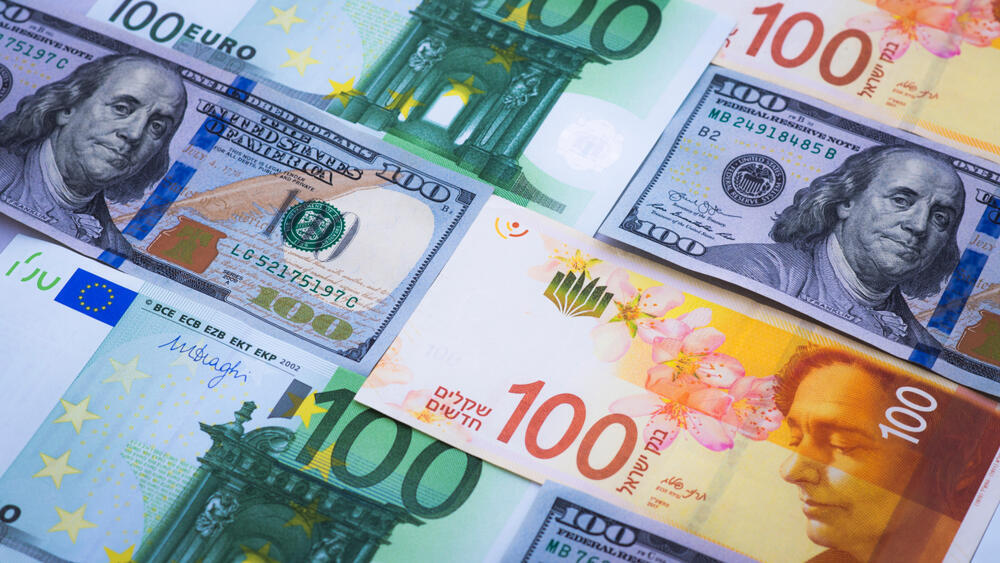
The dollar was trading around 2.89 shekels, after standing at about 2.80 to 2.81 only a few days earlier. The euro also rose, trading around 3.36 shekels.
Tel Aviv stocks also fell more than 1%, extending recent declines. Earlier Thursday, the market had dropped about 2% before paring some of its losses.
Yoel Naveh, a former chief economist at the Finance Ministry, told ynet that the shekel’s broader strength over the past year remains striking despite the dollar’s recent rebound. A year ago, the dollar traded at about 3.67 shekels.
“The strengthening of the shekel is not only against the dollar, but against the entire currency basket,” Naveh said. “There are two elements here: the strengthening itself and the rapid pace at which it happened in recent months.”
Naveh said the strong shekel is harming Israel’s competitiveness, particularly exporters and high-tech companies. Exporters earn revenue in dollars while paying many expenses in shekels, he said. In high-tech, where labor is a major cost, wages measured in dollar terms have risen by about 15% to 20%.
Asked whether he expected the Bank of Israel to intervene, Naveh said the central bank is probably limited in its ability to act directly in the foreign exchange market because of international political constraints.
“But as the governor said, when conditions allow, he will probably lower interest rates, and that should have some effect on the dollar exchange rate,” Naveh said. “The trend among central banks around the world today is actually not to lower rates, and maybe even to raise them because of high inflation.”

Israeli airstrike in southern Lebanon
(Photo: REUTERS/Stringer)
Naveh warned that a persistently strong shekel would gradually weigh on economic growth.
“The damage is significant, but it materializes over time,” he said. “We will simply see less growth in high-tech, more jobs staffed abroad rather than in Israel, and companies moving production overseas.”
He said Israel’s defense industries are already producing some of their output abroad.
Naveh said structural factors are also driving the shekel’s strength, including Israel’s export surplus and high levels of mandatory long-term savings. Institutional investors who invest abroad often hedge their foreign currency exposure, creating additional dollar inflows that pressure the exchange rate, he said.
In the short term, Naveh said, lowering interest rates could help. Broader government intervention, he said, would be less relevant.
Naveh also criticized reports that Prime Minister Benjamin Netanyahu wants to lower value-added tax back to 17% from 18%.
“If that is really true, it is completely reckless conduct,” Naveh said, citing a deficit expected to reach 5% and the lack of a clear framework for defense spending.
He said the government’s spending makes it harder for the central bank to cut rates and called on officials to reduce expenditures or take meaningful steps to shrink the deficit.