

Inflation, corruption and international sanctions: Even before the war between the United States and Israel against Iran began, Iran’s economy was in dire straits. Monthly salaries of $700 in 2022 fell to $400, or about 1,200 shekels, as more families slipped below the poverty line and struggled to put even the most basic food on the table for their children. An Iranian blogger posted in January, shortly before the major protests in Iran, about seeing a friend, a young mother, forced to buy diapers meant for a 1-year-old for her 2½-year-old daughter because the child had lost so much weight.
Like a homeless person receiving a property tax bill, the war struck Iranians who had nothing left. As Iran’s rulers flex their muscles at Trump, annual inflation is raging at around 70%, the Iranian rial is collapsing to an all-time low, the internet is down and unemployment is sparing no sector. The forecast: Iran’s situation is only expected to get far worse, with an estimated 4.1 million people projected to fall below the poverty line. And that is before calculating the devastating impact of the expected losses from declining oil export revenues.
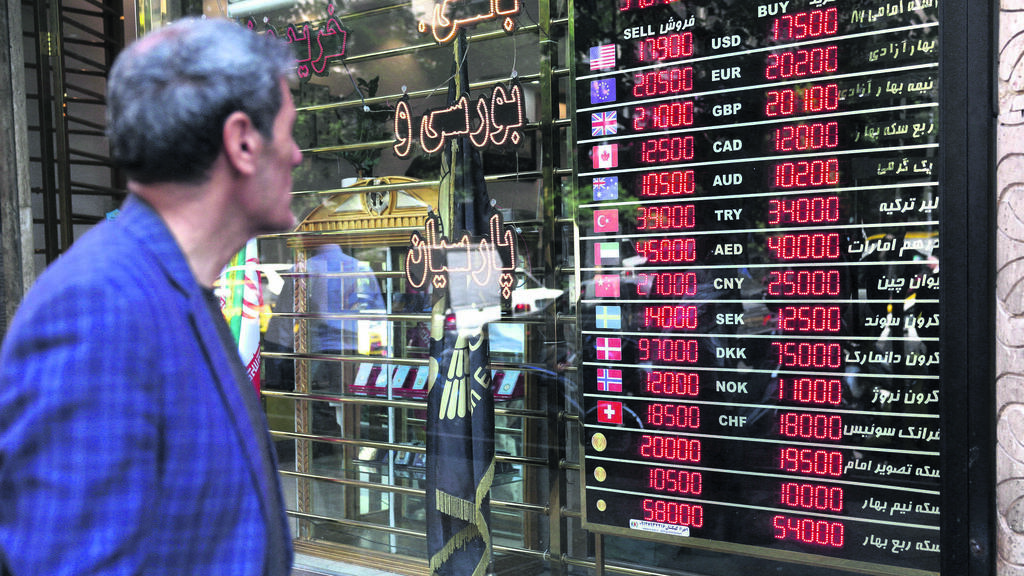
Hundreds of thousands of people cannot return to work in factories, plants, stores and offices destroyed in the massive bombings, including huge steel and petrochemical complexes employing thousands of workers. Even those not physically harmed by the bombings have taken a hit. Delays and disruptions in import channels have caused shortages of essential production materials. Inflation, recession and soaring unemployment have led to a total drop in demand for goods and services. Tens of thousands of workers have been laid off without pay, including all employees in the aviation sector.
These abrupt layoffs of tens of thousands of workers, combined with the lack of internet services, have placed enormous pressure on Iran’s welfare system, which was already buckling under the burden of nationwide poverty. Welfare, social security and income support services are now expected to provide for many more citizens, even as state revenues continue to fall.
But while the government has failed to help citizens with tax relief or low-interest loans, it has seen fit to raise public-sector wages by 60% and allow government employees to work from home for full pay. It has also demanded that companies and businesses treat their workers with empathy and sacrifice in light of the situation.
Parents must choose between food and medicine
The problem for citizens is not only the dire economic situation itself, or the fact that they have no idea what the future holds — and by future, we mean tomorrow — but the fact that they have no expectation that their government will help them out of this shameful predicament. The mass protests across Iran in January were driven mainly by the severe economic situation, and even then the government and authorities took no steps to prevent the unrest or the killing of tens of thousands of demonstrators.
“There was a lot of criticism of Trump and Israel and the way they conducted the war or started it before consulting other countries or considering the devastating consequences the attacks would have for global economies,” one economic adviser says. “But there is complete consensus that the current policy is destructive for Iran’s economy. Through economic pressure on Iran, Trump is succeeding in doing what thousands of aircraft sorties failed to do.”
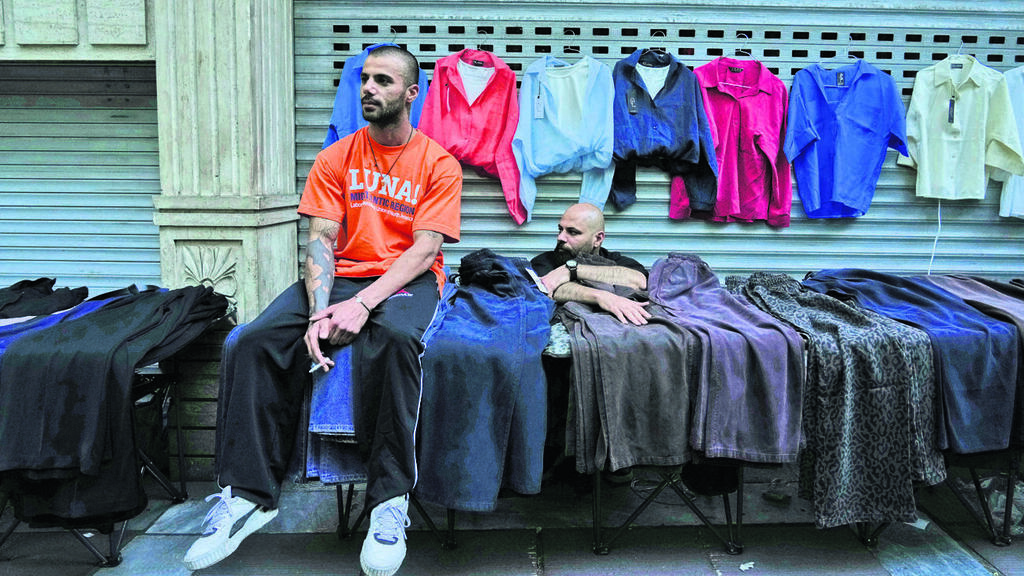
A stall at a market in Tehran, empty of customers
(Photo: Vahid Salemi/AP)
This poses a major danger to the regime. The sharpest inflationary surge is being felt mainly in basic consumer goods such as chicken, bread and dairy products, whose prices have risen by dozens of percentage points. Since Trump has said he does not intend to lift the blockade, and since residents’ money buys less than it did before the war, all the conditions are being created for a popular revolt — Trump’s greatest dream and the regime’s worst nightmare.
Essential imported products, such as medicine and raw materials, are bought in dollars, and they too are now beyond the reach of the average Iranian citizen. Last week, the rial fell to a record low of 1.8 million to the dollar, with further declines expected, especially given that Iran is losing more and more sources of foreign currency because of its inability to export oil, steel and petrochemical products. As a result, prices of plastic, pipes, fabrics and food packaging have all jumped. Another post from Isfahan described another cruel reality in which parents must choose between food and medicine for family members, including the elderly and children.
The pharmaceutical market has suffered one of the heaviest blows from the economic war. According to a report by Iran International, pharmacies in Iran said they had been forced to raise the prices of 5,000 medications since the war began; 200 medications have doubled in price, while some have seen price increases of 380%. And that refers only to medications still available on shelves. Pharmacies have already reported severe shortages of essential medicines, including treatments for blood clotting, heart disease, cancer and neurological disorders. Insulin is still available for diabetes patients, but anyone seeking to obtain it must pay four times the prewar price.
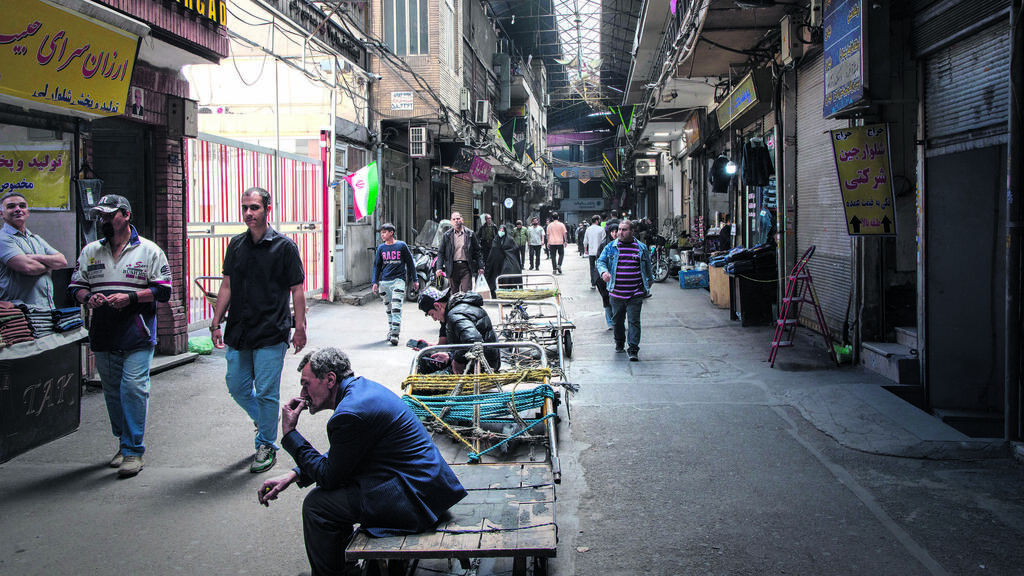
Many shops are shuttered
(Photo: Majid Saeedi/Getty Images)
“There are Iranian citizens undergoing chemotherapy for cancer,” a doctor from Tehran told Iran International. “They came for their first treatment before the war, and they are supposed to come for treatment every 21 days. Many patients did not come for their third or fourth treatment because they could not afford the new price.” Over-the-counter medications have risen by more than 90%. “So if someone has a headache or a cold,” the doctor said, “they simply wait for it to pass.”
Criticism on live television
The severity of the situation can also be seen in the response from bodies considered close to the authorities and the regime. Television networks and news agencies are usually busy praising the regime, glorifying it, deflecting any hint of criticism and blaming others, mainly Israel and the United States. Not this time. Even television figures have taken off the gloves.
“What is happening in our country, Mr. Pezeshkian?” television presenter Elmira Sharifi demanded in a direct appeal to the country’s leader. Looking straight into the camera, she continued: “Many households cannot afford basic goods such as cooking oil, rice, sugar, dairy products and medicine. What is happening in your country, Mr. Pezeshkian?” It was a stunning television moment for Iran. No one speaks that directly to the country’s leaders, and certainly no one criticizes them so openly in public while demanding accountability. But Sharifi is only part of a media tsunami criticizing the authorities and demanding answers, echoing the questions being asked by helpless citizens.
Pezeshkian is far from solely responsible for the situation. He took office amid soaring unemployment, rising inflation, a budget deficit and product shortages. The war merely accelerated the process. The criticism of Pezeshkian is mainly over his slow handling of a crisis that requires immediate responses.
One of the regime’s solutions was to ask pharmacies and supermarkets to sell customers essential goods on credit rather than for cash and collect payment within two months. Another proposal was to provide citizens with subsidies for essential purchases. The problem is that the arrangement with supermarkets depends on the goodwill of chain executives, while the subsidies amount to $7 per citizen. It is both too slow a response and one that does not meet residents’ needs.
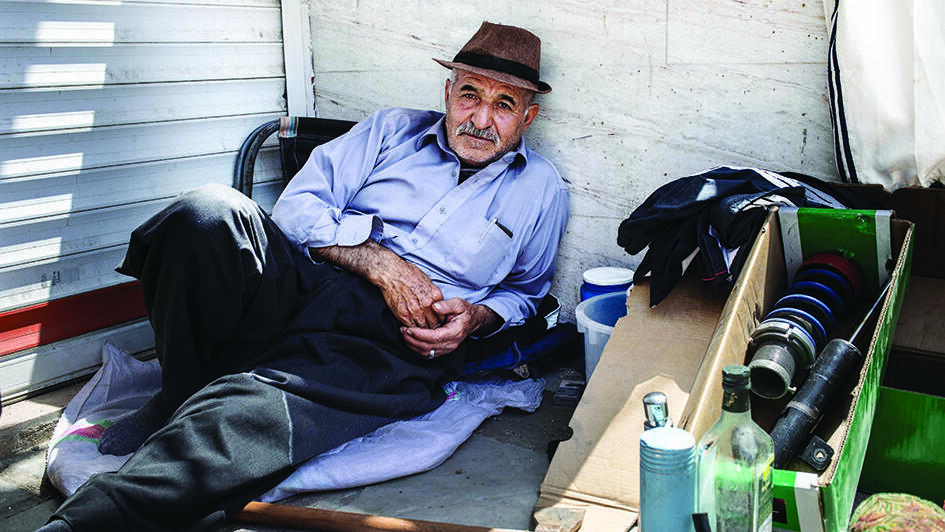
An Iranian man sells old items to make a living
(Photo: Refik Tekin/Shutterstock)
For older residents, these proposals are a déjà vu from a past economic crisis: This is precisely how Iranian authorities tried to address residents’ economic problems and hardships during the Iran-Iraq War in the 1980s.
“It is impossible to know where the situation will develop,” an opinion article in Ettela’at, a newspaper close to the regime, said. “Perhaps there will be a continuation of the ceasefire, a naval conflict or an all-out war. But this government must continue, on a daily basis, to meet the needs of 90 million Iranians for food, education, medical services, security, transportation, housing, communications, welfare and essential services. This requires round-the-clock work, planning and the ability to improvise and find creative solutions. This government needs a new economic plan for the new reality and must implement it urgently. But it is not certain that this can happen under this regime, especially a regime that is supposed to be occupied every day with war and negotiations with the United States.”
First published: 11:34, 05.05.26