

The war has ended for now, at least partially, but the economic war is in full swing — and price hikes are returning. Fuel is becoming more expensive again, approaching an all-time high, alongside dairy products and rent, with a long list of food items also in line for increases.
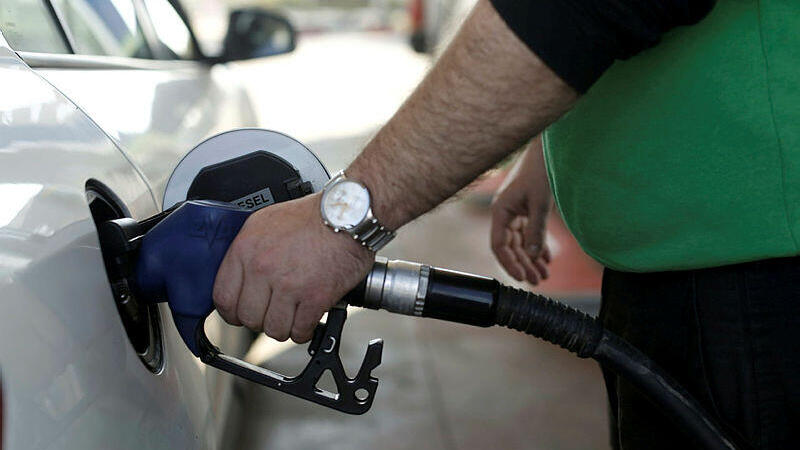
At midnight Thursday, fuel prices in Israel will rise by 2 agorot to 8.07 shekels per liter of self-service 95-octane gasoline. The increase follows the sharp rise on April 1, when the price of a liter of gasoline jumped by 1.03 shekels, crossing the 8-shekel threshold for the first time in years.
The rise in fuel prices will have a significant effect on the April consumer price index, which will be published in two weeks, on May 15, and is expected to be especially high, rising by 1.3% to 1.5%. Such a sharp increase would push Israel’s annual inflation rate back above 2%, since the April 2025 index rose by “only” 1.1%.
That means annual inflation will rise from 1.9% to 2.1%-2.3%, likely preventing the Bank of Israel’s Monetary Committee from cutting interest rates at its next decision on May 25.
The April index is also expected to be affected by a sharp rise in agricultural produce prices over the past month, a trend expected to continue in May. The increase stems in part from a lack of fruit and vegetable imports to Israel, as there had been in the past from Turkey, the Gaza Strip and Jordan.
Substitutes from Europe are expensive, while crops near the Lebanon border and in the Gaza border communities have been damaged and greatly reduced because of the prolonged war.
A significant share
Additional price increases that will weigh on Israeli consumers’ pockets and bank accounts are in dairy products. State-regulated dairy products will become 1% more expensive starting Friday. As a result, Tnuva announced that beginning Sunday it will raise prices of shelf-stable milk and unregulated white cheeses by about 1.2%. It also said it would raise butter prices by 4.8%.
Tara Dairy is also raising prices of unregulated dairy products by an average of 2.3%, doing so immediately after Shavuot. Tara butter will rise by 2.9%. Gad Dairy also announced that from June 1 it will raise dairy product prices by an average of 1.9%.
Dairy products account for a very significant share of the Israeli family’s consumption basket, especially among weaker and larger families, meaning the increase amounts to dozens of shekels a month for an average family. Additional companies plan to raise prices of dairy products and unregulated food products by 3%-5% over the next two months.
Rent is climbing
According to economists’ estimates, due to growing excess demand, mainly in central Israel, rent prices are expected to rise in the coming months by at least 5%-6%, especially ahead of the main months for tenant turnover and new lease signings during the “summer vacation” period in July and August.
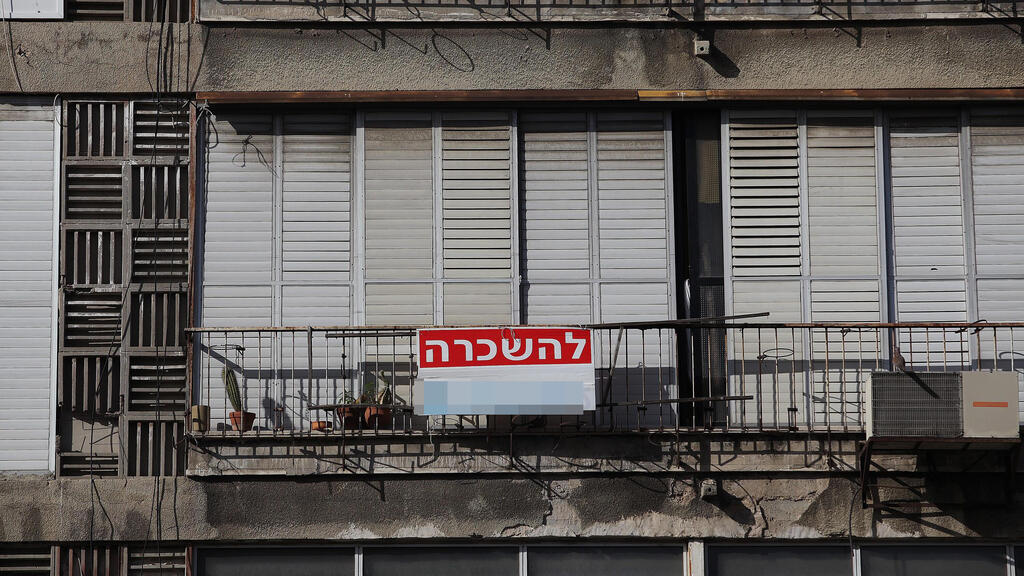
'For Rent' sign on an apartment in Tel Aviv
(Photo: Orel Cohen)
The decline in the dollar exchange rate should have helped lower import prices, but many retailers have refrained from cutting prices since the war entered a “ceasefire,” as consumption and demand for products have been rising.
Meanwhile, banks and investment houses have already revised their 2026 inflation forecasts from 2.1% to 2.3%-2.5%. As a result, the lack of a near-term interest rate cut is expected to weigh further on households, if the Bank of Israel does indeed refrain from lowering rates at its next decision, as forecasts indicate.
Another source of concern worldwide and in Israel stems from the continuing crisis over the closure of the Strait of Hormuz, which is already causing a renewed rise in global oil prices. That follows a decline over the past two weeks from about $110 a barrel to $85-$90. In recent days, however, the price per barrel has again climbed above $100 and is approaching $120. The implication: high prices for flights.
Flight prices have risen since Operation Roaring Lion, as almost only Israeli airlines are operating routes to many countries, including distant destinations such as the United States, Canada, Japan and countries in East Asia, and are charging high prices.