


Three years after the October 7 Hamas attack, the pain of that morning remains deeply personal for millions of Israelis. In a special commemorative episode of ALL CAPS, the conversation turns from the events that changed the country to the people whose lives were taken, the families who carry their memory and the difficult process of finding purpose after unimaginable loss.
Hosted by attorney Nitsana Darshan-Leitner, the episode brings together panelists Sarai Givaty and Titi Aynaw for a deeply personal discussion about October 7, alongside interviews with Ruby Chen, father of fallen Israeli-American soldier Itay Chen, and Iris Haim, mother of Yotam Haim, who was mistakenly killed by Israeli troops after escaping Hamas captivity in Gaza.
ALL CAPS episode 30


A morning that changed everything
The episode opens with the panelists recalling where they were when the Hamas attack began on October 7, 2023, and how the events of that morning continue to affect them.
Aynaw remembers waking to sirens while home alone with her 8-month-old son, Dorian. She rushed him into the shelter, frightened and uncertain about what was happening outside. "I just remember standing there alone with my baby and fear for his life, not even for mine," she recalls. "As a mother, you have responsibility for him first."
Gallery
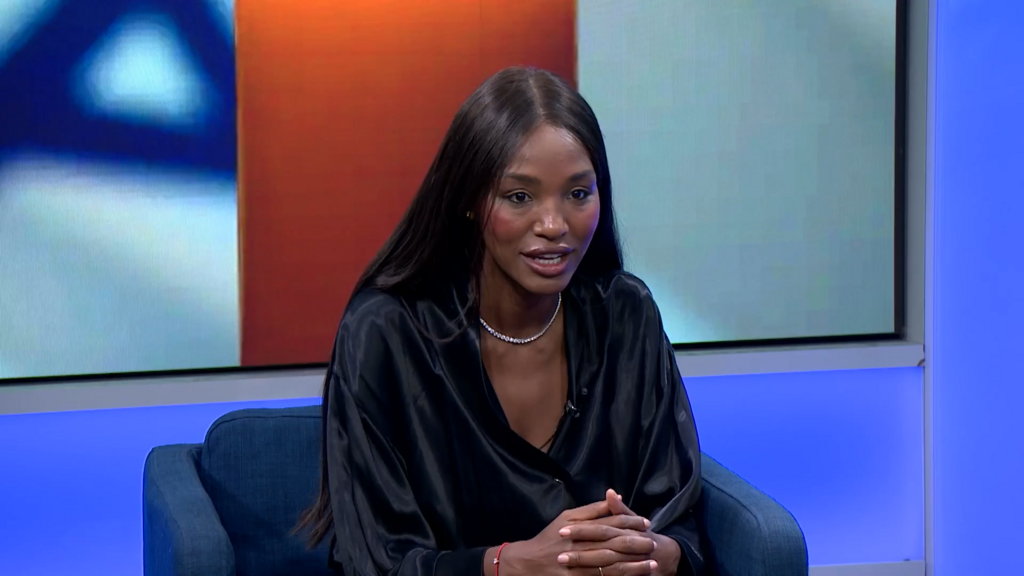
Aynaw remembers waking to sirens while home alone with her 8-month-old son
(Photo: Screenshot)
Darshan-Leitner describes a very different morning. Her home was filled with young soldiers, friends of her son, who had come to celebrate Simchat Torah. When she woke up, the soldiers told her that war had broken out. Initially, she struggled to believe them. Observing Shabbat and the holiday without television or phones, she did not immediately grasp the scale of the attack. But as the soldiers were called back to their units, including her son, it became clear that something extraordinary had happened.
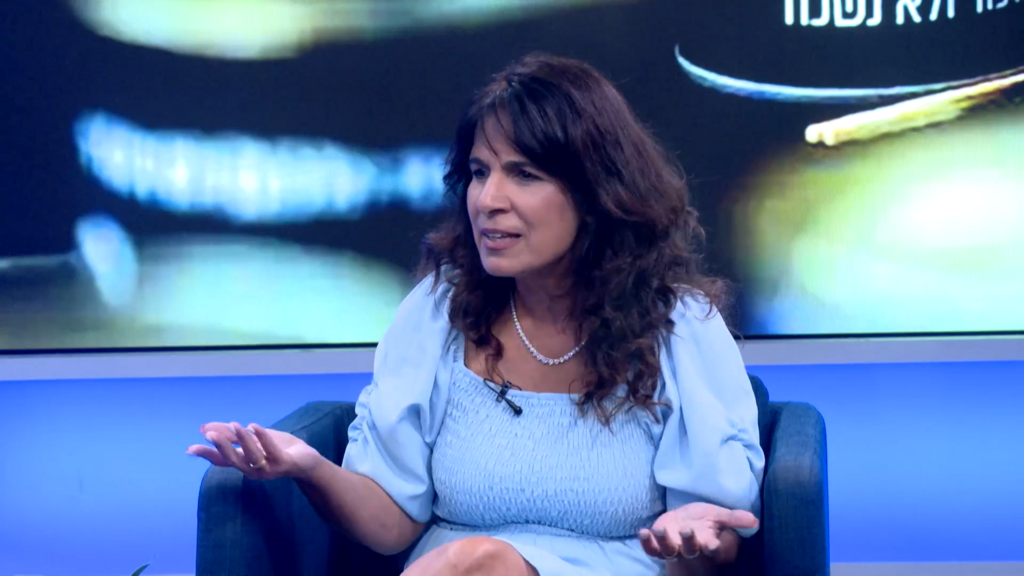
When she woke up, the soldiers told her that war had broken out
(Photo: Screenshot)
Givaty recalls the disbelief that followed her for weeks afterward. "Every morning for weeks I would wake up and think it was a dream," she says. As shock gave way to anger, she found herself struggling to watch friends abroad continue their ordinary lives. Eventually, she decided to channel those feelings into action, using her platform and professional skills to help hostage families tell their stories. "Action started being the only way out of this horror," she explains. "We're never gonna be the same again."
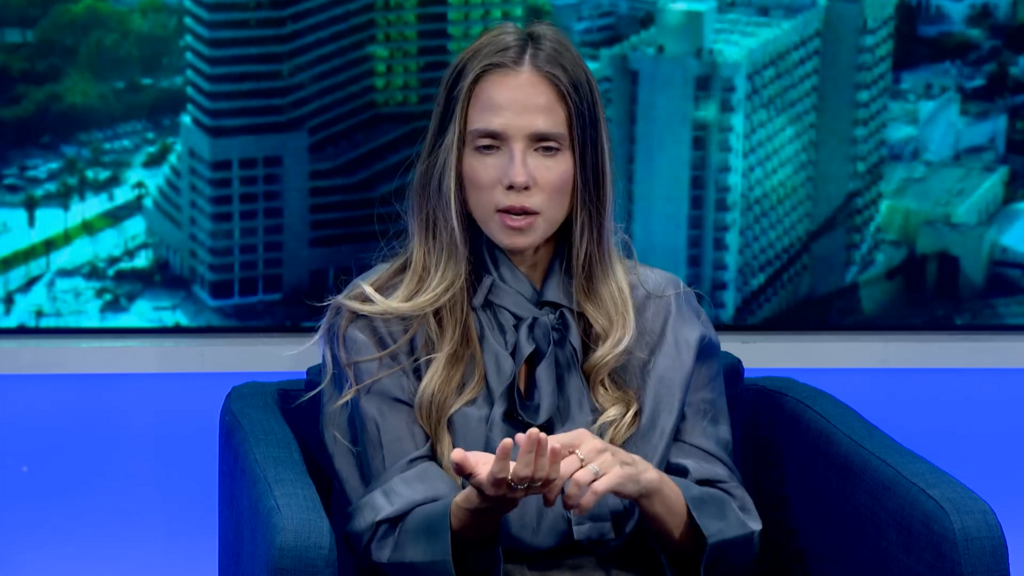
Givaty recalls the disbelief that followed her for weeks afterward
(Photo: Screenshot)
Ruby Chen: A father's fight beyond his son's return
The first guest is Ruby Chen, whose son Itay, a 19-year-old Israeli-American soldier, was killed while fighting Hamas terrorists on October 7. His remains were taken into Gaza and returned to Israel in November 2025, after more than two years.
Chen describes Itay as an independent-minded middle child who could have chosen to live in the United States or Germany, countries where he also held citizenship. Instead, influenced by his family's history as Holocaust survivors, he chose to serve in the Israeli military. "He wanted to do something that was meaningful," Chen says.
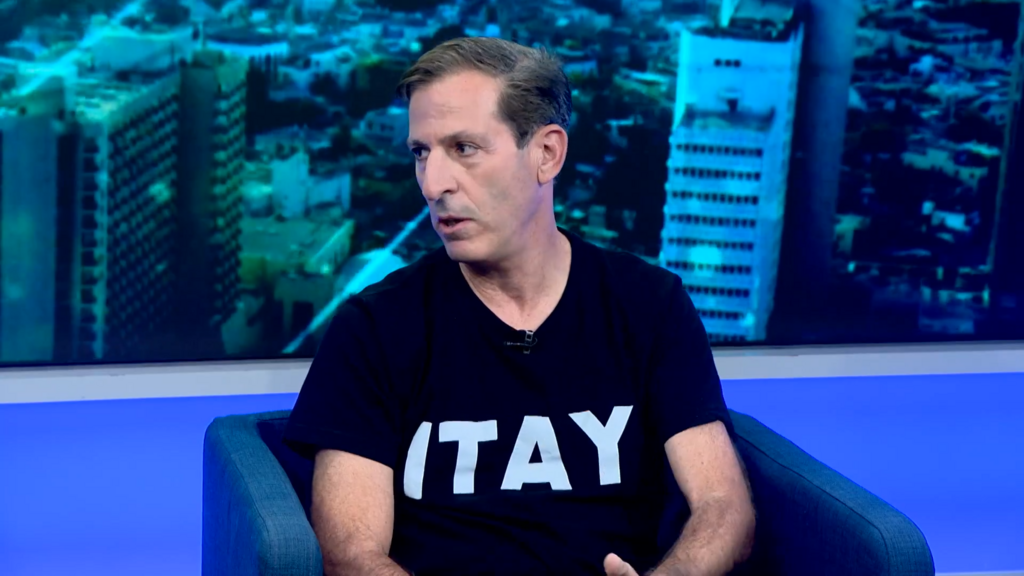
Ruby Chen, father of fallen Israeli-American soldier Itay Chen
(Photo: Screenshot)
For more than two years, Chen became one of the most recognizable voices advocating for the return of American hostages. What began as a father's desperate effort to bring his son home developed into an international campaign involving senior U.S. officials, members of Congress and successive presidential administrations.
Chen recalls how the families of American hostages were forced to assume roles they had never imagined. "The families needed to turn into diplomats and advocates," he says.
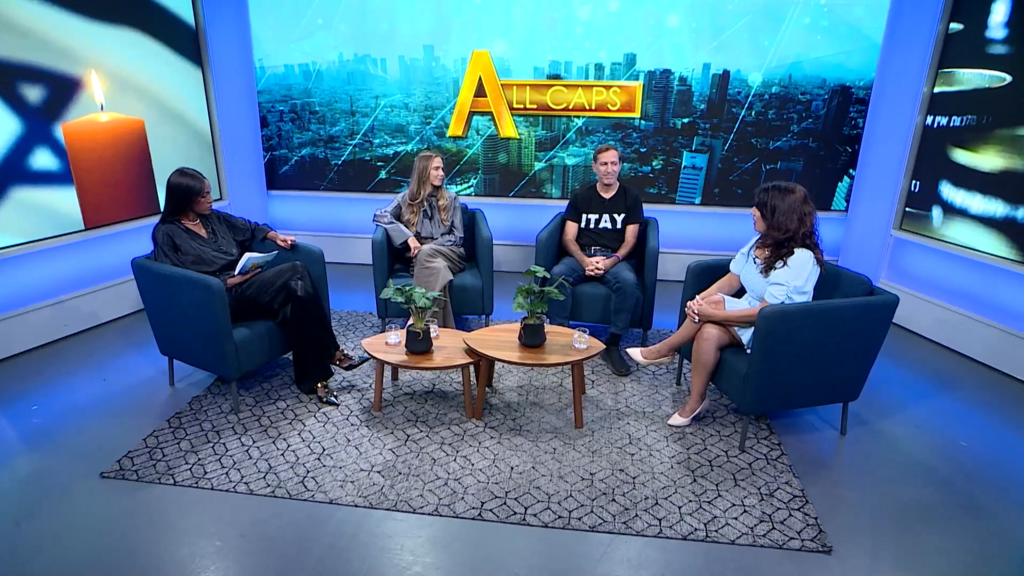
Even after Itay was returned, Chen continued his advocacy, focusing on recognition and accountability for American citizens murdered or abducted on October 7. He says many Americans remain unaware that nearly 50 U.S. citizens were killed in the attack. He is also working to secure congressional support for a memorial honoring the American victims.
(Photo: Screenshot)
But the effort comes at a personal cost. Chen describes the years spent fighting for Itay's return as a period of "suspended mourning," during which ordinary life seemed to stop. "You don't snap a finger and you go back to the previous universe," he says.
He also remembers receiving a call from the U.S. president after learning in March 2024 that Itay had been killed. "He didn't call as the president. He called as a human being," Chen says. For Chen, ensuring that his son's story remains known has become part of preserving his legacy.
Iris Haim: Choosing life after unimaginable loss
The second interview brings Iris Haim to the table to speak about her son Yotam, a 28-year-old musician from Kibbutz Kfar Aza who was abducted by Hamas on October 7. After more than two months in captivity, Yotam escaped alongside fellow hostages Alon Shamriz and Samer Talalka. All three were mistakenly killed by IDF soldiers in Gaza's Shejaiya neighborhood on December 15, 2023.
Haim explains that from the earliest days of his captivity, she refused to let her son be defined solely by what had happened to him. "I said Yotam is a person and he is in captivity now," she recalls. "He's a musician."
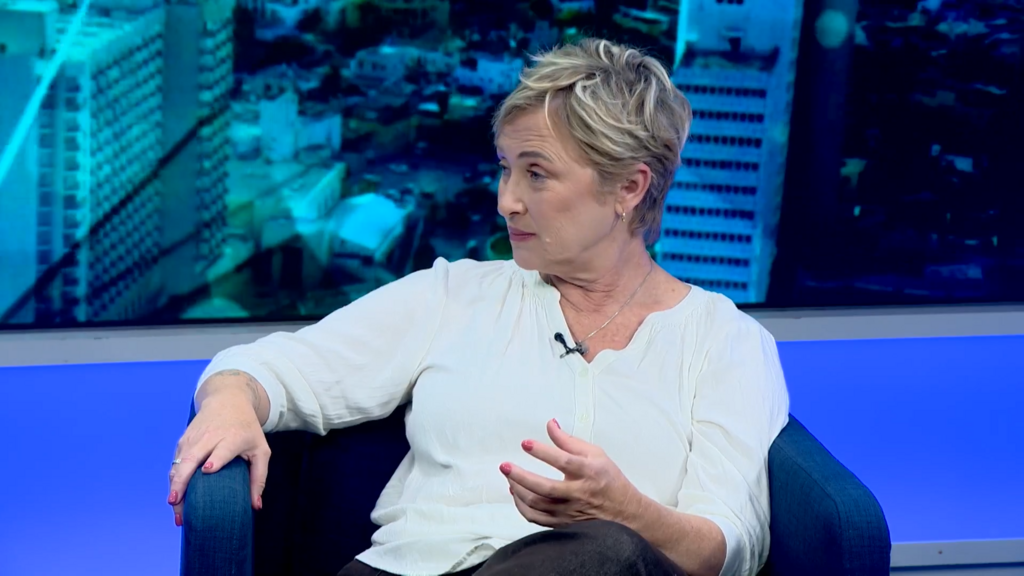
Iris Haim, mother of Yotam Haim, who was mistakenly killed by Israeli troops after escaping Hamas captivity in Gaza
(Photo: Screenshot)
She describes a young man who faced significant personal and medical challenges, but remained funny, athletic, creative and determined. If she had to describe him in one sentence today, she says, it would be as someone who never gave up.
That determination, she believes, explains why he and the two other hostages attempted to escape rather than wait for rescue. "I'm not able to call him a victim," Haim says. "I'm calling him a hero."
Following Yotam's death, Haim drew public attention when she sent a message of support to the soldiers involved in the fatal shooting. Three years later, she says she does not regret her words. "I'm not regretting any words that I said," she explains, reflecting on the impact her message had on the soldiers.
Haim, a palliative care nurse by profession, also speaks openly about how losing her son transformed her understanding of death and grief. Rather than speaking about Yotam exclusively in the past tense, she describes an enduring spiritual connection to him.
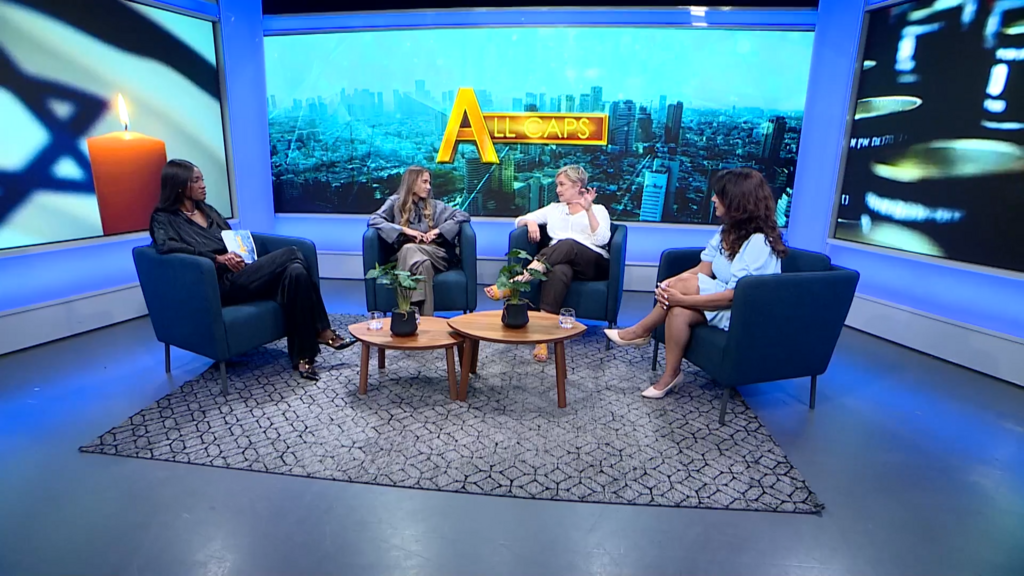
That outlook also shapes her efforts to establish Beit Yotam, a music school intended to provide professional training and emotional support for people facing challenges similar to those her son experienced.
(Photo: Screenshot)
Yotam was a drummer who had been accepted to Israel's Rimon School of Music shortly before October 7. His mother hopes the project will give others the opportunity to pursue their musical ambitions in a supportive environment. "I think this long way is giving me the meaning to wake up in the morning," she says. "I'm not waking up to hate, to be angry, to blame."
The conversation also addresses the family's court approval to use Yotam's preserved sperm, raising the possibility of fulfilling his wish to become a father. Haim says the decision has opened a door for other bereaved families, although she believes her own family will need time before taking the next step.
Asked what she most wants viewers to remember about Yotam, Haim shares words discovered on an old phone he used when he was 21. "Look each other in the eyes. Say a nice word. Don't judge. It can help." For Haim, those simple instructions are a legacy worth carrying forward.
Three candles, three acts of remembrance
The episode concludes with a memorial candle-lighting ceremony honoring some of those murdered on October 7.
Givati dedicates her candle to Amit Mann, the young Magen David Adom paramedic who continued treating wounded people at Kibbutz Be'eri during the Hamas attack until she was killed.
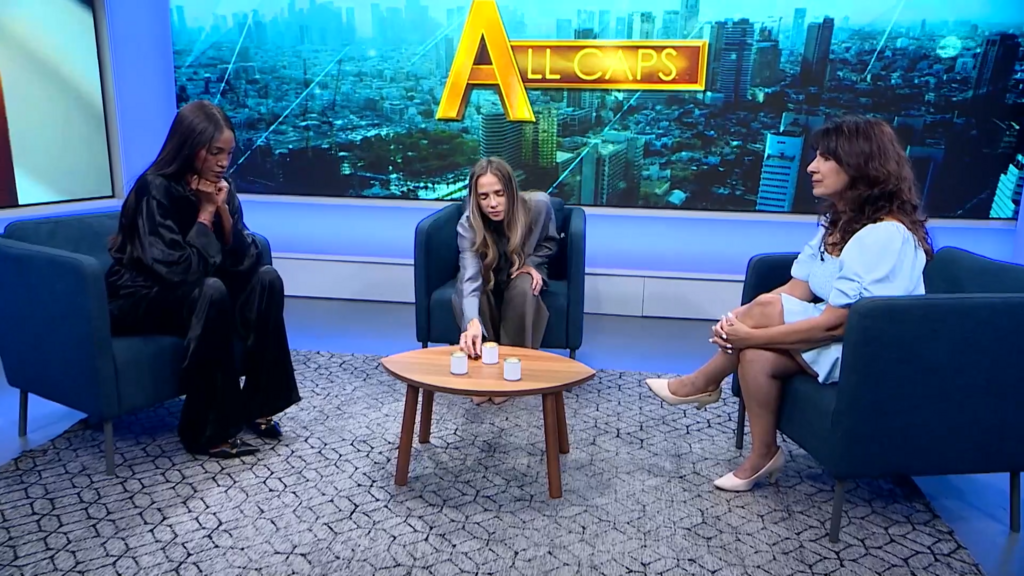
The episode concludes with a memorial candle-lighting ceremony
(Photo: Screenshot)
Aynaw lights a candle in memory of Shiri Bibas and her two young sons, Ariel and Kfir, whose abduction became one of the most haunting images of October 7. Remembering the photograph of Shiri holding her children as they were taken into Gaza, Aynaw describes an image that has remained with her as a mother. "I want to remember her as a strong mother," she says.
Darshan-Leitner honors Sgt. Tomer Nagar, who was killed while defending the area near Kibbutz Kissufim. Nagar remained at his position and fought Hamas terrorists, providing covering fire for fellow soldiers despite the overwhelming assault.
Through these three tributes, the panel moves from the personal memories of October 7 to the individual lives and acts of courage that continue to shape its remembrance. Closing the special episode, Darshan-Leitner reflects on the responsibility to honor those who died and support those left behind.
"We remember those we lost, honor those who fought and sacrificed, and stand with the families whose lives were changed forever," she says. "We carry their stories with us and we keep moving forward."
Watch the full episode of ALL CAPS featuring Nitsana Darshan-Leitner, Sarai Givaty and Titi Ayanaw for more unfiltered conversations, exclusive interviews and analysis of the stories shaping Israel and the Jewish world.
To learn more about Shurat HaDin's efforts to fight terrorism and defend Israel through legal action, visit Shurat HaDin – Israel Law Center.