


Intense heat waves have struck France, Spain, Italy and other European countries with increasing frequency in recent years, and many are searching for solutions that would allow their agricultural systems to continue operating and producing food under harsher climate conditions.
At the Ofaimme Farm, located in Moshav Idan in the Arava region, one of the hottest areas in the country, applied work is being carried out that may offer part of the answer. For years, the site has focused on breeding goats capable of producing milk even in extreme heat conditions. The work is led by Eitan Bar-Ness, founder of the company CANAAN, which specializes in genetic adaptation of livestock to a changing climate, in cooperation with researchers from the Volcani Institute.
The Ofaimme Farm, located in Moshav Idan in the Arava region
(Eitan Bar-Ness)


The farm raises goats from two European breeds, the French Alpine and the Spanish Murciano-Granadina, both known for high milk yields. When these animals are exposed to the environmental conditions of the Arava, differences between them become apparent. Some goats struggle to adapt and at times die, while others survive and continue producing impressive amounts of milk even under extreme heat stress.
To understand why, the farm collects data from every milking session, twice a day, over many years. In addition, each family relationship is documented, allowing researchers to identify which traits are passed from parents to offspring. Much like evolution in nature, the best adapted reproduce while the less suited do not persist. Here, however, through selective breeding, evolution is accelerated and made more efficient than in nature.
Gallery
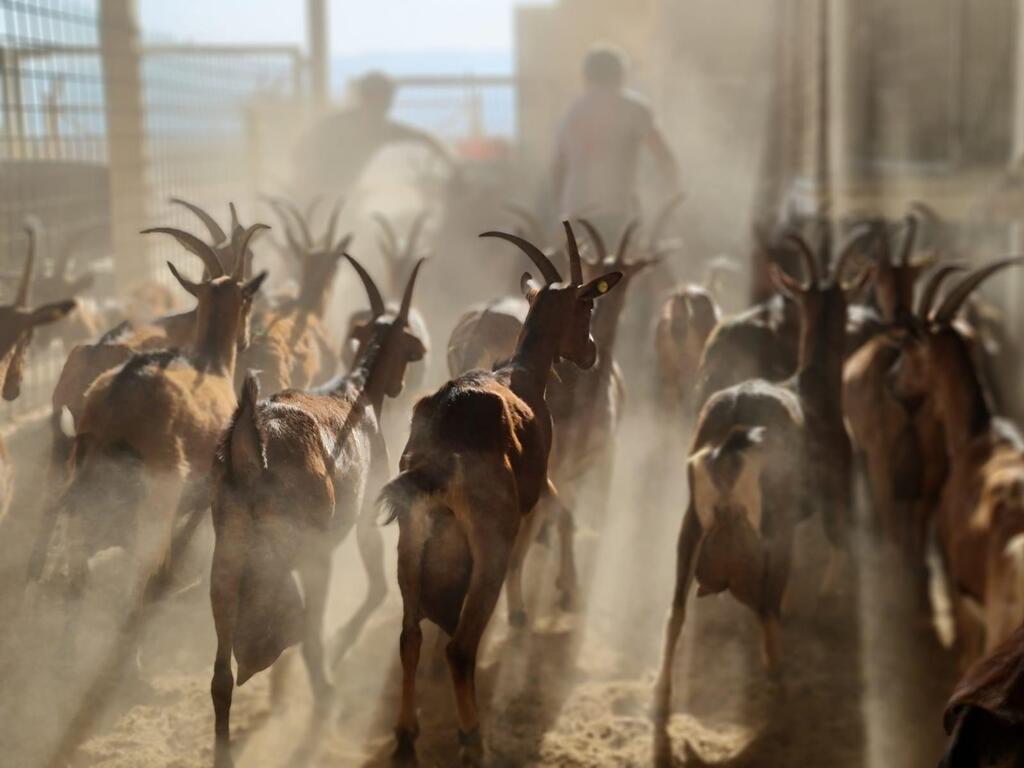
The farm has focused on breeding goats capable of producing milk even in extreme heat conditions
(Photo: Eitan Bar-Ness)
“If a goat manages to maintain high milk production, conceive, give birth and remain healthy over time despite the heat, we want to understand what gives it that advantage and whether it can be passed on to future generations,” Bar-Ness explained.
One of the company’s most important assets is a genetic database that includes more than 200 samples of Israeli sheep and goats, animals that developed over hundreds and even thousands of years in hot, dry conditions with limited water. There is growing interest in this database from livestock breeders, researchers and agricultural organizations around the world, as it may contain traits that are becoming more relevant than ever.
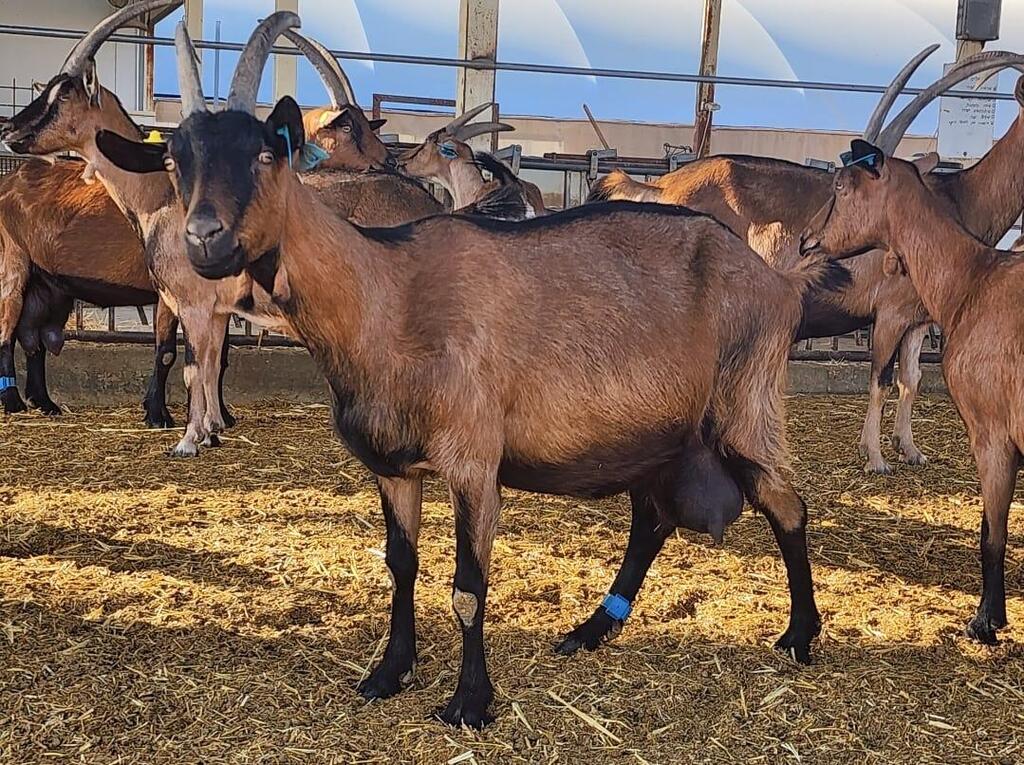
The farm raises goats from two European breeds, the French Alpine and the Spanish Murciano-Granadina, both known for high milk yields
(Photo: Eitan Bar-Ness)
“While some European countries are only beginning to face climate conditions they have not previously known, these animals are already adapted to such environments,” Bar-Ness said. “For us, this is not only genetic conservation, but also the creation of tools that can help global food production in the coming decades.”
He said that in recent years there have been attempts to export dairy cows and goats from Europe to Africa, but the animals did not survive in the new environment. It turns out that livestock must undergo adaptation over several generations in order to adjust to such regions.
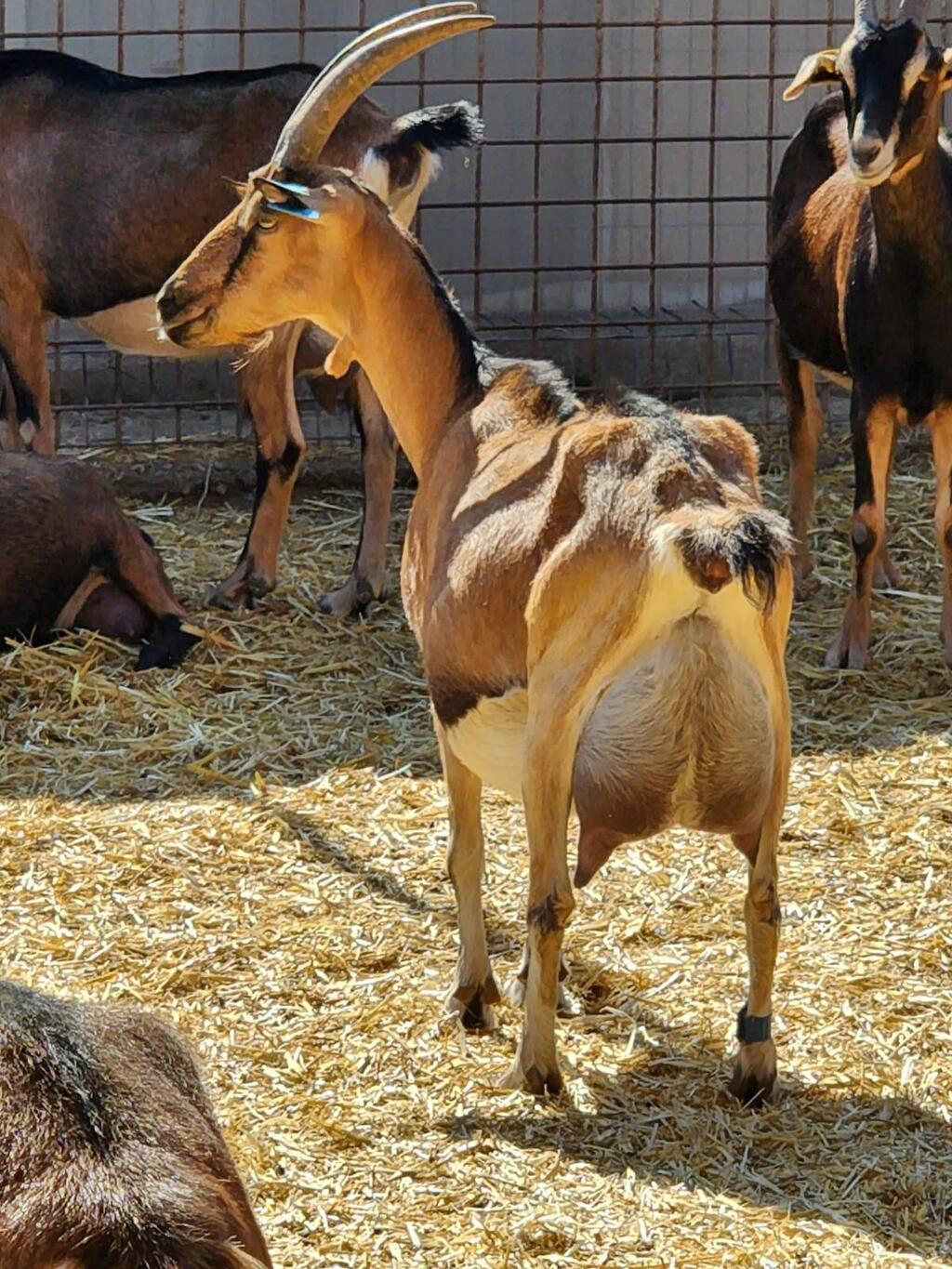
One of the company’s most important assets is a genetic database that includes more than 200 samples of Israeli sheep and goats
(Photo: Eitan Bar-Ness)
“In a world where temperatures continue to rise, adapting livestock to their environment is not a luxury but a necessity,” he said. “The challenge is not only to preserve animals but to ensure that we can continue producing food in the quantities needed for a growing population in the future. In the past, the question was how to increase milk yield. Today more and more stakeholders are asking what their herd should look like in 20 or 30 years.”
“I receive inquiries from different countries that are already dealing with extreme heat waves, declining fertility and increasing heat stress in livestock. They understand that reality is changing and that preparation must begin now. For countries that depend on the production of milk, meat and animal products, the ability to develop livestock better suited to heat conditions may become a strategic asset in the coming years.”
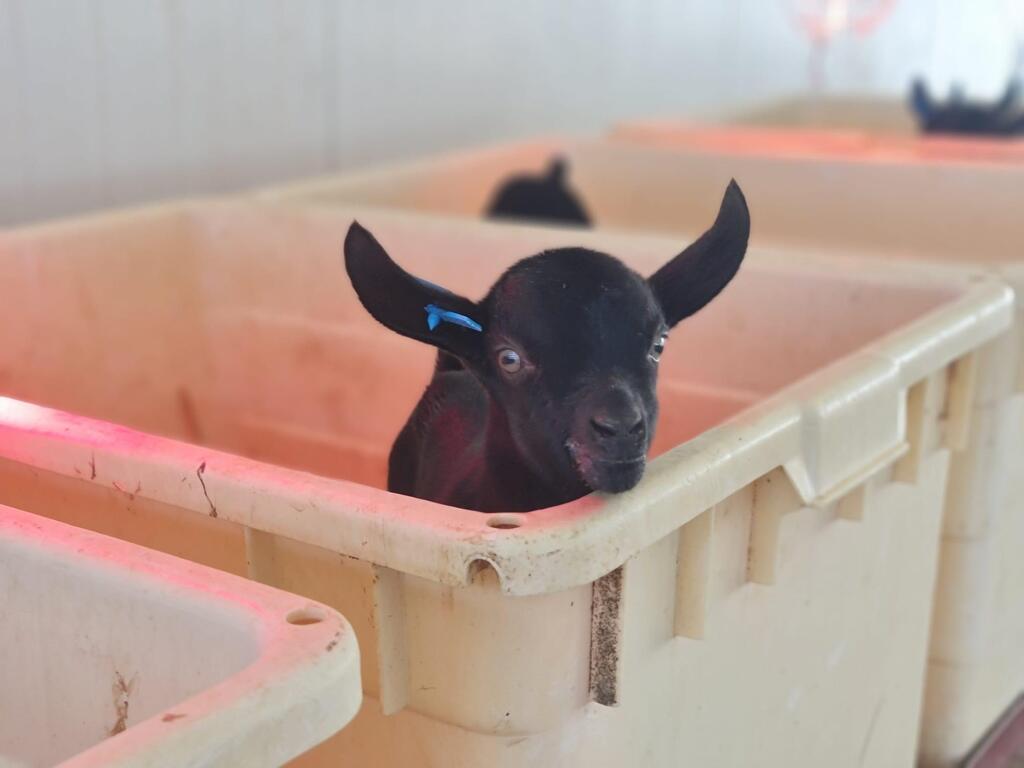
In recent years there have been attempts to export dairy cows and goats from Europe to Africa
(Photo: Eitan Bar-Ness)
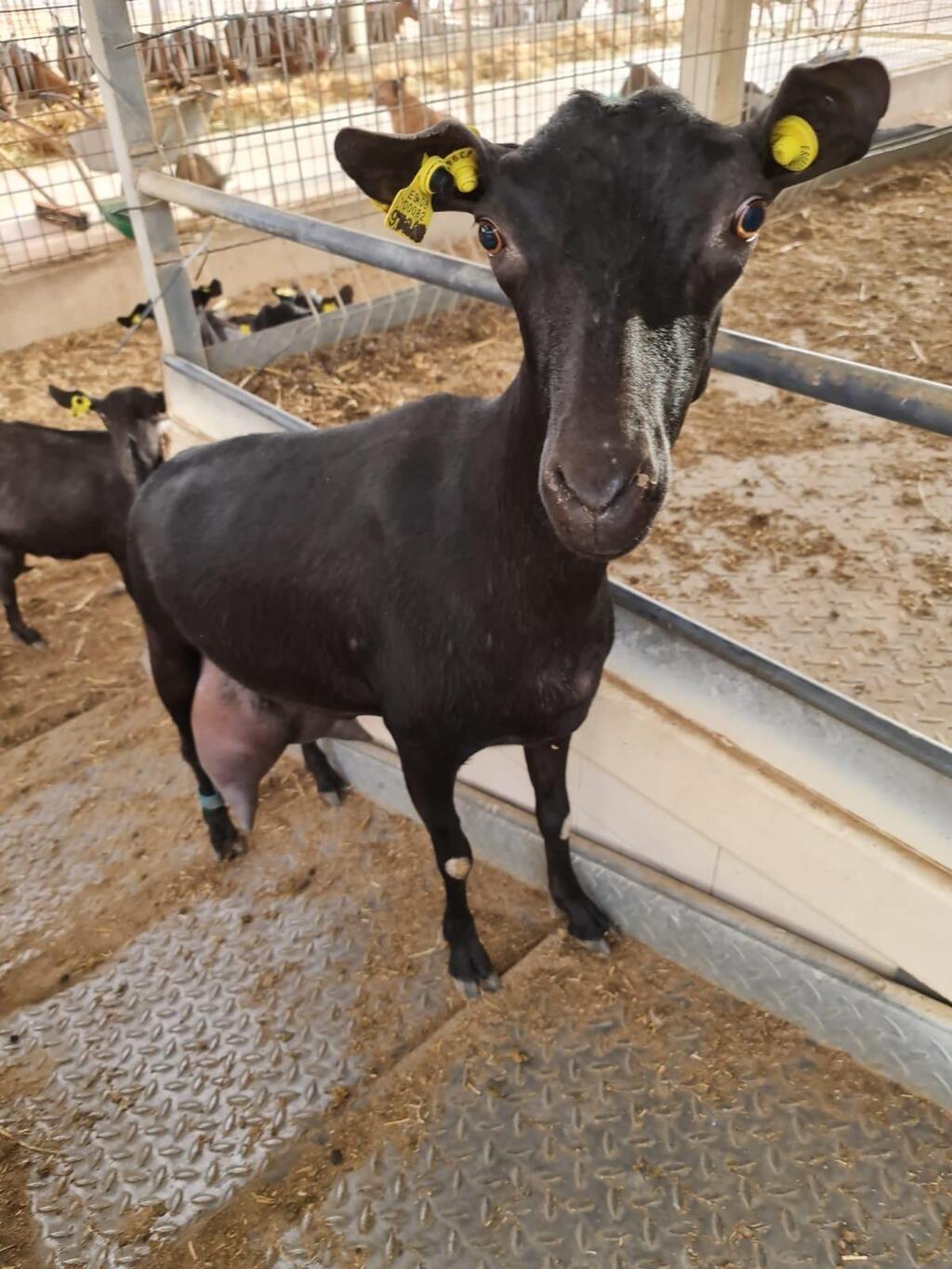
'Reality is changing and that preparation must begin now'
(Photo: Eitan Bar-Ness)