

You’ve probably already heard about the success of the Israeli food scene in Miami, which recently made headlines after the kosher restaurant Mutra earned a Michelin star. But you are about to read, likely for the first time, about the scale of its power and presence in the city’s culinary landscape. Naturally, the initial focus fell on the lucky winners of the coveted title, but a deeper look at what is happening in Miami and its suburbs leads to clear and rather astonishing conclusions, especially given that most Israelis are completely unaware of the culinary ecosystem taking shape thousands of kilometers away.
Following the massive World Cup celebrations, I ended up in Miami. It is a city that offers a striking mosaic of American multiculturalism at its best. Skyscrapers and business centers that project endless wealth stand alongside beautiful beaches, palm trees and distinctive architecture. Above all, it serves as a true gateway to Latin America, with a strong presence of Spanish speakers from neighboring countries. Into this environment, especially after the COVID period, more and more Israelis began arriving, leaving their previous homes (mainly New York) and relocating to Florida. Something about the city’s ability to embrace difference and accept others opened the door to Israelis without judging them or their origins, and they in turn embraced the opportunity.
Gallery
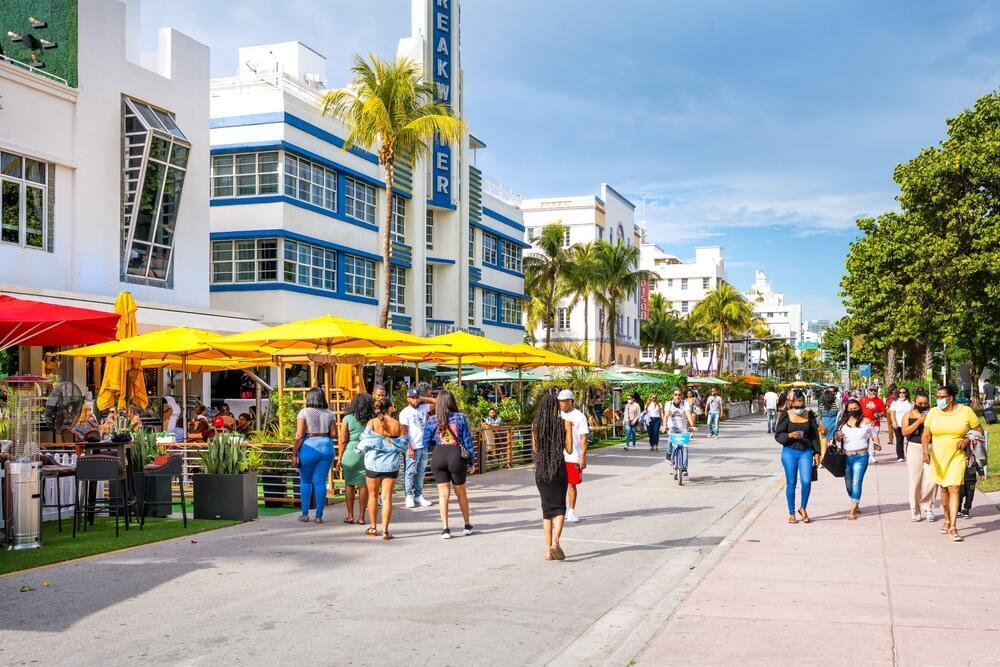
You’ve probably already heard about the success of the Israeli food scene in Miami
(Photo: Andriy Blokhin / shutterstock)
Upon landing in the city, the first goal was to get to the much-talked-about Mutra. But naturally, the next available table for two would only be found, and barely so, after the holidays. So we gave up and, in effect, discovered an entire world. A quick Google Maps search revealed an astonishing phenomenon: dozens, if not more, Israeli and Jewish-owned food businesses. The names, to put it mildly, are funny and not particularly creative, but they clearly deliver, given how many there are: Motek, Yalla, Achla, Sababa, Imale, Abale. And this is only a partial list.
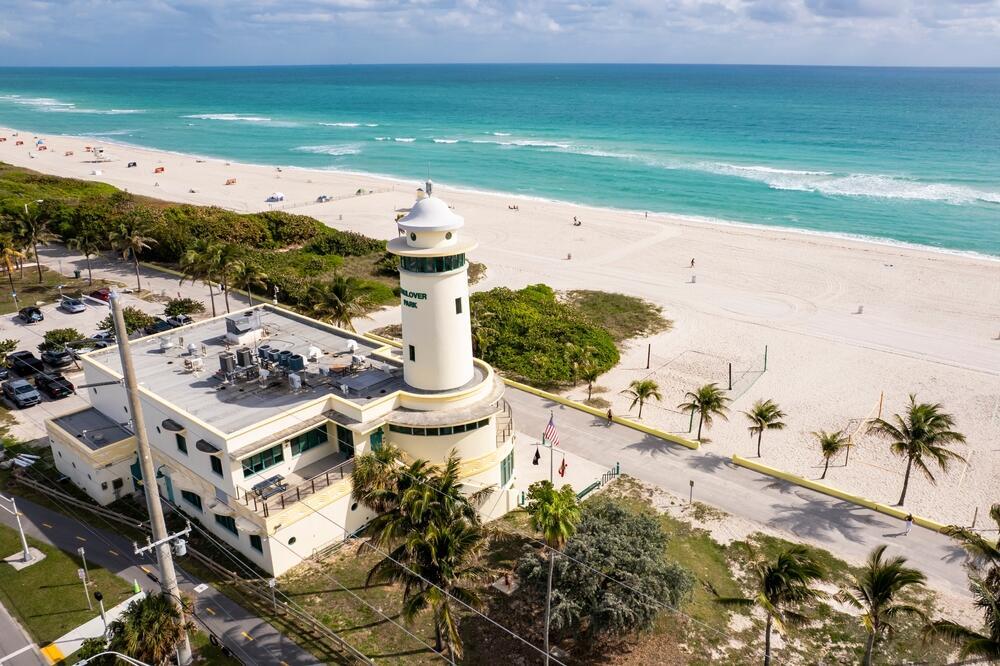
While driving along the long roads of Aventura, an upscale Miami suburb known for its large Jewish community
(Photo: MDV Edwards / shutterstock)
All of it is real, all of it is visible, and all of it claims to bring an Israeli culinary message or meet the craving and nostalgia of Miami’s growing Israeli community. It is hard to think of another place outside Israel with such a dense concentration of Israeli or Jewish-owned food businesses, certainly not ones that so openly and proudly project their Israeliness and Jewish identity. At a time when Israelis are often expected to tone down their visibility abroad, Miami tells a different and more extreme story. So we set out on a journey to map key locations and try to understand what it is about this city that draws Israelis and makes them raise their identity with such pride.
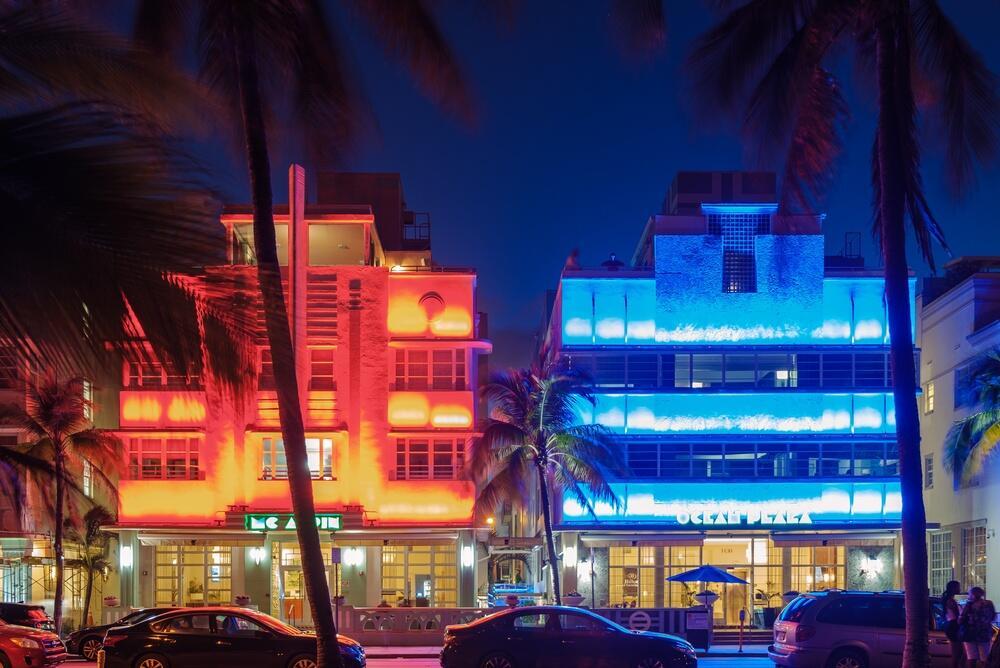
מיאמי, פלורידה, ארצות הברית
(צילום: fokke baarssen / shutterstock)
Rugelach facing the ocean
We arrived at the first stop almost by chance. While driving along the long roads of Aventura, an upscale Miami suburb known for its large Jewish community, we came across a typical strip mall on the edge of a multi-lane highway. Six businesses operated there, all Jewish-owned and clearly advertising their kosher status: a barber, a kiosk, a pizzeria, a deli, and a café that looked lively and welcoming. Its name was HaDekel (“The Palm Tree”). We went in.
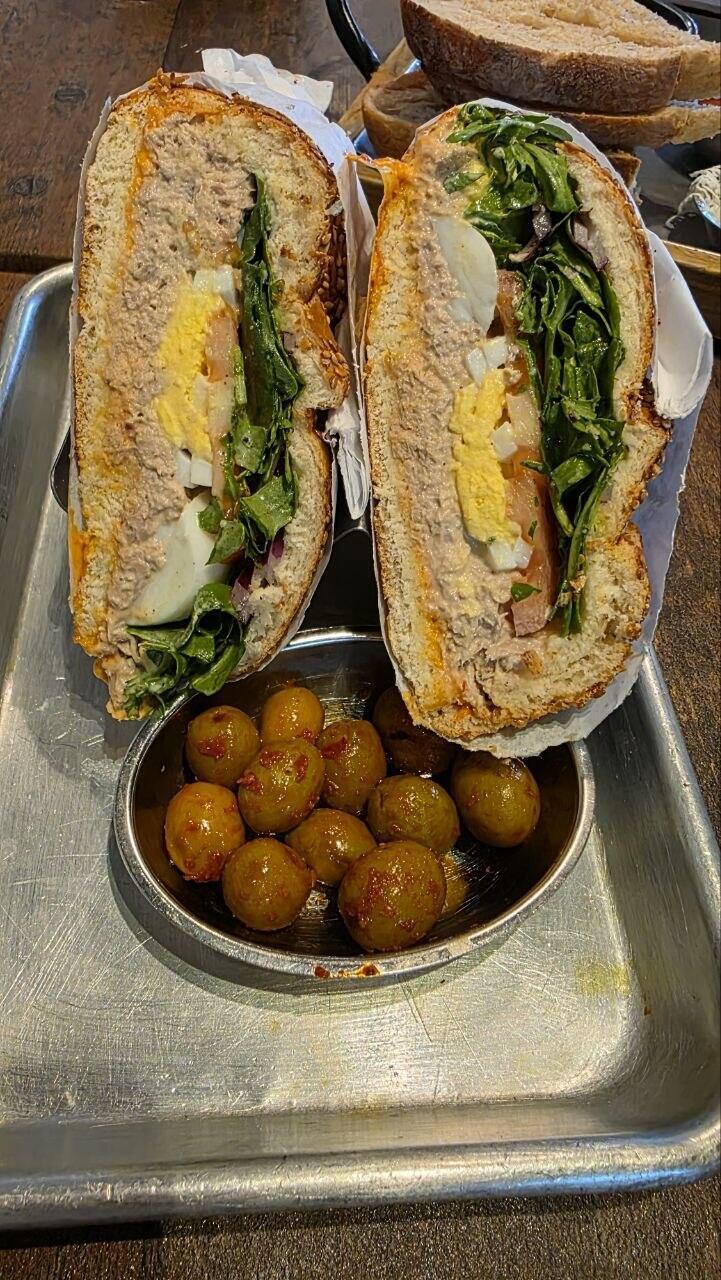
Both the name and the Hebrew signage left no doubt about the identity of the place, which offers good coffee and, above all, familiar breakfast meals and pastries: bourekas, rugelach, and signature dishes like the local ziva and sabich. The first is a spiral pastry with salty cheese and spinach baked to perfection and topped with sesame seeds. The second is a fluffy pita filled with all the familiar ingredients: fried eggplant, vegetables, egg, potatoes and generous amounts of tahini and amba.
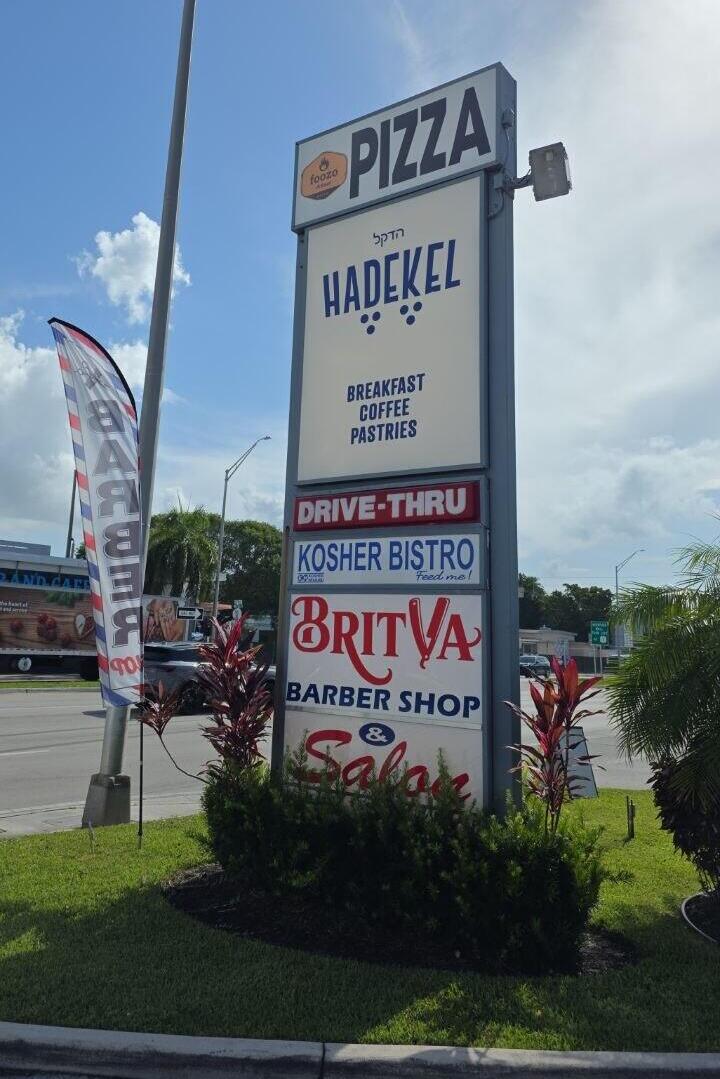
Its name was HaDekel. We went in
(Photo: Yonatan Cohen)
“It was clear to me that amba would work in Miami,” said Assaf Hadad, the man behind the place. “The sour and spicy flavor profile also reminds Israelis of home and fits the diverse palate of the Latin American community here, and I was right.” Hadad, who grew up in Ariel and is a devoted Maccabi Tel Aviv fan, has lived in Miami for 23 years. He worked across multiple restaurants in different roles before moving to ownership and now offers a rich Israeli experience for anyone who wants it.
But when talking about kosher bakery institutions, it is impossible to ignore what many consider the pioneer in the field: Zack Stern, who opened Zak the Baker a few years ago in the heart of Wynwood. Stern regularly draws long lines of Miami residents.
'The sour and spicy flavor profile also reminds Israelis of home'
(Photo: Yonatan Cohen)
The crowd there is as diverse as it gets: ultra-Orthodox visitors with beards and head coverings, passing tourists, and Americans who understand this might be the coolest bakery in the city. It is an open, glass-front bakery proudly displaying its kosher certificate, offering giant challah loaves and acclaimed babka cakes. Near the restrooms, you will also notice ritual hand-washing stations. A must-visit for fans of the genre.
Home-style pots and stews
The home-cooked food scene also has several major players. Despite ongoing debates among locals about who leads the category, we chose to focus on the impressive operation of Eden Ben David in the Hollywood neighborhood. The place is called Pala, named after Ben David’s grandmother, who runs it and has been taking over the area for the past three years. It offers daily rotating dishes with Moroccan influences and more, cooked slowly in large pots. Couscous, meat and fish patties, beef cuts, cigars, a colorful salad spread, and of course the schnitzel-in-brioche with fried eggplant, matbucha and red cabbage in mayonnaise. The flavors are excellent, and any Israeli missing home cooking will find exactly what they are looking for at Pala, as will Americans trying to understand Israeli Mediterranean cuisine.
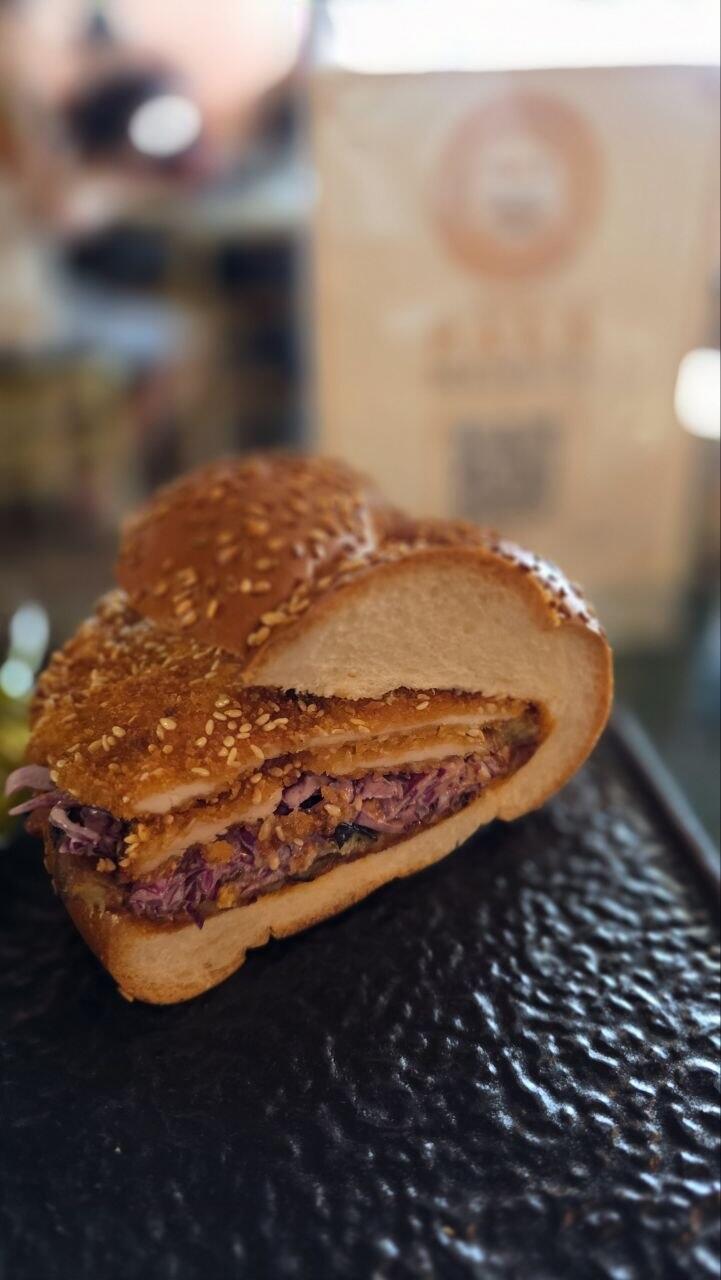
The flavors are excellent, and any Israeli missing home cooking will find exactly what they are looking for at Pala
(Photo: Yonatan Cohen)
Eden and her husband arrived in Miami 17 years ago. After the usual start selling goods in mall kiosks, they realized cooking was their true calling. They now operate with great success and recently signed a partnership with one of the major supermarket chains in the area to supply prepared meals daily. What stands out most at Pala is the execution, which produces outstanding flavors. Where Israelis abroad once had to compromise due to ingredient limitations or lack of skill, that is no longer the case. What Ben David offers is a very high standard, and even in Israel only a few places could compete.
A similar story, though slightly different in style, can be told about Kubabas, a young new venture by Mor Meroz, formerly from Jerusalem, who turned his endless longing for Friday kubbeh in the capital into a business built around authentic experience. The flavors immediately transport you to Jerusalem’s Mahane Yehuda Market. What began as home cooking and small-scale sales has become the first kubbeh factory in the United States. Frozen kubbeh for home use, sambusak, cigars and kada, and on Fridays you can order hummusta and beet soups for delivery. The products are now sold in major supermarket chains across Florida and meet a standard that would satisfy any Kurdish grandmother from the hills of Jerusalem.
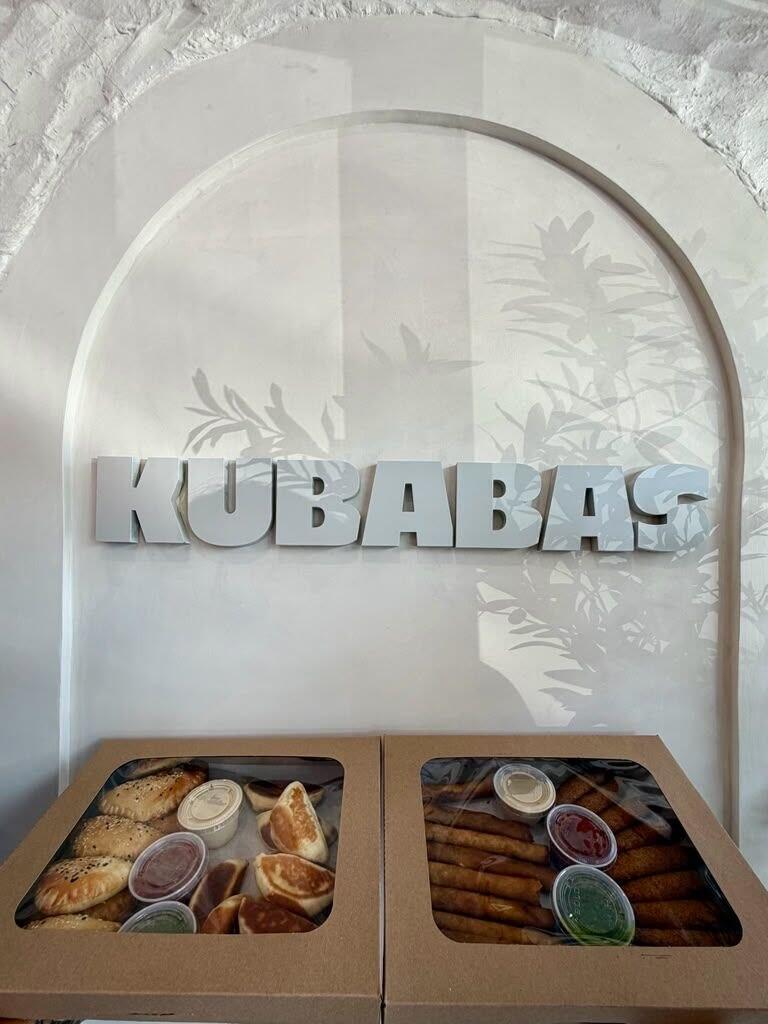
Kubabas, a young new venture by Mor Meroz
(Photo: Yonatan Cohen)
From shawarma stalls to Michelin stars
When the market is so active and thriving, it is only natural that well-known Israeli chains also recognize the potential and rush to replicate their success abroad. Cafe Landwer is already here, the Reuben sandwich chain has arrived as well, the popular Pitmaster meat restaurant group is in the final stages of opening its first branch overseas, and even the Jerusalem bakery empire Mishmar HaShikh is expected to open after the holidays. It is likely that more familiar names have also quietly established a presence in the city.
One of the strongest players in its field is the local branch of Dabush Shawarma, which many Israelis consider among the best in its category, despite strong competition from numerous local grilled-meat and pita-style restaurants. Dabush, a long-established shawarma chain operating mainly in central Israel, arrived in Miami a few years ago. The franchise is operated by Omri Avrahami, originally from Kiryat Shmona, who worked for years in the Tel Aviv branch. After meeting his wife in New York and moving with her to Florida, he decided to leverage his expertise and open the first overseas branch about three years ago.
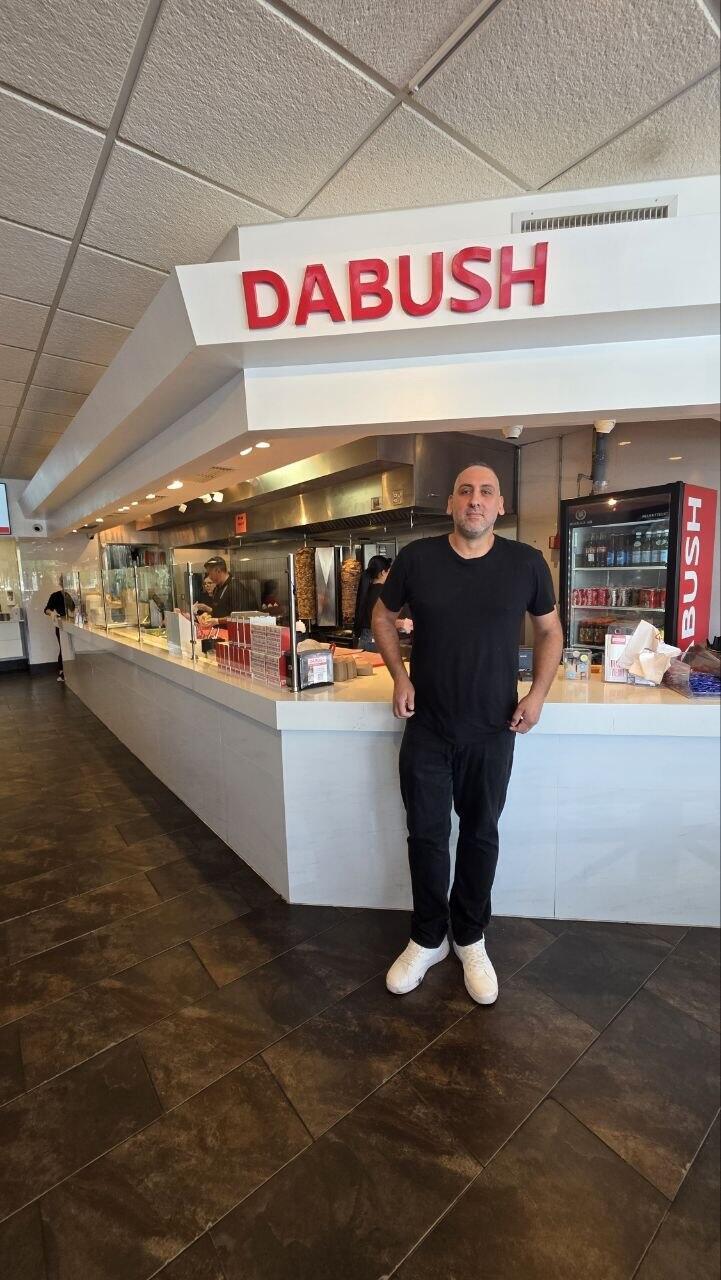
Dabush Shawarma, which many Israelis consider among the best in its category
(Photo: Yonatan Cohen)
The chain, once a pioneering player in the Tel Aviv area, experienced some decline in quality as it expanded, but none of that is noticeable in Miami. Two rotating spits of lamb and turkey, a polished workspace and hot laffas create a shawarma experience that even Israeli branches could envy, both in taste and service. It is ironic and impressive that the most successful Dabush branch operates in Miami, earning Avrahami strong praise.
“Americans really connect with the concept, especially shawarma in laffa, which resembles a burrito, and Israelis obviously love the nostalgia I provide,” he explains. “We’ve had some strange requests. People asked for mayonnaise and ketchup on shawarma, even mustard, but I go with it. Whatever makes the customer happy.” With this approach, Dabush has become a flagship in its category in the area. A shawarma in laffa with sides costs 25 dollars, higher than in Israel. “Kosher meat drives up the cost. People here understand that kosher meat is expensive, but we do not compromise,” he concludes.
In the realm of fine dining, Mutra’s Michelin win stands out above all, but alongside it operates a respectable lineup of restaurants aiming just as high with a distinctly Israeli kosher identity. Their success has turned Miami into a destination for major Israeli restaurant groups, the first of which is chef Eyal Shani’s group. The group, which operates restaurants worldwide, has often said it had to tone down its Israeli branding or even close locations, but in Miami the story is different.
Shani now has two new venues recently opened in the heart of the iconic South Beach area. One is a skewer and mezze restaurant called, fittingly, Naked Tomato, and the more intriguing one is Bella, offering an Italian experience inspired by Shani’s memories.
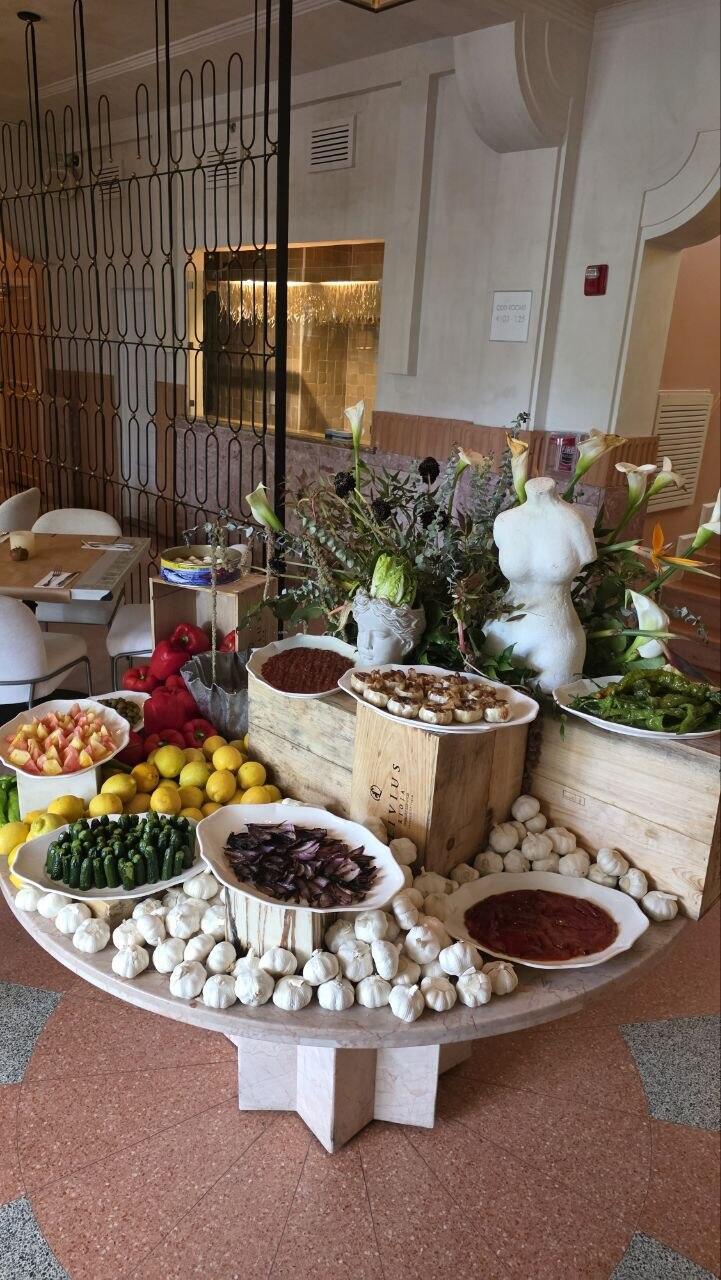
Bella operates inside a beautiful hotel and is run by experienced Israeli operators in the United States, led by head chef Neil Strauber
(Photo: Yonatan Cohen)
Bella operates inside a beautiful hotel and is run by experienced Israeli operators in the United States, led by head chef Neil Strauber, 29. He opened the restaurant with Victor Gotalef and has been running it since. Strauber, the son of former footballer Liran Strauber, originally came to the United States to pursue a professional football career, but visa and documentation challenges led him to leave the pitch for his second love: the kitchen. He first met Eyal Shani at age 14 on the TV show MasterChef Kids, and few would have predicted that the boy who once dreamed of playing for Maccabi Tel Aviv would end up working alongside Shani.
Together, Strauber and Shani present a light, well-executed menu of handmade pastas, risotto, grilled meats and whole fish, salads and Mediterranean touches, including an excellent mshweya dish. Unlike other Shani restaurants, Bella expresses its Israeli identity less through the menu and more through its spirit and team. Still, it is reasonable to assume that the early steps of Shani’s Italian concept seen in Miami will soon expand to other locations in Israel and around the world.
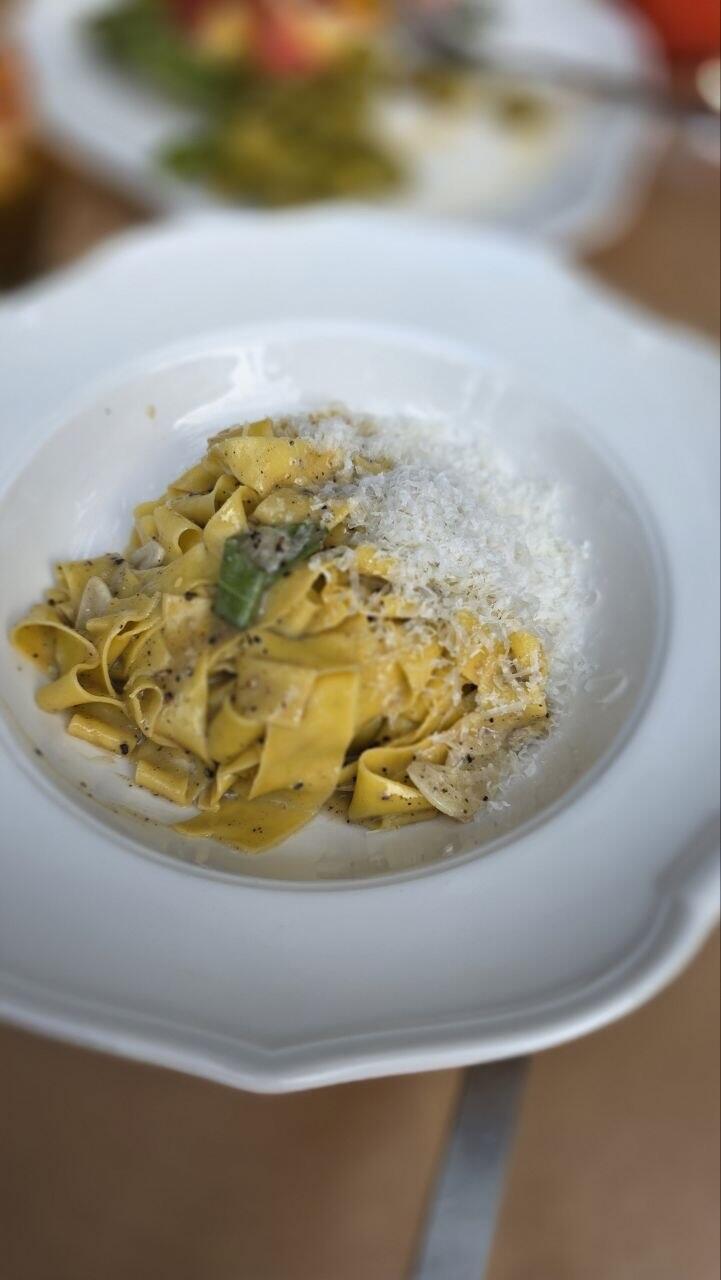
Pasta dish in Bella
(Photo: Yonatan Cohen)
As can be understood, Miami is delicious—and even more so for Israelis, including those keeping kosher. It is important to emphasize again: this was only a modest overview of a much broader scene. It is entirely possible that several significant and important places were left out of the picture. We would be happy to continue exploring and mapping the scene in greater depth, but until then, feel free to tell us in the comments who we missed and what else is happening in what may be the hottest hub of Israeli cuisine outside Israel.