

A meal at an upscale restaurant usually ends with a painful bill, especially when Michelin-starred dining is involved. But a growing initiative is challenging one of the most basic rules of fine dining: the price.
On August 26, the Paga Lo Que Puedas, or Pay What You Can, initiative will be held globally for the first time. More than 100 restaurants in over 12 countries will operate for one day under a model in which diners decide how much they can afford to pay.
The restaurants will serve their regular menus, with the same service and the same dishes. The main difference comes at the end of the meal: diners decide how much they will actually pay.
The idea began at Masala y Maíz in Mexico City, which now holds a Michelin star. Its owners, chefs Norma Listman and Saqib Keval, began holding Pay What You Can days in 2020. On those days, guests receive the same restaurant experience as on any other day, but determine the price themse
lves at the end.
The model gradually gained momentum. Last year, Listman and Keval invited other restaurants in Mexico City to join them, and 31 took part, including the Michelin-starred Expendio de Maíz.
The success of that local initiative led them to expand it internationally this year. In the United States, several restaurants have already begun experimenting with similar models independently of the global initiative.
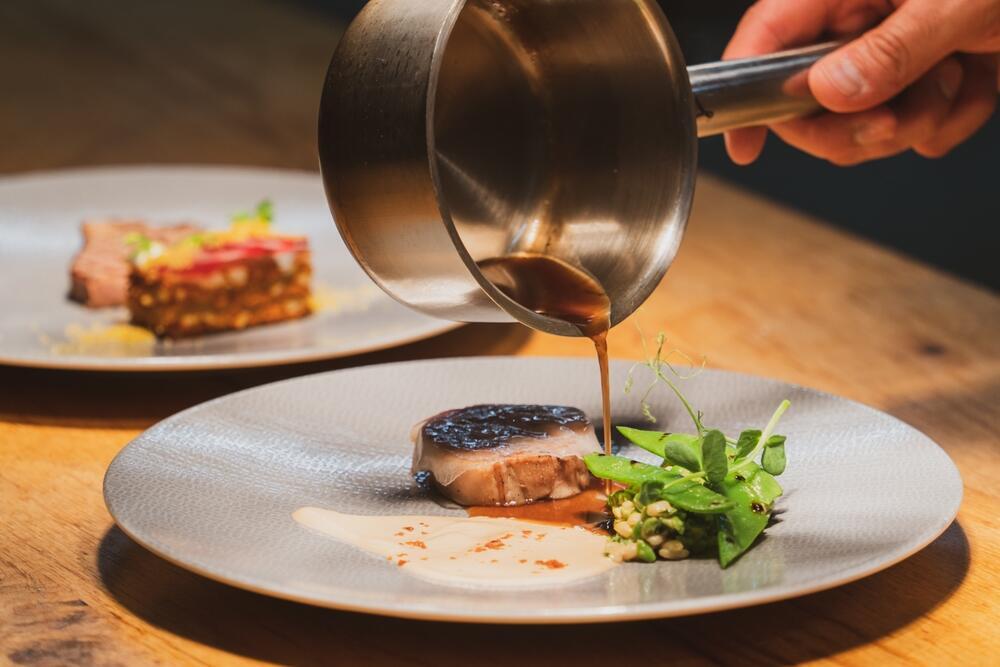
‘The original prices will appear on the bill at the end of the meal, for context only’
(Photo: Zsu Badak / shutterstock)
HAGS in Manhattan, which appears in the Michelin Guide and serves contemporary tasting menus, offers a pay-what-you-want menu on Sundays, subject to availability.
In San Francisco, Merchant Roots, also recommended by Michelin and normally charging $238 per person for its tasting menu, began dedicating the first Tuesday of every month through the end of the year to meals in which guests pay according to their means. Its first August and September reservations sold out.
So how does it work?
Under the global initiative’s rules, participating restaurants are not supposed to offer cheaper menus or reduce portion sizes. The kitchen operates as usual, and customers order from the regular menu. At the end of the meal, diners may be shown a bill listing the normal prices for context, but they are free to choose how much they actually pay.
Customers paying in cash may be given an envelope, while those paying by card simply tell the restaurant how much they want to be charged. The rules apply mainly to food. Organizers recommend that drinks remain at their regular prices, and the initiative does not apply to delivery or takeout. Tips are handled separately, with diners asked to specify how much of their payment is intended for staff.
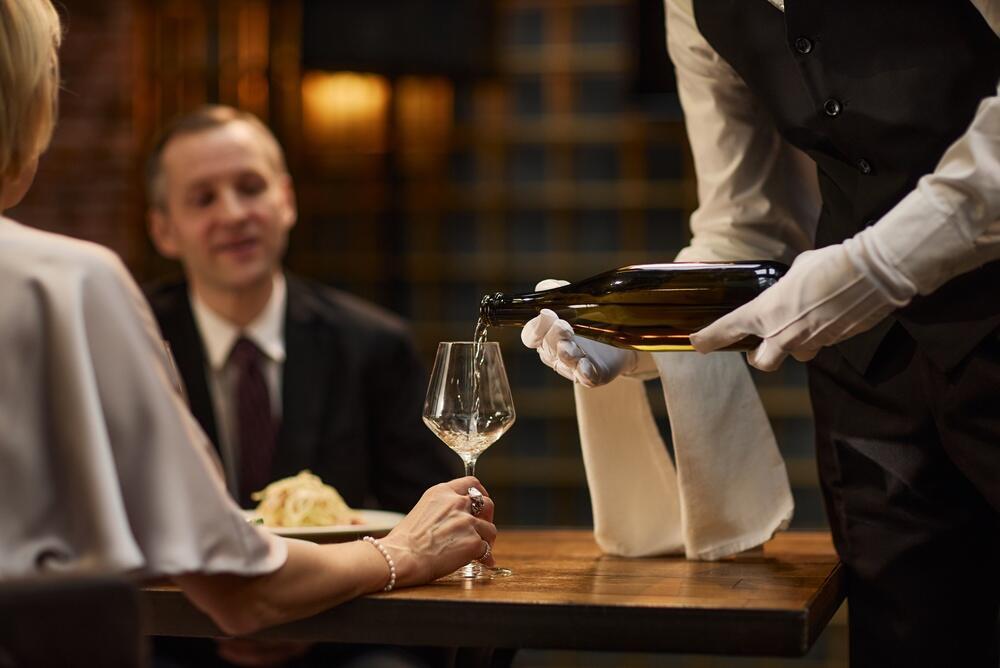
(Photo: SeventyFour / shutterstock)
One obvious question is what stops a customer from ordering an expensive meal and paying only a token amount at the end. The answer is simple: nothing. The entire model is built on trust. Keval has described it as “an act of mutual trust”: the restaurant trusts diners to pay according to what they can afford, while diners trust the restaurant not to provide an inferior experience because of the payment model.
What happens to the bottom line?
Surprisingly, organizers say the experiment has not produced losses. According to the initiative’s official website, revenue during Pay What You Can days at Masala y Maíz has often been similar to that of a normal day of service.
Listman and Keval also say staff tips have been equal to or higher than on regular days. Those figures should be treated with some caution, however, because they come from the initiative’s organizers rather than an independent outside study.
For the founders, the goal is not to give away free meals. Instead, they want to challenge, at least temporarily, the automatic link between a person’s financial means and their ability to dine at a high-quality restaurant.
Restaurant-industry workers, neighborhood residents and people who would not normally be able to afford an expensive tasting menu are precisely the diners they hope to bring through the door.