

Antisemitism in the United States has reached a critical point, according to Elan Carr, CEO of the Israeli-American Council (IAC). In an exclusive interview with Ynet ahead of the IAC’s 10th annual summit in January 2026, Carr described an atmosphere of fear among Jewish students, particularly on university campuses.
“There has been some improvement in day-to-day disruptions — barricades and protest tents have mostly disappeared — but the hostile environment remains a serious issue,” he said. “Many Jewish students still fear expressing their identity or showing support for Israel.”
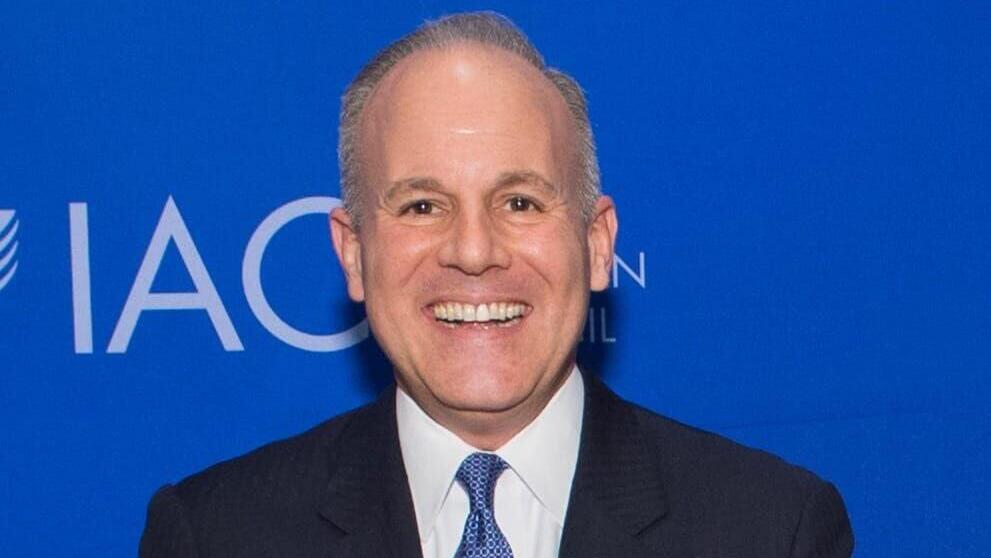
Carr, 57, a former U.S. Army JAG officer and Los Angeles County prosecutor who served as the Trump administration’s special envoy to combat antisemitism, assumed his role at the IAC just days before the Hamas-led massacre on October 7, 2023. “I walked straight into the fire,” he said.
Alarm over New York’s mayoral election
The conversation quickly turned to what Carr called the most troubling issue facing the Jewish and Israeli-American community today: the election of Zohran Mamdani as New York City’s mayor.
“The Jewish and Israeli community is extremely concerned,” Carr said. “It’s not just fear of dangerous policies, failure to enforce the law against extremist groups, or institutional discrimination. It’s what his election represents. New York is the economic engine of America and home to the largest Jewish population outside Israel. If someone with views like Mamdani's can be elected, it signals the mainstreaming of antisemitism and anti-American ideologies. We are being pushed from the center to the margins.”
When asked if more such mayors could be elected, Carr responded bluntly: “If it can happen in New York, it can happen anywhere. We already have a group in Congress with views like these — something unthinkable a decade ago. We must stop this by building a strong, united, active community that influences school boards, city councils, and local government — the places where real decisions are made.”
From the streets to the system
Since October 7, the IAC has become one of the most outspoken pro-Israel activist organizations in North America. Within weeks of the massacre, it organized a major rally in Times Square featuring massive screens showing images of the hostages. Later that month, the group erected the now-iconic “Empty Shabbat Table” installation, which became a global symbol. “We were the first to take to the streets in force,” Carr said proudly.
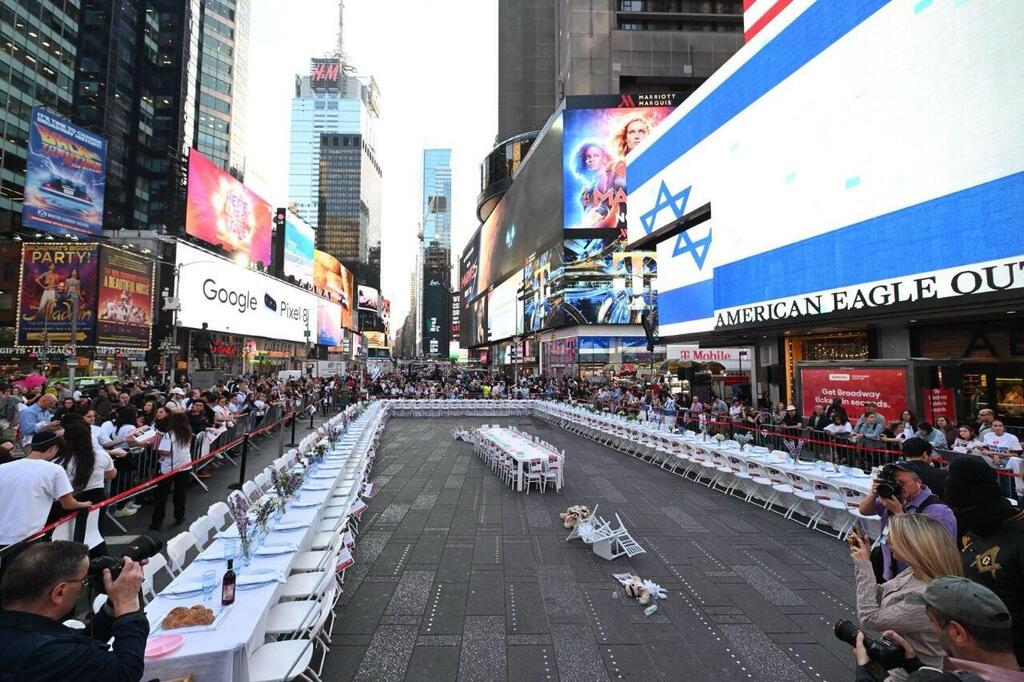
IAC's 'Empty Shabbat Table' installation, which became a global symbol of the hostages in Gaza
(Photo: Noam Galai)
The IAC was also among the first to respond to antisemitism on U.S. campuses, organizing major rallies at UCLA, MIT, and Columbia. “At first, people in the Jewish community feared this would make things worse,” Carr recalled. “But we knew it was the right moment. We were more aggressive than others — maybe that’s the Israeli style — but it worked. Tents came down.
While overt disruptions have decreased, Carr noted that antisemitism remains deeply entrenched. “Some students still hide their Star of David or avoid wearing pro-Israel shirts. We stand with those brave students who continue to lead from the front.”
Fighting Antisemitism in schools
The IAC is also active on the educational front. “We’ve handled over 700 cases of antisemitism in schools and on campuses, evenly split between the two,” Carr said. In some public schools, he said, children are taught that “Israel commits genocide and abuses Palestinians.” Jewish and Israeli students who report bullying are sometimes told, “You have no right to complain — you’re killing Palestinians.”
The IAC works directly with schools, trains educators, and provides resources. “We’ve trained over 3,000 teachers across the U.S., including the entire Beverly Hills school district,” Carr said. “We teach what antisemitism is, what Zionism is, and how anti-Zionism affects a Jewish child sitting in class.”
The IAC’s new strategy is to channel grassroots energy into political influence. “Not everyone needs to run for office, but everyone must be involved,” Carr emphasized. “Most Americans — and Israeli-Americans — don’t realize how important local elections are. If we don’t vote, our opponents will take over these institutions.”
In New Jersey, the IAC sent questionnaires to nearly 100 candidates for public office. “Every single one responded — because they saw real power here. It starts with a survey and ends with meaningful partnerships.”
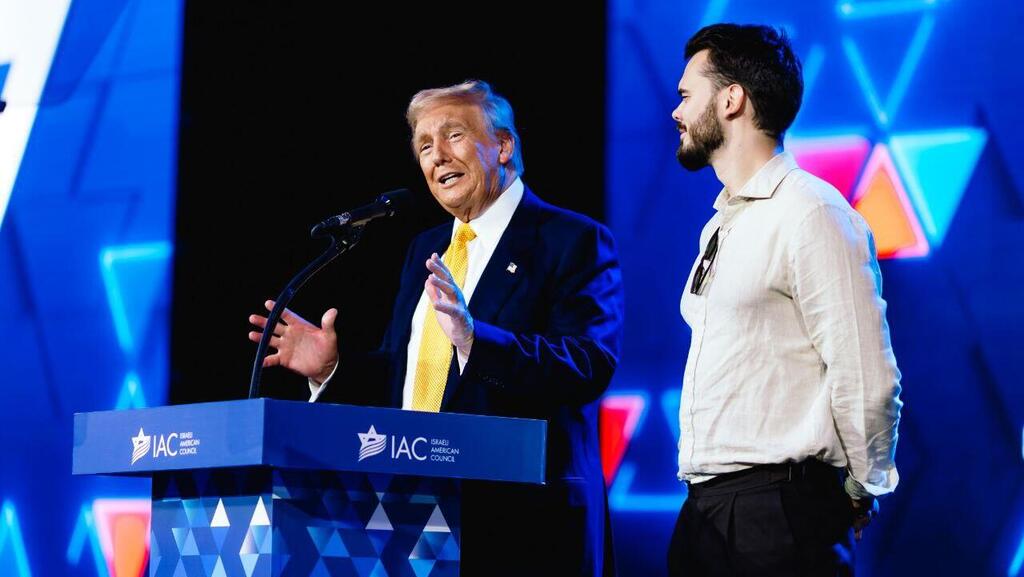
President Donald Trump has spoken at two previous IAC annual summits
(Photo: Eclipse Media)
Carr clarified that while the IAC is a nonprofit and cannot endorse candidates, it is allowed to publish their positions. “It’s always clear where the community stands. We just want candidates to understand that they need a relationship with us, like with any American citizen. We’re doing what every minority in America is entitled to do — exercising our rights to influence the future.”
Growing force in Jewish leadership
The IAC’s tenth annual summit, scheduled for January 2026 in Hollywood, Florida, is expected to draw 5,000 participants. Confirmed guests include Dr. Miriam Adelson, businessman Haim Saban, Oracle CEO Safra Catz, and others. Former President Donald Trump has also been invited and may attend for a third time.
“This isn’t just a content conference — it’s an experience of unity and family,” Carr said. “Even last year, just months after October 7, people came away with a sense of hope and inspiration.”
In the past year, the IAC achieved two major milestones: unanimous admission into the Conference of Presidents of Major American Jewish Organizations and, for the first time, representation at the World Zionist Congress with four delegates. “We were accepted unanimously because they saw we’re a rising force,” Carr said. “Most organizations are either ideological or support-based. We’re a grassroots community movement, with ‘divisions of soldiers’ ready for action coast to coast.”
Strengthening Israeli-American identity
The IAC was originally founded to address high assimilation rates among Israeli-Americans and their disconnection from Jewish institutions. “This remains a core mission,” Carr said. “Israeli-Americans have historically had higher assimilation rates than secular American Jews — and they felt alienated from the organized Jewish world. That’s changed dramatically, especially since October 7. There’s renewed interest in identity. We run programs that spark pride in Jewish and Israeli identity among kids and teens.”
Carr noted that many IAC members now actively participate in synagogues, federations, and Jewish communal life. “We’re not just bringing Israeli-Americans into the Jewish world — we’re also bringing American Jews into the Israeli experience. Only through unity and a shared identity can we build a strong future.”