

“I’m Jewish and a Zionist. I’ve heard about Israel all my life, and ever since I was little, I’ve wanted to live here,” says Dr. Eitan Mikler, 27, an anesthesiology resident at Sheba Medical Center who immigrated to Israel from Colombia in February.
Mikler is one of 541 doctors who made aliyah in 2025 as part of a national program led by the Ministry of Aliyah and Integration, in partnership with the Health Ministry, the Ministry for the Development of the Negev and Galilee, and Nefesh B’Nefesh. The influx of doctors offers a rare boost for Israel’s health care system, which continues to face a severe physician shortage—and comes amid an exodus of hundreds of Israeli doctors who have moved abroad.
According to government data released last week, 69,300 Israelis left the country in 2025, compared to just 19,000 returnees. A Tel Aviv University study found that between January 2023 and September 2024, 875 doctors left Israel, with a net loss of 481.
In this context, the arrival of physicians from the U.S., France, South America and the UK is viewed as a source of hope for Israel’s health sector.
Gallery
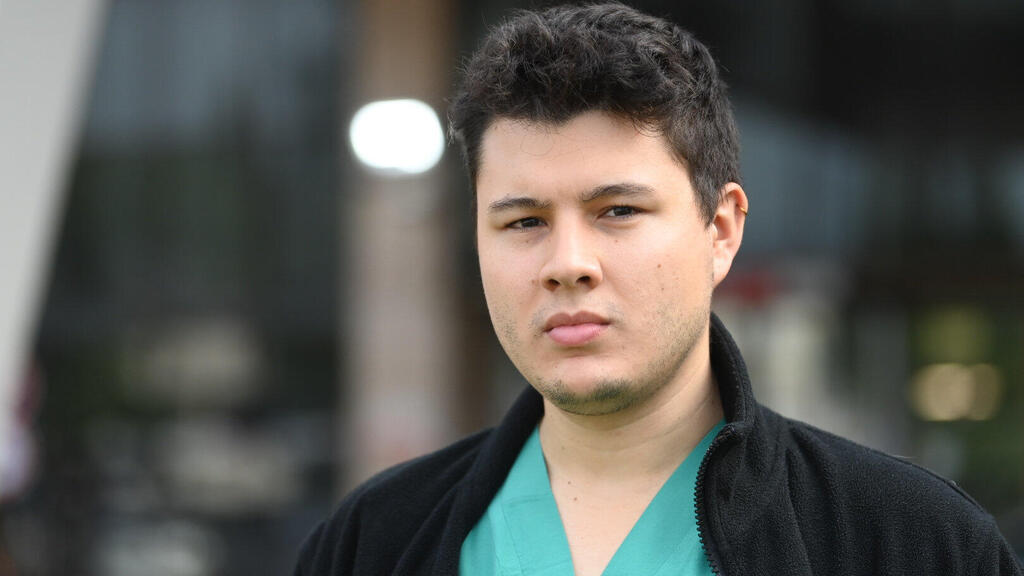
Dr. Eitan Mikler, 27, an anesthesiology resident at Sheba Medical Center who immigrated to Israel from Colombia
(Photo: Yair Sagi)
Mikler had considered moving to Israel at 18, but chose to study medicine first at the University of La Sabana in Chía, Colombia. “Friends in Israel told me the country needed doctors, but that studying medicine there wasn’t easy, so I decided to study first and make aliyah after,” he told Ynet.
His sister, Dana—also a doctor—made aliyah four years ago. Their parents still live in Colombia and visit Israel each year.
Mikler was in the final stages of his medical internship when Hamas launched its October 7 attack. “It was hard not to fly to Israel immediately to help,” he recalled. “But my parents reminded me I was almost done.”
Far from deterring him, the war strengthened his resolve. “After October 7, I told myself, ‘Now is the time. I want to be there. I don’t want to be here.’ And even abroad, it’s not so easy to be Jewish. Colombia’s president is antisemitic—he speaks at the UN against Israel and accuses it of genocide in Gaza.”
Integration and anesthesiology
Five months ago, Mikler began his residency at Sheba. “At first it was hard—I didn’t fully understand how the system works here, and the language was difficult, especially medical Hebrew,” he said. Before starting, he completed a medical Hebrew ulpan in Ra’anana.
With help from the Aliyah Ministry, Mikler was guided through résumé writing and matched with a hospital. “When I started, the first thing I noticed was how international the anesthesia team was. I heard Arabic, Russian, English, and I’m the third person in the department who speaks Spanish. The patients also come from everywhere—religious Jews, soldiers, even one woman from Gaza.”
(Photo: Shutterstock)
Mikler says one of the starkest differences between the Colombian and Israeli systems is the culture of teamwork. “Here, everyone is encouraged to speak up—if a nurse thinks something’s wrong, she says so, and everyone listens, whether it’s the surgeon or the anesthesiologist. In Colombia, things are more hierarchical—if the doctor says something, that’s it.”
He chose anesthesiology for its balance of pharmacology, physiology, rapid decision-making and emergency response. “As a student, I watched how an anesthesiologist works—how they go from 0 to 100 if something’s wrong, and know exactly which drug to give.”
Mikler now encourages other doctors to follow. “Aliyah isn’t easy. You need patience, but there’s help everywhere—you just have to ask,” he said. “If you’re a Zionist and want to live and work in Israel, there are many paths. My sister and I took different ones, but we’re both doctors here and both happy. We have no other country.”
2025 Sees Rise in Immigrant Doctors
According to Ministry of Aliyah data, 541 doctors immigrated to Israel in 2025, up from 519 in 2024. This includes 93 from North America (up from 60), 53 from France (up from 25), and 23 from South America (nearly doubling from 12). Nine doctors immigrated from the UK, compared to just one in 2024.
Roughly 400 immigrant doctors joined Israel’s health care system this year, with 30% serving or training in peripheral hospitals. Many are entering high-need fields like psychiatry and rehabilitation.
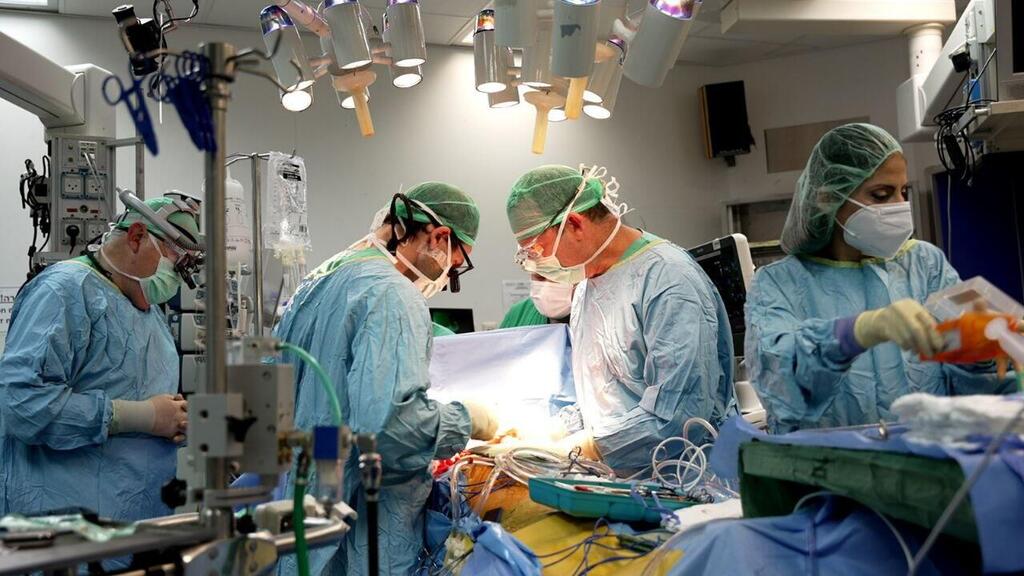
Operating room at Sheba Hospital
(Photo: Sheba Hospital spokesperson)
Officials attribute the increase to targeted outreach in countries where the national program operates, including professional conferences, aliyah support, licensing assistance and job placement. In 2025, the program expanded to Australia.
The ministry’s medical division assists doctors with licensing and integration. Minister of Aliyah and Integration Ofir Sofer called the trend “a testament to the deep connection between Jewish identity, profession and purpose.”
“These doctors place their trust in Israel and its health care system, choosing not only a career but to join a national effort to strengthen it,” he said, adding that the ministry will expand its outreach in 2026.
“These physicians are full partners in building the state," says Nefesh B’Nefesh co-founder and CEO Rabbi Yehoshua Fass. "Their impact on saving lives is profound. In 2026, we’ll continue proving that collaboration between the public and nonprofit sectors is the best way to tackle Israel’s national challenges.”