

"Everything here is home-made by Keren. Lemon cookies, date cookies, healthy cookies", Ariel says, laying out the boxes he brought to this week’s gathering with his five new friends.
Meir opens beers for everyone and offers me one as well. ‘Corona, just like Ido liked,’ he says, placing another cap into a clear jar already filled with the Mexican beer caps on his son’s grave. Shai and Dudi walk a few meters to the coffee station in the plot and prepare black coffee for everyone.
Gallery
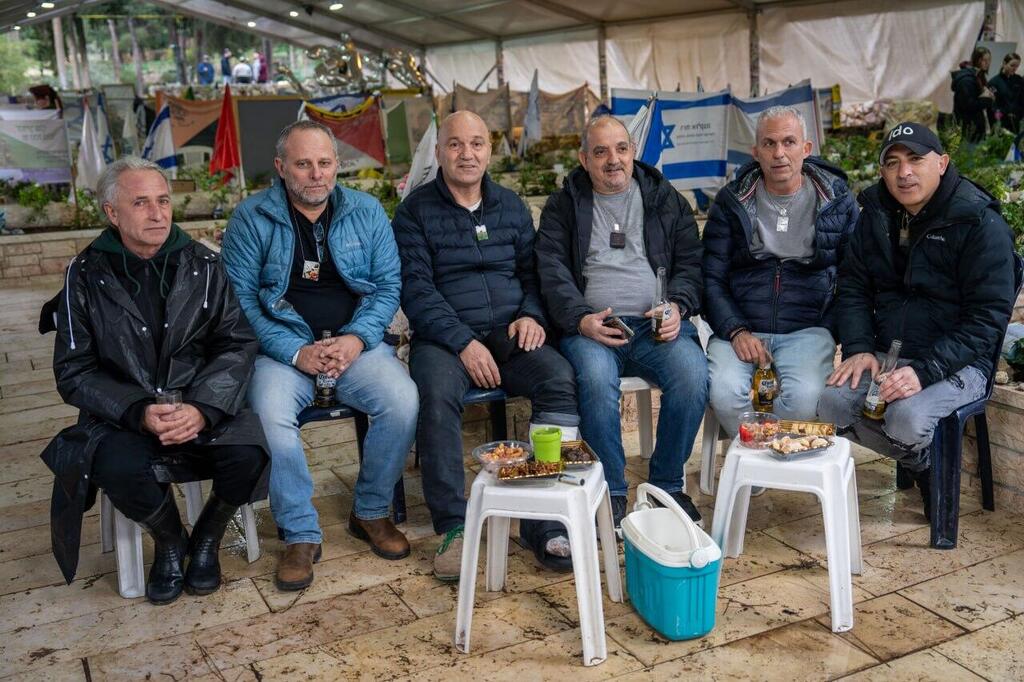
From left: Meir Zrihen, Dudi Sasson, Shai Testa, David Gal, Ariel Voloch, Pavel Levit in Section 18A of the Mount Herzl military cemetery, Jerusalem
(Photo: Shalev Shalom)
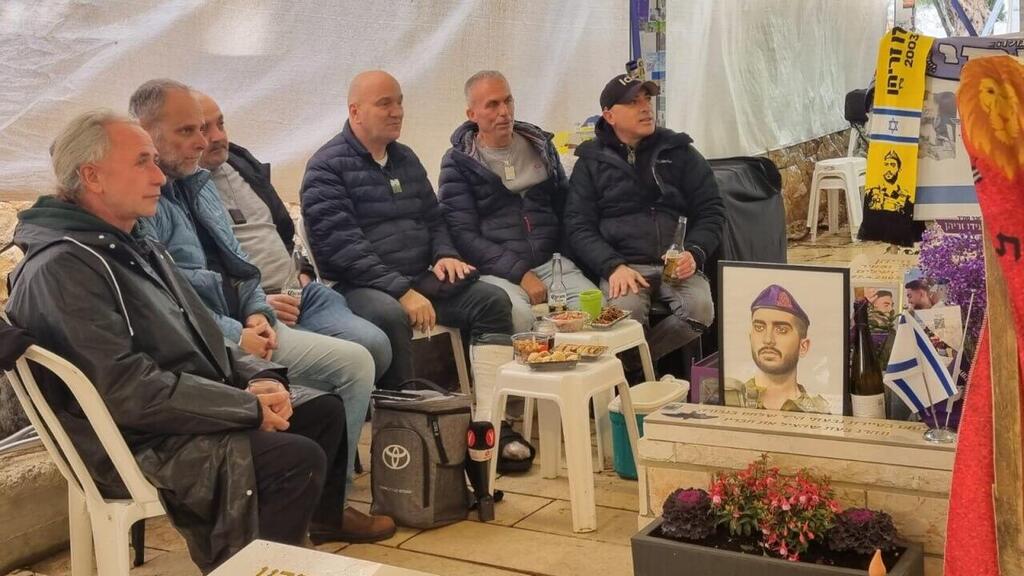
This is how they meet, every Friday, with beer, snacks, cookies and coffee. Six fathers who lost their sons in the latest war, gathering in Section 18A of the Mount Herzl military cemetery in Jerusalem. "My psychologist says I do not need her if I have them", says Dudi Sasson, who lost his son Roi.
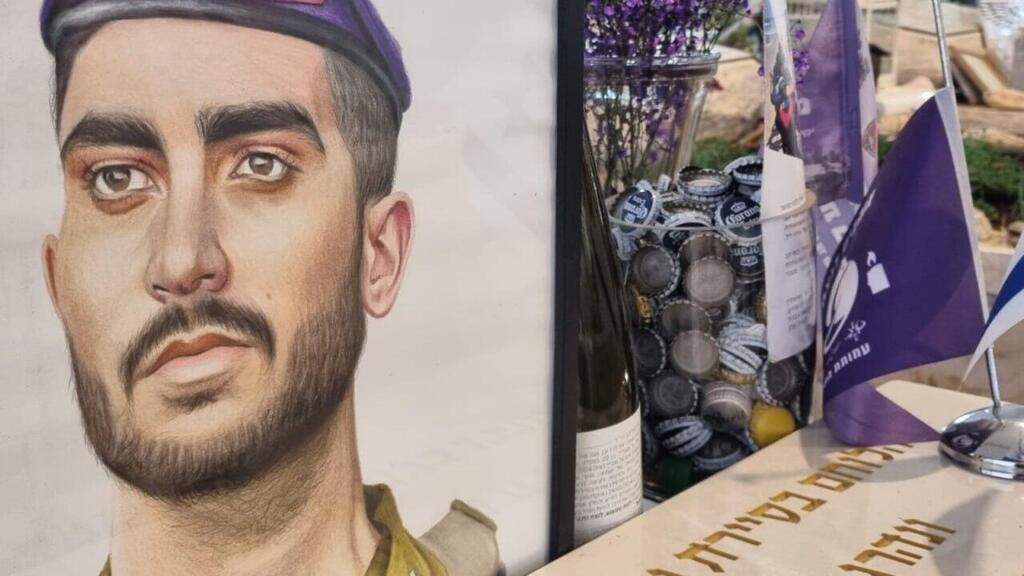
Ido Zrihen's grave with the jar of beer caps
(Photo: Gilad Cohen)
(Photo: Shalev Shalom)
They are six Jerusalemites who likely would never have met or become close if not for their shared bereavement. Meir Zrihen, the father of Staff Sgt. Ido Zrihen, who was killed in combat in southern Gaza; David Gal, the father of Sgt. Maj. Michael Gal, who was killed in Khan Younis; Shi Testa, the father of Staff Sgt. Ido Testa, who was killed in combat near the Gaza border communities; Dudi Sasson, the father of Sgt. First Class. Roi Sasson, who was killed in Jabaliya; Pavel Levit, the father of Sgt. First Class Yonatan Levit, who was killed while on duty during the war; and Ariel Voloch, the father of Capt. Ido Voloch, who was killed in combat in Gaza City’s Shijaiyah neighborhood.
At 11 a.m. every Friday, after each father spends a few quiet minutes alone at his son’s grave, they unfold chairs and sit together in the plot. "Here, you allow yourself to break down or to laugh,’ says Zrihen, who brought the group together.
"I am the veteran. Ido was the first who died, chronologically, then Michael Gal. My daughter went to comfort David a few days after Ido was killed. I knew David from his time as principal of the Gymnasium high school in Jerusalem; I also attended Ido Testa’s funeral." He recalls approaching Shai (Ido testa's father) at the funeral, saying, ‘My Ido started the row, and your Ido ends it'.
During the first year, they met every day at Mount Herzl. Today, Friday is fixed.
Except for Testa, Voloch and Gal, none of them knew each other beforehand. "We come from different worlds", Zrihen says. "This partnership gives me so much strength. They understand exactly what I mean. If I say I had a terrible day, they know what that means. If Shai calls me, I can hear in his voice whether he is OK or not."
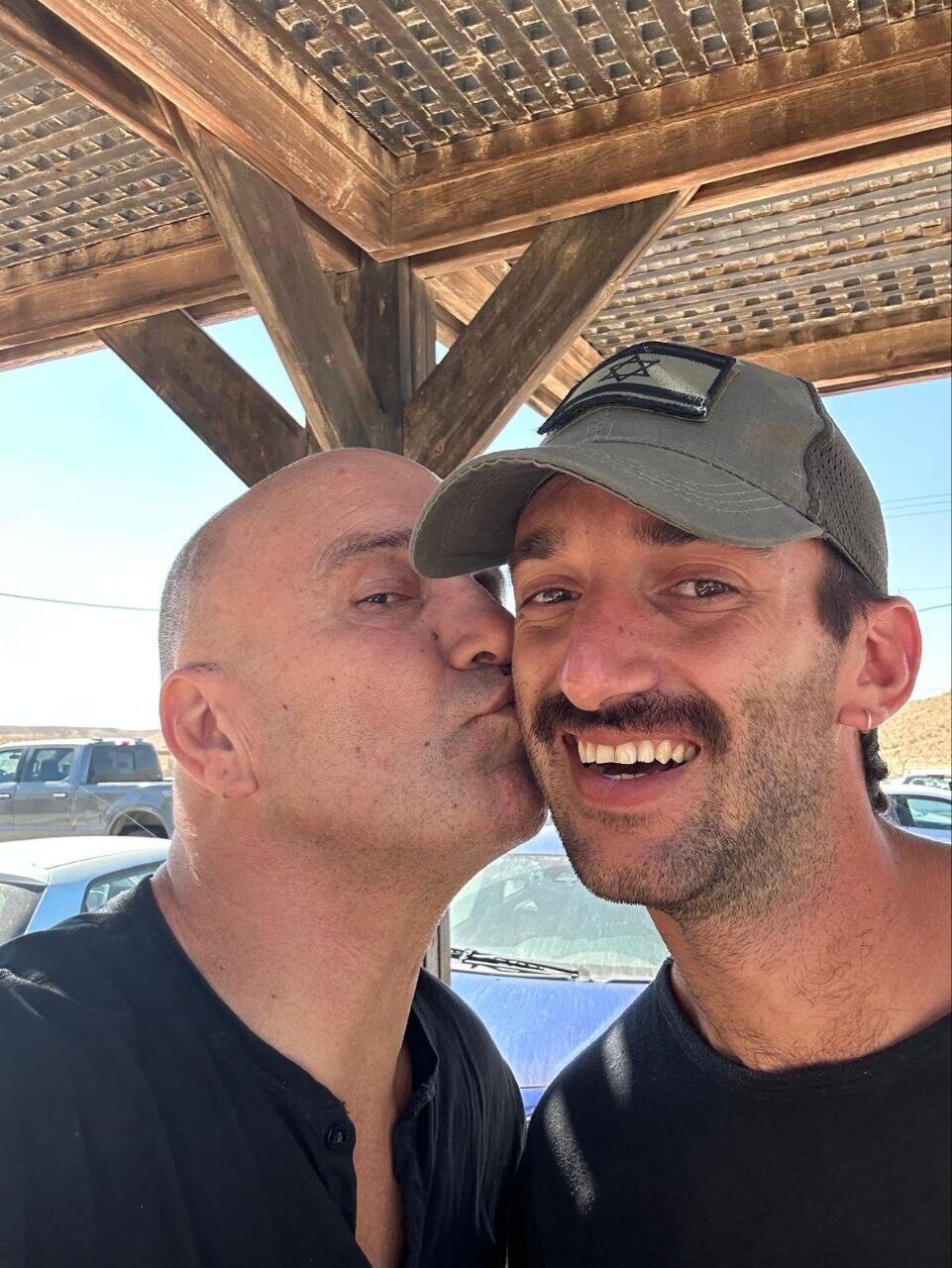
David Gal with his son Michael
(Photo: Family album)
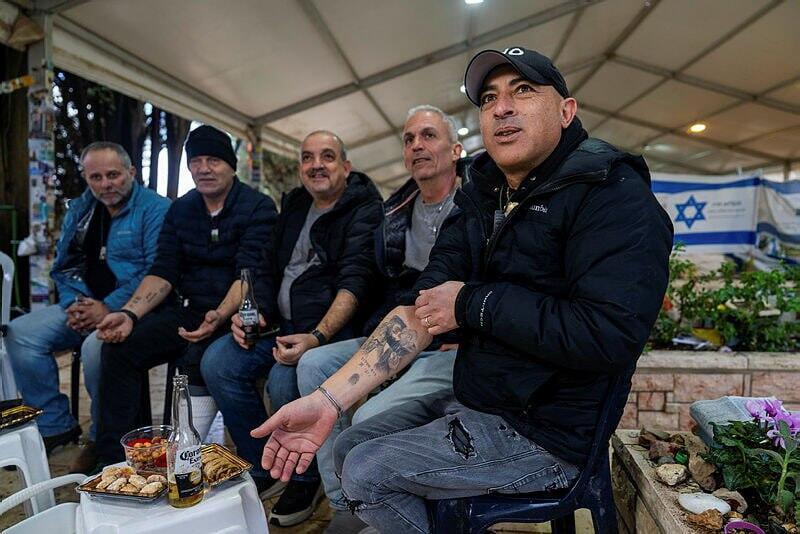
‘I identified my son by his tattoos’: the bereaved fathers at Mount Herzl
(Photo: Shalev Shalom)
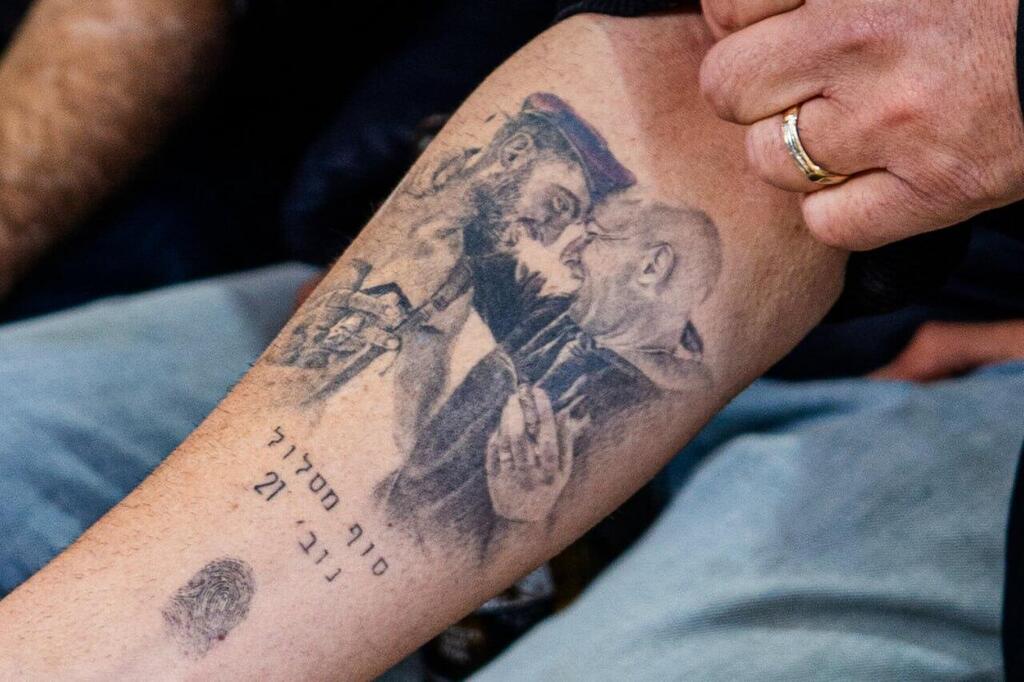
Meir Zrihen’s tattoo in memory of his son Ido
(Photo: Shalev Shalom)
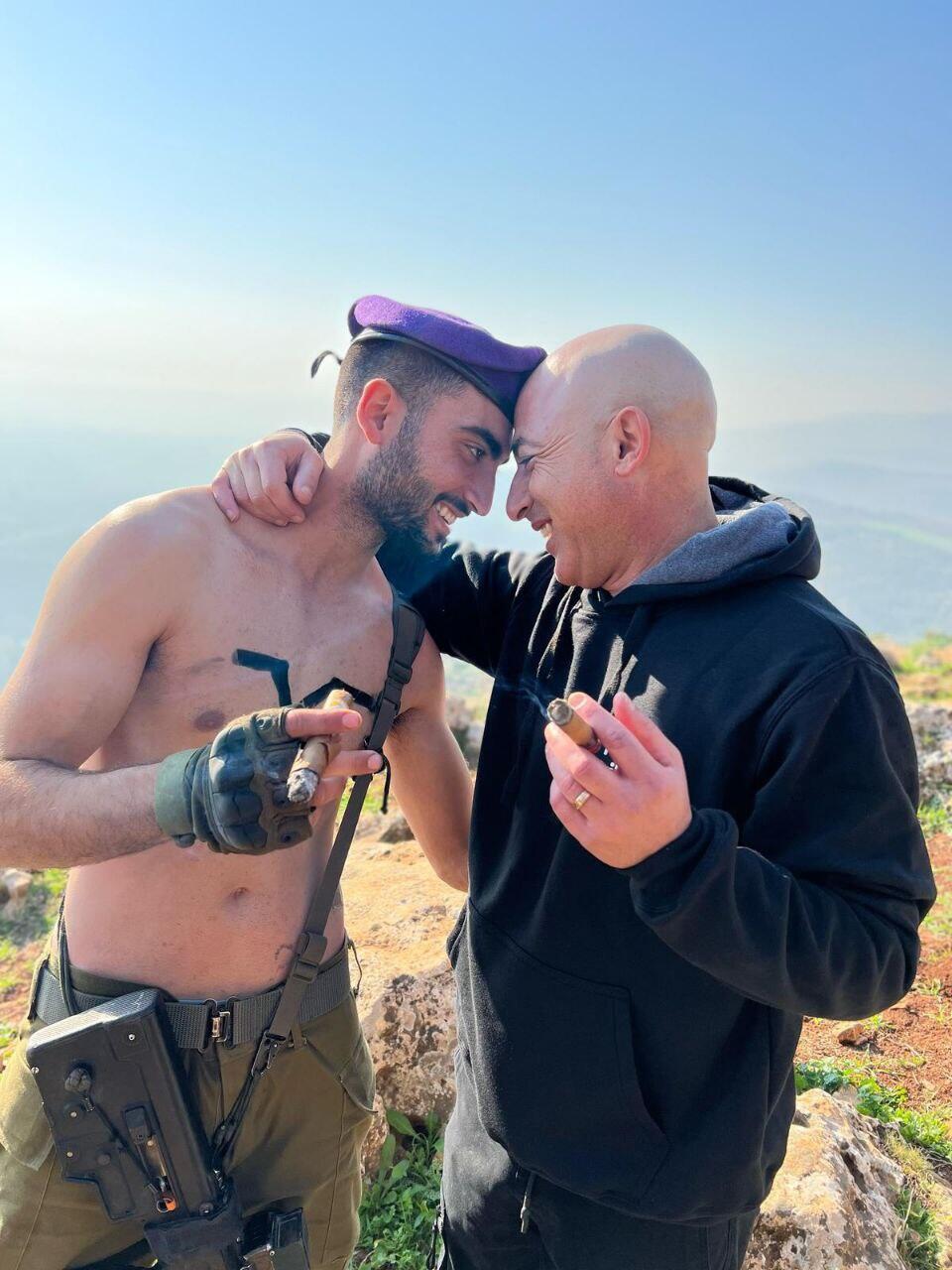
Meir Zrihen with son Ido
(Photo: family album)
“If I come here alone, I go home feeling empty. But on Fridays, when I come here with my friends, I go home a different person,” says Dudi Sasson. “This group fills you up. We talk about everything. Sometimes we laugh, sometimes we cry. At first I dismissed it, but the difference between coming alone and coming as a group is that no one judges you. Everyone is in the same place. They understand you.”
Sasson says it took him time to become part of the group. “At first I could not do it, but since then I have not missed a day. I thought being by myself was best, but Shai and Meir convinced me. At first I did not connect. In the end, there was a connection. We became brothers.”
David Gal arrives every Friday, even in the rain and even with a broken leg. He asks Shai to hold his crutches, then collapses onto his son’s grave, kissing the cold stone. Gal is a well-known educational figure in Jerusalem, having served as principal of the Gymnasium for 12 years, where the sons of some of his new friends once studied.
"When Shai’s son Ido was killed, I came to comfort him because Ido had been my student", Gal says. "He asked if I remembered him. It turned out we had studied in the same class for one year.
"At first, only Meir and I met here", says David. The deaths of their sons were separated by just two weeks. "Friday is an important day", Gal says. "We talk, we laugh, we cry. I lost students while I was principal, and I was alongside their parents and felt I understood their loss. But when it's your own child, you realize how little you truly understood. Someone from the outside cannot grasp it."
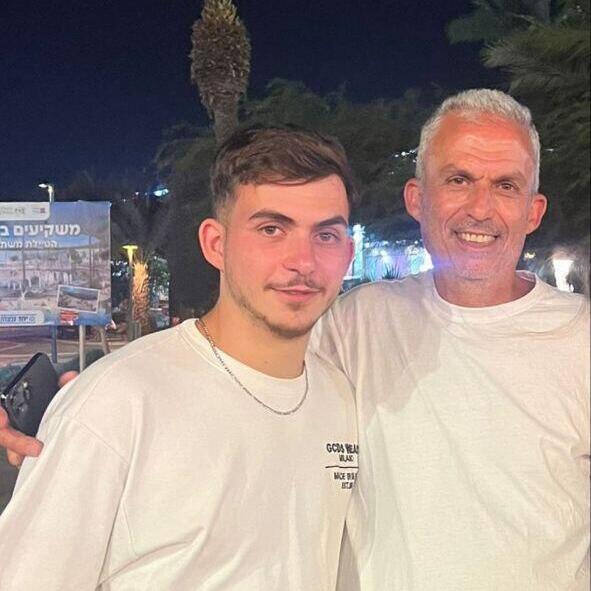
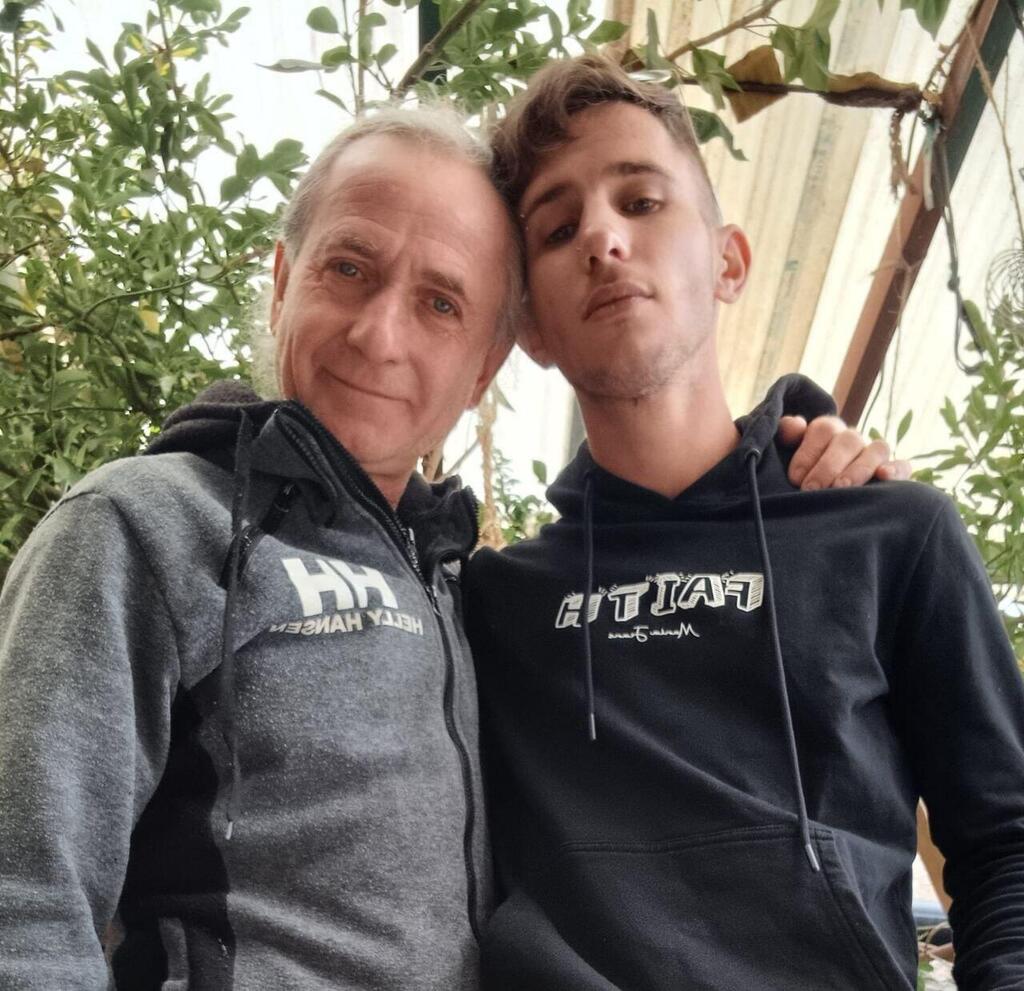
Dudi Sasson with son Roi
(Photo: Family album)
Pavel Levit with son Yonatan
(Photo: Family album)
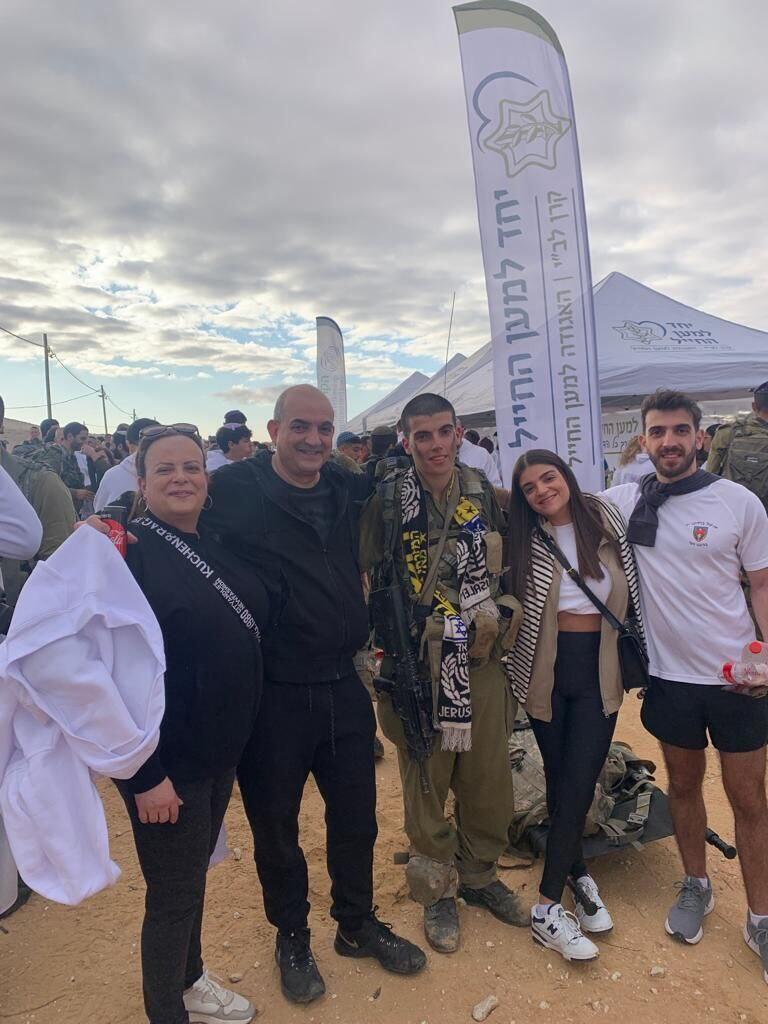
The Testa family with Ido, in uniform (center)
(Photo: Family album)
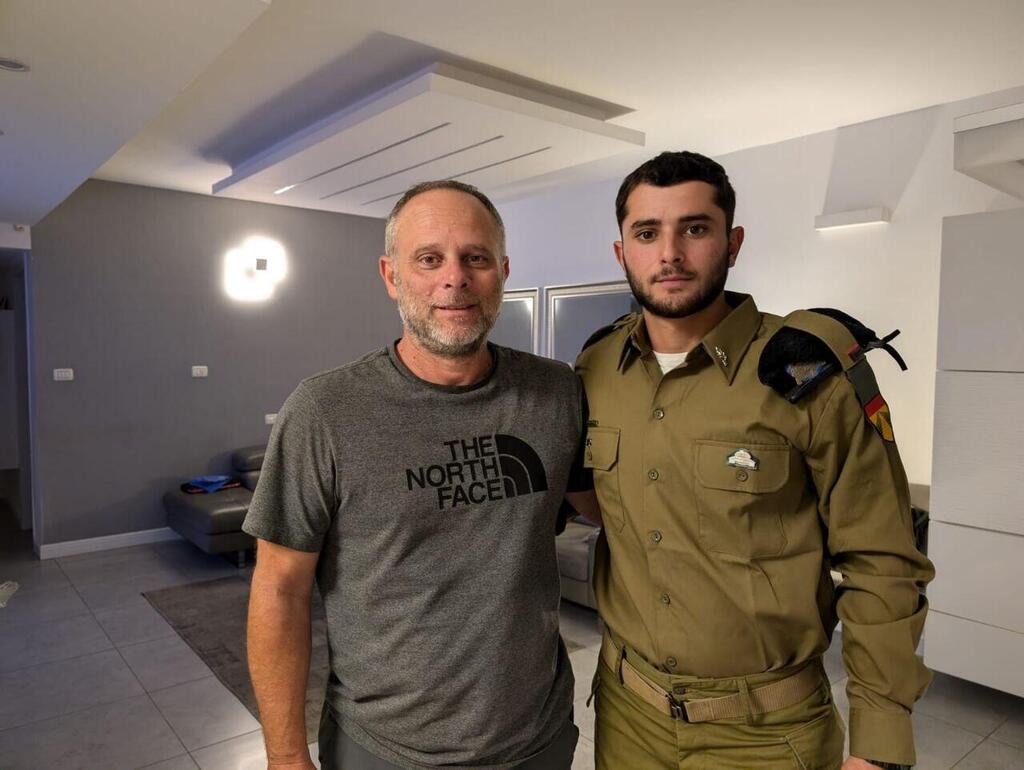
Ariel Voloch and son Ido
Pavel arrives as well, straightening his son’s grave and lighting candles in memory of Yonatan, his only child. For years, Pavel worked as a tour guide. Today, he works at the zoo.
"It's a kind of healing", he says. ‘I was 39 when Yonatan was born. He was premature, my only child. It was a miracle. He was born in May, and we only held the circumcision in September. Every day of his life was a miracle."
He met the others here in the row. "Everyone has his own pain, his own life story, his own child. War involves children; that is true. But losing an only son is a complete halt to life. Everything stops. There is no continuation of the next generation. I keep asking myself 'What am I even doing here? What is left?' If I don't see these people for a few days, I start to miss them."
Ariel Voloch is the most recent to join the group. His son Ido was killed last April during fighting in Gaza, and he is still in his year of mourning.
"Shai’s son and my son were close friends in the Har Homa neighborhood", he says. "I try to come every Friday. Sometimes it helps. In the end, you understand that life will never be easy again. You never come to terms with it."
Until your son dies
They mostly talk about their sons, but also about soccer, Beitar, Hapoel, and current events. Sometimes politics comes up, but they quickly change the subject to avoid arguments.
"I have no complaints about the army. I despise the elected leadership", Meir says. "It doesn't matter whether I am right-wing or left-wing. There is not a single member of Knesset today who can name 10 fallen soldiers in a row. They leave a funeral and do not even know whose it was."
"There are people in the army who need to take responsibility", Meir adds. Dudi recalls receiving a phone call from a taxi driver who asked him to come downstairs. "That is how I received a letter from the prime minister."
Gal says public figures visited him during shiva. "I had no expectations. I also tell the guys here that we were a little sad during the war, but then, when your child falls, it's a completely different story."
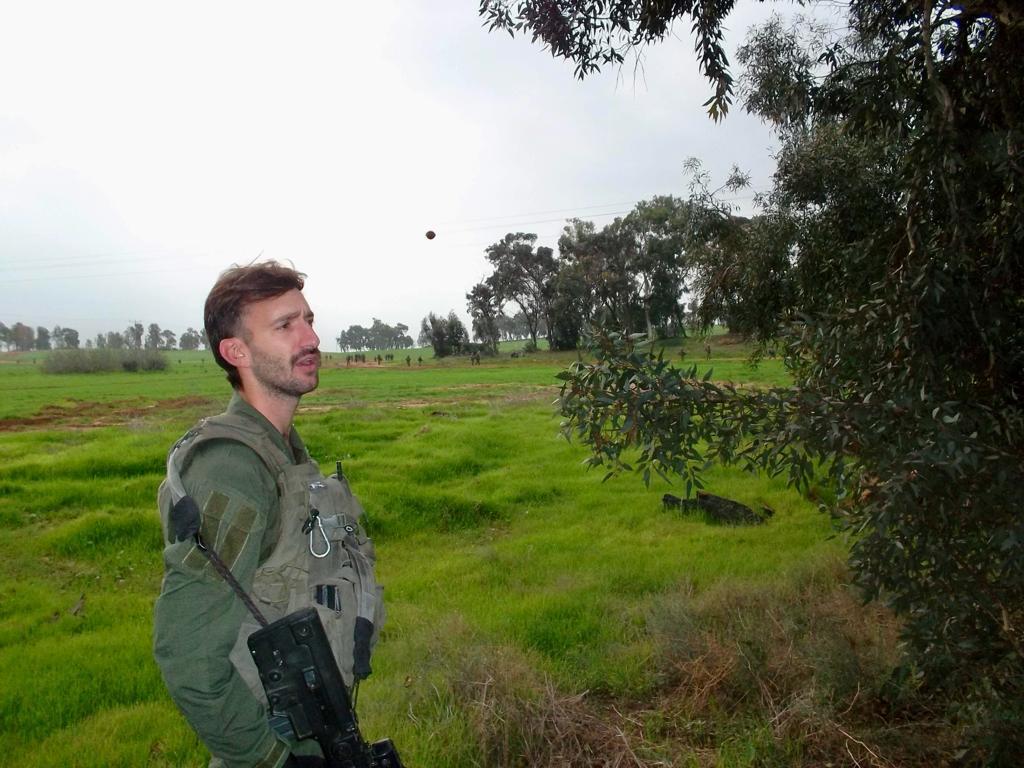
Sgt. First Class Michael Gal
(Photo: IDF spokesperson's unit)
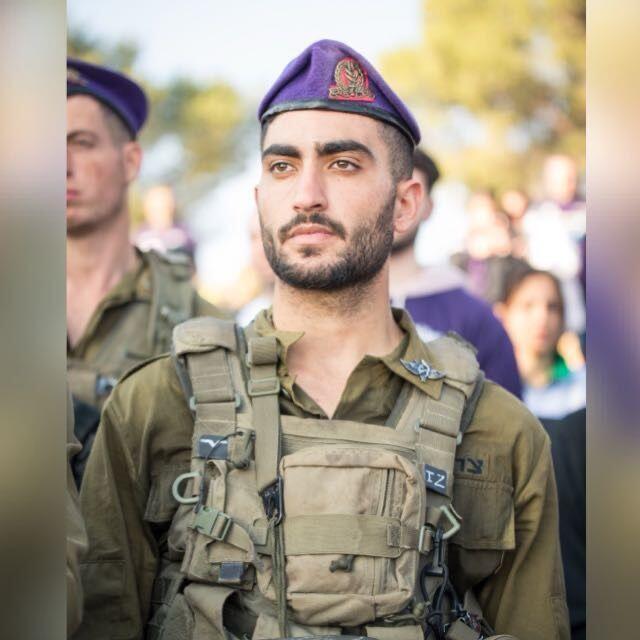
Staff Sgt. Ido Eli Zrihen
(Photo: IDF spokesperson's unit)
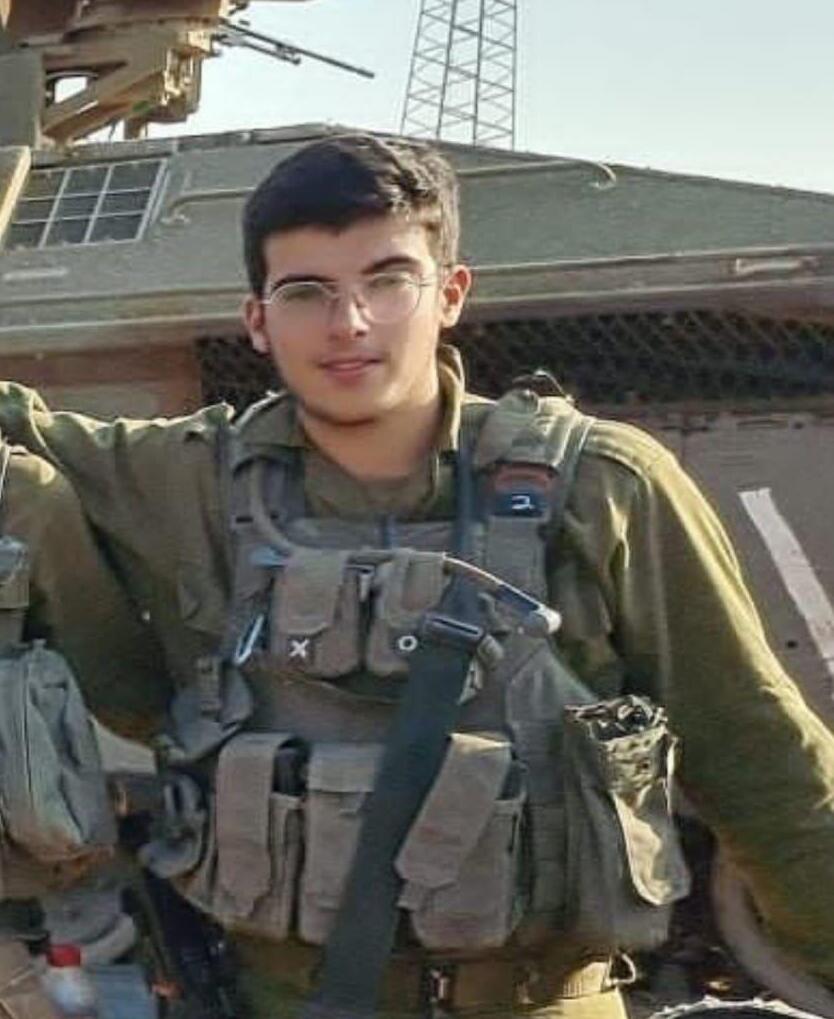
Staff Sgt. Ido Testa
(Photo: IDF Spokesperson unit)
On Meir’s neck, on both sides, are tattoos connected to his son Ido. "I did not have tattoos before", he says. "Now all of us have tattoos on our bodies. Only Ariel has not done one yet."
Shai says he initially opposed the idea but later chose to commemorate his son with a tattoo as well as through a children’s book written by his wife.
"I identified my son by his tattoos", Gal says. "I first told them it was not my son, that they were mistaken, and that I wanted to see his tattoos. They uncovered his right arm. When they reached the elbow, I said, “That's my son. Let us proceed with the burial.”
Alongside the grief, they open beer bottles and manage to say the familiar word, ‘cheers.’ Meir says his son loved alcohol and parties, and for him, this is the right way to remember him.
"I imagine they are up there just like us, probably looking at us right now", he says. "Sometimes on Fridays, it feels like they want us to leave already, that they also need their time up there."
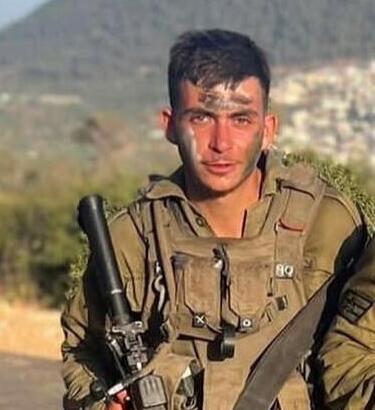
Sgt. First Class Roi Sasson
(Photo: IDF Spokesperson unit)
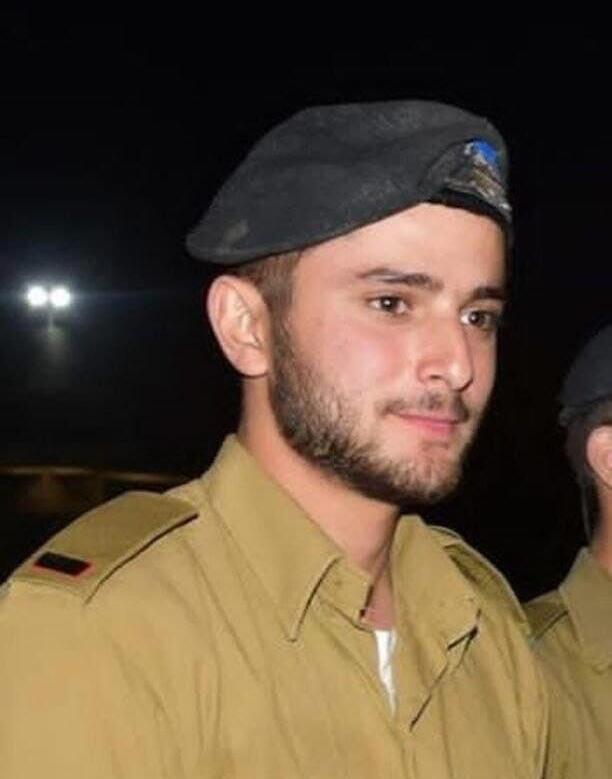
Capt. Ido Voloch
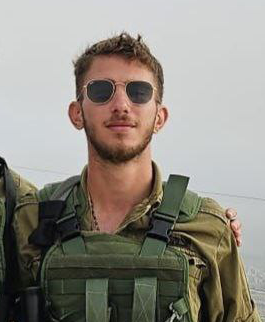
Sgt. First Class Yonatan Levit
"Our greatest fear is that everyone will move on and forget our children", Ariel says. "I don't think there will ever be consolation, but I know my Ido was where he wanted to be."
Gal adds, "The most comforting thing is that these children were men and heroes. They went to save the country at a very difficult time. They left everything just to be there. We paid the price. There are thousands like us. We are proud of our children."
Ariel responds, "That's the story. They chose to be there, even though we are the ones who carry the pain. Not them."
"In the end, I want them to be remembered", Meir says. "That their memory will not fade with time, that they will be worthy of what we sacrificed. When I return home from here on Friday, I leave differently from how I arrived. We understand each other exactly. This Friday gives us tremendous strength. We support one another. When you give, you receive. These gatherings saved me during the hardest period of my life."