

The IDF closed a major chapter this week as Chief of Staff Lt. Gen. Eyal Zamir released findings from dozens of internal probes into the failures of Oct. 7. But the move also opened new political and public battles over who bears responsibility for Israel’s worst security disaster in decades.
Zamir’s decision stood in stark contrast to what many Israelis see as the government’s near-total avoidance of similar scrutiny. His announcement addressed the lingering national question — how a sophisticated defense system collapsed in a matter of hours — while signaling that senior commanders would not be shielded from blame.
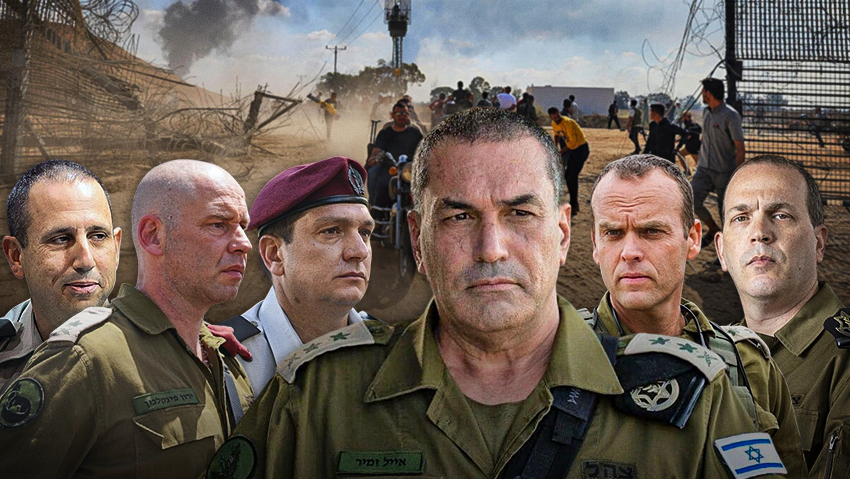
In recent days Zamir summoned senior officers, issued reprimands and removed several from reserve duty, relying on conclusions from the committee led by Maj. Gen. (res.) Sami Turgeman. The IDF is now the only national body to conduct a comprehensive review of the lead-up to the attack, including identifying failures and naming officers responsible. That reality is likely to suit the government and officials in the State Comptroller’s Office, who have long argued that most accountability belongs to the military and the Shin Bet.
Some critics say Zamir’s approach, first reported by Ynet, aligns with Prime Minister Benjamin Netanyahu’s narrative that military lapses were the central cause of the catastrophe. They note that responsibility was assigned following internal interviews rather than through a formal, independent inquiry, and they point to shifting IDF positions on establishing a state commission and to questions surrounding the selection of the next Shin Bet chief. Together, they argue, the moves raise concerns that Zamir has chosen to fight certain battles and let others go.
A key question now is whether the Turgeman Committee — which validated, challenged and tied together multiple IDF investigations — will help Israel understand what went wrong and how to prevent a repeat.
Military inquiries are not meant to act as courts. Their purpose is to establish facts for families of the dead, the injured, the displaced and a public still trying to grasp how the defense system unraveled. But the longstanding model of units probing themselves has drawn criticism from families and experts who say trust is difficult when commanders review their own chains of command.
(Photo: IDF)
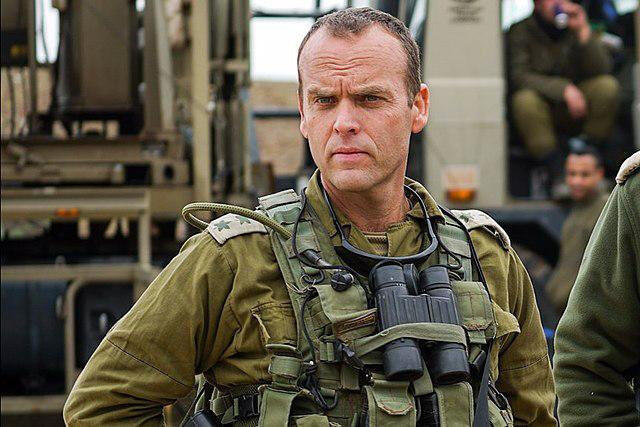
This structure meant that several senior officers who played central roles on Oct. 7 were involved in reviewing or completing parts of the investigations touching on their own actions. That included Maj. Gen. Shlomi Binder, now head of Military Intelligence, who oversaw the Operations Division within the directorate on the day of the attack.
The IDF set out three goals: to reconstruct the factual record, to draw broad operational lessons and to prepare for the next confrontation. Intelligence troops brought back an enormous trove of captured material from Gaza — tens of millions of files and years of video — showing the extent of Hamas’ planning.
The picture that emerged was what intelligence officers call a “perfect storm.” Hamas’ plan functioned as intended while critical Israeli systems failed, from senior decision-making down to tactical defenses. The hours before the attack, often described as a single disastrous night, were not the cause but the final expression of long-standing warning signs, flawed assumptions and institutional neglect.
The third goal — extracting lessons to ensure Israel is not caught off guard again — remains the most urgent. Officials argue the country cannot afford another lapse, not in a decade and not in a generation. A failure to fully understand the breakdown, they say, all but guarantees a repeat.
The failures extended far beyond the IDF. Police, emergency services, local authorities, the Shin Bet and the National Security Council were all involved in the events of that day. Each organization has reviewed only its own actions, if at all. Analysts warn that examining the military in isolation cannot produce the full picture the country needs.
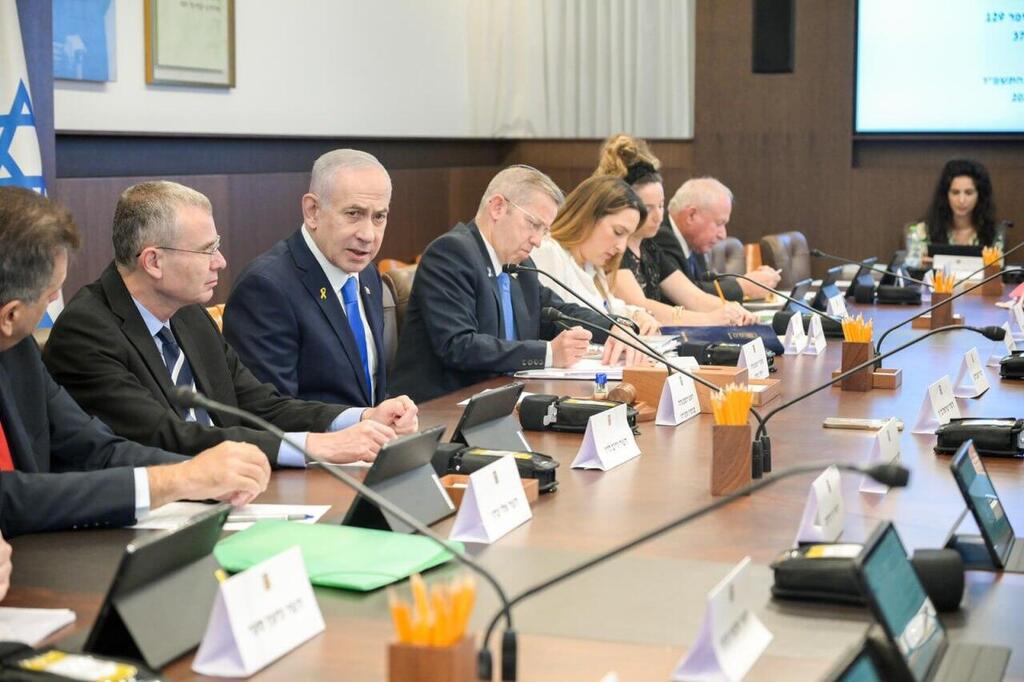
The government has repeatedly blocked attempts to form an external, independent investigative body. Former chief of staff Shaul Mofaz was proposed to lead a broad inquiry but the plan was rejected on political grounds. Instead, separate internal reviews proceeded inside each security body, often with conflicting conclusions, making it difficult to assemble a unified narrative.
(Photo: GPO)
After taking office, Zamir created the Turgeman Committee because many believed the prior inquiries were uneven, incomplete or inconsistent. The panel went beyond its original mandate, reviewing not only the quality of the investigations but also the operational failures themselves. But the work was limited by its small size and the shifting political environment as tensions grew between Zamir and the prime minister.
Only a small portion of the committee’s findings has been made public. Responsibility conclusions were delivered verbally rather than in writing. A recommendation to create a team dedicated to investigating Hamas’ attack plan, widely known in Israeli intelligence as “Jericho Wall,” was not adopted.
The committee also chose not to assign responsibility to several senior officers who had shaped Gaza policy and intelligence work in the years leading up to the attack but were not in their positions on Oct. 7. Critics say limiting accountability to the precise date of the attack obscures the roots of the failure.
Zamir’s decisions to reprimand commanders and remove others from reserve service are the first concrete disciplinary steps since the war began. But they do not close the story. Internal IDF probes cannot provide a full accounting of wider national failures, nor can they address why repeated warnings over many years did not prompt action.
The unresolved question is whether Israel will ultimately form a broad, independent commission with the authority to investigate the military, police, intelligence agencies and the government itself. Without that, analysts warn, the lessons of Oct. 7 risk remaining incomplete — and the vulnerabilities exploited that day may persist.