

Israel’s strike on Hamas leadership in Doha was bold and lethal, and on one level, morally justified. The men targeted were not politicians but among the masterminds of the October 7 massacre and responsible for the death and destruction inflicted on both Israelis and Palestinians before the attack and since. Few will mourn them.
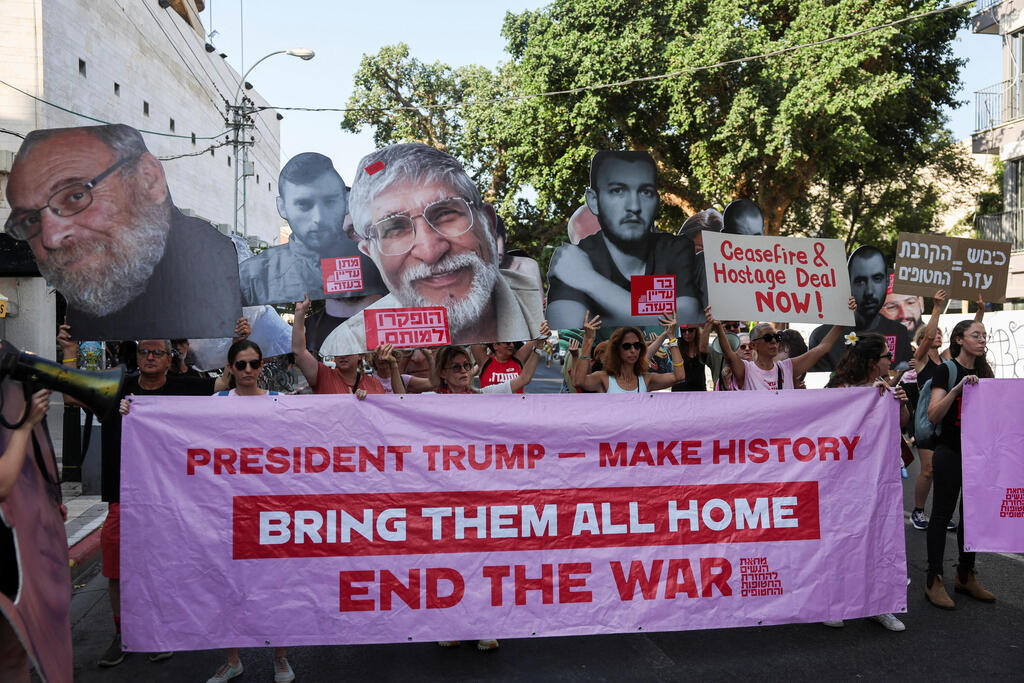
But the strike leaves one glaring question: what does it achieve? Families of hostages are still pleading for their loved ones. The United States and the rest of the world are still pressing for a ceasefire. Instead of opening a path toward ending the war, Prime Minister Benjamin Netanyahu chose an operation that could make it even longer and bloodier.

If the Trump-brokered ceasefire proposal was used as bait to gather Hamas leaders in one place before striking, the implications are damning. It would mean Israel’s leadership deliberately raised the hopes not only of hostage families but of much of the nation, turning a promise of peace into a trap. The message of possible release and resolution was dangled, then broken for the sake of another military blow. And yet the hostages remain in Gaza, no closer to being saved despite assurances from the usual state officials.
Their situation now may be even more perilous. No one knows how Hamas will respond. The hostages could be executed in retaliation, tortured further or used as pawns in a new spiral of abuse. By striking in Doha, Israel may have satisfied the demand for revenge, but also increased the risk to its own citizens in captivity.
And for the Israeli public, the strike does not bring a sense of victory. It brings dread. After nearly two years of fighting since the October 7 terrorist attack, even striking senior Hamas leaders abroad, if successful, feels less like a turning point and more like another exhausting step in a war with no end in sight.
(Photo: REUTERS/Sergio Flores)
Attacking Hamas leaders overseas, if it succeeded, also does not guarantee the collapse of the terrorist group in Gaza. It may do the opposite, pushing commanders there to fight to the last man rather than surrender in humiliation. Pride and defiance can keep a conflict burning well beyond the point where logic would dictate its end.
Then there is the question of where the strike happened. Qatar is not at war with Israel. It has been a mediator in ceasefire and hostage talks, one of the few channels—however flawed—still open. By striking in Doha, Israel has not only expanded the battlefield but also jeopardized a fragile line of diplomacy. The message is clear: Israel will use force anywhere, even if it undermines negotiations that might one day bring its people home.
Yes, those targeted in Doha, if they were killed, deserved their fate. But eliminating them—or even striking at them—does not equal victory. Israel has once again proven it can strike its enemies anywhere. What it has not proven is how these strikes bring the war closer to an end, free the hostages or prevent the next cycle of bloodshed. Power without strategy is not strength. It is drift. Bad leaders focus on being right; good leaders focus on doing what is right.
- Liran Friedmann is a writer and editor at Ynet Global