



On paper, the government’s objectives for Gaza seem broadly agreeable: dismantle Hamas’ military capabilities, demilitarize the region, establish Israeli security control, install a new governing authority and, above all, secure the release of hostages.
Yet, as with most government decisions since the war began, a yawning gap separates these seemingly strategic resolutions from reality. This disconnect fuels global skepticism about Israel’s judgment, eroding trust in its leadership.
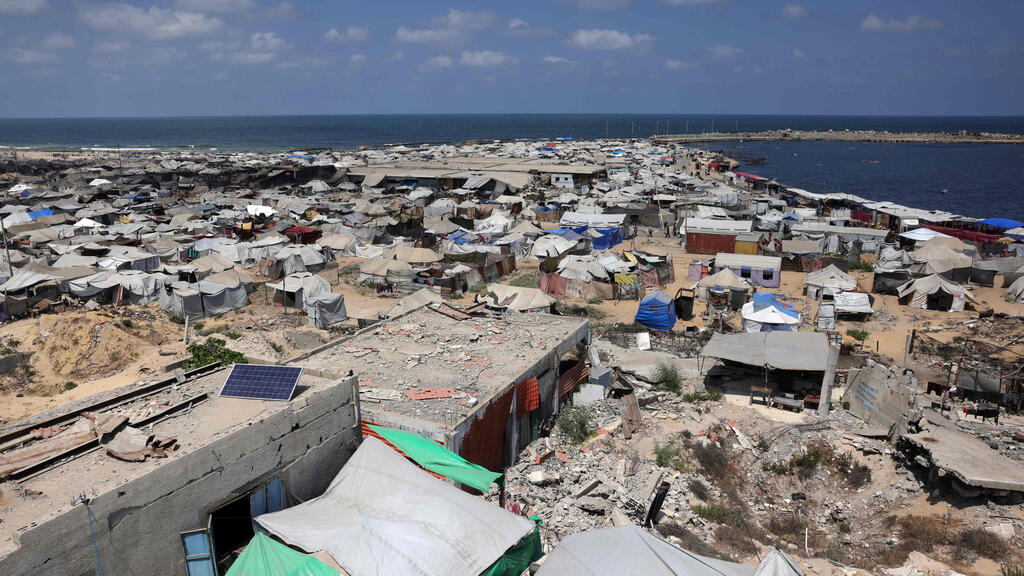
Every aspect of the plan raises serious questions about its feasibility. How exactly will nearly a million Palestinians be evacuated from Gaza City, and what happens if some refuse to leave? Has the government not realized that decisively defeating Hamas and freeing hostages may be mutually exclusive goals?
Who is the vague entity supposed to govern Gaza? And why expand the failed Gaza Humanitarian Foundation (GHF), which is likely to falter further under an increased workload? The government’s decision is merely the latest chapter in a series of fantasies that are proposed, fail, go unexamined and perpetuate the same flawed assumptions.
This plan echoes the misguided logic of the “humanitarian city” plan or the fixation on U.S. President Donald Trump’s vision: a belief that reality and perceptions can be engineered mechanically, with economic might reshaping existence—a core flaw of the mindset that led to October 7, 2023.
Many in the government, particularly its leader, boast deep historical knowledge yet repeat past mistakes, including their own, such as fostering militias and clans, ignoring lessons from Israel’s recent and distant history.
Prime Minister Benjamin Netanyahu now tries to convince the international community that he aims to “liberate Gazans from Hamas”—a message delivered in English, as the Israeli public would reject it outright.
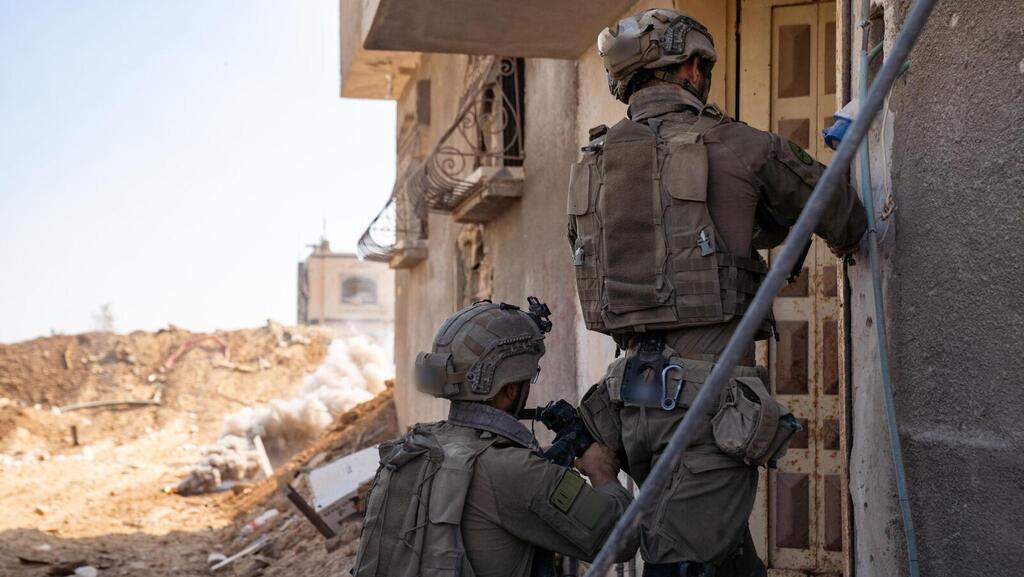
IDF troops in Gaza
(Photo: IDF Spokesperson's Unit)
Such marketing efforts failed in America’s wars in Vietnam and Iraq, the Soviet campaign in Afghanistan and Israel’s 1982 operation against Lebanon. Local populations never saw foreigners as liberators, and Gazans - whose hostility toward Israel has surged during this war - are unlikely to be an exception.
Instead of a full takeover of Gaza, the government opted for a halfway measure: seizing and emptying Gaza City. This reflects a harmful tendency to choose compromise over decisive action, as seen in past reliance on raids instead of territorial control or the creation of the GHF as an indirect means to topple Hamas.
Get the Ynetnews app on your smartphone: Google Play: https://bit.ly/4eJ37pE | Apple App Store: https://bit.ly/3ZL7iNv
Deep down, most of the government seems reluctant to govern two million Palestinians, thus prolonging the war through indecision. “The world must unite to stop this oppression,” the rhetoric goes, but half-measures only extend the fighting.
Even before implementation, the plan is exacting a heavy toll on Israel, accelerating a global backlash expected to peak in a month with widespread recognition of a Palestinian state. Beyond international criticism, troubling signs include Germany—a steadfast ally—refusing to sell Israel weapons that could be used in Gaza.
Israel seems unwilling to acknowledge that the sympathy and credibility it gained after the October 7 massacre are fading. The world no longer accepts its actions and doubts the government has clear objectives beyond perpetuating the war.
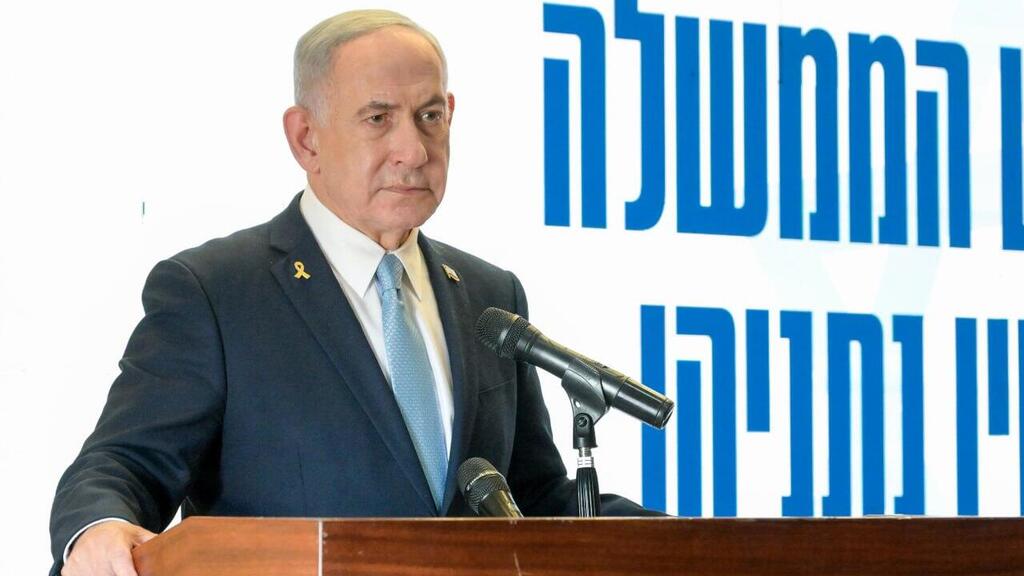
Prime Minister Benjamin Netanyahu
(Photo: Maayan Tuaf/GPO)
Netanyahu stands out among Israel’s prime ministers, who, since the state’s founding, have grappled with Gaza’s dilemma: a desire to control the territory but a reluctance to manage its largely refugee population, what Levi Eshkol called “a problematic bride accompanying the dowry of the Land of Israel.”
After much deliberation, leaders like Rabin, Sharon, Ben-Gurion, Olmert and even Netanyahu himself in 2014’s Operation Protective Edge chose withdrawal or avoided occupation. During that operation, a leaked IDF presentation, likely aimed at pressuring against a takeover.
Those in Israel advocating for conquest, dismissing ceasefires as “reckless,” fail to honestly explain the costs: abandoning hostage releases, prolonged entanglement in Gaza’s quagmire, unprecedented strain on reservists and deepening global isolation.
They also avoid reflecting on the flaw of a leadership responsible for October 7—a possible minority—imposing a drastic move that could reshape Israeli life and the nation’s image. Some mask ideological motives for takeover with arguments about strategy and security, perhaps to make the idea more palatable or because messianic slogans lack broad public support.
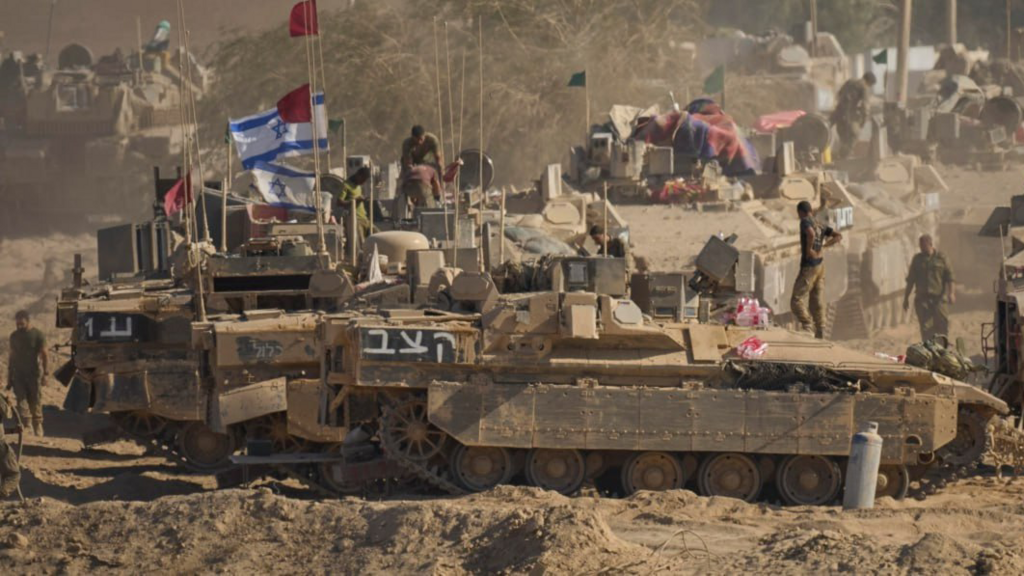
IDF forces in Gaza
(Photo: Amir Levy/Getty Images)
This takeover decision reinforces the sense that Israel is steadily losing the war’s impressive gains while accumulating severe strategic damage, particularly a sharp decline in its global standing and growing internal divisions over the war’s purpose.
History rarely sees such a confident march toward disaster, despite countless warning signs and opportunities to pause. If historian Barbara Tuchman were alive, she would likely dedicate a chapter—or an entire book—to Israel’s folly in Gaza.
Dr. Michael Milshtein is an expert on the Palestinian Arena and the Head of the Palestinian Studies Forum at the Moshe Dayan Center for Middle Eastern and African Studies at Tel-Aviv University.