

In a move that surprised few observers, the royal palaces of all 22 Arab states have maintained a resounding silence in response to the widespread protests and brutal crackdowns in Iran. The same goes for the Arab foreign ministries, often known for more blunt rhetoric than their ruling monarchs. The official line that they hide behind is that this is an "internal matter" in which they will not interfere.
Behind closed doors, however, special situation rooms have been set up across the Arab world. Intelligence agencies are in constant consultation with each other and with American officials. Their immediate concern is preventing unrest in Iran from spilling over into their own countries—especially those where widespread poverty could become fertile ground for unrest.
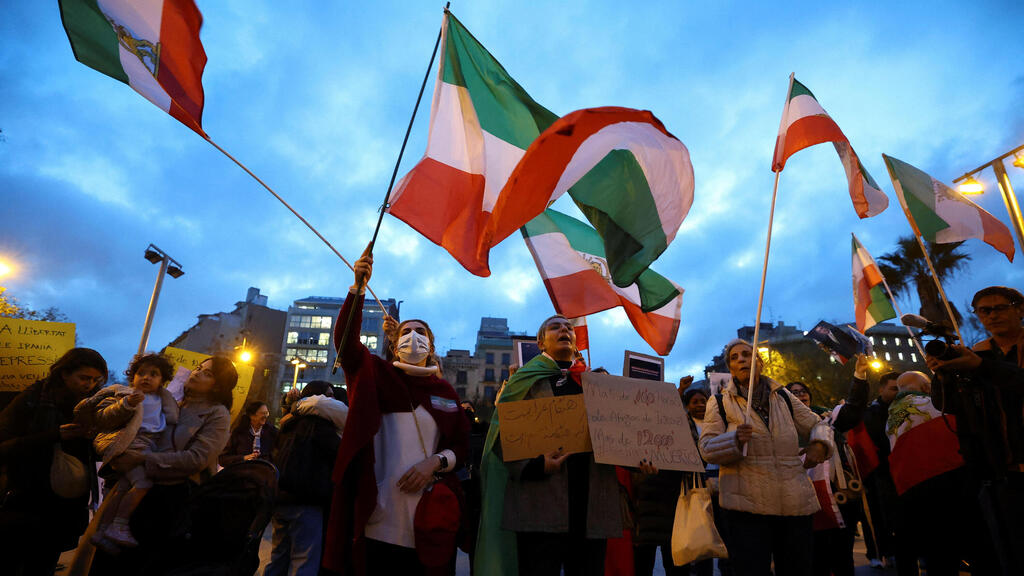
In Egypt, for example, strict anti-protest laws mean that anyone taking to the streets faces immediate arrest. Instead, dissent has largely moved online, where many write under pseudonyms—though some do bravely speak out in support of the Iranian protesters.
Yet amid the silence, a clear voice of dissent has emerged—from Beirut. In a sophisticated interview with Sky News Arabia, Lebanese Foreign Minister Youssef Rajji voiced deep frustration with the Iranian Revolutionary Guard Corps’ (IRGC) interference in Lebanese affairs. His comments came in the wake of an official visit by Iranian Deputy Foreign Minister Abbas Araghchi, who insisted on traveling to Beirut despite resistance from Lebanese leadership. The president, prime minister and Foreign Minister Rajji had proposed meeting instead in a neutral country and refused to travel to Tehran.
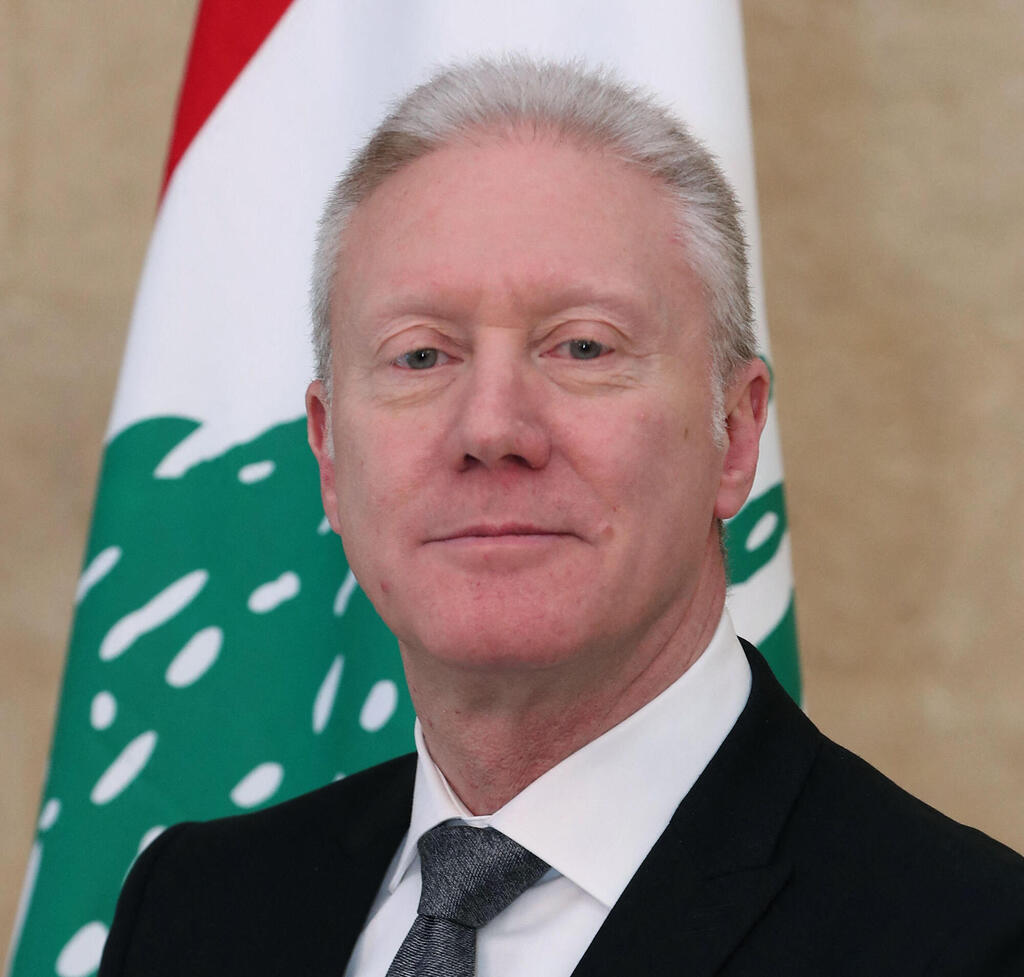
Lebanese Foreign Minister Youssef Rajji
(Photo: Lebanese Presidency/AFP)
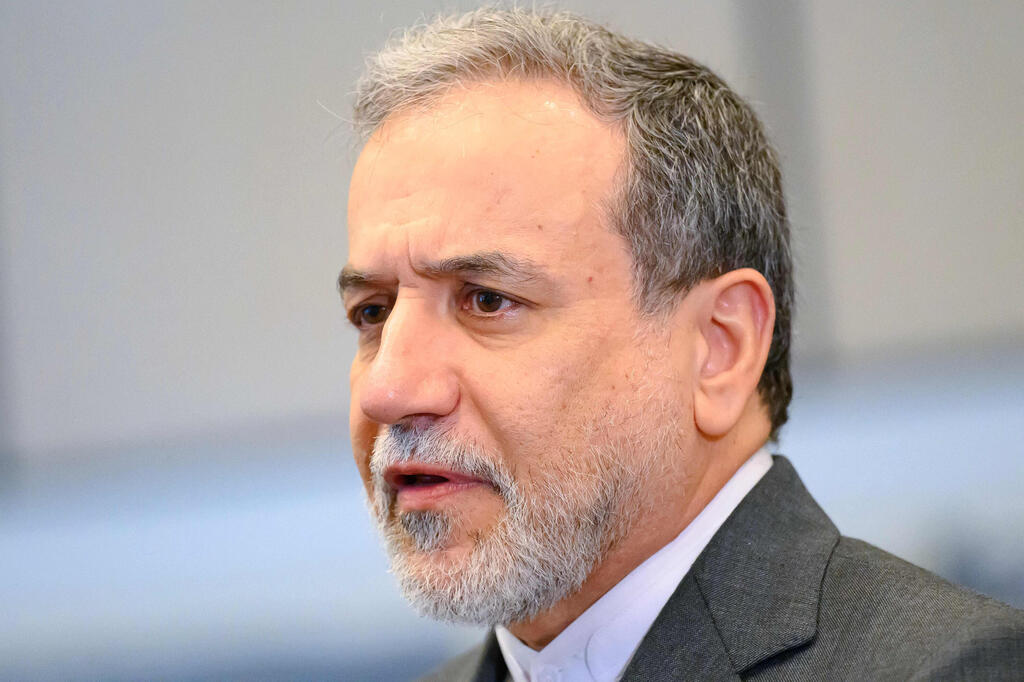
Iranian Deputy Foreign Minister Abbas Araghchi
(צילום: AP Photo/Mehmet Guzel)
The pretext for Araghchi’s visit was the launch of the second edition of his book "Negotiations: the Power of Diplomacy," which was published in Lebanon and has become a bestseller in the Arab world. The new edition includes a significant new chapter on Iran’s “hardline negotiations with Israel.” But what was supposed to be a cultural event quickly turned into a political tour, with Araghchi making the rounds at Lebanon’s top government offices. As expected, he insisted on meeting Hezbollah’s deputy leader Naim Qassem without any official escort.
Now, in his Sky News interview with veteran journalist Imad Adeeb, Minister Rajji has spoken out sharply against Iran’s involvement in Lebanon. It is worth noting that Rajji is not a fringe voice—he is one of the five most senior figures in the Lebanese government.
He accused Tehran of arming Hezbollah, an organization considered illegal in Lebanon, and sending it funds. Lebanon’s government, he said, had nearly completed the disarmament of Hezbollah in the south and was preparing to do the same in central regions—if Iran refrains from interference. “But the Iranian foreign minister insisted on telling me,” Rajji recounted, “that Hezbollah is a legitimate organization operating against Israel. I explained that Hezbollah is illegal and interferes with our military’s missions.”
 Smadar Perry
In a revelation that underscores the growing mistrust, Lebanese intelligence reportedly seized four suitcases Araghchi brought with him, ordering their return to the plane. Authorities suspect he was attempting to use his diplomatic immunity to smuggle money or “prohibited materials” to Hezbollah. While the suitcases were not opened, Rajji stressed that “we must keep our eyes wide open.”
Though Rajji delivered his comments with a smile, the message has resonated across the Arab world. Notably, he emphasized that Lebanon still wants Israel to withdraw from its territory—but acknowledged that Israel has made clear it will not leave until Hezbollah is fully disarmed. “And we,” Rajj concluded, “have no choice, because this was agreed upon with Israel in the presence of American and French representatives. The Israeli demand,” he noted pointedly, “is justified.”