


There are no more excuses. They ended with the dismissal of National Security Adviser Tzachi Hanegbi. From now on, it’s Prime Minister Benjamin Netanyahu — and Netanyahu alone — as the last senior figure not to have paid a price for the October 7 failures.
The IDF chief of staff, defense minister, Shin Bet director, Military Intelligence chief, head of the Research Division, Southern Command chief and Gaza Division commander — all gone. Rightfully so. Everyone involved in the greatest security failure in Israeli history, and the worst disaster to befall the Jewish people since the Holocaust, should have taken responsibility. Beyond speeches, letters and tears, this responsibility means stepping down. In the case of elected officials, it means seeking a renewed mandate from the public.
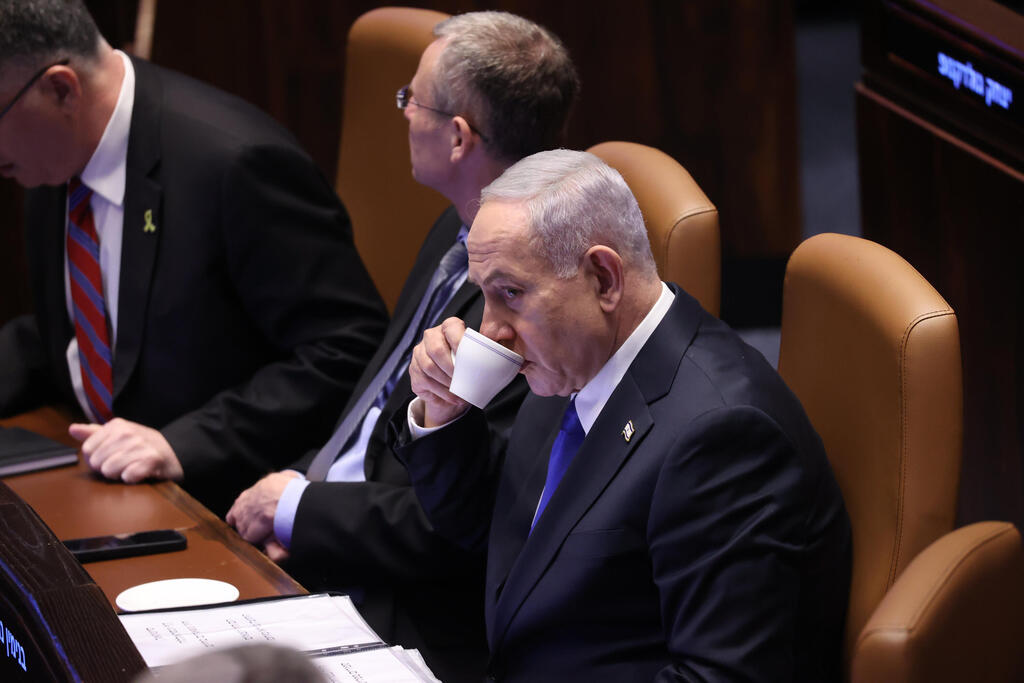
Anyone expecting a moment of reckoning in the Prime Minister’s Office is likely to be disappointed. The rhetoric of national healing stands in stark contrast to Netanyahu’s ongoing refusal to establish a commission of inquiry — despite being the one ultimately responsible. More concerning is how this lack of accountability continues to shape policy in Gaza today.
Take Qatar, for example: On Tuesday, its Foreign Ministry issued a statement quoting Emir Sheikh Tamim bin Hamad Al Thani, who accused Israel of genocide in Gaza and even blamed Israel for violating the ceasefire — this, after a terror attack killed two IDF soldiers and with hostages’ bodies still held by Hamas. These are the same Qataris with whom Netanyahu forged a strategic partnership, allowing them to transfer cash into Gaza prior to the massacre — money that found its way to Hamas’ military wing.
Now Qatar is back in Gaza in full force. When we first reported that Israel had promised the Americans to allow Doha to participate in Gaza’s reconstruction, the reaction was shock. Today, we’re already seeing Qatari-flagged bulldozers in the Strip — alongside Turkish Islamist NGO IHH.
And these are not even the biggest concerns. A senior Israeli defense official I spoke with voiced concern about the international force expected to deploy in Gaza, sarcastically noting he hopes there are still mosques left standing for its members to pray in — there aren’t. The countries being considered for the force have historically had little sympathy for Israel and troubling records in peacekeeping operations.
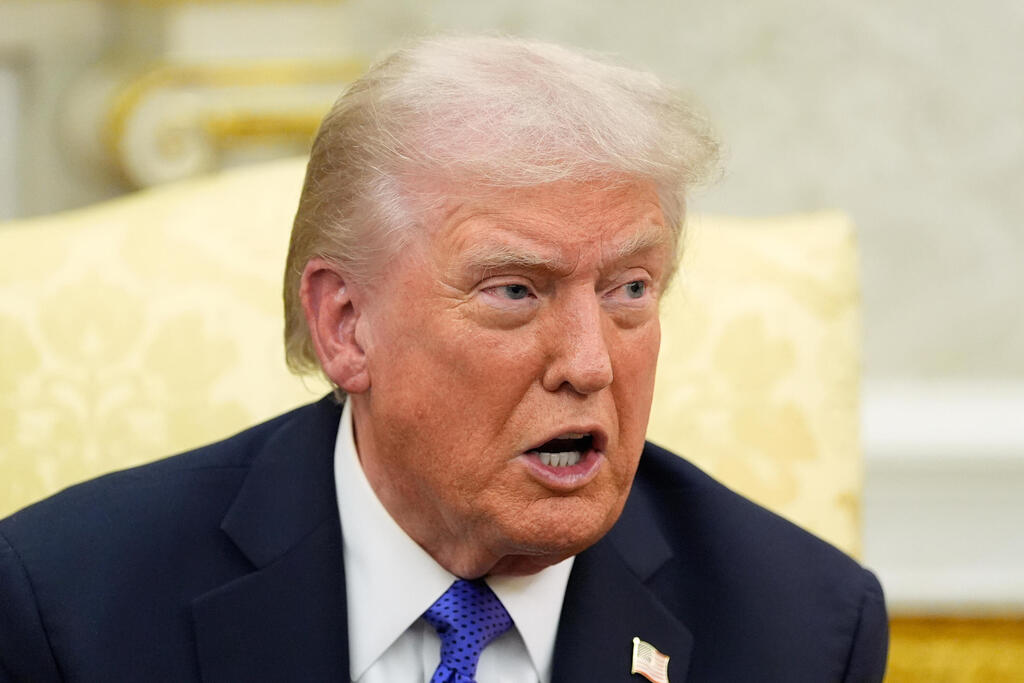
US President Donald Trump
(Photo: AP Photo/Alex Brandon)
The visits of Vice President JD Vance and, next week, Secretary of State Rubio are intended to ensure quiet is maintained and the ceasefire holds. Their presence underscores Washington’s determination to “give peace a chance.”
U.S. President Donald Trump’s threats to eliminate Hamas in Gaza — posted on his social network — shouldn’t be dismissed. But they must be considered alongside other messaging from the administration. And that messaging is clear: the deal is alive, and patience is required.
The construction of a U.S. command center in Israel is a real breakthrough, signaling long-term American commitment to stabilizing Gaza. Arab states — though likely not Qatar — are reportedly pressuring Hamas to undergo “political reform,” adopt a more “civilian” image and relinquish certain weapons. A major transformation? Don’t hold your breath.
Within Israel’s defense establishment, two concerns loom large. First, under Trump’s plan, IDF withdrawals are expected to continue — even if Hamas fails to meet its commitments — all in favor of an unspecified international force. Second, the mere presence of that force would limit the IDF’s operational freedom in Gaza.
 Nadav Eyal Photo: Avigail Uzi
The IDF’s test was in its military operations. The political echelon’s test is securing an agreement. There’s no doubt that Trump’s 21-point plan aligns with Israeli interests. The question is: what will actually be implemented on the ground?
Hamas has already reasserted control over Palestinian society in Gaza. Dislodging it — diplomatically or militarily — requires rare political skill and strategic finesse. Learning from Israel’s past failures in Gaza would help. But that’s something Netanyahu remains unwilling to do.