


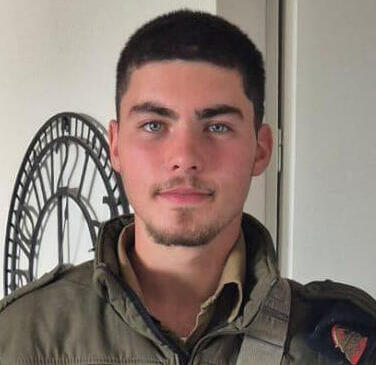
The most significant threat to the forces now is Hezbollah's use of fiber-optic FPV attack drones. This is not another exceptional incident — it is an incomprehensible reality. The tragic incident in which Sgt. Idan Fooks, 19, from Petah Tikva, fell is only the latest in a series of serious events in the fighting in southern Lebanon. Hezbollah is launching drones again and again, operating on the ground as if it were entirely under its control.
Shortly after the grave incident in which Fooks was killed and six other soldiers were wounded, when a helicopter arrived to evacuate them, an FPV drone nearly hit it as well. Last week, a dramatic incident caused by the same threat took place, the details of which are still under wraps. Had it succeeded in causing the planned damage, people would have been talking about it for years, and it would have returned us to full-scale fighting against the terrorist organization. Sixteen soldiers have fallen in Lebanon since the start of Operation Roaring Lion, but that number could have been higher if we do not find a way to deal with the drone threat.
Hezbollah FPV drone strike on IDF forces in southern Lebanon


Time and again, it appears to be the same pattern. This is no longer an emerging threat but a real, established danger — and it is likely the most problematic threat today on the northern front, mainly because there is currently no sufficient response to it.
But what is truly inconceivable is the indifference. It seems that, apart from IDF brigade commanders and residents of the border area, both of whom are suffering from ongoing fire, the UAV threat does not trouble senior military officials or the political echelon enough.
We have already learned that when the IDF initiates action, and when the IDF and Mossad concentrate their efforts, they know how to reach even the most difficult targets — even locating Ali Khamenei underground. So how is it possible that Hezbollah’s UAV commanders are operating in southern Lebanon almost undisturbed?
The answer may lie in the gap between tactics and strategy. The IDF is pressing the political leadership to deepen the fighting and return to striking Beirut. Trump still does not allow it, and the Iranian arena is linked to Lebanon, contrary to Israel’s interest.
One of the significant achievements of the current campaign is that Iran has ceased to be an Israeli problem alone. Under cover of the war, Tehran has become a shared challenge for Israel, the United States and the Gulf states. This is a dramatic development with regional and global significance.
But Lebanon is a different story. Lebanon matters to Iran, which wants to protect Hezbollah, but not to Donald Trump, who mainly wants a ceasefire — even at the price of Hezbollah continuing to operate. Southern Lebanon matters to him even less. And so, a dangerous gap has emerged.
Those who have not returned to normal are the residents of the north, and those for whom the war continues day after day are the regular and reserve ground forces. This is a reality that must not be accepted.
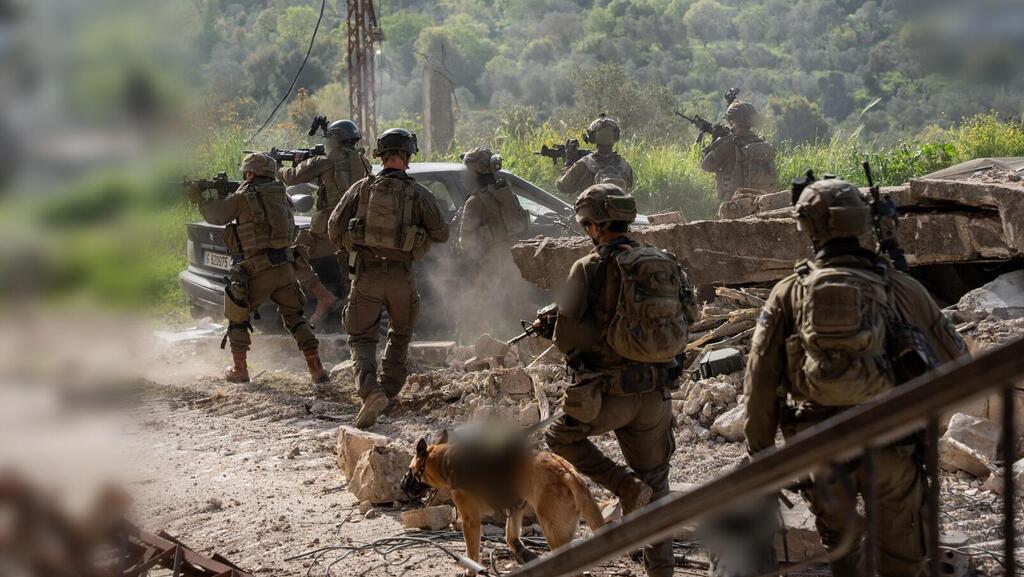
IDF forces operating in southern Lebanon
(Photo: IDF Spokesperson's Unit)
In the IDF of 2026, people speak of “If someone comes to kill you, rise early and kill him first.” There has been improvement in the readiness to initiate attacks compared with what existed before the October 7 disaster, but this is not the standard required. This is not the new reality that was promised.
On the ground, we have improved our position compared with where we were during Operation Northern Arrows — but in terms of aerial freedom of action, we have gone backward. One must hope this problematic situation is temporary, until Trump returns to the war against Iran and we can continue acting to create a different reality in Lebanon. But we cannot allow this window of time to last too long.
The danger is a slide into a dangerous routine of indifference. As the prime minister told a resident of Kiryat Shmona: “You are boring us.” The distance between boredom and sinking into the Lebanese mud is very short. Then those in constant danger are the soldiers on the ground, instead of the issue being decided at the political and General Staff levels.
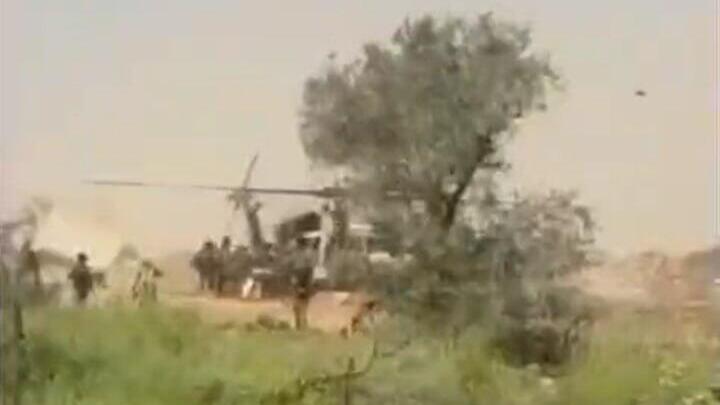
The moment the drone exploded next to the helicopter that was evacuating the wounded
So what should be done in the meantime? An improved security reality requires multidimensional, multi-branch and systemwide action. When you do not initiate, you take hits. In the current situation, it is not enough to respond — we need to be two steps ahead, and the first operational test is clear: UAVs and explosive drones.
Air Force Commander Tomer Bar is presenting significant achievements in more distant arenas, but on the nearby front, ongoing gaps are evident — especially in providing a response that will protect ground forces and residents of the confrontation line from the drone threat. This may sound like a tactical matter, but it is the central challenge now and, at the moment, there is no sufficient response to it.