


In June 1982, the day after the capture of Beaufort Castle, Israelis heard Prime Minister Menachem Begin ask Defense Minister Ariel Sharon whether “they had machine guns.” As happened again this weekend, troops from the Golani Brigade’s reconnaissance unit captured the fortress. At the time, however, it was held by members of the Palestine Liberation Organization — specifically Fatah fighters led by Yasser Arafat.
In May 2000, when the IDF withdrew hastily from southern Lebanon after the collapse of the South Lebanon Army, IDF troops demolished the tunnels beneath the Beaufort outpost. When I asked why they were blowing up a Crusader-era site, I was told: “So Hezbollah won’t establish itself here.” Hezbollah did establish itself there, and this weekend the IDF was forced to capture the area once again.
IDF troops capture Beaufort Ridge, southern Lebanon
(Video: IDF)


That historical context is important for putting current events into perspective.
Prime Minister Benjamin Netanyahu may understand military affairs better than Begin did, but that does not prevent him from celebrating a tactical achievement that contributes little to solving the real strategic problem: Hezbollah’s threat to northern Israel.
The capture of the Beaufort ridge and the eastern section of the Nabatieh Heights pushes Hezbollah’s firepower — including drones — farther from the Galilee Panhandle, particularly from Metula.
Hezbollah built extensive military infrastructure in the Nabatieh Heights, much of it underground. The facilities were used to launch rockets, drones and mortars at northern Israel while remaining largely protected from airstrikes because they were concealed.
Images released by the IDF show that virtually every village in the area — including Arnoun and the eastern and western Zawtar villages — contained Hezbollah positions stocked with weapons, advanced explosives, “dress” bombs disguised as rocks and intended to detonate against advancing troops, and numerous other military assets.
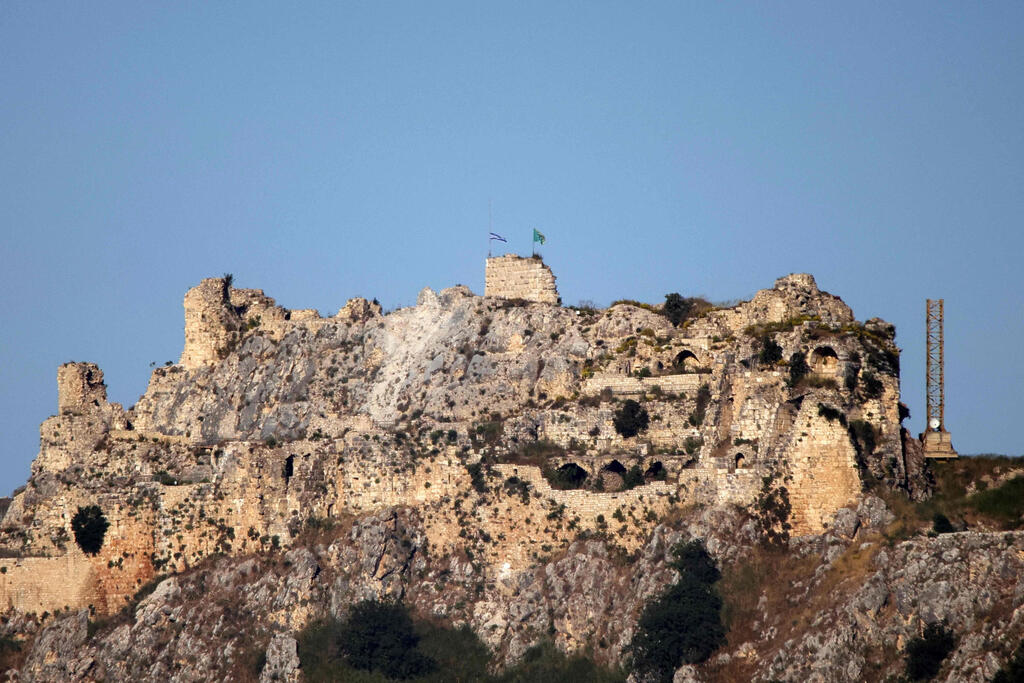
The Beaufort ridge also provided observation and fire-direction capabilities covering communities across the Galilee Panhandle.
In that sense, the capture of the area improves security and makes it more difficult for Hezbollah to operate. But it also places Israel and the military in a dilemma.
If Israeli forces remain there, the history of a war of attrition may repeat itself. Unlike the years when Israel maintained a security zone in southern Lebanon, however, there is no South Lebanon Army today to shoulder the burden with Israeli troops. The military is already operating on at least three active fronts and faces a shortage of more than 10,000 combat soldiers.
The alternative is to withdraw after a ceasefire agreement, as happened in the fall of 2024. In that case, Hezbollah could return and resume attacks, as it is already doing now. Indeed, recent rocket fire toward Nahariya and Acre suggests exactly that scenario. There is another problem.
During the 1982 Lebanon War, Israeli forces entered Lebanon along several axes with seven divisions and rapidly advanced to Beirut. The PLO was thrown off balance and, after a brief siege of western Beirut, agreed to leave Lebanon.
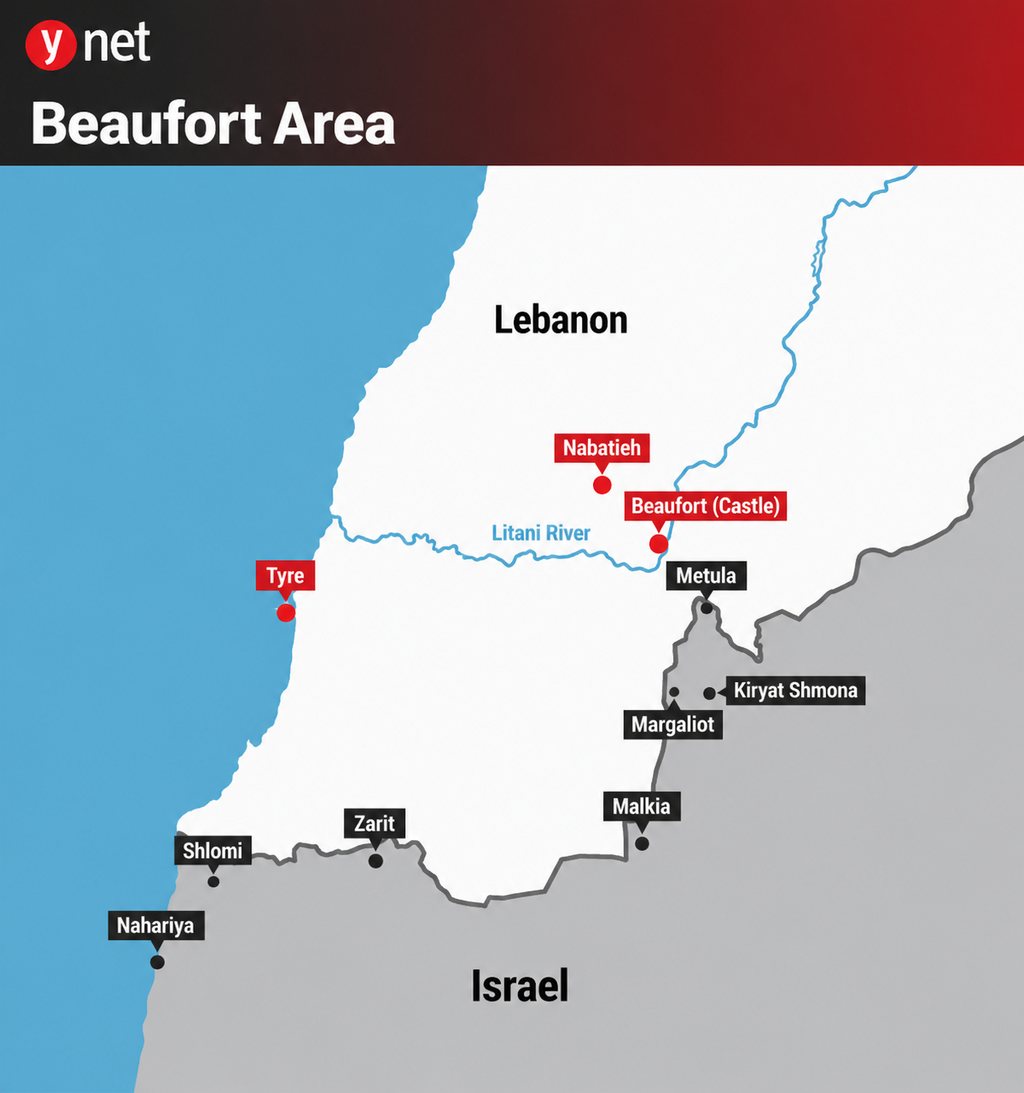
This time, because of restrictions imposed by U.S. President Donald Trump on Netanyahu, the IDF is advancing step by step at a pace that runs counter to traditional offensive military doctrine.
Operations are being conducted along a single axis and at a gradual pace, allowing Hezbollah to regroup repeatedly and impose casualties on Israeli forces.
That is the nature of a war of attrition, not an offensive campaign aimed at achieving a decisive outcome.
Netanyahu was correct when he said that “this will take time.”
The problem is that time, under current conditions — when the IDF has no effective answer to fiber-optic-guided drones and only limited solutions to short-range indirect fire — comes at a human cost and allows Hezbollah to claim success through its continued endurance.
That threat requires a durable, long-term strategic response, not tactical achievements that are likely to erode over time unless they are consolidated into a broader strategy.