

The IDF chief of staff has frozen the release of a sensitive report into the army’s failures during Hamas’ Oct. 7 attack, fearing its conclusions could rattle the Israel Defense Forces (IDF) senior ranks as troops prepare for a major operation in Gaza City.
The report was compiled by a panel led by retired Maj. Gen. Sami Turgeman, tasked with reviewing internal investigations into the deadly assault that killed some 1,200 people in southern Israel and saw about 250 others abducted into Gaza. One of its main focuses is the IDF’s Operations Division, which oversees the deployment of forces in wartime and peacetime.

According to Israeli military officials, the panel concluded that the internal probe into the division’s performance was flawed and incomplete. The findings called for a new investigation, citing gaps in how the division functioned on the night before the attack and its failure to provide timely assessments to the General Staff.
The scrutiny has placed Maj. Gen. Shlomi Binder, who led the division at the time, in an uncomfortable spotlight. Binder was promoted earlier this year to head of Military Intelligence by then-Chief of Staff Herzi Halevi, who argued there was no evidence of personal failings that should block his advancement.
Previous IDF reviews found that Binder and his staff failed to deliver a clear picture of the chaos in southern Israel during the early hours of the assault and were slow in making critical decisions. Still, they noted that the army had never envisioned a mass invasion of the kind Hamas carried out, and judged his overall performance reasonable given the circumstances.
Despite the report marking the Operations Division probe in red — signaling the need for further investigation — current Chief of Staff Lt. Gen. Eyal Zamir continues to back Binder, for now. Zamir has postponed any decisions until after the Gaza City operation, which is expected to last months.
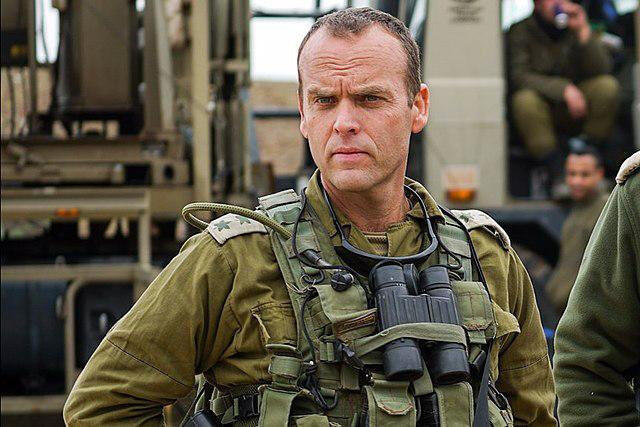
Maj. Gen. Shlomi Binder
(Photo: IDF Spokesperson's Unit)
The Turgeman report remains locked in a safe at military headquarters in Tel Aviv, described by insiders as a ticking time bomb. Since Zamir replaced Halevi in March, senior officers have grown increasingly uneasy, with tensions fueled by suspicions of political interference in how the findings are handled.
Military officials believe political leaders benefit by keeping blame for Oct. 7 focused on the IDF while shielding the government from accountability. Prime Minister Benjamin Netanyahu and his allies have resisted calls for a state commission of inquiry, even as critics accuse them of strengthening Hamas by allowing millions of dollars in Qatari funds into Gaza before the war.
The political backdrop has spilled into senior military appointments. Defense Minister Israel Katz recently blocked two promotions approved by Zamir — citing the officers’ indirect roles on Oct. 7 — while allowing others who were more directly involved in decision-making before the attack to advance.
The IDF said in a statement that Zamir has not yet reviewed the Turgeman report due to the current focus on the next stage of the Gaza campaign. It said the committee was created to review investigations and draw systemic lessons, not to recommend personal measures against officers.