

Iran’s clerical regime launched state-organized rallies across the country on Monday in an effort to counter more than two weeks of nationwide protests against its rule.
State media and outlets affiliated with the regime’s Shiite axis, including Lebanon-based Al Mayadeen, reported what they described as “mass marches” in several provinces. As expected, the demonstrations featured chants against the United States and Israel.
Iran stages pro-regime rallies to counter ongoing economic protests


Branded under the theme of “National Solidarity and Honor for Peace and Friendship,” the rallies are part of the regime’s campaign to portray anti-government demonstrators as agents of chaos and pawns of foreign enemies, particularly Israel and the United States. Pro-regime media claimed that around one million people took part.
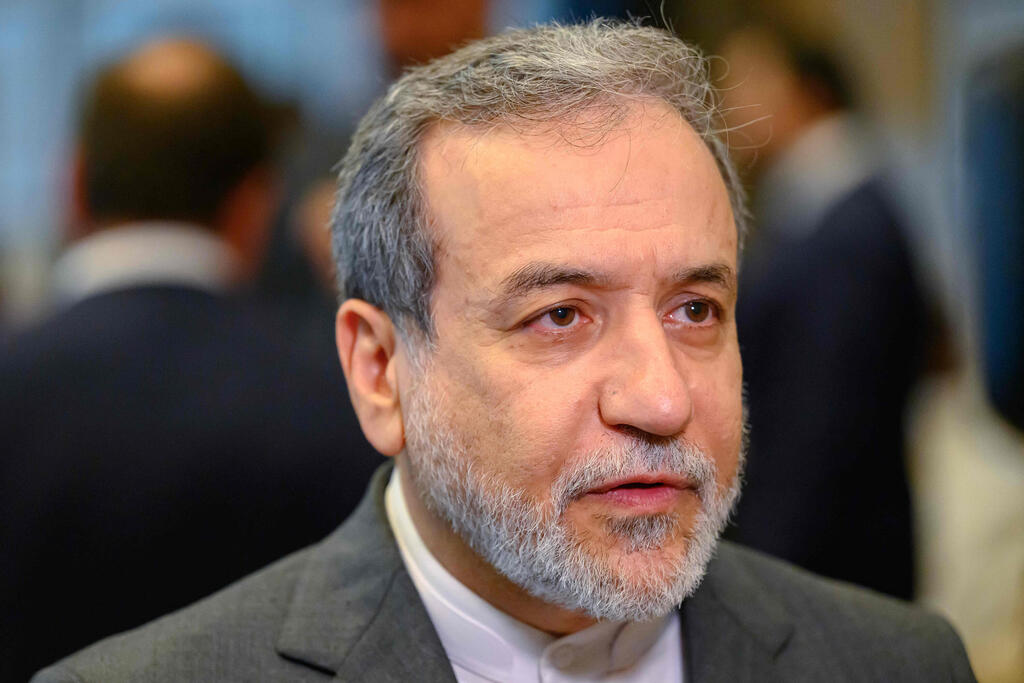
Iranian Foreign Minister Abbas Araghchi said Monday that violence had escalated over the weekend during the protests. He blamed U.S. President Donald Trump for inciting bloodshed, citing Trump’s warning that the U.S. would intervene if Iran killed more protesters. According to Araghchi, such statements gave “terrorists” motivation to harm both demonstrators and security forces to create a pretext for foreign intervention. Still, he insisted, “The situation is completely under control.”
In the background looms Tehran’s repeated threats to strike Israel and U.S. forces in the region if it detects any preparations for an attack against the Islamic Republic. “We are ready for war, but also for dialogue,” Araghchi said.
His comments followed a cryptic post late Sunday by exiled crown prince Reza Pahlavi, son of the shah deposed in the 1979 Islamic Revolution. “Iran’s freedom is near. The blood shed by Iran’s immortal sons and daughters guides our path toward victory. We are not alone. International support will soon arrive,” he wrote, declaring a “new phase of the national uprising” and labeling any regime propaganda organ a legitimate target.
“Employees of state institutions, as well as members of the armed and security forces, have a choice: stand with the people and become allies of the nation, or choose complicity with the murderers of the people—and bear the nation’s lasting shame and condemnation,” he said.
Trump said overnight that Iran has offered the United States a return to negotiations over a nuclear deal, telling reporters aboard his plane, “We may meet them.” He again warned the regime against harming protesters and added that the administration is holding talks to set up a meeting with Tehran, but cautioned that he may be forced to act first.
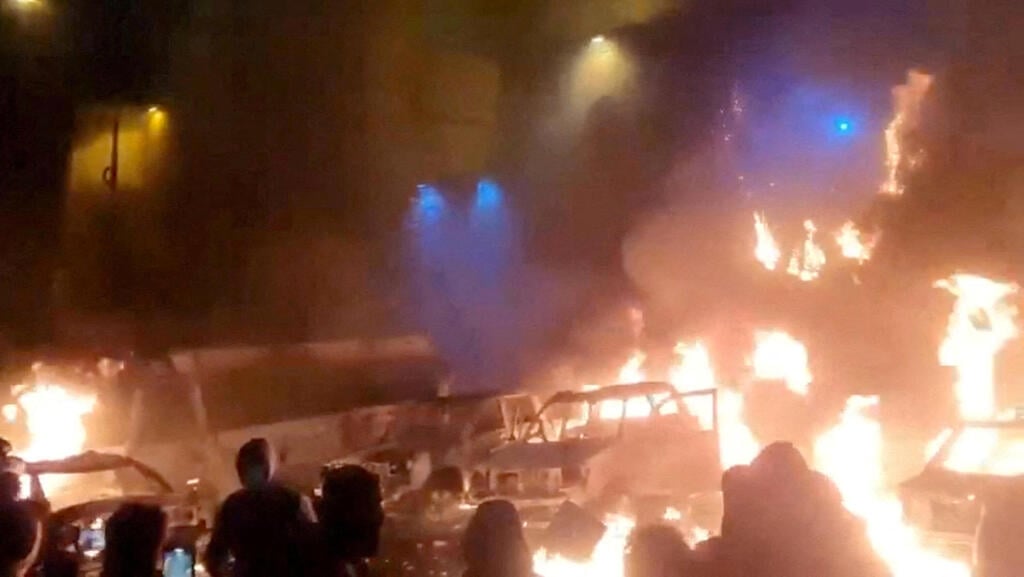
Anti-government protests in Tehran, January 9, 2026
(Photo: Social Media/via REUTERS)
Late Sunday, the Iran Human Rights Activists News Agency (HRANA), a U.S.-based group that relies on a network of sources inside Iran, reported that at least 538 people have been killed since the protests began last month, including 490 demonstrators and 48 members of the security forces, adding that the real death toll appears to be significantly higher.
Israeli intelligence officials estimate that more than 1,000 Iranians have already been killed, with one assessment placing the number above 2,000. HRANA said more than 10,600 people have also been arrested.
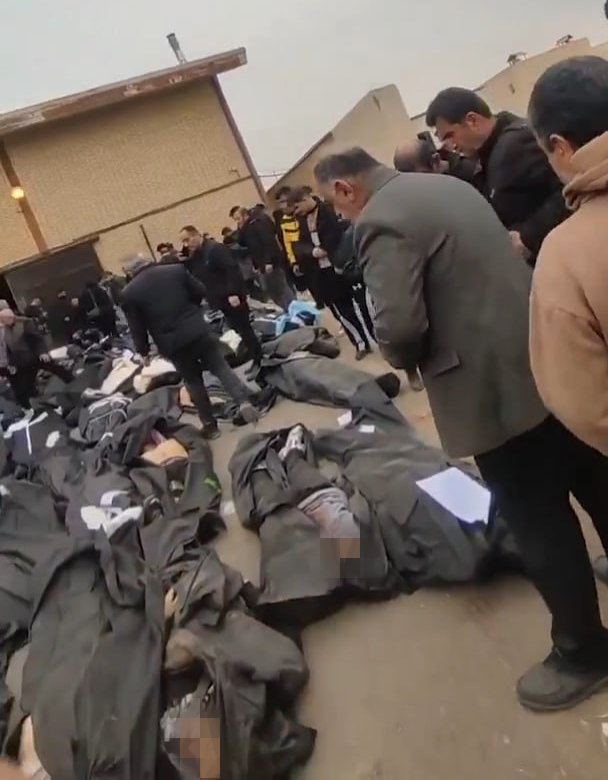
Grim footage emerging from Iran overnight, apparently smuggled out by someone who recently left the country, showed Iranians weeping beside the bodies of relatives killed in the protests. The videos also show long rows of bodies wrapped in bags in the courtyard of a forensic institute. In one clip, images of the dead are displayed on a screen for families to identify them. Beneath one image appears the number 250, suggesting that more than 250 bodies were present at that location alone at the time.
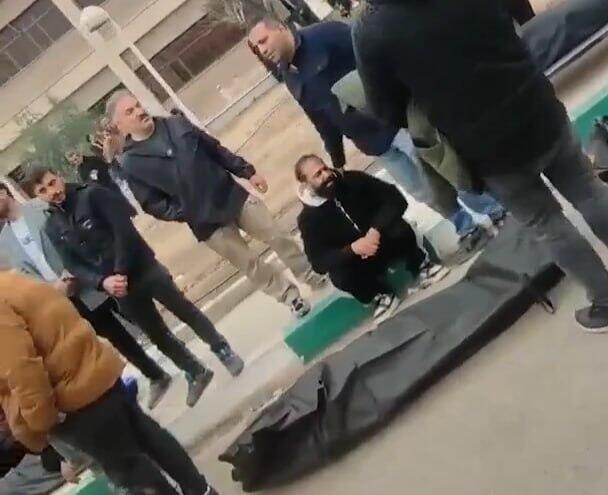
Iranians weeping beside the bodies of relatives killed in the protests
Iran has been almost completely cut off from the global internet since Thursday, when the regime began blocking access to prevent footage of abuses from reaching the outside world and to hinder protesters’ ability to organize. NetBlocks, which monitors internet traffic, reported that connectivity levels in Iran are currently around 1% of normal. On Monday morning, after 84 hours of what has been described as an “internet lockdown,” Araghchi said internet services would be restored “in coordination with the security authorities.”
Two weeks of protest: currency collapse, public anger mounts
The wave of protests in Iran began last month as a spontaneous demonstration by merchants in Tehran’s bazaar, driven by soaring inflation and the sharp collapse of the national currency. The downturn has made it increasingly difficult for Iranians, already burdened by more than 20 years of Western sanctions over the nuclear program, to afford food and basic goods.
The protests gradually gained momentum and, as in previous unrest, including the 2022 hijab protests sparked by the death of Mahsa Amini in morality police custody, and the 2019 protests over fuel price hikes, quickly evolved into a broader uprising against the clerical regime and its sweeping suppression of civil and human rights under Islamic law.
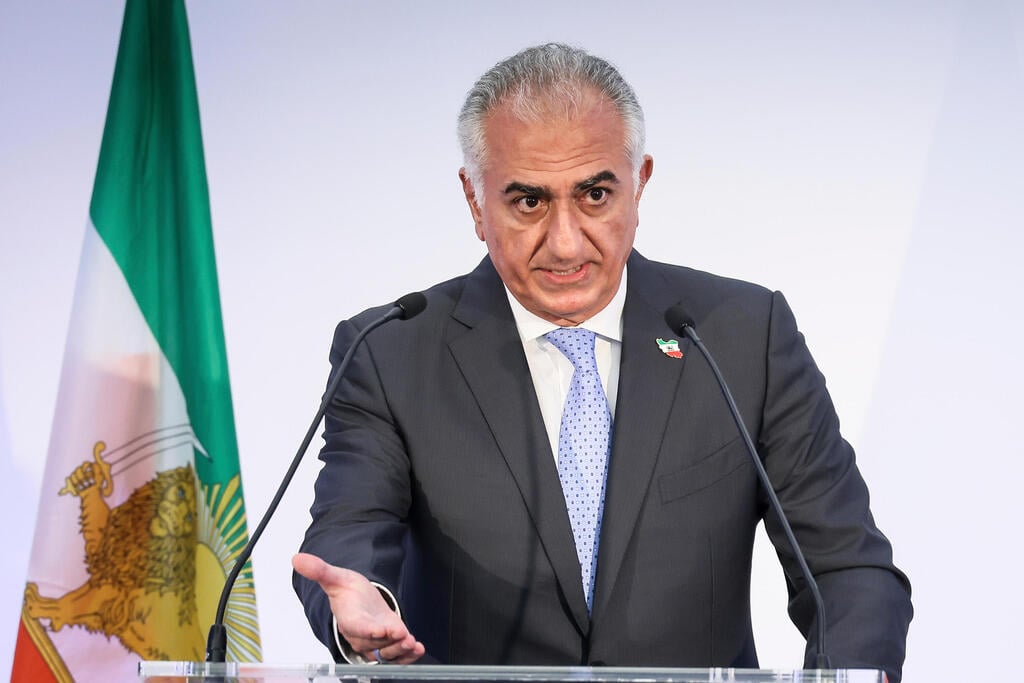
Iranian Crown Prince Reza Pahlavi
(Photo: AP Photo/Thomas Padilla)
Demonstrators have chanted slogans such as “Death to the dictator,” referring to Supreme Leader Ali Khamenei, and “This is the final battle, Pahlavi will return.” Protesters have vandalized regime symbols, including statues of slain Quds Force commander Qasem Soleimani and government buildings, and in several locations have raised Iran’s pre-revolutionary flag bearing the lion and sun emblem.
The most significant escalation in the protests began last Thursday, when large crowds answered a call by Pahlavi to take to the streets at exactly 8 p.m. Reflecting the regime’s deep concern, internet service was shut down nationwide that evening and has yet to be restored, now four consecutive days later.