

Details about the dramatic process that led to the selection of Mojtaba Khamenei as Iran’s new supreme leader were published on Monday by the New York Times. The newspaper described the process as the Iranian version of “Game of Thrones,” with two dynasties — that of Ali Khamenei and that of Ruhollah Khomeini, the founder of the Islamic Republic — competing against each other.
Hardliners in the regime promoted Mojtaba’s candidacy, while reformists had two potential candidates: Hassan Khomeini, Ruhollah’s grandson, and former president Hassan Rouhani. Moderates also proposed Ali Reza Arafi — one of the deputies of the chairman of the Assembly of Experts — as a compromise candidate.

The details about the selection of the 56-year-old Mojtaba Khamenei, considered a relatively low-profile figure, are based on interviews with senior officials in Iran. According to all the sources, Mojtaba likely would not have been chosen as supreme leader had his 86-year-old father died a natural death rather than being killed in the opening strike of the war.
Before his death, Khamenei gave his close advisers three names as potential successors. His son was not among them. The elder Khamenei did not want to turn the position of supreme leader into a hereditary role, after the Islamic Revolution ended Iran’s monarchy.
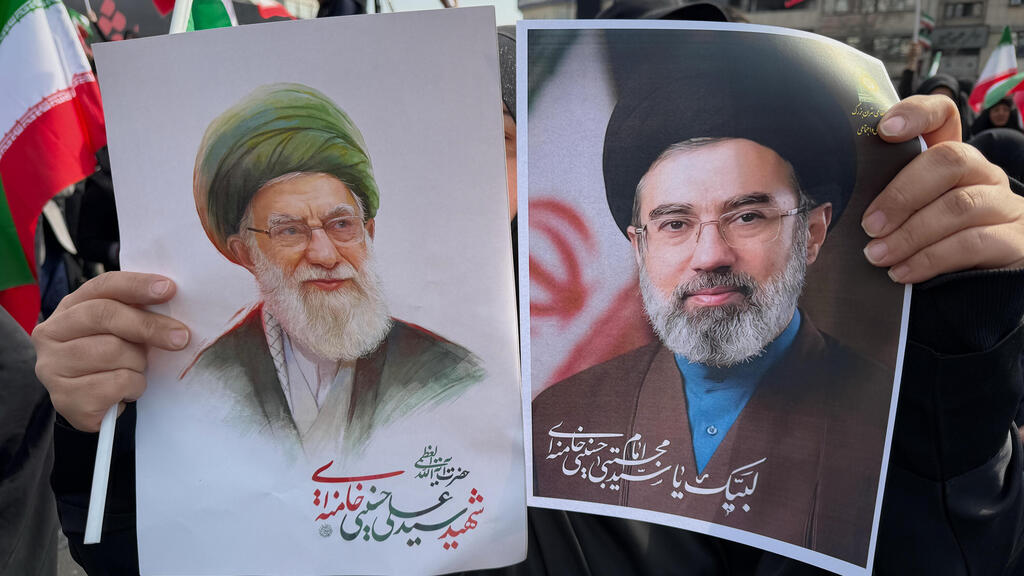
Extremists wanted Khamenei's son to lead Iran after his assassination
(Photo: Vahid Salemi/AP)
On March 3, the Assembly of Experts — made up of 88 senior clerics responsible for selecting the supreme leader — convened in a secret virtual meeting, for security reasons, to begin the selection process. Under the law, the process ends once a candidate secures a two-thirds majority. Earlier that day, Israel bombed the headquarters in the city of Qom where the meeting had been scheduled to take place.
Hardliners backing Mojtaba sought to maintain a confrontational line against the United States, while reformists argued that Iran needed a new face, a new style of leadership and even, eventually, an end to hostility toward Washington. Among those who supported Ali Khamenei’s son were Ahmad Vahidi, the new commander of the Islamic Revolutionary Guard Corps, and parliament speaker Mohammad Bagher Ghalibaf. Hossein Taeb, the former head of the Revolutionary Guards’ intelligence unit, also supported Mojtaba for the role of supreme leader.
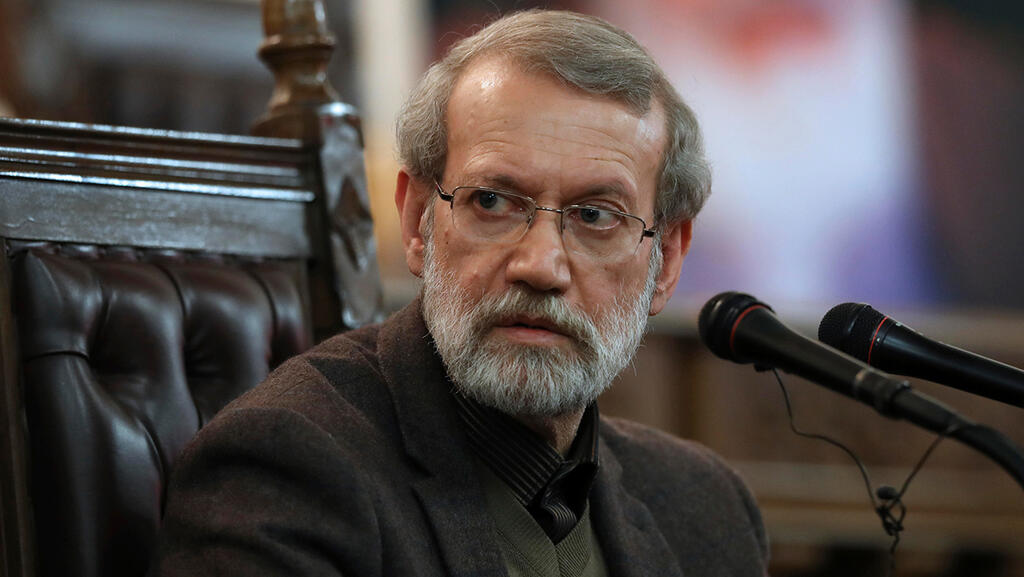
Ali Larijani, head of the Supreme National Security Council and described by the New York Times as effectively Iran’s current leader
(Photo: AP)
Ali Larijani, head of the Supreme National Security Council and described by the New York Times as effectively Iran’s current leader, told members of the Assembly of Experts that in his view Iran needed a moderate and unifying leader — and that Mojtaba would be a divisive figure. President Masoud Pezeshkian, a reformist, along with several other senior officials and clerics, also joined those opposing Mojtaba’s selection.
According to the New York Times, anger within the regime toward President Donald Trump and Prime Mnister Benjamin Netanyahu led members of the Assembly of Experts to insist on continuing a hardline approach, despite the efforts of moderates. As the selection process progressed, it appeared that council members were less interested in a supreme leader who could rescue Iran from its current crisis and more interested in Ali Khamenei’s son, who could ostensibly avenge his killing.
In the first vote on March 3, Mojtaba received the required majority, and Iranian media began preparing to announce the new supreme leader. Then the drama began: Larijani canceled the announcement following statements by the United States and Israel that Khamenei’s successor would be assassinated, and proposed delaying the announcement until the war ended.
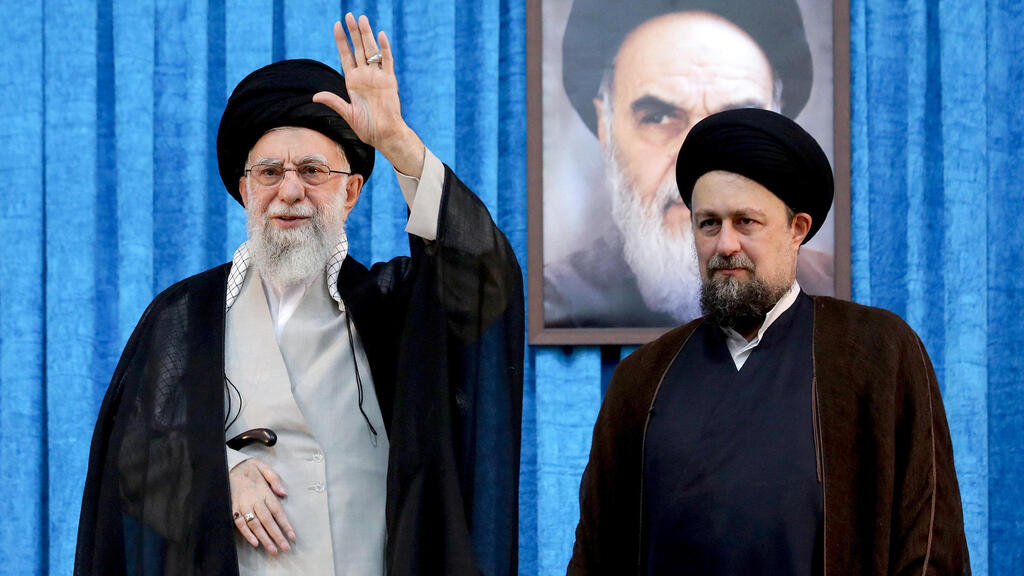
Hassan Khomeini, grandson of Ruhollah Khomeini, alongside Ali Khamenei
(Photo: Office of the Iranian Supreme Leader/WANA)
The delay gave reformists another opportunity to pressure the Assembly of Experts to reconsider their decision. Larijani, who had been a close ally of Ali Khamenei, argued that a virtual vote was illegal because the constitution requires the experts to gather in person. The assembly was then told that Mojtaba — who had recovered from injuries sustained in airstrikes at the start of the war — did not want the position. For security reasons, it was not possible to contact him to verify the claim.
Mojtaba said: ‘Choose someone else’
One of his associates said the refusal was merely a matter of politeness. “When Mojtaba was told he had been chosen, he said: ‘I don’t want it, choose someone else,’” said Abdolreza Davari, a politician close to Khamenei. “This is a Shiite custom of polite refusal by clerics who ‘do not want power,’ but eventually agree.”
Moderate figures who sought to block Mojtaba’s selection met with members of the Assembly of Experts and testified that Ali Khamenei had told them he did not want his son to inherit his position. They later presented a will in which that message appeared and called on the assembly to cancel the voting results. The clerics were stunned and asked for time to consult. One of them said the moderates were attempting to stage a “coup.”
On March 7, President Masoud Pezeshkian said Iran would stop attacking its neighbors in the Persian Gulf and apologized to them. He said the decision to ease tensions with the Gulf states had been made by the transitional council in which he serves — a body intended to replace the authority of the supreme leader until a new one is chosen. Hardliners in the regime were furious and pressed the assembly to convene immediately for a final vote. Taeb, the former Revolutionary Guards intelligence chief, called all 88 members of the Assembly of Experts and urged them to vote for Khamenei, telling them that voting for the slain ayatollah’s son was a moral, religious and ideological duty.
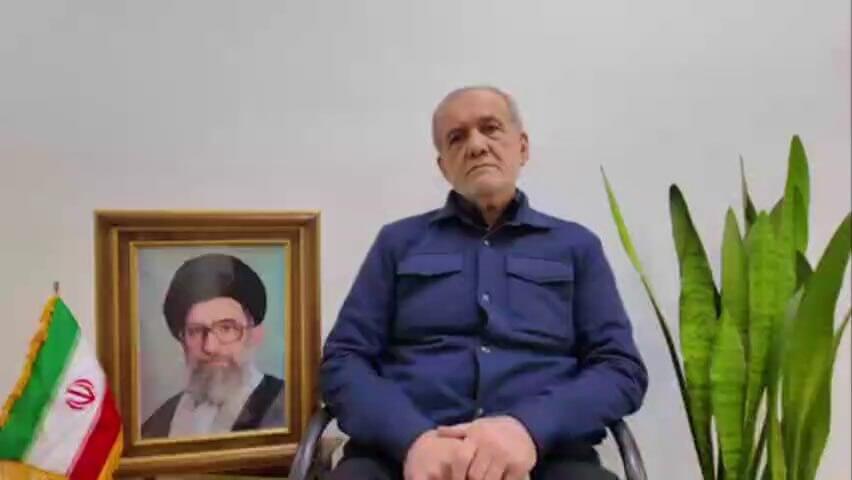
Pazhakian apologized to Gulf neighbors - and angered extremist
The assembly reconvened on March 8 — again virtually. Some members said they must respect Ali Khamenei’s wishes and disqualify his son’s candidacy. Others argued the constitution does not require them to honor his will. All agreed that during wartime a virtual vote could be considered valid and that there was no requirement for a physical meeting. Each expert wrote a name on a slip of paper and placed it in an envelope. Couriers delivered the envelopes to the committee responsible for counting the votes. Khamenei received 59 out of 88 votes. Shortly before midnight, Iranian media announced that Tehran had a new supreme leader. Even those who had tried to block his selection issued statements wishing Mojtaba success, though he had yet to appear in public.
'Mojtaba is gay, Trump received the intelligence update and laughed'
Meanwhile, another American newspaper, the New York Post, published a report about Mojtaba’s sexual orientation as it was allegedly presented in a briefing to Trump. According to the intelligence cited in the report, Mojtaba may be gay, and for that reason his father feared that his son would not be suitable to serve as supreme leader of the Islamic Republic.
The report said Trump was stunned when he heard the information during the intelligence briefing and burst out laughing. The report, which has not been independently verified, is based on two sources in the intelligence community and a third source close to the White House.
First published: 18:58, 03.16.26