

The Democrats' sweeping victory in the U.S. midterm elections, in which they captured both the Senate and the House of Representatives, has returned them to the centers of power in Washington after two years in the political wilderness. They are promising to use their new authority to obstruct President Donald Trump's policies, particularly the war against Iran, and launch a series of investigations into the president and his associates over allegations of corruption and ethics violations.
But Trump is already preparing for a confrontational Congress, which is expected to be sworn in on January 3. While calling for cooperation with Democrats, the president acknowledged Wednesday that clashes between the two sides are inevitable.
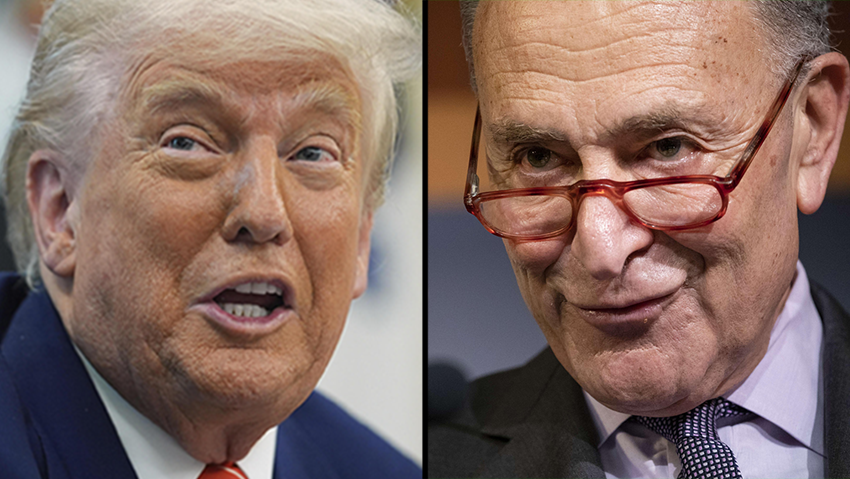
In an interview with Fox News on Wednesday morning, Trump promised to veto any "crazy" legislation that reaches his desk. "Historically, you veto for a couple of months, and then they come and say, 'We've got to make a deal,'" he said.
Trump delivered a similar message Monday in an interview with a New York Post podcast, when asked about the possibility of a Democratic takeover of Congress, a scenario that materialized Tuesday night. "I'll become Mr. Veto. And at some point, we'll probably make a deal," he said.
His comments point to the confrontations expected primarily over federal government funding. Without approved budgets, government operations could be shut down, giving Democrats leverage to demand concessions from the president on a range of issues.
However, because most legislation in the Senate requires 60 votes to advance, Democrats already possessed some of that leverage even when they were in the minority. A budget dispute last year led to a 41-day government shutdown, the longest in American history.
Now, with Democrats controlling both houses of Congress, they will have considerably greater influence over the legislative agenda. Their power will nevertheless remain constrained by the Senate's 60-vote threshold for most legislation, while Trump will retain the ability to veto bills approved by both chambers.
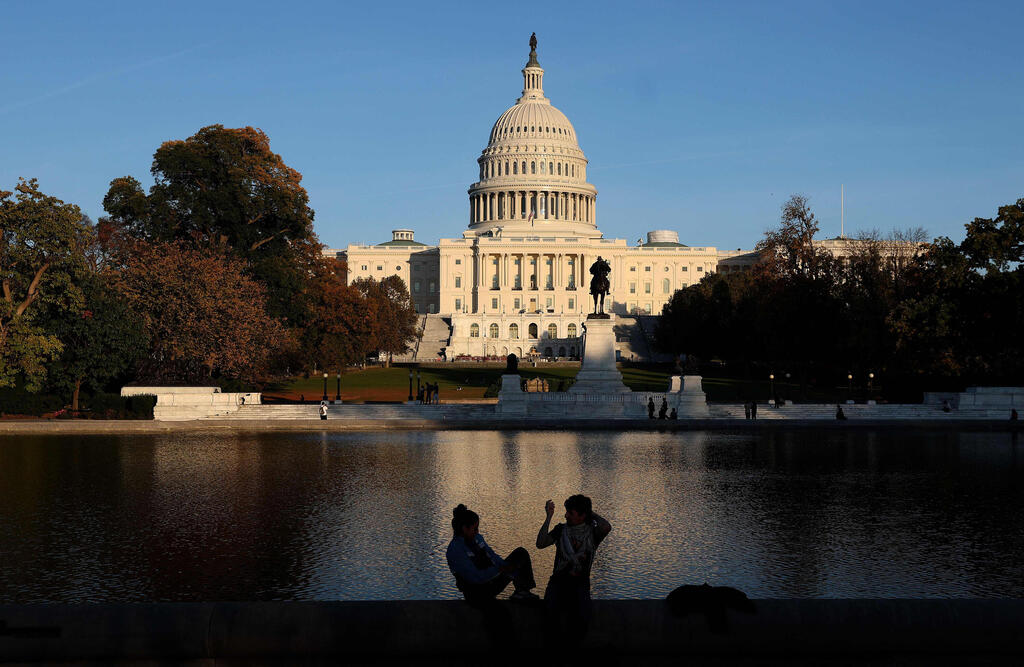
The US Capitol building in Washington DC, home to the House and Senate
(Photo: Kevin Dietsch / Getty Images North America/ AFP)
Control of both houses of Congress gives Democrats significant powers that could sharply restrict Trump's ability to govern. They hope to turn him into a "lame duck" during the second half of his final presidential term.
The Senate, Congress' upper chamber, is responsible for confirming senior presidential appointments, including Cabinet secretaries, ambassadors and judges. The House of Representatives, meanwhile, can launch investigations and initiate impeachment proceedings against the president or senior administration officials.
If the House approves articles of impeachment, the case moves to a Senate trial, where a two-thirds majority is required for conviction and removal from office. The chances of Trump or senior officials actually being removed are therefore considered extremely slim, but the proceedings themselves could prove highly embarrassing for the administration.
Democrats have long promised to investigate Trump and his associates over allegations of corruption and ethics violations during the past two years. Robert Garcia, the senior Democrat on the House Oversight Committee who is now expected to become its chairman, offered a pointed warning Wednesday morning.
"Lawyer up," he wrote on X, without elaborating. The message, however, was clearly directed at Trump and those close to him.
House Democratic leader Hakeem Jeffries, who is expected to become the first Black speaker of the House in the next Congress, said earlier this week that while Democrats could cooperate with the Trump administration on certain issues, they would vigorously confront what he described as widespread corruption under the president.
"Corruption has consequences," Jeffries said.
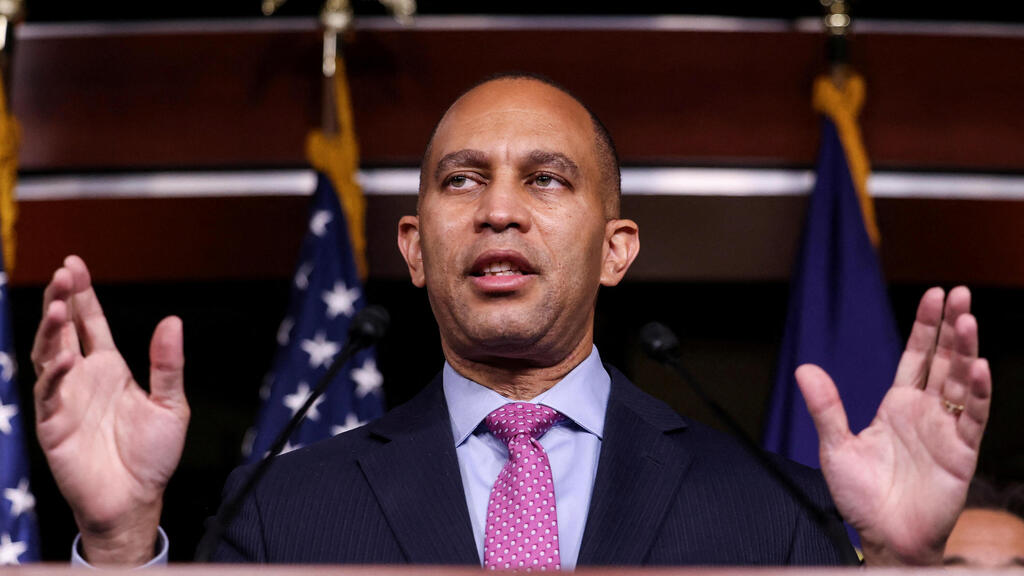
House Democratic leader Hakeem Jeffries is expected to become the first Black speaker of the House in the next Congress
(Photo: Reuters)
He pointed in particular to allegations that Trump had granted presidential pardons in exchange for various favors. "It appears that pardons are being granted in exchange for overlooking corporate wrongdoing, or that in certain instances donations are being made in exchange for administration actions that ultimately make life more expensive for the American people," Jeffries said. "All of these are things that will need to be thoroughly investigated as part of our commitment to holding corrupt individuals accountable, beginning on day one."
Attorney General Todd Blanche, a close Trump ally who previously served as his personal lawyer, has rejected Democratic allegations that presidential pardons were granted in exchange for favors. During a hearing in June, however, Blanche appeared to suggest that such arrangements would not necessarily constitute an offense.
"The power to grant pardons is vested in the president of the United States by our Constitution," he said. "The Constitution does not require him to provide any explanation regarding whom he chooses to pardon or not pardon, or whose sentence he chooses to commute or not commute."
From Amazon to Elon Musk: Who could face congressional investigations?
Investigations, particularly impeachment proceedings that are highly unlikely to result in removal from office, could consume substantial time and resources. Some Democrats believe those resources would be better directed toward legislation aimed at improving Americans' living standards.
California Sen. Adam Schiff, a member of the Senate Judiciary Committee and one of Trump's most prominent political adversaries, told Politico that Democrats might prioritize investigations connected to the cost of living and "any kind of corruption in the administration that has led to higher prices."
Schiff questioned whether federal contracting decisions were being influenced by payments or other benefits rather than the quality or cost of services provided.
"If decisions about federal contracts are being made not because a vendor offers the best product or the best price, but, in Amazon's case, because the company was willing to pay $40 million for a terrible movie about Melania [Trump], does that give Amazon an advantage in bidding for cloud computing services or other defense contracts?" he asked.
"These are the kinds of things that cost taxpayers money and make consumers pay more. There have been so many instances of companies making payments in exchange for favors, in one form or another."
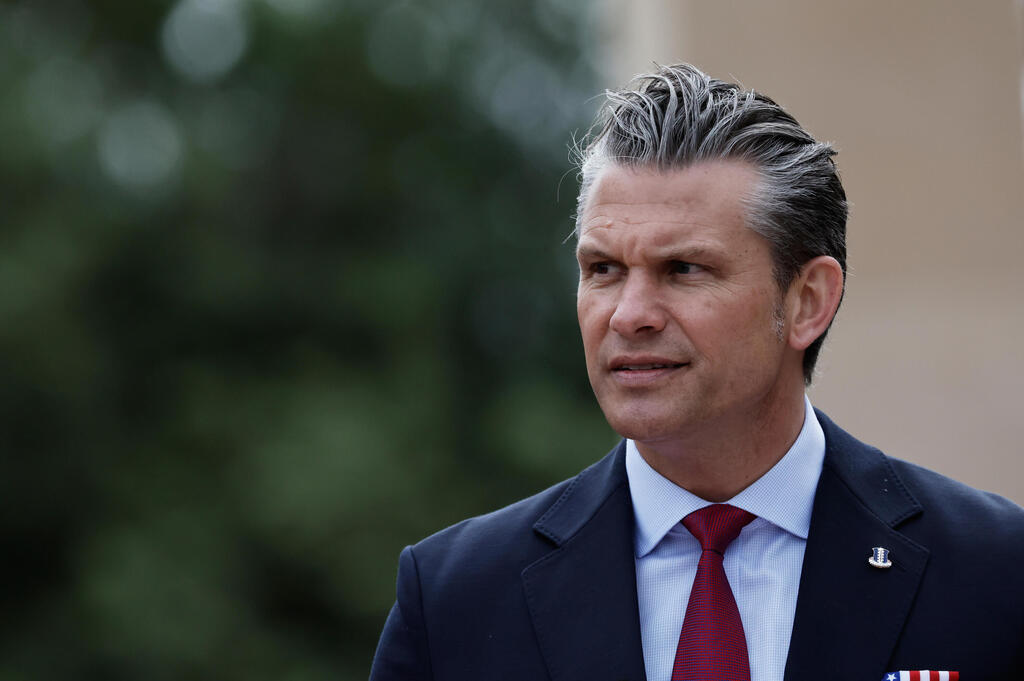
In the crosshairs: Secretary of War Pete Hegseth
(Photo: Jeremias Gonzalez/AP)
Beyond Amazon, Democrats have signaled that several prominent figures could face scrutiny. Among them is Elon Musk, the world's richest person and a Trump associate who last year led sweeping efforts to reduce the size of the federal government through the Department of Government Efficiency, known as DOGE.
Secretary of War Pete Hegseth is also expected to face scrutiny over Democrats' allegations that he has managed the war against Iran improperly and unlawfully.
According to ABC News, Trump's son-in-law Jared Kushner could be subpoenaed as part of Democratic investigations into allegations of improper conduct, which Kushner has denied.
The report also said Garcia wants to summon Attorney General Blanche to testify about the Justice Department's handling of the Jeffrey Epstein files, including documents Garcia claims were withheld.
Another possible investigation could focus on the Department of Homeland Security and its Immigration and Customs Enforcement agency, known as ICE, following the killings of U.S. citizens Renee Good and Alex Pretti by immigration agents in Minneapolis.
Can Democrats force an end to the war in Iran?
One of the Democrats' central promises is to "thwart" the continuation of the war in Iran, which they argue would help bring down high gasoline prices. But it remains unclear how far they can go in fulfilling that pledge, given the president's extensive authority over foreign policy and national security.
Democrats maintain that the war is illegal because Trump launched it without first seeking congressional authorization. They also argue that a declaratory resolution passed by both houses in June calling for the war to end should have been binding.
The Trump administration rejects that interpretation, insisting the resolution has no binding legal force, and has ignored Democratic demands to end the conflict. Democrats have not attempted to challenge the administration's position in court, partly because of concerns that judges might conclude they lack legal standing to bring such a case.
Nevertheless, control of Congress could allow Democrats to make the administration's management of the war considerably more difficult. They could issue subpoenas and conduct investigations into military operations, or insist on withholding funding for military action against Iran through federal appropriations legislation.
Such measures could trigger precisely the kind of confrontation Trump predicted Wednesday, particularly if disputes over defense spending become entangled with negotiations over broader government funding.
According to Reuters, the Trump administration has spent months preparing for the possibility of a Democratic takeover of Congress. Those preparations include plans to continue advancing the president's agenda through executive orders, allowing him to pursue policy changes without relying on congressional approval.
For much of the past two years, Trump has already preferred to exercise executive authority rather than seek legislation through Congress. His extensive use of presidential powers has repeatedly brought his administration into conflict with the courts, which have overturned a number of his executive actions, including his sweeping global tariff program.