


As Israel plunged into one of the deadliest wars in its history, Prime Minister Benjamin Netanyahu not only survived politically—he strengthened his grip on power. A New York Times investigation paints a portrait of a leader who, rather than acting decisively to end the war, extended it, redirected blame, and prioritized political survival over national unity or human cost.
Warnings came early. In July 2023, as Netanyahu recovered from heart surgery, senior defense officials warned him that Hamas and other enemies saw Israel’s domestic political turmoil as an opportunity to strike. His response was dismissive. “Deal with the protesters,” he reportedly told the Shin Bet chief. Hours later, his coalition passed a law gutting the Supreme Court’s reasonableness clause, deepening internal chaos. Two days after that, Hamas leaders, in a closed-door meeting, decided to act.
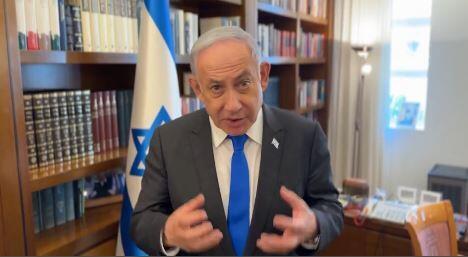
At 6:29 a.m. on October 7, Netanyahu was awoken by a WhatsApp message from a senior officer: Hamas had launched its assault. On a secure call moments later, he ordered the assassination of Hamas leadership and asked, “Can we take out their leadership?”—a sharp contrast to his prewar resistance to striking Gaza. When told the IDF had hit 1,000 targets, he scoffed: “1,000? I want 5,000.”
Even in the war’s earliest hours, Netanyahu was already crafting a political shield. “I saw nothing in the intelligence,” he said in one of his first conversations. According to the Times, he ordered meetings to go unrecorded, aides to alter official transcripts, and even had senior officers searched for hidden recorders. A classified document was leaked to a foreign outlet in what appeared to be an effort to discredit his critics—including hostage families.
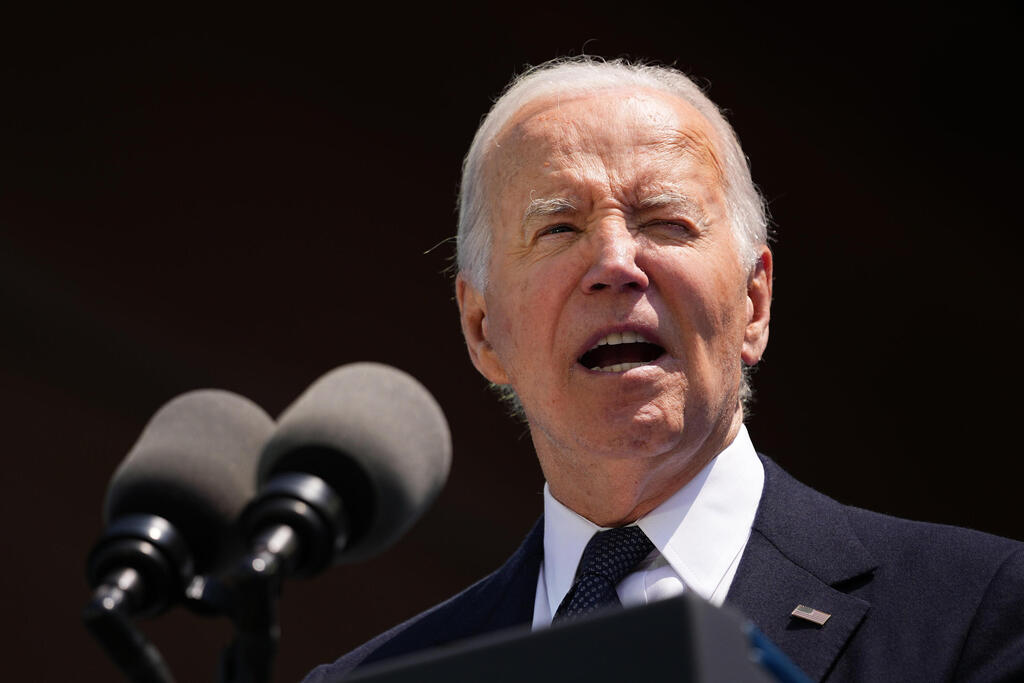
Pressed for ceasefire in Gaza, former President Joe Biden
(Photo: Benoit Tessier /Reuters)
As ceasefire negotiations progressed, Netanyahu inserted new military objectives—such as capturing Rafah and seizing the Egyptian border—objectives the military did not deem vital. These delays came at a heavy cost in hostage lives and appeared, the investigation notes, to serve a political purpose: preventing a deal that could fracture his coalition.
In April 2024, a detailed six-week ceasefire proposal—including the release of over 30 hostages—nearly made it to a cabinet vote. Saudi Arabia, seeing a chance to normalize ties with Israel, was ready to back the deal. But during the meeting, Finance Minister Bezalel Smotrich warned: “If such an agreement is presented, you no longer have a government.” Netanyahu folded. “No, no—there’s no such thing,” he replied, then whispered to his advisors, “Don’t present the plan.”
Get the Ynetnews app on your smartphone: Google Play: https://bit.ly/4eJ37pE | Apple App Store: https://bit.ly/3ZL7iNv
While the Biden administration pushed for a ceasefire—sending National Security Advisor Jake Sullivan to Riyadh, where Crown Prince Mohammed bin Salman reportedly said, “Let’s end this”—Netanyahu balked. When U.S. officials showed him polls showing a majority of Israelis supported a hostage deal, he dismissed it. “Not even 50% of my voters.”
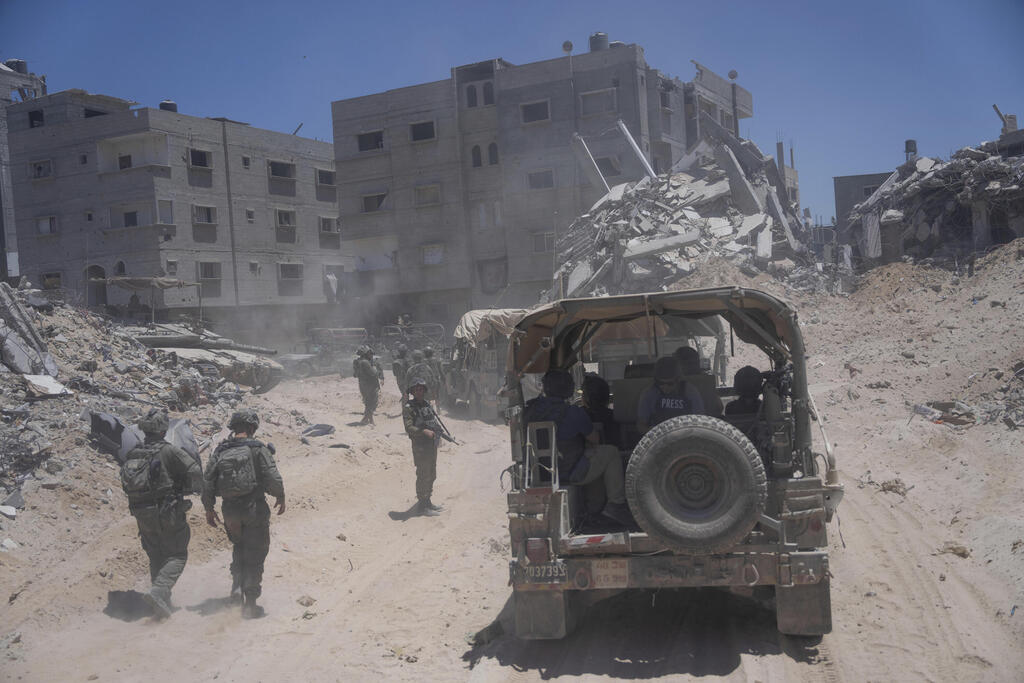
Netanyahu decided that seizing Rafah was suddenly important
(Photo: Ohad Zwigenberg/ AP/ Pool)
This political calculus became a pattern. Netanyahu pursued military escalation while dismissing diplomatic offramps. Later, he ordered strikes on Hezbollah leadership, then greenlit the assassination of Hassan Nasrallah. Israeli forces pushed into southern Lebanon and launched strikes on Iranian air defenses, ultimately weakening Tehran’s posture and enabling the fall of Bashar Assad in Syria.
What began as a national crisis turned, in Netanyahu’s hands, into a stage for political endurance. As the war expanded across borders and dragged on for months, the prime minister emerged not as a unifying statesman, but as a tactician bent on outlasting the chaos—whatever the cost.