


Former U.S. President Joe Biden called Sen. Bernie Sanders in an attempt to persuade him to delay a vote opposing arms deals with Israel while also misleading him, journalist Akbar Shahid Ahmed claims in a new book about the Biden administration’s policy during the war in the Gaza Strip.
The book, “Crossing the Red Line: Biden, His Advisors, and Israel’s War in Gaza,” which will be published in the United States on Tuesday, is based on nearly 175 interviews with administration officials and other sources. Ahmed, who covered U.S. foreign policy for the American news outlet HuffPost for 12 years and now serves as a diplomatic correspondent for the Washington Sun, does not specify what misleading information was given to Sanders but claims the move was intended to delay the vote against the arms deals.
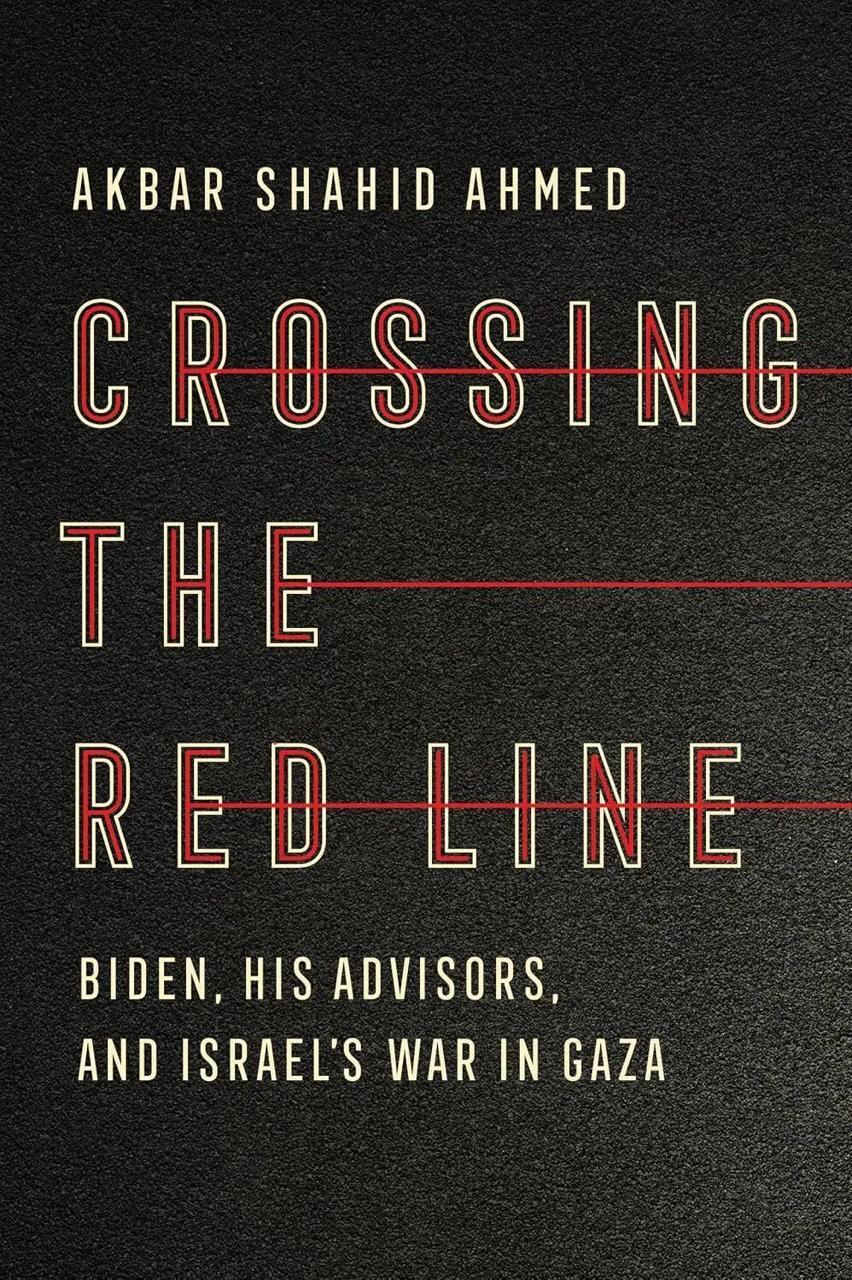
This is just one of a series of behind-the-scenes accounts Ahmed provides about the small circle that shaped the administration’s policy toward Israel after Oct. 7: Biden, Secretary of State Antony Blinken, national security adviser Jake Sullivan and Middle East envoy Brett McGurk. According to the book, they dismissed warnings from experts and other administration officials even as reports of civilian casualties and the humanitarian crisis in Gaza mounted. At one point, fewer than five U.S. officials across the entire administration were in regular contact with Palestinians.
One of the allegations concerns Sullivan. Ahmed describes him as dismissive and skeptical during internal discussions over whether Palestinians in Gaza were actually starving. A spokesperson for Sullivan rejected the allegation, stressing that he had publicly said people in the Gaza Strip were suffering from hunger and that he instructed administration lawyers to ensure the United States was acting in accordance with the law. The book also notes that his wife, Maggie Goodlander, who ran for Congress in 2024, raised more than $100,000 from pro-Israel donors and suggests those ties may have influenced her husband’s decision-making.
McGurk, one of the most influential figures in Biden’s regional policy at the time, is described as reprimanding colleagues who, in his view, held the IDF to a stricter standard than the United States had applied to itself in the war against ISIS in Iraq and Syria. According to Ahmed, McGurk cited in internal discussions the number of civilians killed in the U.S. campaign against the terrorist organization. The book also claims that after the 2024 election, McGurk sought a position in the incoming Trump administration but was turned down and has since continued courting members of Trump’s circle. McGurk declined to comment on the allegations.
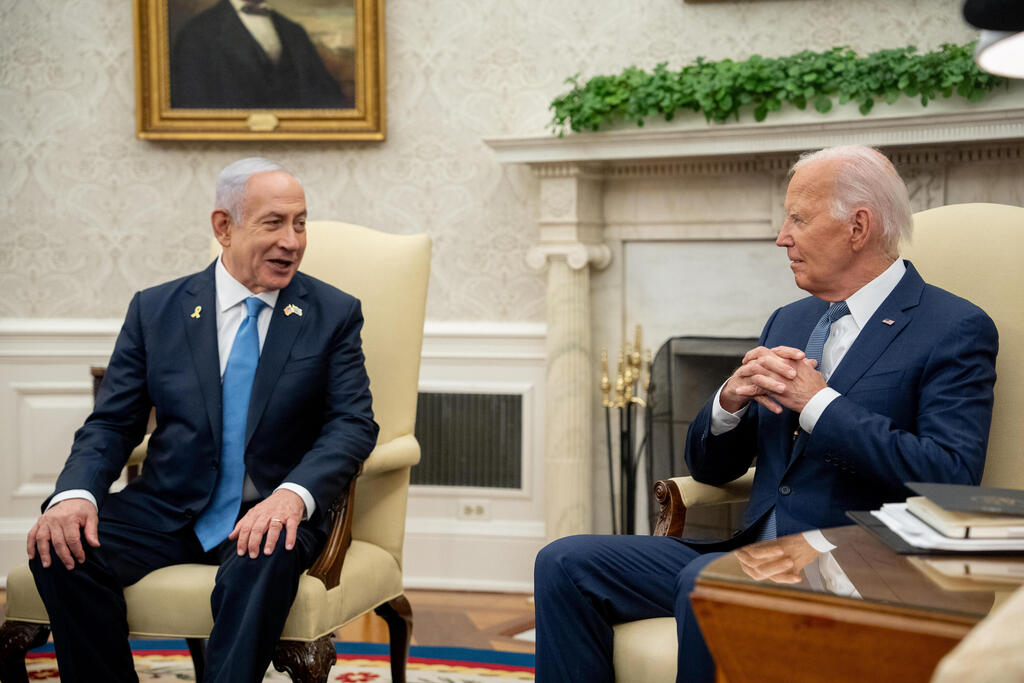
Arms transfers continued even after the “red line” was crossed. Biden and Netanyahu
(Photo: Andrew Harnik/Getty Images)
The book also describes moments when the administration considered applying more direct pressure on the Israeli government, led by Prime Minister Benjamin Netanyahu. As public opposition to the war grew in the United States, Biden’s aides presented the president with several options. According to the book, he chose the most moderate: sanctions against four settlers in the West Bank suspected of attacking Palestinians. The possibility of halting the flow of U.S. weapons to Israel was not on the table at all.
Even after Biden declared that a large-scale Israeli operation in Rafah would constitute a “red line,” the administration continued transferring weapons after Israel entered the city and adopted the position that the president’s red line had not been crossed. Blinken, the book claims, played a decisive role in shaping that position. A professional State Department team recommended withholding assistance from several Israeli units, including the Netzah Yehuda Battalion, over serious human rights violations and sexual abuse. Blinken delayed a decision for months before ultimately determining that the units had taken sufficient remedial measures.
Later in the war, the administration took more limited measures. It held up a shipment of 2,000-pound bombs and, toward the end of Biden’s term, also delayed a shipment of 134 D9 bulldozers. U.S. President Donald Trump lifted the hold on the heavy bombs after taking office.
At the same time, according to Ahmed, assessments voiced within the Biden administration were far harsher than those expressed publicly. He claims senior officials acknowledged in closed-door discussions what they described as “ethnic cleansing” in the West Bank, but the administration took almost no action to stop it. After the 2024 election, he says, discussions were held at the highest levels — reaching Biden himself and involving McGurk and U.S. Ambassador to Israel Jack Lew — over whether the United States could be considered complicit in alleged war crimes. Ahmed describes genuine concern among senior officials that they themselves could face prosecution.
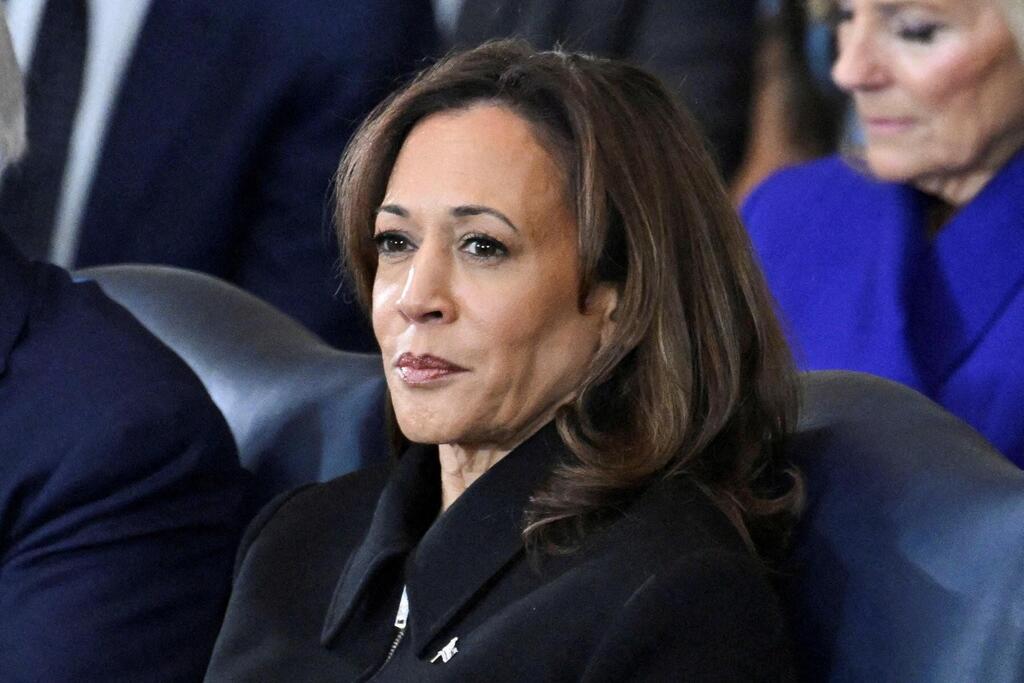
Harris. Was not a central force in shaping policy toward Israel and the Palestinians
(Photo: Saul Loeb, Reuters)
The book also contains new details about former Vice President Kamala Harris. According to Ahmed, Harris listened to a recording of the distress call made by Hind Rajab, the 6-year-old Palestinian girl who was killed in Gaza in January 2024, but did not act afterward to change the administration’s approach. The author describes Harris as more sensitive than Biden to Palestinian suffering but says she was not a central force in shaping policy toward Israel and the Palestinians.
When she replaced Biden as the Democratic presidential nominee, hopes among pro-Palestinian activists for a change in policy were quickly dashed. One campaign staffer described the campaign as “98% Biden-land.” According to the book, Harris and her team viewed Gaza primarily as an issue of concern to Arab and Muslim voters, while senior Democrats feared that taking a tougher stance toward Israel would hurt donor support. At the Democratic National Convention, a request to give a Palestinian speaker a platform was rejected because Harris and her team believed the appearance of Minnesota Attorney General Keith Ellison, who is Muslim, was sufficient.
Now, as Harris’ name continues to be raised as a possible candidate for another White House run in 2028, she is working to strengthen ties with some of those same groups. In recent months, she has initiated contacts and held meetings with pro-Palestinian activists and spoken with New York City Mayor Zohran Mamdani. According to Ahmed, she is “testing the waters” with those constituencies, though he says they remain unconvinced by her message.
Biden did not respond to requests for comment on the book’s allegations. McGurk declined to comment and Sullivan, as noted, rejected through a spokesperson the account concerning starvation in Gaza.