

The IDF struck a building in Gaza City on Tuesday night in an attempt to kill Mohammed Odeh, the newly appointed leader of Hamas’ military wing and one of the architects of the October 7 massacre. New Israeli assessments indicate he was likely killed in the strike, though no official confirmation has been issued by either the IDF or Hamas.
Odeh replaced Izz al-Din al-Haddad, who was killed in an Israeli strike in Gaza City just 10 days earlier. A security official said Israeli officials believe Odeh did not survive the strike, though neither the IDF nor Hamas has issued an official statement. The strike was carried out by two fighter jets.
The scene of the liquidation of Mohammed Odeh in the Gaza Strip
(Video: Reuters)


Prime Minister Benjamin Netanyahu and Defense Minister Israel Katz said Odeh served as head of Hamas’ intelligence headquarters during the Oct. 7 attack and was appointed last week to replace Haddad.
“Odeh was responsible for the murder, abduction and wounding of many Israeli civilians and IDF soldiers,” Netanyahu and Katz said in a joint statement. “We will continue to pursue everyone who took part in the Oct. 7 massacre. Sooner or later, Israel will reach them all.”
The IDF first released Odeh’s photo last September. He was previously reported to have taken command of Hamas’ northern Gaza brigade after Ahmed Ghandour was killed in November 2023. He may also have received additional powers, including those once held by Raad Saad, who was considered Hamas’ military chief of staff until he was killed in an Israeli strike in December.
In a photo released by the IDF showing senior Hamas military commanders in Gaza at the time of the Oct. 7 attack, Odeh was the only one who had not been killed, aside from Imad Aqel, head of Hamas’ home front command in Gaza.
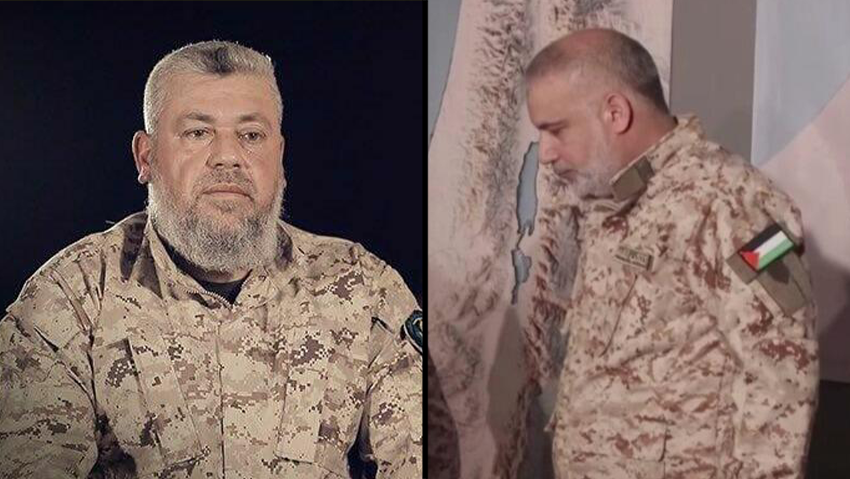
The Saudi newspaper Asharq Al-Awsat recently reported that Odeh was close to Haddad and remained in continuous contact with him, especially during Hamas’ organizational restructuring following the killings of Mohammed Deif and Mohammed Sinwar. The report said that after Sinwar was killed in May 2025, Odeh was offered the top military post but refused, leading to Haddad’s appointment.
Odeh, born in the Jabaliya refugee camp in northern Gaza, belongs to Gaza’s refugee sector, like many Hamas leaders. He, Haddad and Saad, who came from Gaza City, were considered leaders of the military wing’s “northern camp,” a faction that rivaled the “southern camp” led by the Sinwar brothers.
Odeh joined Hamas shortly after its foundation in 1987. Early in his career, he served in Majd, the group’s internal security apparatus that hunted suspected collaborators with Israel. One of his first commanders was Yahya Sinwar. He later became a commander in Hamas’ military wing and served until 2019 as commander of the western Jabaliya battalion.
Odeh is considered a shadowy figure with no public profile, unfamiliar to most Gazans compared with figures such as Sinwar, Deif and even Haddad. In his intelligence role, he focused on gathering information on the IDF and was responsible for the intelligence effort behind the Oct. 7 attack.
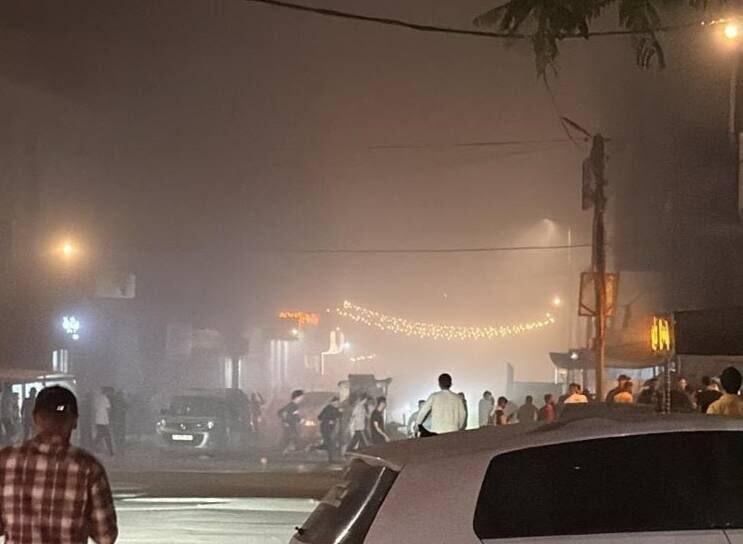
Smoke rises from a Gaza City building after an Israeli strike targeting top Hamas commander Mohammed Odeh
Israel has tried to kill him several times over the years. During the war, his home was bombed and his eldest son was killed.
Writing in ynet's parent newspaper, Yedioth Ahronoth, over the weekend, Palestinian affairs expert Dr. Michael Milshtein quoted a security official who said Odeh is experienced but not on Haddad’s level.
“Haddad belonged to the group of commanders who turned the military wing into an army over the past two decades, was considered a military leader and was admired by operatives,” the official said. “It is not certain the military wing’s operatives will accept Odeh’s authority the way they accepted Haddad’s.”
First published: 21:29, 05.26.26