



On the Change bloc agenda for the day after: replace Knesset speaker as Eisenkot, Bennett and Liberman discuss alliance
With neither political bloc securing a majority, opposition leaders are exploring a coordinated effort to oust Knesset Speaker Amir Ohana before a new government is formed; the move would require support from Arab parties, raising political concerns as coalition negotiations begin.
Gallery
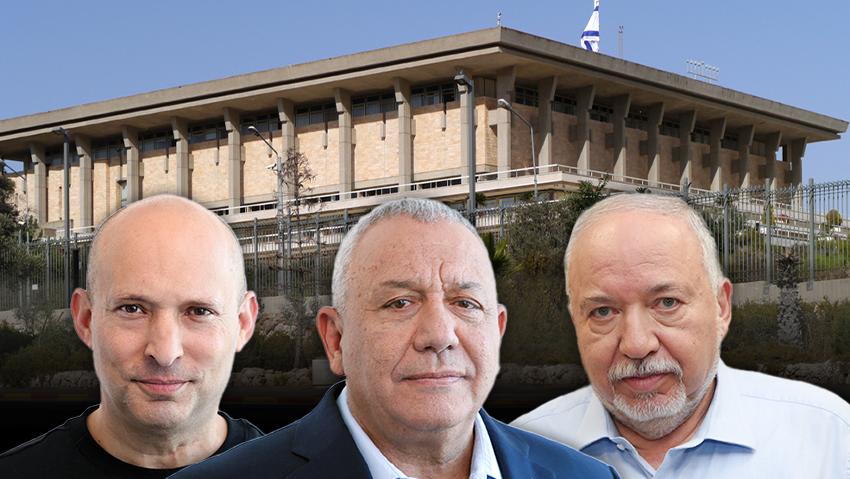
Bennett, Eisenkot and Liberman are discussing a joint bid to replace Likud's speaker Amir Ohana
(Photos: Ryan Preuss)
Ahead of the inauguration of the 26th Knesset, scheduled for November 10, parties in Israel's change bloc are beginning to prepare for the political and parliamentary maneuvers that will follow the election. Since Wednesday morning, senior figures in Gadi Eisenkot's Yashar! party, representatives of Avigdor Liberman's Yisrael Beytenu and members of Naftali Bennett's Beyachad party have been holding talks aimed at coordinating strategic moves against Prime Minister Benjamin Netanyahu.
At the center of the discussions is the possibility of replacing incumbent Knesset Speaker Amir Ohana of Likud as soon as the new parliament is sworn in, even before a government is formed. The speaker is one of the most influential figures in the Knesset, wielding considerable power over the parliamentary agenda and the advancement of legislation.
Under a 2020 Supreme Court ruling, a demand by 61 Knesset members to hold a vote on electing a new speaker requires the matter to be brought to a vote, even before a government is formed. However, securing a majority for such a move would also require support from lawmakers representing the Arab parties, a politically sensitive issue for the change bloc.
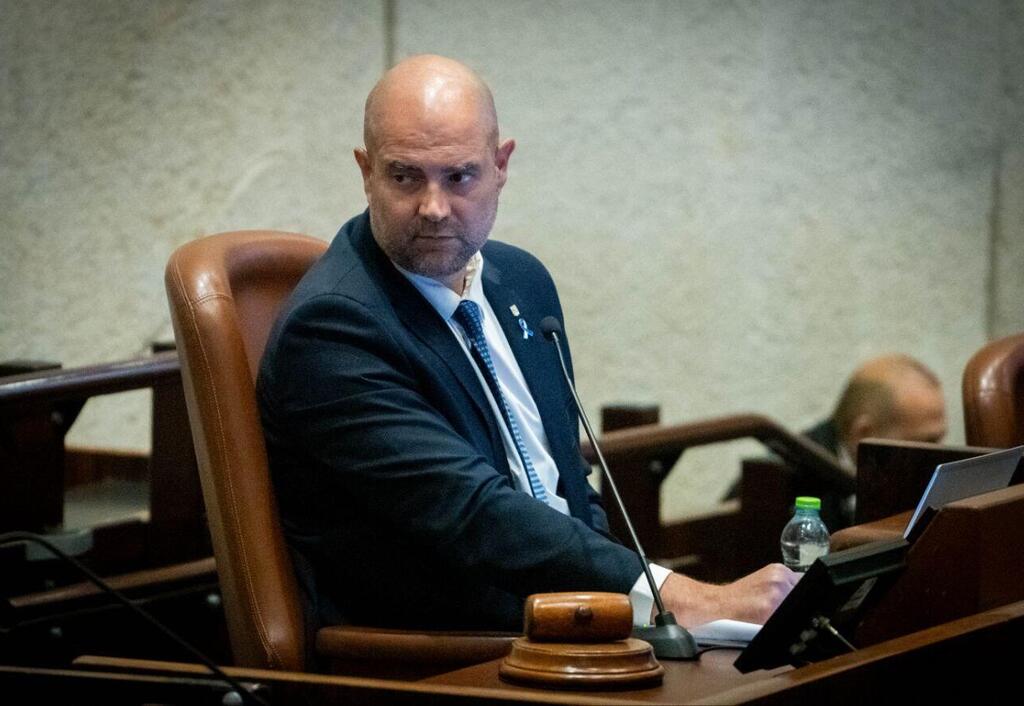
Knesset speaker Amir Ohana wields considerable power
(Photo: Shilo Shalom)
Some figures within the bloc are seeking to distinguish between forming a coalition or government dependent on Arab parties and cooperating with them on specific parliamentary initiatives. Even those who support the proposal recognize the public sensitivity surrounding such cooperation and are weighing its potential impact on support for the bloc.
Netanyahu's associates, meanwhile, intend to work to block the move and challenge its public legitimacy through an extensive political campaign.
Alongside discussions about replacing the Knesset speaker, senior figures in the change bloc are attempting to establish a center-right alliance comprising Bennett, Liberman and Eisenkot's three parties. The goal is to create a coordinated political framework that would allow the three leaders to present a united front against Likud and strengthen their bargaining power in the expected coalition negotiations.
The discussions also include whether to bring Yair Golan's Democrats into the alliance. Some participants oppose the idea because of the party's identification with the left and concerns that its inclusion could make it harder for the three parties to appeal to center-right voters and broaden their support.
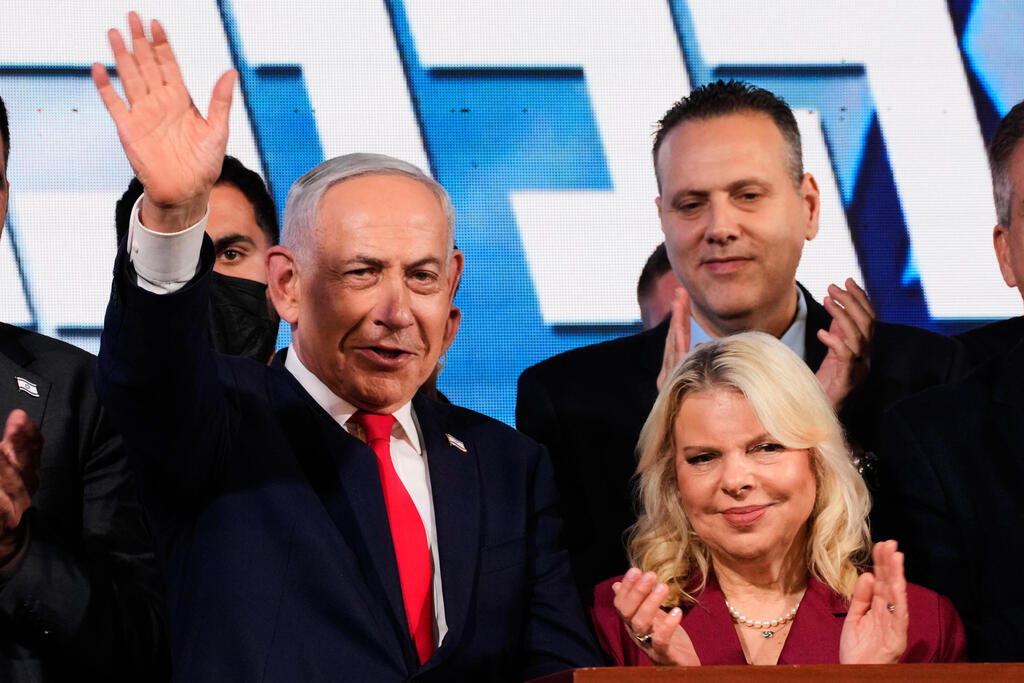
Netanyahu is prepared to do battle against the opposition
(Photo: Ohad Zwigenberg/AP)
Political observers believe Eisenkot could begin exploring the possibility of forming a government together with Bennett and Liberman in the coming days. One option under consideration would see the three parties operate as a single bloc in negotiations with Likud, maximizing their leverage and influencing the composition of the next government. Such an arrangement could also reduce the bargaining power of Otzma Yehudit chairman Itamar Ben-Gvir and potentially weaken the influence of the ultra-Orthodox parties.
Members of Eisenkot's Yashar! list met to discuss the election results reported so far. They thanked the hundreds of thousands of voters, thousands of activists, campaign headquarters officials and grassroots volunteers "who worked over recent months and helped deliver an unprecedented achievement in public support for a new party established only a year ago, attracting large and diverse groups across Israeli society."
The moves under consideration come against the backdrop of the 26th Knesset election results, which have so far failed to give either political bloc a governing majority. According to the latest interim results, with 85.6% of votes counted, Netanyahu's bloc holds 53 seats, the change bloc 48 and the Arab parties 19.
Likud is the largest party with 26 seats, followed by Eisenkot's Yashar! with 21. The Joint List and Bennett and Yair Lapid's Beyachad each hold 12 seats, while the Democrats have eight. Yisrael Beytenu, Ra'am, United Torah Judaism, Shas and Otzma Yehudit each have seven seats, while the Religious Zionism-Identity list has six.
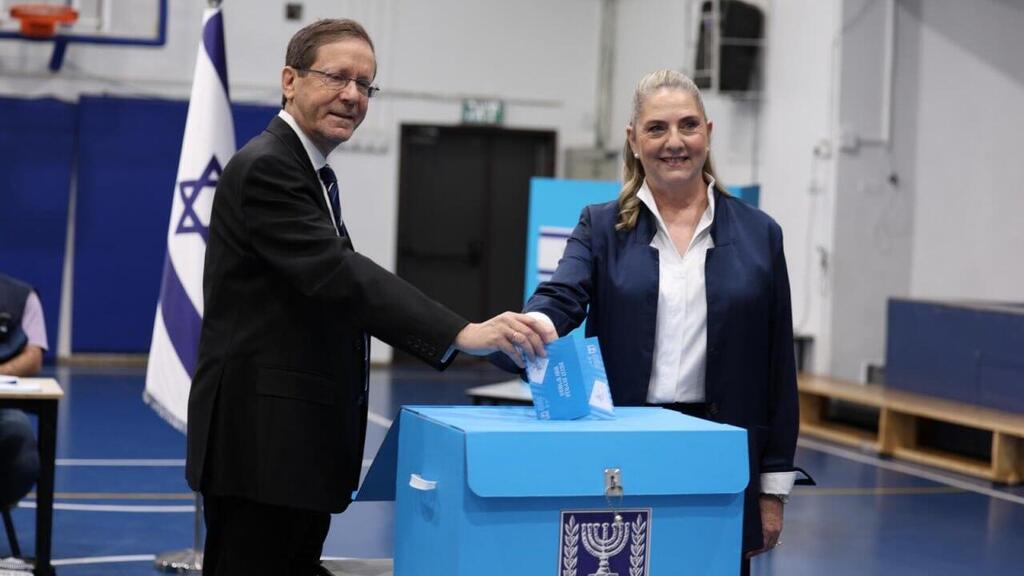
President Isaac Herzog and his wife, Michal, cast their ballots on Tuesday
(Photo: Hillel Ben Or)
The picture remains incomplete, however. The counting of double-envelope ballots, estimated at between 430,000 and 480,000, has not yet been completed and could alter the distribution of Knesset seats.
With neither bloc holding the 61-seat majority required to form a government, the Arab parties are in a pivotal position regarding any attempt to replace the Knesset speaker, as well as potential scenarios for forming the next coalition.
Amid the emerging political deadlock, President Isaac Herzog called on the parties Wednesday to approach consultations at the President's Residence with an open mind and do everything possible to avoid another election.
Herzog said he expects to receive the official results next week, after which he will begin consultations with parliamentary factions before deciding which candidate to task with forming the next government.