


In two separate speeches this week, U.S. President Donald Trump took credit for the ceasefire between Israel and Hamas in Gaza and claimed responsibility for the return of all Israeli hostages, both living and deceased. However, the body of one hostage remains in Hamas custody.
Ran Gvili, an officer in Israel Police’s Yasam special patrol unit, was killed and abducted during fighting in Kibbutz Alumim on Oct. 7. His body is still being held in Gaza, despite commitments outlined in the ceasefire agreement reached in October.
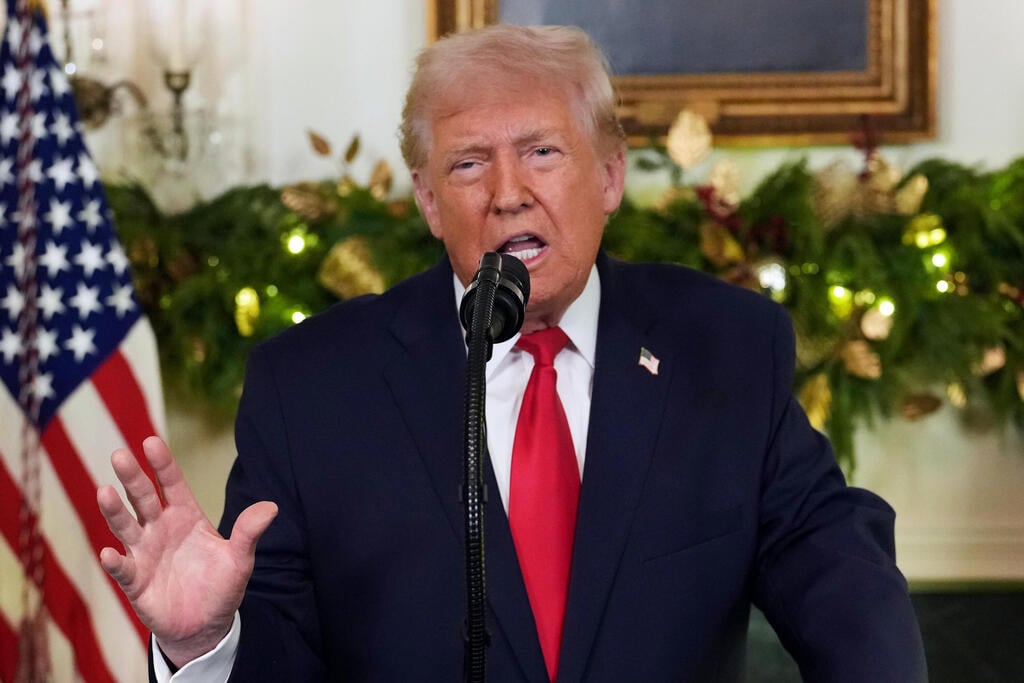
In a national address Wednesday night focused largely on the U.S. economy, Trump also referenced the war in Gaza, claiming he had helped secure the return of all hostages. He did not mention Gvili by name.
In a separate address the previous night at a Hanukkah event at the White House, Trump hosted Holocaust survivors and the families of former hostage Edan Alexander and fallen Israeli-American IDF soldier Omer Neutra, whose remains were returned to Israel last month. “We have legitimate peace in the Middle East and we have 59 countries backing it,” Trump said. “We got back all of the hostages, and all of the dead young people that were dead.”
Trump’s repeated assertion that all hostages have been returned does not reflect the situation on the ground. The ceasefire agreement signed in late October included a clause requiring Hamas to return all hostages — living and deceased — within 72 hours. However, even before the deal was finalized, Hamas and other terrorist groups indicated they would struggle to fulfill that condition. Both U.S. and Israeli officials acknowledged those limitations at the time.
More than 10 weeks later, Gvili’s remains have not been recovered, and Israel maintains that the obligation has not been met. While the Trump administration reportedly believes the ceasefire agreement can proceed to its next phase despite Gvili’s continued captivity — as long as efforts to locate him continue — Israeli officials insist that no further steps should be taken until his return.
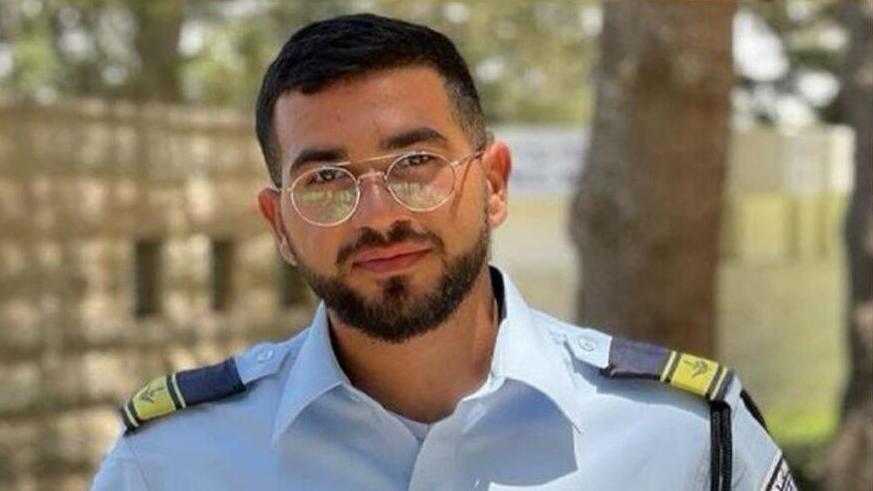
Ran Gvili
(Photo: Israel Police)
An Israeli official told ynet that no known searches for Gvili in Gaza took place in nearly two weeks, halted due to poor weather and flooding
Talks between Israeli and American officials are ongoing. Trump, who has signaled plans to announce progress on the next phase of the ceasefire by the end of the year, has not acknowledged the disagreement publicly. In contrast, Israel has made its position clear.
Gal Hirsch, the government's coordinator for hostages and missing persons, reportedly raised the issue in recent days with senior officials in both the United States and Egypt. According to a senior Israeli source, “Over the past two weeks, Israeli officials have repeatedly emphasized that returning Gvili is not a tactical matter. His return has direct implications for the implementation of the ceasefire agreement.”
The source added that Israel remains committed to fulfilling the terms of the Sharm el-Sheikh framework, which requires “100% effort” to return all hostages, including those who are deceased. “We will not give up. While we await improved weather conditions for search operations, other efforts to locate him continue,” the official said.
Western diplomats: 'Unclear if Hamas can locate the last hostage'
Western diplomats told ynet on Wednesday that U.S. officials at their base in Kiryat Gat are hoping to move forward with the second phase of the ceasefire agreement with Hamas, despite the assassination of Raad Saad, the terrorist group’s deputy commander in Gaza, by Israel.
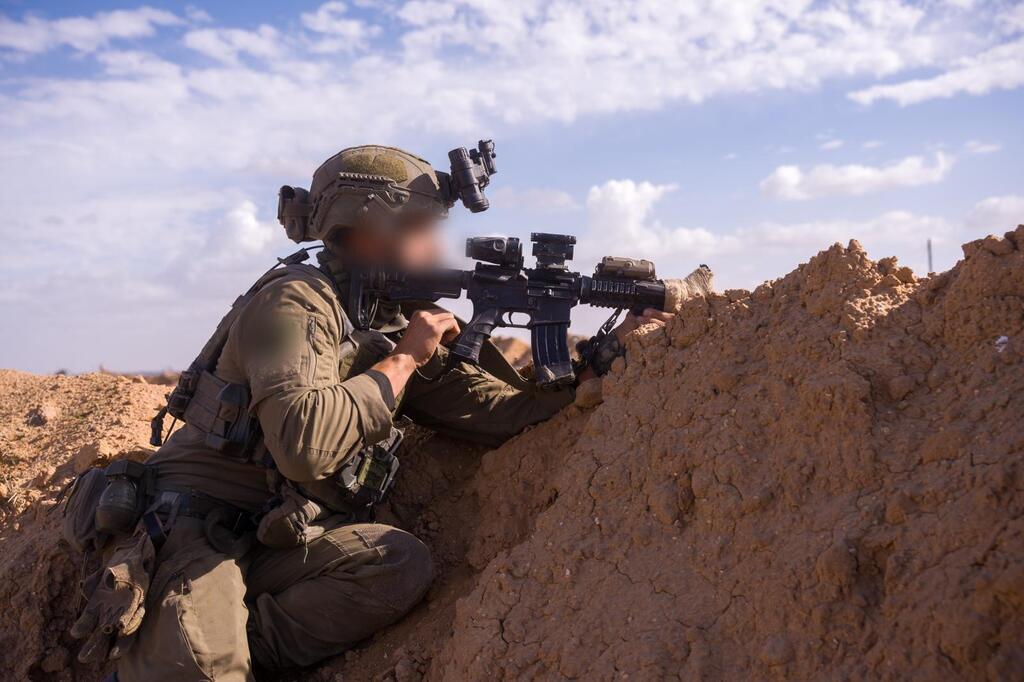
IDF forces operating in Gaza
(Photo: IDF)
“The Americans are already working on several components of Phase B, and preparations are underway on the ground," one diplomat said. "We all want the last hostage returned, but it’s unclear whether Hamas is capable of locating him.
“I truly don’t know if there will be a day when everyone says, ‘This is the beginning of Phase B.’ It’s an organic process that will unfold slowly and gradually. The Trump plan for Gaza did not specify when Phase B begins — it’s an American decision.”
Sergeant First Class Ran Gvili has been held in Gaza for 804 days. On Oct. 7, he was deployed near Kibbutz Alumim as part of a team of six Yasam officers and a police intelligence officer. The unit later split up, and Gvili was killed in combat with Hamas terrorists and taken into Gaza.
As reports circulate of preparations for the next phase of the deal, Gvili’s parents have remained firm. “We will not move to the second phase of the agreement until Rani comes home and we have closure,” they said. “Israel is waiting for Rani.”
Terror groups in Gaza have recently claimed they are “unable” to locate Gvili, even though Israel has shared information through mediators — including aerial imagery and identifying details — intended to aid in his recovery.