


For the past four years, they were considered crazy by the IDF. They are officers and reserve soldiers with technological backgrounds who understood before the IDF General Staff that the next war would look different. They saw agile FPV drones armed with explosives become a significant component in the Russia-Ukraine war, and assessed that it was only a matter of time before Hezbollah copied the method. They acted, trained and warned, but no one in the IDF really wanted to listen.
A Hezbollah drone strike on an IDF armored vehicle:
Hezbollah drone strike on IDF troops in southern Lebanon


They are known as the “red teams.” A year ago, they simulated precisely the threat now striking forces in southern Lebanon. In experiments they conducted, drones were flown into IDF posts, maneuvered between guard positions, passed over parked armored vehicles and reached the entrances to soldiers’ living quarters. They proved there is almost no area in IDF bases immune to an explosives-laden drone. They even simulated an attack on rescue helicopters — a nightmare scenario that became reality in an incident about two weeks ago in southern Lebanon. The experiments were carried out and the conclusions were clear, but they were not implemented.
“Everything happening now, as the IDF rushes in panic after short-term technological solutions, is a certificate of failure for those who were supposed to deal with this threat,” said a security source who followed the issue. “These reservists placed work plans on commanders’ desks. This was not abstract intelligence, but practical solutions born from an understanding of the field. Someone at the senior levels decided it was not important enough.”
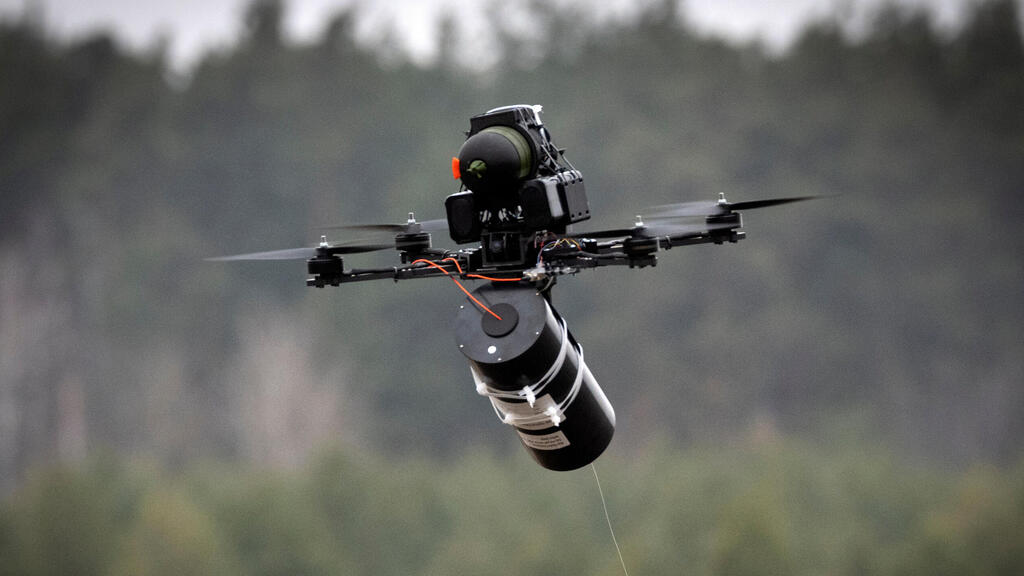
Most of the injuries to soldiers operating in southern Lebanon in recent weeks were caused by explosives-laden drones, fiber optic-guided drones or drones that dropped munitions. In recent years, Hezbollah sent operatives to Iran to specialize in operating deadly FPV drones. Its operating concept is based on two stages: First, a simple observation drone is sent to gather preliminary intelligence on the IDF target, and then the explosives-laden drone is launched on its suicide mission.
The shift from terrorist assaults to drone-based warfare was predictable to anyone who listened to voices from the field. The organization did not hide its intentions and even published videos of these capabilities, but Israel insisted on treating it as a secondary threat, or one mainly related to observation.
In recent years, the IDF prepared documents detailing how the threat could supposedly be handled, but the reality on the ground shows they were not enough. The red teams, by contrast, proposed a full technological toolbox: locating operators through antennas and communication cables in the field; disrupting radio frequencies and blocking GPS signals; shifting to rapid movement on enduro motorcycles to reduce the operator’s lock-on time; and using shotguns, which have proven highly effective against drones at short range.
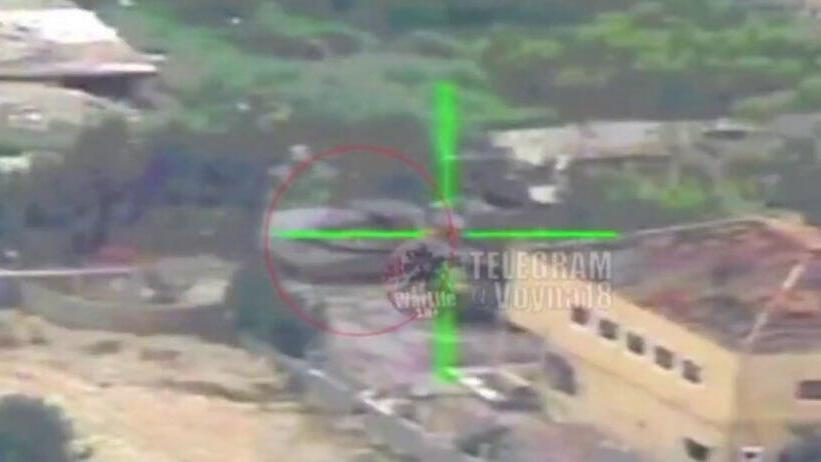
Hezbollah explosive-laden FPV drone homes in on IDF troops in southern Lebanon
The IDF is now trying to close the gaps on the way to a comprehensive solution to the problem, while forces in the field improvise local solutions. Senior IDF officials admit the solution will not come immediately, and there is no choice but to keep improvising.
This is not the first time since October 7 that a technological initiative has come from lower ranks in the IDF who encounter a problem in the field with no solution from above. Brigades that fought in Gaza set up their own drone teams using reservists with backgrounds in the field, and similar initiatives emerged in other areas, such as vehicle protection.
The handling of the explosive drone threat could have been entirely different had the red teams been listened to. Since their plan was not integrated, urgent steps are needed in the IDF in the immediate term, including training soldiers on Hezbollah’s capabilities and formulating procedures for conduct and protection against explosive drones.