


The results of the U.S. midterm elections, which saw Democrats seize control of both the House of Representatives and the Senate, represent a severe blow to Israel. The outcome is a defeat not only for President Donald Trump but also for Prime Minister Benjamin Netanyahu. The two leaders jointly spearheaded the war against Iran, meaning Tehran can also view the election results as a victory.
On Election Day itself, Trump announced that U.S. military aid to Israel, amounting to approximately $4 billion annually, would end at the close of the year. Trump explained the decision in political terms, saying Republicans were suffering from Democratic candidates' attacks over the issue and calling it a "bad talking point" for the campaign. Just hours later, it became clear that Democrats would secure substantial majorities in both chambers of Congress.
Gallery
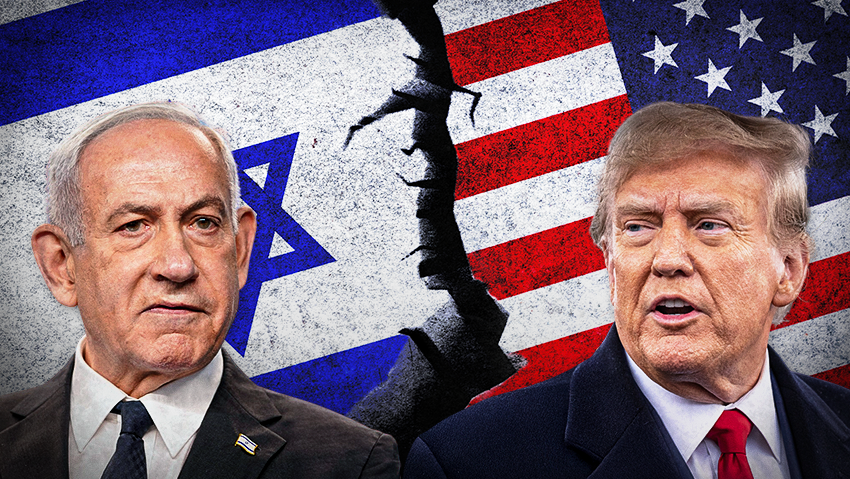
Trump and Netanyahu: Israel has become an electoral liability in the United States
(Photo: lev radin/shutterstock, REUTERS/Nathan Howard, KAWANT HAJU/AFP, shutterstock)
Democrats flipped at least seven Senate seats, including in Maine, Iowa, Kansas, Ohio, South Carolina, North Carolina and Texas. For the first time, a Muslim candidate, Abdul El-Sayed, was elected to the Senate after running a campaign in which sharp criticism of Israel was a central theme. El-Sayed joins at least seven Muslim members of the House of Representatives, including two newly elected lawmakers: Andre Carson, Ilhan Omar, Rashida Tlaib, Lateefah Simon, Aisha Wahab, incoming Rep. Adam Hamawy and incoming Rep. Darializa Avila Chevalier.
The central conclusion emerging from the results is that Israel, and Netanyahu in particular, have become electoral liabilities in the United States. That reality was reflected in a Republican president choosing Election Day to announce the termination of aid to Israel in an apparent effort to limit political damage, while Democrats built part of their success on criticism of Israel.
‘El-Sayed's election is the worst thing that could have happened’
The Congress Israel will now face is markedly different from the institution it has known for decades. For years, Congress was a reliably pro-Israel force. Now, a substantial group of lawmakers is entering its ranks after making criticism of Israel a central part of their campaigns and political agendas.
The most prominent example is Abdul El-Sayed, elected to the Senate from Michigan. El-Sayed opposes unconditional military assistance to Israel and argues that the money should instead be spent on American citizens.
‘We can go from inshallah to alhamdulillah’: Abdul El-Sayed becomes first Muslim US senator


Kobi Barda, an expert on U.S. affairs, described El-Sayed's election as "the worst thing that could have happened" and predicted that he would seek the presidency as early as 2028. According to Barda, dozens of lawmakers across both chambers of Congress hold anti-Israel positions, including approximately seven whose political activity is overwhelmingly focused on Israel.
"What is new," Barda said, "is that this position has become an electoral asset. In the past, failing to support Israel would cause a candidate to lose. Today, the opposite is true."
The most immediate danger concerns financial and military assistance. Barda warned that "with the current composition of Congress, there is no point even imagining continued aid to Israel." He said considerable efforts would also be required to prevent a U.S. arms embargo.
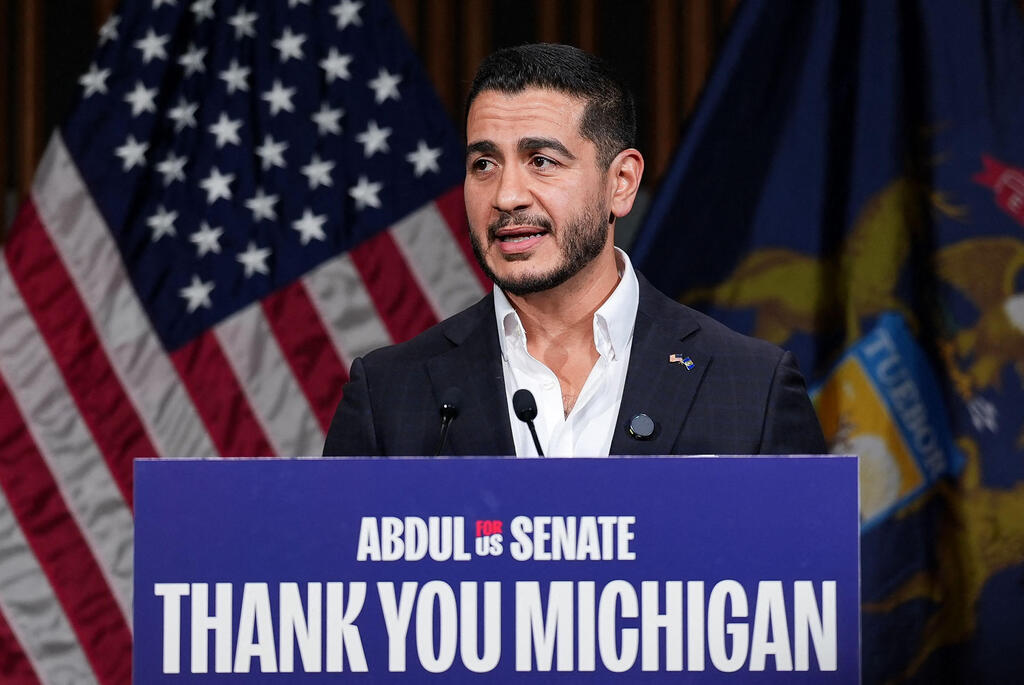
Abdul El-Sayed: the newly elected Michigan senator ran on an agenda sharply critical of Israel
(Photo: Salwan Georges/Getty Images/AFP (Photo by Salwan Georges / GETTY IMAGES NORTH AMERICA / AF)
Although legislation imposing such an embargo would likely face a presidential veto, at least while Trump remains in office, Israel is also concerned about potential damage to its qualitative military edge and the termination of funding for advanced weapons systems. There are additional fears that Democrats could advance further measures against Israel to satisfy their voters.
Nadav Tamir, executive director of J Street Israel, expects Congress to continue promoting sanctions over settler violence and potentially expand them. He said that in a previous vote concerning funding for defense procurement, 47 of the 48 Democratic senators opposed the measure.
Nevertheless, Tamir drew a distinction between hostility toward Israel and opposition to Netanyahu's government. The new Congress, he said, "will be very pro-Israel, but not pro-Netanyahu. In Israel, people think that is anti-Israel, but it is opposition to the current policy."
Iran's ‘victory’
The outlook is also troubling when it comes to Iran. If Israel still hoped Trump would apply pressure and resolve the Iranian nuclear issue, the concern now is that the president could blame Netanyahu for the electoral defeat and turn his attention to domestic affairs. In that scenario, it would become harder for him to devote resources to confronting Iran.
The war with Iran was also what turned Netanyahu into an issue in the U.S. midterm elections. Voters focused on gasoline prices and inflation, which were linked to the war. Responsibility for those economic pressures was then directed at both Trump and Netanyahu.
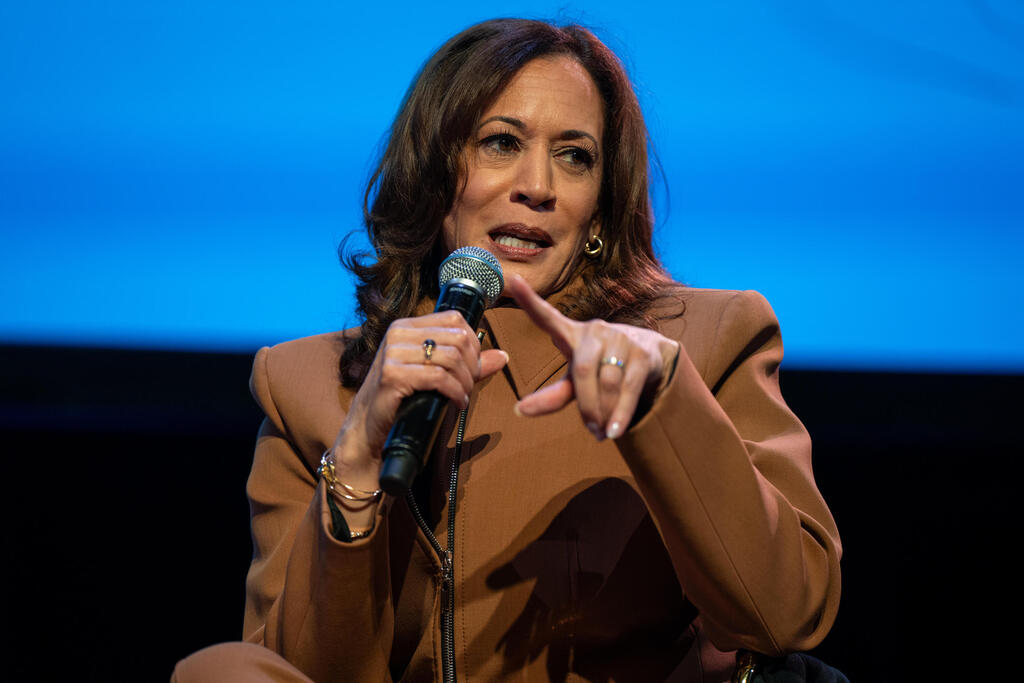
Kamala Harris: Could the Democratic Party's mainstream leadership intensify its criticism of Israel to appeal to progressive voters?
(Photo: AP Photo/Angelina Katsanis)
Barda suggested that this may be the first time in modern history that U.S. midterm elections have revolved around an issue central to the interests of a foreign leader. One commentator summed up the results this way: "Tonight there is one big winner, Iran, and one huge loser, Trump and Israel."
Following the victories of progressive Democratic candidates, Israel must now prepare for a difficult period. Kamala Harris and the Democratic Party's mainstream leadership will seek to appeal to the progressive wing, potentially encouraging additional initiatives against Israel.
Jerusalem now faces the exceptionally difficult task of rebuilding the bipartisan support it once enjoyed in the United States. To some extent, Israel is now paying the price for Netanyahu's decision to put all his eggs in one basket: the Republican and evangelical camp.