

The fighting has stopped for now, but it remains unclear what U.S. President Donald Trump will order after two consecutive nights of U.S. strikes on Iran.
CNN reported Thursday that Pakistan and Qatar, which mediated a memorandum of understanding between the United States and Iran, are trying to bring the sides back to negotiations. Trump has not spoken publicly since returning to the White House from a NATO summit in Ankara and has been in closed meetings, according to his schedule.
Iran’s Foreign Ministry said Foreign Minister Abbas Araghchi held calls with his counterparts in Oman, Turkey and Saudi Arabia, saying the sides emphasized diplomacy and continued coordination to prevent escalation.
Iran escalated its attacks Thursday, firing 10 missiles toward Jordan. Jordan’s military said eight were intercepted. Iran’s military said it remained ready to fight and defend the country’s borders and sovereignty. ABC News quoted a senior official as saying the U.S. military had intercepted “dozens” of drones and missiles since the previous night.
Over the past two days, the United States has struck more than 170 Iranian targets, including 90 overnight and 80 the night before. Iran said 14 people were killed and 78 wounded.
The naval force of Iran’s Revolutionary Guard also issued a warning over the Strait of Hormuz, saying U.S. “adventurism” and interference in maritime traffic would trigger a harsh response and could disrupt the gradual reopening of the strait.
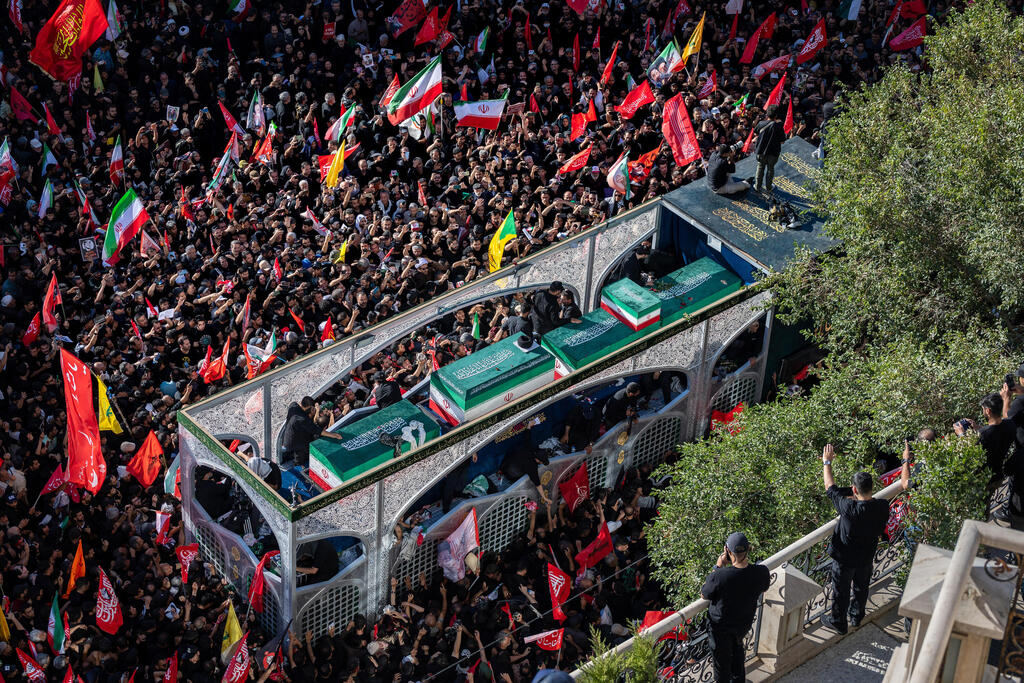
Iranian Supreme Leader Ali Khamenei's funeral procession in Mashhad, Iran
(Photo: John Moore/Getty Images)
For the first time since April, the United States also struck bridges. Iranian reports said cruise missiles hit a strategic rail bridge used for trade with Russia and China.
The developments came as the funeral procession for Supreme Leader Ali Khamenei reached Mashhad ahead of his burial in his hometown. Mourners carried a large sign reading, “We will kill Trump.”
Mojtaba Khamenei, Ali Khamenei’s son, who was appointed supreme leader after his father’s killing, did not attend the procession and has not appeared in public. CNN reported he was not expected to attend the funeral. Reuters cited senior sources in Tehran saying he was recovering but not well enough to appear publicly, and that Iranian security services were seeking to limit his exposure.
The New York Times reported that Iranian political circles are already questioning whether the younger Khamenei can govern in his absence. According to the report, President Masoud Pezeshkian visited him after he hesitated over the memorandum of understanding and threatened to resign, warning that the economy was deteriorating and that a U.S. naval blockade was paralyzing Iran.
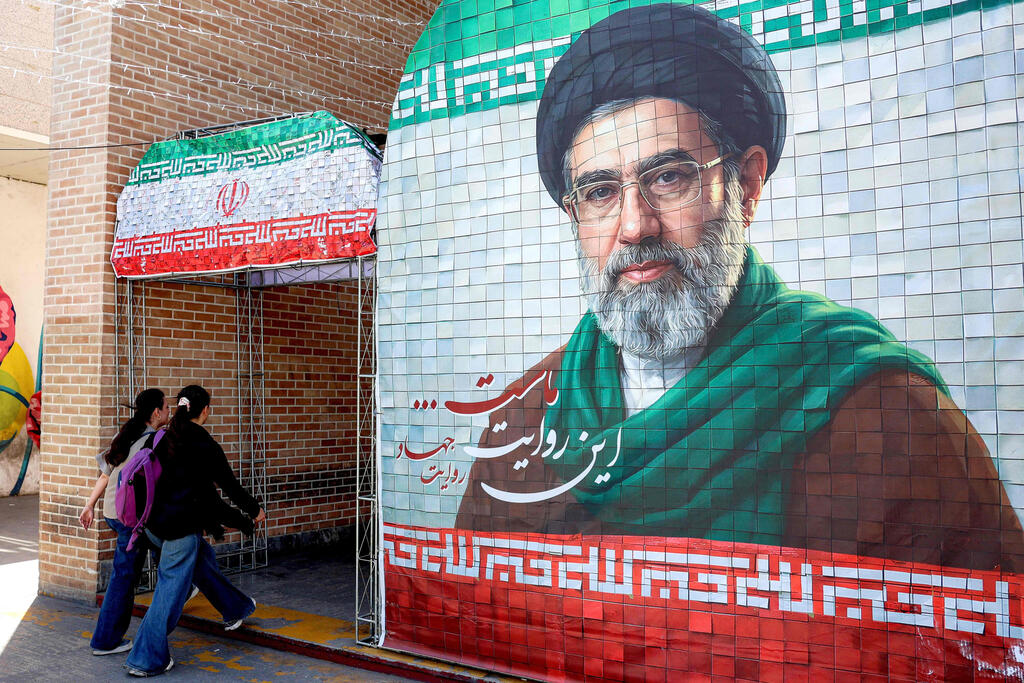
A mural of Iranian Supreme Leader Mojtaba Khamenei in Tehran, Iran
(Photo: AFP)
The central bank governor also warned that Iran faced a severe financial crisis and that food and medicine supplies could run out by the end of August if the blockade continued, according to the report.
Those appeals were decisive in Mojtaba Khamenei’s decision to back the framework agreement with the United States, according to the officials cited. In a written statement, he said he opposed the deal “in principle” but instructed the president to proceed if he had the backing of the Supreme National Security Council.