

Iranian human rights organizations say Iranian state television has broadcast at least 240 forced confessions by protesters arrested during the latest wave of demonstrations, a scale described as unprecedented.
In one broadcast, a detained protester appears speaking to the camera with his face blurred as dramatic music plays in the background. Speaking shakily, he says, “I made a mistake,” while an off-camera interrogator presses him to confess to the deaths of members of Iran’s security forces. “If I had known, I wouldn’t have done it,” the protester says on air.
Gallery
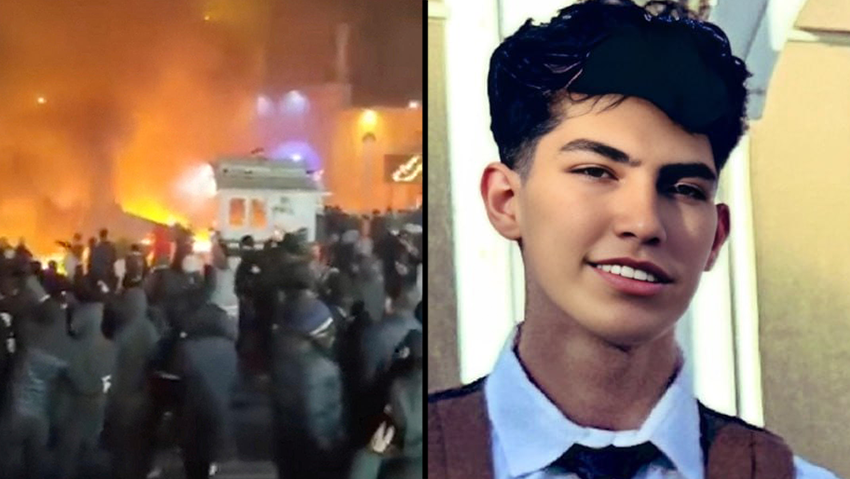
Forced confessions of detained protesters on Iranian state television
(Photo: Social Media/ Reuters)
Another confession circulating on social media shows an 18-year-old identified as Sharvin Bargian being questioned over the killing of a security officer. During the broadcast, he is told the charges could lead to his execution. In another case, a man appearing on state television “confessed” to sending protest footage to U.S. President Donald Trump via social media.
Iranian authorities arrested thousands of protesters during the violent crackdown on the demonstrations, in which rights groups estimate that thousands were killed. During the staged interrogations aired on television, detainees confess to a wide range of alleged crimes, from attacking security personnel to receiving money from exiled opposition figures and foreign adversaries, or sharing images with banned media outlets. In some cases, activists say, the only alleged offense was following opposition accounts on social media.
Footage from a morgue in the city of Kahrizak, Iran


Human rights activists say the confessions were extracted under psychological and physical torture, a tactic Iran has used in previous protest crackdowns to intimidate dissent. In some cases, detainees who appeared in televised confessions were later executed.
Amnesty International said the confessions amount to propaganda videos, adding that detainees are forced to sign statements admitting to crimes they did not commit. Mai Sato, the UN’s special rapporteur on human rights in Iran, told the Human Rights Council that the forced confessions “reinforce the state narrative that protesters are dangerous criminals.”
Further evidence of the regime’s brutality emerged when opposition outlet Iran International published a graphic video from a morgue in the city of Kahrizak, showing relatives searching among the bodies of protesters killed earlier this month.
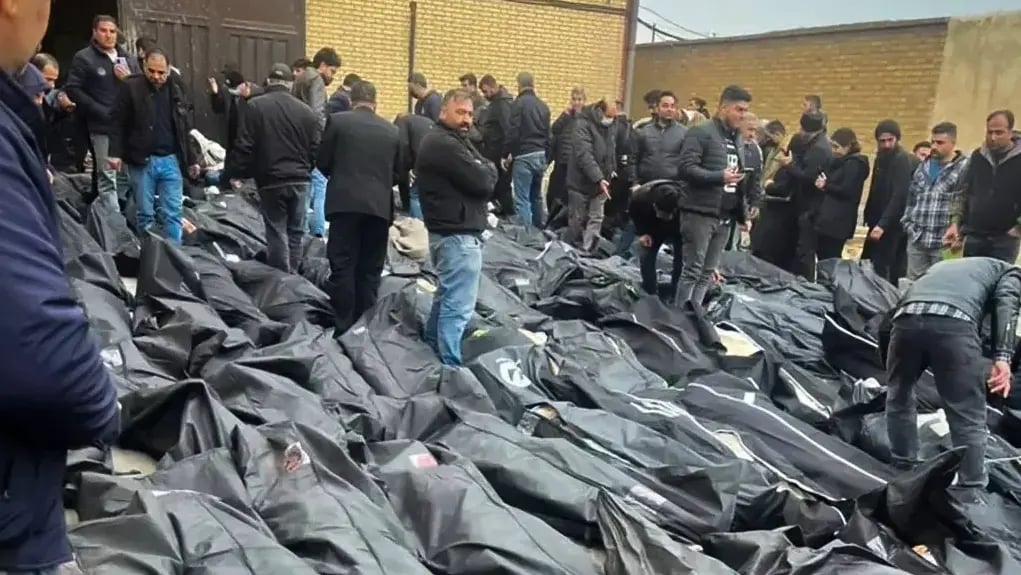
Families search among body bags in Tehran after the protest crackdown
Iran’s judiciary chief, Gholamhossein Mohseni Ejei, appeared on state television this month claiming to have personally interrogated detainees. Those interrogations were also broadcast. Roya Boroumand, a human rights activist, told AFP that in totalitarian systems such confessions serve multiple purposes: legitimizing repression, creating a false official narrative and deterring further protests.
Forced confessions have previously preceded executions. Among the most prominent cases was regime opponent Ruhollah Zam, who was abducted, interrogated on television and executed in December 2020. Foreign nationals have also been subjected to similar treatment. French citizen Cecile Kohler appeared in a forced confession in October 2022 before being convicted of espionage. She was released in late 2025 as part of a deal, along with fellow French citizen Jacques Paris, though both remain barred from leaving Iran.
A father searches for his son’s body after he was killed by the Iranian regime during anti-government protests
According to the Human Rights Activists News Agency, more than 41,000 protesters were arrested during the latest unrest. After mass killings and arrests, the protests subsided. Iranian authorities blamed Iran’s rivals, including the United States and Israel, for the unrest.
The U.S.-based Center for Human Rights in Iran said the forced confessions are being broadcast on Iranian television on an unprecedented scale and are often used as the sole evidence for conviction, including in cases that carry the death penalty.
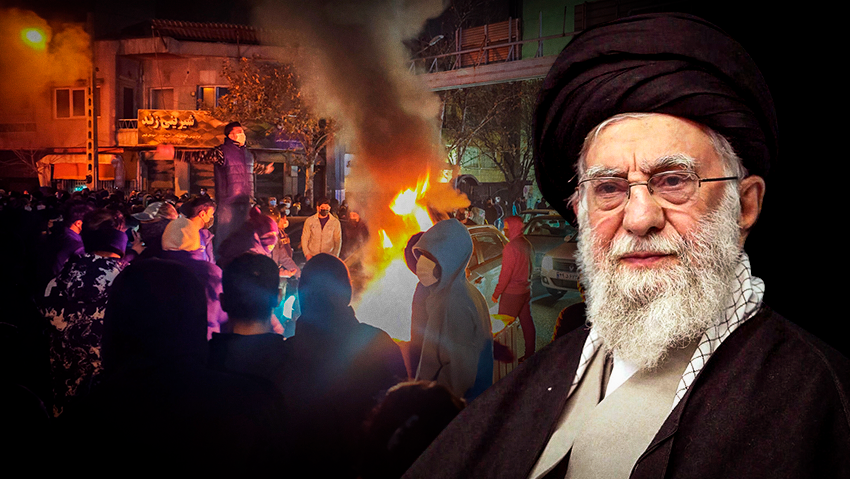
(Photo: Anonymous/Getty Images, AP)
Sato told Reuters she received reports that protesters wounded by gunfire were arrested from hospital beds by security forces. She said families are being forced to pay between $5,000 and $7,000 to recover the bodies of relatives killed during the protests, amid a deep economic crisis.
Medical staff confirmed parts of the account. A doctor in northern Iran said dozens of patients with gunshot wounds were treated and then taken away by the Revolutionary Guards. Nurses and doctors in Tehran said security forces searched hospital rooms by room for wounded protesters.
Thirty days after the protests erupted over economic conditions, Human Rights Activists News Agency said at least 6,126 deaths had been confirmed, with more than 11,000 seriously injured and another 17,000 deaths still under review. Internet shutdowns imposed to suppress the protests remain in effect.
As tensions rise over a possible U.S. strike, Trump said the situation with Iran is “fluid,” adding that a large U.S. naval force has been deployed to the region. Iranian officials said the country is at its highest level of readiness and prepared for any scenario. The New York Times reported that U.S. intelligence assessments presented to Trump indicate the Iranian regime is at its weakest point since the 1979 Islamic Revolution.