


Israel’s international standing has seen sharp fluctuations since the outbreak of war on October 7, 2023, but in recent weeks, the country has faced growing diplomatic isolation, even from traditionally friendly nations, amid preparations by the IDF for a potential ground offensive in Gaza City.
European criticism has intensified, culminating this week in the strongest condemnation yet from the European Union. On Thursday, EU Commission Vice President Teresa Ribera accused Israel of “genocide” in Gaza, calling the situation “a failure of Europe to act and speak with one voice, even as protests spread across European cities and 14 UN Security Council members call for an immediate ceasefire.”
Gallery

(Photo: Chaim Goldberg/Flash90, AP/Alex Brandon, Reuters/LUDOVIC MARIN/Pool via REUTERS, AP Photo, Christopher Furlong/Getty Images, Jehad Alshrafi/Borja Puig de la Bellacasa/La Moncloa/AFP, Filippo Monteforte/AFP)
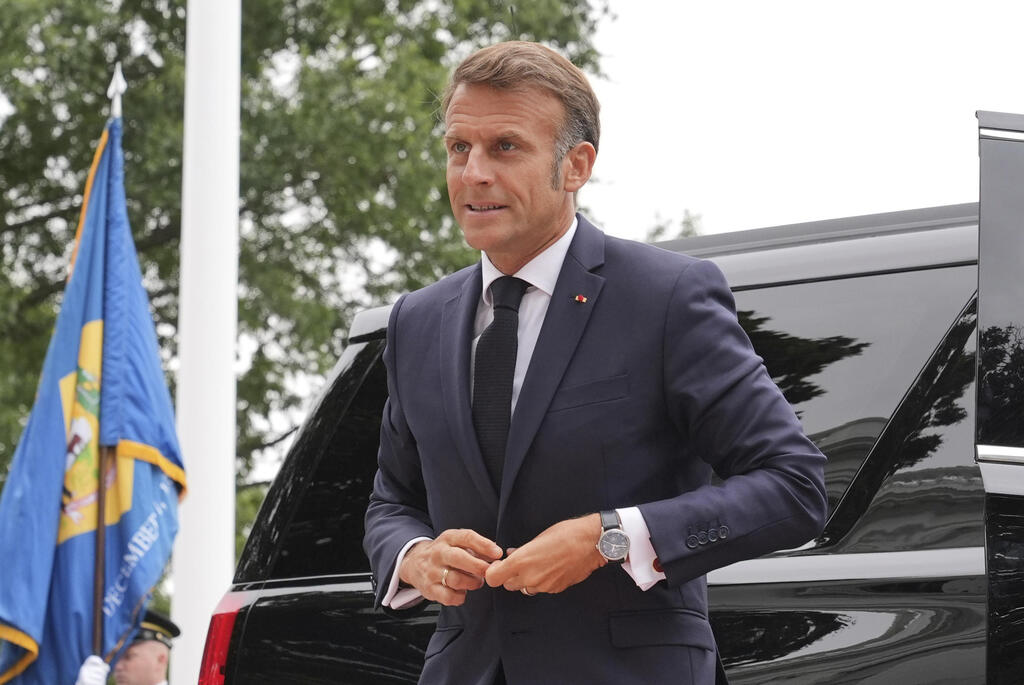
French President Emmanuel Macron has emerged as a central figure in the European response. He plans to lead an international conference alongside Saudi Crown Prince Mohammed bin Salman to advance a two-state solution, coinciding with the upcoming UN General Assembly. Macron has indicated he intends to recognize a Palestinian state at the Assembly, regardless of any ceasefire deal with Hamas. Israel refused a proposed visit by Macron unless he abandoned his recognition plan, a condition the French president rejected.
Foreign Minister Gideon Sa’ar publicly criticized Macron on X, accusing him of trying “to interfere from outside in a conflict he is not part of, completely detached from reality after October 7” and claiming Macron’s actions “undermine stability in the region and push the Middle East and international system toward unilateral steps. His actions are dangerous and will not bring peace.” French Foreign Minister Jean-Jean-Noël Barrot responded, defending Macron’s efforts to secure commitments from the Palestinian Authority and noting that payments to terrorists had ceased and textbook revisions had begun. Sa’ar expressed disbelief at Barrot’s claims.
Following Macron’s announcement, Belgium declared it would recognize a Palestinian state during the UN General Assembly and imposed 12 sanctions on Israel, including bans on imports from settlements, restrictions on public procurement, and travel limitations for certain Israeli officials and settlers. Prime Minister Benjamin Netanyahu attacked Belgium, calling its leadership “weak and sacrificing Israel to appease Islamic terrorism.”
(Photo: AP/Jacquelyn Martin)
British officials have also pressed Israel. Foreign Secretary David Lammy said he was “angry” that Israel was restricting humanitarian aid to Gaza, describing the crisis as “not a natural disaster, it is man-made famine in the 21st century.” The U.K. plans to evacuate critically ill children from Gaza for treatment and assist students receiving university scholarships.
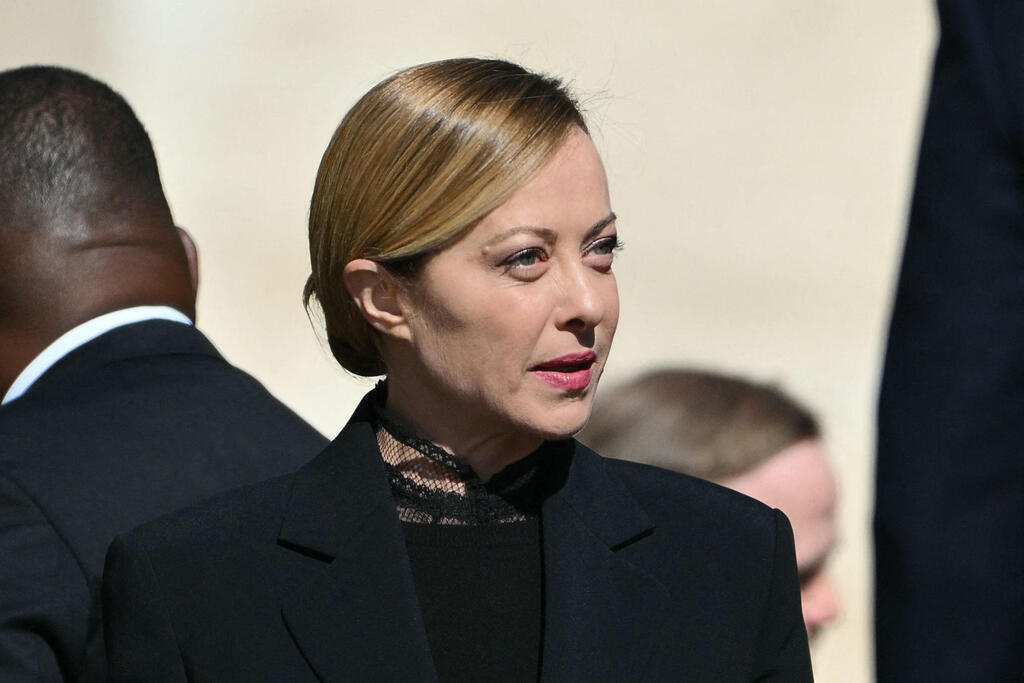
Italy’s Defense Minister Guido Crosetto demanded explanations over an incident near UN positions in southern Lebanon, criticizing Israel’s actions and warning that regular statements would no longer suffice. Italian Prime Minister Giorgia Meloni called Israeli airstrikes in Gaza “disproportionate” and condemned “too many civilian casualties.”
Spain’s Prime Minister Pedro Sánchez accused Europe of applying double standards regarding Israel. “The response of Europe to Israel’s war in Gaza is one of the darkest chapters in international relations in the 21st century,” Sánchez said. He expressed concern over inconsistent European influence on Israel, noting that the same standards are not applied to Ukraine.
(Photo: Alberto PIZZOLI / AFP)
Turkey has severed official ties with Israel, closing its airspace to Israeli government and military flights, while criticizing Israel’s goal to make Gaza uninhabitable. Israel’s National Security Minister Itamar Ben-Gvir responded by posting a photo of Turkish President Recep Tayyip Erdoğan with Hamas leader Ismail Haniyeh, labeling Turkey as aligned with Hamas.
The UAE also warned that any Israeli annexation of the West Bank would cross a “red line” and undermine the Abraham Accords, which normalized relations with Israel. Emirati official Lana Nusseiba stated that the agreements were meant to support the Palestinian people’s legitimate aspirations for an independent state.
Even U.S. President Donald Trump, a longstanding supporter of Israel, criticized the ongoing war’s effect on Israel’s public relations. Speaking to the Daily Caller, he said: “Israel may be winning the war, but they are not winning in the public arena — and it is hurting them.” Trump added that Israel’s congressional lobby, once the strongest he had ever seen, has weakened over the past 15–20 years.