


733 days since October 7: The past two years have been among the most turbulent in the history of the State of Israel. The dramatic events of October 7, 2023 initially produced an unprecedented wave of sympathy and embrace for Israel and Israelis after Hamas’ murderous massacre, but that wave quickly faded and was replaced by a deepening process of diplomatic isolation — against the backdrop of the ongoing war in the Gaza Strip.
The intensity of that isolation has been felt especially since the beginning of this year, as discourse about “genocide” and deliberate starvation in the Strip has gained momentum in the international media and has effectively become the way most countries in the world relate to Israel today. The heavy diplomatic damage inflicted on Israel is a consequence of that sense of isolation and distancing, and it is the major challenge facing the state — one it will have to contend with if the advanced talks in Sharm el-Sheikh, Egypt, on a ceasefire and a deal to return hostages mature into an agreement. How did we get here — and is there a way out?
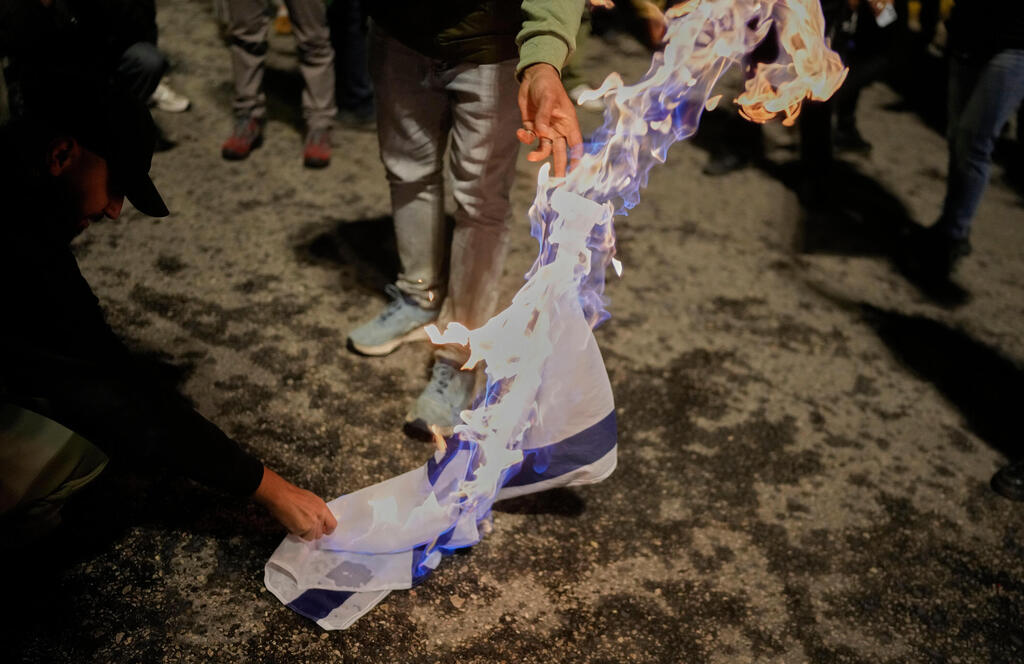
Pro-Palestinian protests against Israel on the second anniversary of October 7
(Video: Reuters)


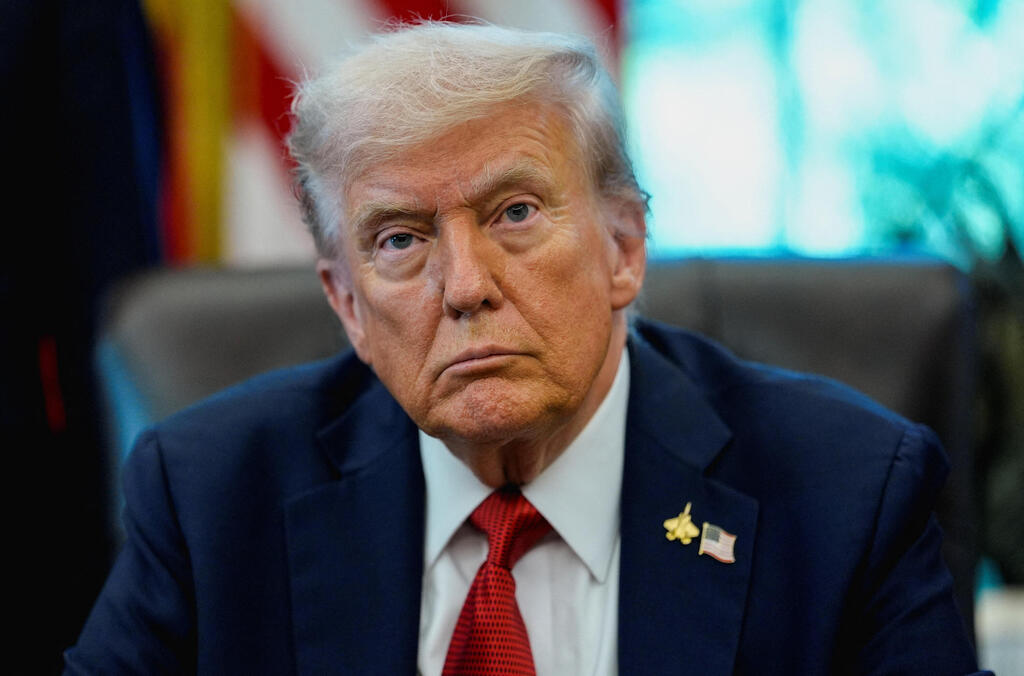
Putting all our eggs in the President Donald Trump basket
(Photo: Kent Nishimura/Reuters)
The world as we knew it before October 7 is no longer the same. The hostility Israel feels from many countries reflects moods both among the populations and among public opinion in those countries — primarily in Western Europe — and not only the positions of their governments. To restore Israel’s standing in the eyes of the world to what it was before the outbreak of Operation Iron Swords, action will be needed not only vis-à-vis governments but also toward public opinion. Israel will have to convince the world that it is again a desirable and respected partner, rather than the pariah it has seemed over the past two years.
Unlike clear enemies of Israel — from Iran to two-faced states like Turkey or Qatar — here we are talking about a large majority of countries that are not hostile to Israel. Most countries are fairly indifferent, and what pushed them toward expressing negative positions regarding Israel were the harrowing images coming out of the Gaza Strip, creating a sense that Israel has lost its judgment and is acting cruelly and disproportionately toward Gaza’s civilian population or “far beyond what is necessary.”
These countries — from Western Europe, South America, Asia and Africa — will need to be “won back,” and that is a very significant diplomatic challenge awaiting Israeli diplomacy. To do that, the State of Israel will have to present a political vision for peace — one based on a strategy of dialogue.
Relations with the United States also need significant improvement: even in the U.S., Israel is losing public support. The Democratic camp is already showing pronounced hostility toward Israel, and among the far-right wings of the MAGA camp of President Donald Trump there are also strains. The approach of Prime Minister Benjamin Netanyahu — putting all of Israel’s cards on Trump — may be effective in the short term, but it is a catastrophe in the long term.
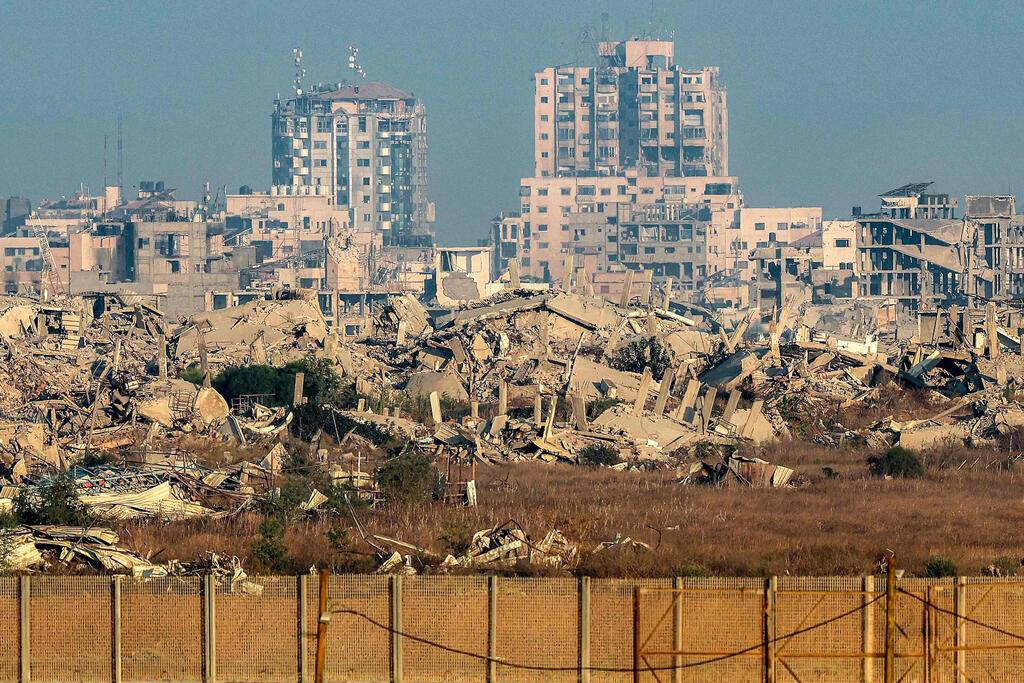
Destruction in Gaza
(Photo: Jack Guez / AFP)
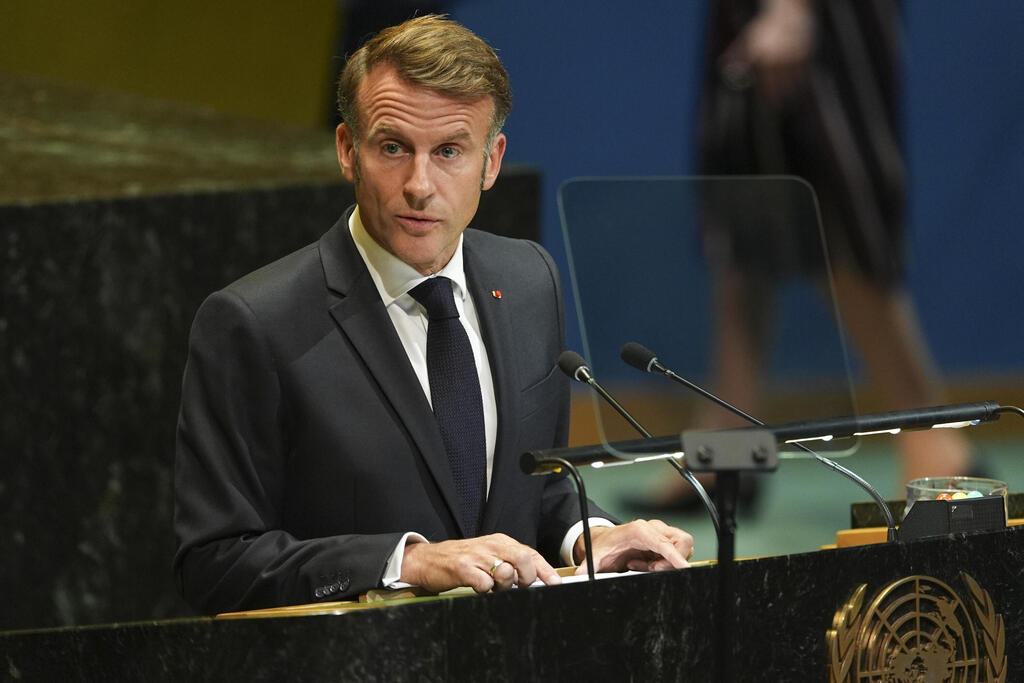
French President Emmanuel Macron at the United Nations
(Photo: Angelina Katsanis/AP)
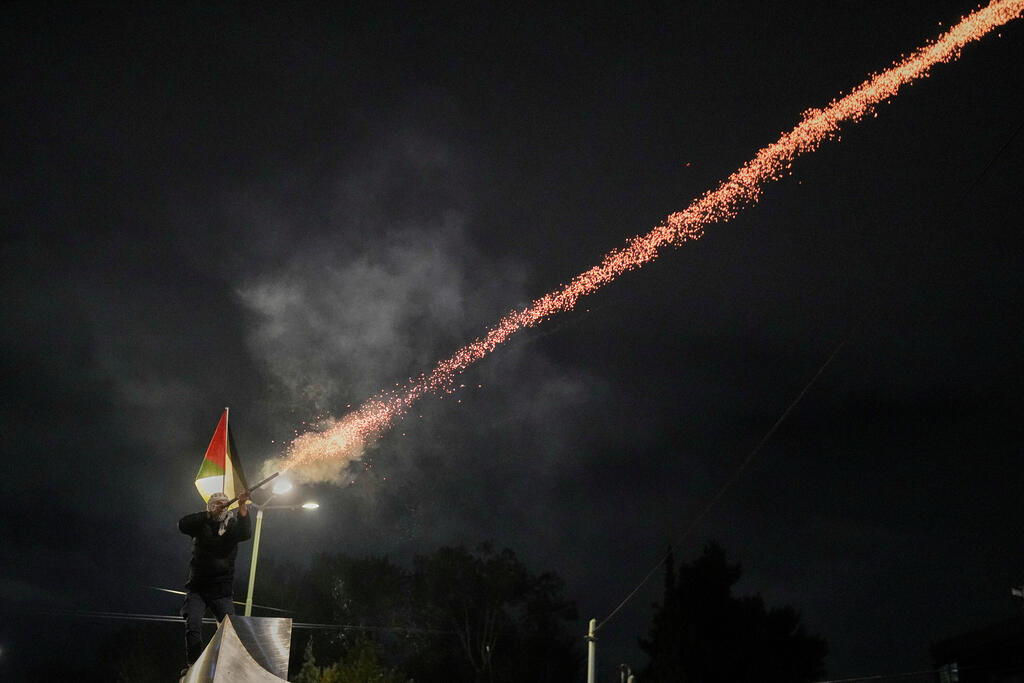
Pro-Palestinian demonstration in Greece
(Photo: Petros Giannakouris/AP)
On the diplomatic front, Israel has suffered a setback that no one predicted two years ago. The absence of a political horizon and a plan for the day after in the Gaza has led even Israel’s close friends to wonder where the country is headed. What began as a parade of leaders coming to Israel to show support and solidarity after Hamas’ shocking surprise attack has turned, over time, into harsh criticism — culminating in nine Western countries recognizing a Palestinian state.
At the head of the countries declaring recognition of a Palestinian state were some of Israel’s closest and most important allies: the United Kingdom, France and Canada. At the same time, Israel had to recall its ambassadors from several countries, including Spain, Ireland, Norway, South Africa and Colombia. Bolivia, Nicaragua and Belize, by contrast, severed relations with Israel entirely.
The limits — and the achievements
Regarding Europe, the European Union is considering imposing sanctions on Israel and undermining the association agreement. Strategic allies have limited arms exports to Israel, including Britain and France; Spain imposed a full arms embargo on Israel and even cancelled several weapons deals. Slovenia imposed a full arms embargo and also barred Ministers Itamar Ben-Gvir and Bezalel Smotrich from entering its territory — steps similar to those taken earlier by several countries including the UK, Spain, Australia, Canada, the Netherlands, Norway and New Zealand.
In the United States there is now of course the Trump administration, which strongly supports Israel, but even within the Republican camp voices are being heard calling for a reassessment of relations with Israel — and Israel has already lost much of the Democrats’ support over recent years.
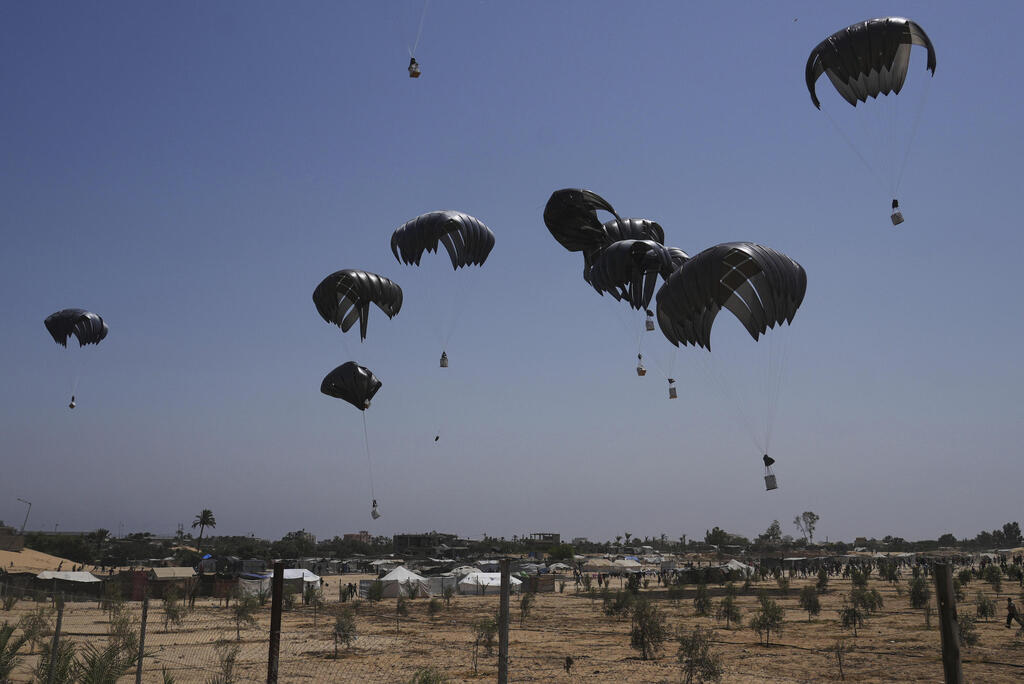
UAE humanitarian aid air drops lands in Deir al-Balah
(Photo: Abdel Kareem Hana/AP)
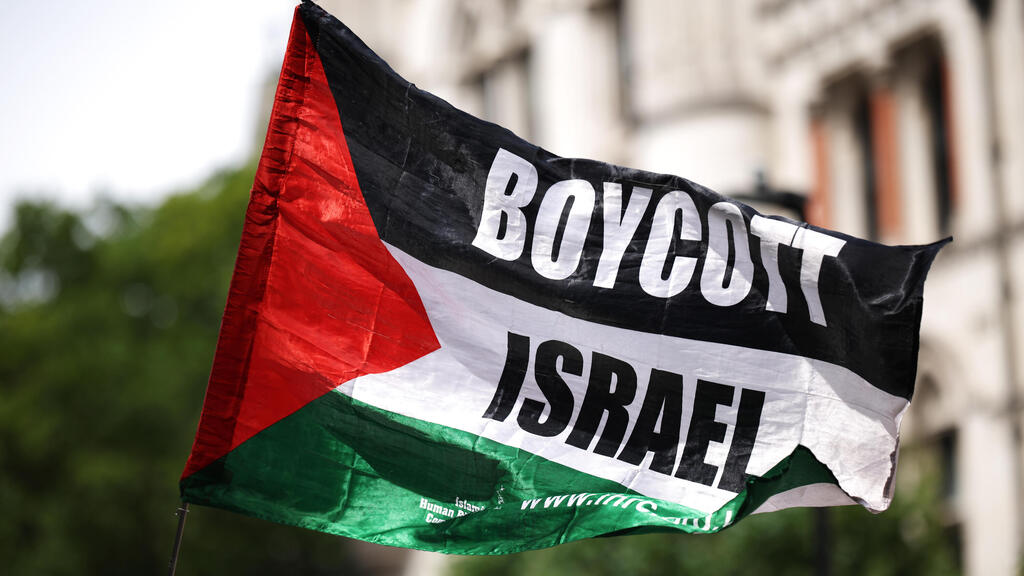
Activists from Palestine Action with a BDS flag calling for a boycott of Israel at a demonstration outside a courthouse in London
(Photo: Dan Kitwood/Getty Images)
Alongside the list of diplomatic defeats on the international stage, there is one important achievement: no Arab country has cut diplomatic ties with Israel or recalled its ambassador. It is true that the Israeli ambassadors designated for Egypt and Jordan did not present their letters of credentials and have been waiting in Israel for over a year for their postings to proceed, but the fact that no Arab country that signed a peace agreement with Israel has severed ties has undoubtedly provided a measure of regional stability. In the United Arab Emirates, Morocco and Bahrain — which joined the circle of peace under the Abraham Accords — Israeli ambassadors remain in place.
In South America, however, Chile’s President Gabriel Boric, of the far left, recalled the Chilean ambassador from Israel. Israel’s ambassador Gil Artzyeli remained in Santiago and continued to work normally, but last September Chile requested to join South Africa’s case accusing Israel of genocide at the International Court of Justice (ICJ) in The Hague

Israeli attack seen on Iranian TV channel
(Photo: Stringer/Getty Images)
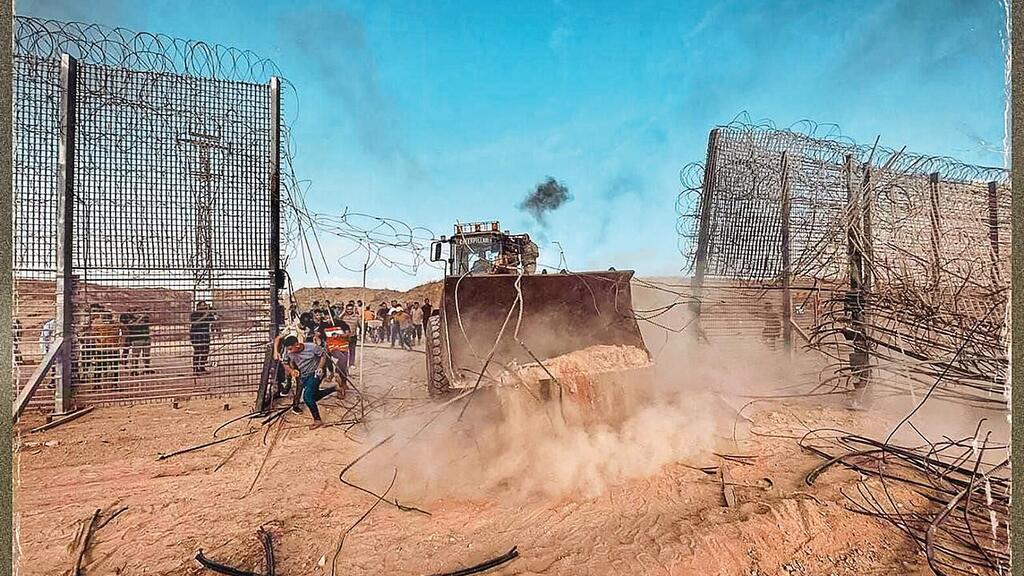
Hamas terrorists break through the Gaza border fence on October 7, 2023
Brazil also joined that lawsuit. In February Brazilian President Lula da Silva recalled his ambassador to Israel after an incident in which then-foreign minister Israel Katz rebuked Brazil’s ambassador at the Yad Vashem museum in Jerusalem after Lula compared Israeli actions in Gaza to the Nazis and Adolf Hitler.
Israel’s ambassador to Brazil, Danny Zonshein, ended his term, and Brasília refused to approve the nomination of his successor, Gali Dagan — so in practice Israel currently has no ambassador in that important South American country and the embassy is run by a chargé d’affaires. Honduras, in Central America, recalled its ambassador from Israel, although Israel still has an ambassador in Honduras and the embassy there is operating as usual.
A mark of Cain
While Israel may be able to repair its diplomatic standing, whether through a ceasefire or a political horizon, the area that will be hardest to restore is Israel’s standing in public opinion and in the international public arena. Even after global protests subside and anti-Israeli discourse online diminishes, Israel and Israelis may carry a mark of Cain for a long period.
The assumption is that visible boycotts — and, more seriously, quiet boycotts in culture, sports, academia, medicine and science — will continue and may even intensify. Not only Israel’s enemies and critics will continue to boycott and avoid cooperation, but even friends may hesitate to invite Israeli researchers or artists who reside in Israel, for fear that association with a stigmatized country will harm their professional standing. Just as international festivals avoid inviting artists or works from Russia, Israelis’ standing could suffer similarly.
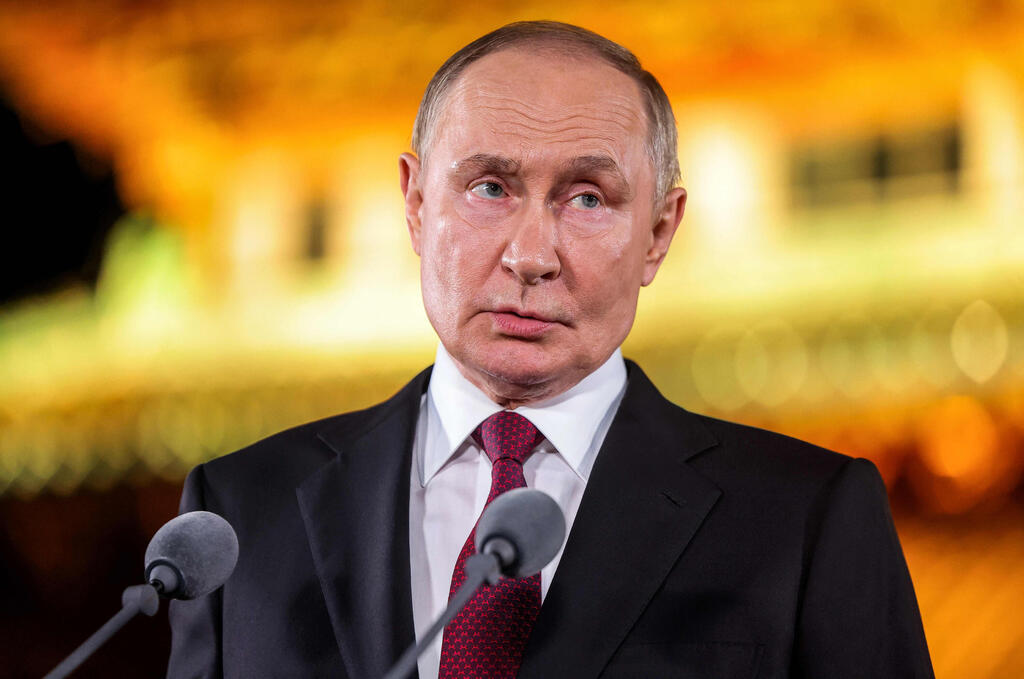
Russian President Putin at a press conference after a visit to Beijing
(Photo: Maxim Shemetov / POOL / AFP)

Protest in Turkey
(Photo: Francisco Seco, File/AP)
On the other hand, deterrence has certainly been restored in the past two years. If before October 7 Israel was characterized by caution, even passivity, on various fronts, the successes of the IDF and security organizations have restored deterrence that had eroded until it culminated in Hamas’s surprise attack on the western Negev.
An operation that stunned the world: Pager operation in Lebanon
The extraordinary actions against Hezbollah in Lebanon — led by the pager operation — along with military and intelligence activity in Iran and the surprise opening strike in Operation Rising Lion and even attacks on the Houthis in Yemen — all demonstrate to Israel’s enemies that they must weigh their actions carefully.
Opinions differ regarding the images of destruction in Gaza: on the one hand, some say the apocalyptic images from Gaza will deter Palestinians from contemplating another attack like October 7. On the other hand, Hamas’ attack demonstrated that a powerful Israel is vulnerable and that its borders can be penetrated if a secret, sophisticated operation is planned; the problem Israel faces is that extreme factions among the Palestinians do not necessarily consider the plight of civilians when deciding to attack, so scenes of destruction may not stop them from trying to repeat such massacres.
Given the challenging picture outlined above, the question is: beyond a ceasefire and a political horizon, what tools does Israel have to improve its situation? Since the anti-Israeli genie is already out of the bottle, it will be difficult if not impossible to put it back. A period of security quiet is a good start and would help, and the clouds of war over Europe and Russia’s aggression toward NATO countries are likely to occupy global public attention in the near term.
Clouds of war over Europe
Public opinion tends to focus on a single global crisis at a time. First it was the Russia–Ukraine war, then the Israel–Hamas war. Thus a new armed conflict elsewhere could draw attention away from Middle Eastern conflicts involving Israel. No less important, in the coming years the Foreign Ministry will need to marshal its best minds and experience to act energetically and proactively to rehabilitate Israel’s diplomatic standing — both among governments and within public opinion. This will not be easy work, but it is important that decision-makers, led by the prime minister, give Israeli diplomats the tools and budgets to carry out the task.
Israel will need to make an effort to repair relations with European countries. Another question arises: is it wise to restore Israel’s ambassadors to Norway, Ireland and Spain? In Dublin, Israel closed its embassy; in Oslo the embassy remains downgraded; in Madrid a relatively senior chargé, Dana Erlich — who had been the ambassador recalled from Ireland — has been appointed. As long as the current Spanish government remains in place — which Foreign Minister Gideon Sa’ar called “antisemitic” — there seems little point in trying to repair ties other than damage control and waiting for a new government. Norway’s situation appears even worse, and so does Ireland’s.
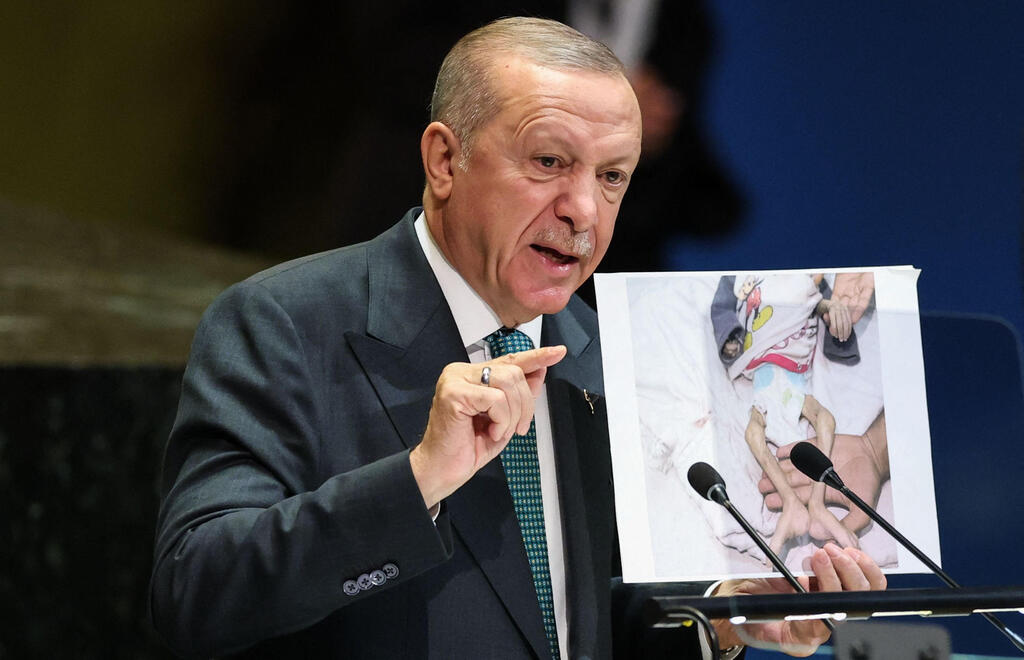
Turkish President Recep Tayyip Erdogan at the United Nations General Assembly
(Photo: Angela Weiss / AFP)
Turkey is the most interesting case in this context. On the face of it, there is potential for restoring relations, especially since President Trump succeeded in enlisting Turkish President Recep Tayyip Erdoğan in efforts to persuade Hamas to agree to his political plan and to return the hostages. This move is apparently being done in exchange for a “cash payment” of sales of advanced American F-35 fighter jets to Turkey, along with giving Erdoğan a place of honor at the diplomatic table.
Turkey already looks set to be a very dominant actor in reconstructing the Strip: Trump’s son is close to Erdoğan’s nephew. Ankara is already considering establishing a logistical center in Israel that would allow large quantities of humanitarian aid to be funneled into Gaza, and we may soon see rapprochement steps from Turkey, such as restoring Turkish Airlines flights to Israel and perhaps even lifting the trade boycott that severely harmed Israeli importers, who had to find alternatives in other countries.
Israel currently has no ambassador in Turkey, and Turkey has no ambassador in Israel — relations are run by chargés d’affaires. The last two ambassadors, Irit Lilian of Israel in Turkey and Sakin Ozkan Turunçlar, who had been recalled to their home countries and continued to manage relations remotely, have both retired. Today contacts with Turkey are handled only between security elements of the two countries, and at some stage both states will have to decide to return ambassadors. That will signal the rehabilitation of relations, but it will likely take time.
It is also to be hoped that Erdoğan will begin efforts to calm the incitement against Israel in his country, which is currently at a peak. Turkish media reports portray Israel’s actions in Gaza with terrifying imagery; Turkish newspapers headlined the Netanyahu–Trump meeting as “Trump met Hitler,” and Israel is depicted as an entirely Nazi state — and Turks know that to restore relations they will need to rein in their media. That has not yet happened, and it is likely to happen only if the war ends.
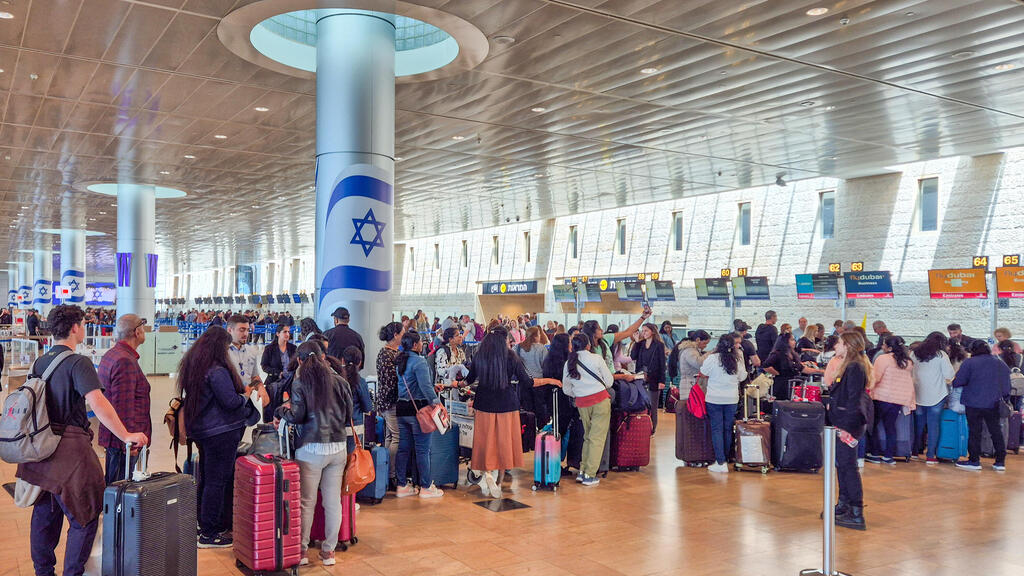
Israeli travelers have not been blocked from foreign countries
(Photo: Ido Erez)
In addition, after the war Israel will need to coordinate with the U.S. in attempts to annul arrest warrants against Netanyahu and former defense minister Yoav Gallant. The Americans have leverage over the International Criminal Court in The Hague after imposing personal sanctions on some of its judges. Israel should also work vis-à-vis the other Hague court, the International Court of Justice (ICJ), to close the genocide case — another pending file against Israel. Closing both cases would greatly help to cleanse the anti-Israeli atmosphere in the world.
One major diplomatic achievement for Israel is that despite the anti-Israeli atmosphere and mass demonstrations in Western capitals, no country closed its borders to Israeli citizens or canceled visa exemptions or flights from Israel. True, quite a few Israelis have faced hotel booking cancellations around the world — but overall that remains marginal.