

About two weeks after an unusual Israeli airstrike near Sidon in southern Lebanon, Israeli officials said on Saturday the operation thwarted an effort by Hamas’ Lebanese branch to prepare a cross-border infiltration attack into northern Israel.
According to the officials, the training facility targeted in the Ein al-Hilweh refugee camp contained equipment and capabilities for rehearsing such an operation and had been under IDF intelligence surveillance for an extended period.
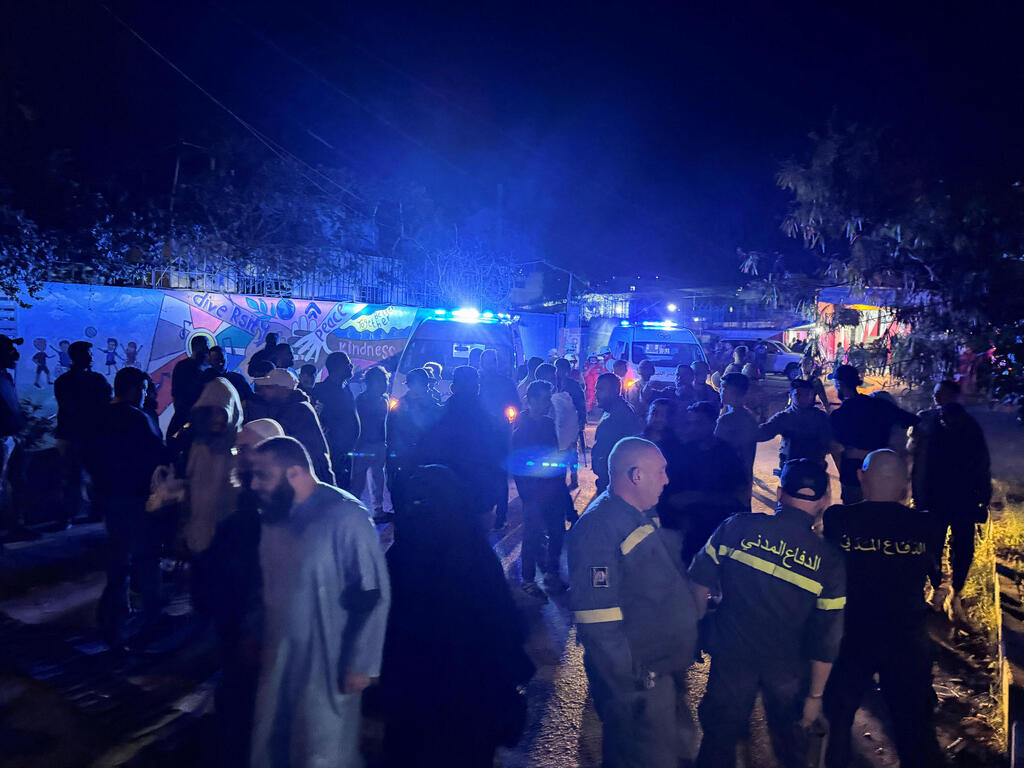
The aftermath of an Israeli strike on a Hamas compound in the Ain al-Hilweh refugee camp near Sidon


At the time of the strike, the military confirmed it had attacked terrorists operating in a Hamas training compound. “The military site was used by operatives for training and instruction in planning and carrying out terror attacks against IDF forces and the State of Israel,” the army said. Lebanon’s Health Ministry reported 14 people were killed and four wounded in the strike.
The attack was the deadliest Israeli airstrike in Lebanon since the ceasefire took effect nearly a year earlier. Israeli officials said intelligence units had monitored the compound for a long period and waited for an opportunity when dozens of lower-level terrorists were gathered there. The military said steps were taken to reduce civilian casualties, including the use of precision munitions, aerial surveillance and additional intelligence.
Hamas denied the Israeli account at the time, calling it “a complete lie aimed at justifying a criminal act and inciting against the camps and the Palestinian people.” The group said the site was an open sports field used by youths in the camp and that a group of boys had been present during the strike.
The aftermath of an Israeli strike on a Hamas compound in the Ain al-Hilweh refugee camp near Sidon
(Photo: REUTERS/Ali Hankir)
Sidon lies in southern Lebanon but north of the Litani River — an area where Lebanese Prime Minister Nawaf Salam said Saturday his government intends to complete disarmament by the end of the year, except in zones under Israeli control. He told Qatar’s Al Araby TV that remaining weapons would be consolidated next year in other parts of the country.
His comments came amid intensified U.S. pressure on both Israel and Lebanon to preserve the northern ceasefire. Earlier in the week, Israeli and Lebanese representatives held a rare direct meeting in Naqoura focused on civilian and economic issues — the first such encounter of its kind. Salam said the talks had “risen to a higher level beyond the military track” but insisted that discussion of economic cooperation with Israel is premature and would only be possible “after peace.”