


Israeli officials insist Lebanon is not part of the ceasefire, accusing mediators and Iran of falsely claiming otherwise. “The Iranians seek to unify fronts — a vision of Yahya Sinwar that has collapsed — but Hezbollah entered the conflict on their behalf, and there is a code of honor between them,” an Israeli official said. “In any case, it is important to accumulate as many achievements as possible. That is also why the heavy blow was delivered during the holiday.”
Israel has placed Tehran in a dilemma that could become a “win-win” for Jerusalem: if Iran maintains restraint, it effectively abandons Hezbollah; if it resumes fire, it risks drawing Israel and the United States back into intensified fighting.
IDF strikes launchers used by Hezbollah to fire toward northern Israel
(Video: IDF Spokesperson)


Gallery
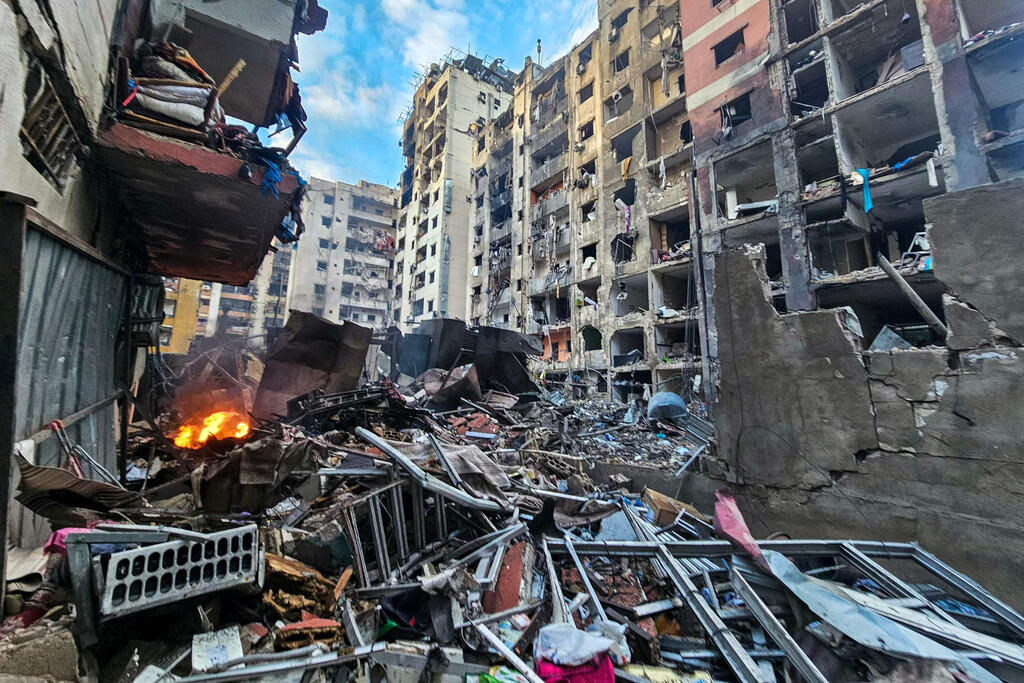
Hezbollah entered the conflict due to Iran — there is a code of honor between them; destruction in southern Lebanon
(Photo: AFP)
Prime Minister Benjamin Netanyahu on Thursday instructed the Security Cabinet to open direct negotiations with the Lebanese government, following a major Israeli strike on Hezbollah that, according to assessments, killed hundreds of terrorists. At the same time, the military said the group is expected to expand its rocket fire beyond northern Israel.
According to multiple reports, President Donald Trump asked Netanyahu to open talks with Lebanon and to keep strikes at a “low profile.” Netanyahu said: “In light of repeated requests from Lebanon to open direct negotiations with Israel, I have instructed the Cabinet to begin talks as soon as possible.”
Netanyahu tasked Israel’s ambassador to Washington, Yechiel Leiter, with leading the talks, which an Israeli official said are expected to begin in the coming days. He stressed the negotiations would take place under fire, telling residents of northern Israel: “There is no ceasefire in Lebanon. We will continue to strike Hezbollah with force and will not stop until we restore your security.”
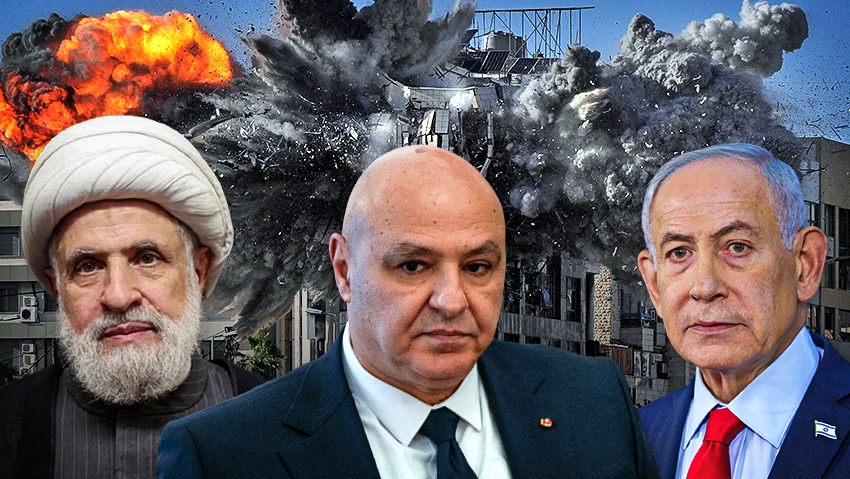
Netanyahu, Aoun and Qassem
(Photo: Petros Karadjias/Pool via Reuters, Shalev Shalom, Reuters/Mohammad Yassine)
Still, the expectation is that strikes will be scaled back, particularly following Trump’s request. Officials familiar with the matter said the intensity of fighting would be adjusted to the nature of the diplomatic contacts. “We still expect the parties to adhere to Resolution 1701,” they said, referring to the U.N. resolution stipulating that no armed presence should exist south of the Litani River.
Israel has made clear the talks will focus on disarming Hezbollah and establishing peaceful relations between the two countries. A senior Lebanese official told Reuters that Beirut supports a temporary ceasefire to allow negotiations and requires the United States as a guarantor of any agreement.
Our correspondent Smadar Perry adds that Lebanon’s delegation will include attorney Simon Karam, a former ambassador to Washington, and Parliament Speaker Nabih Berri, leader of the Shiite Amal movement. Also expected to take part is Nada Hamadeh Mouawad, Lebanon’s current ambassador to the United States.
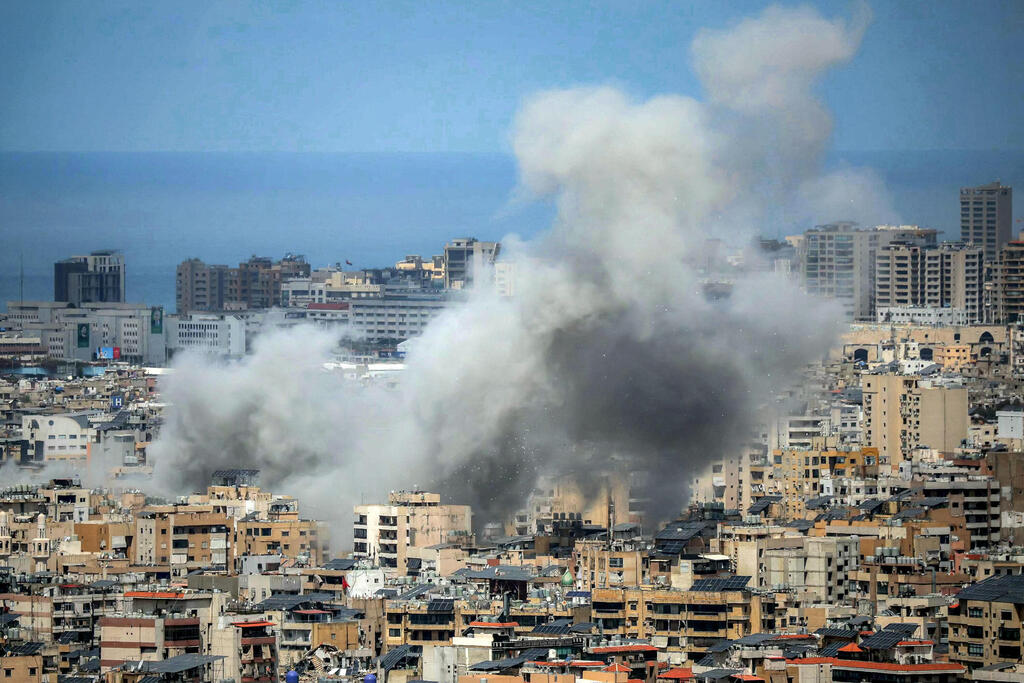
Strike in Dahieh as part of Operation Eternal Darkness
(Photo: ibrahim AMRO / AFP)
Lebanon first proposed direct talks with Israel last month and said it had begun assembling a delegation. The initiative was promoted by President Joseph Aoun, who, according to reports, expressed willingness to go as far as normalization — establishing formal ties with Israel. Such a statement by a Lebanese president was until recently considered far-fetched and reflects growing internal opposition to Hezbollah.
Israel has not formally responded to Aoun’s proposal until now, largely due to doubts over the Lebanese government’s ability to disarm the terrorist group.