

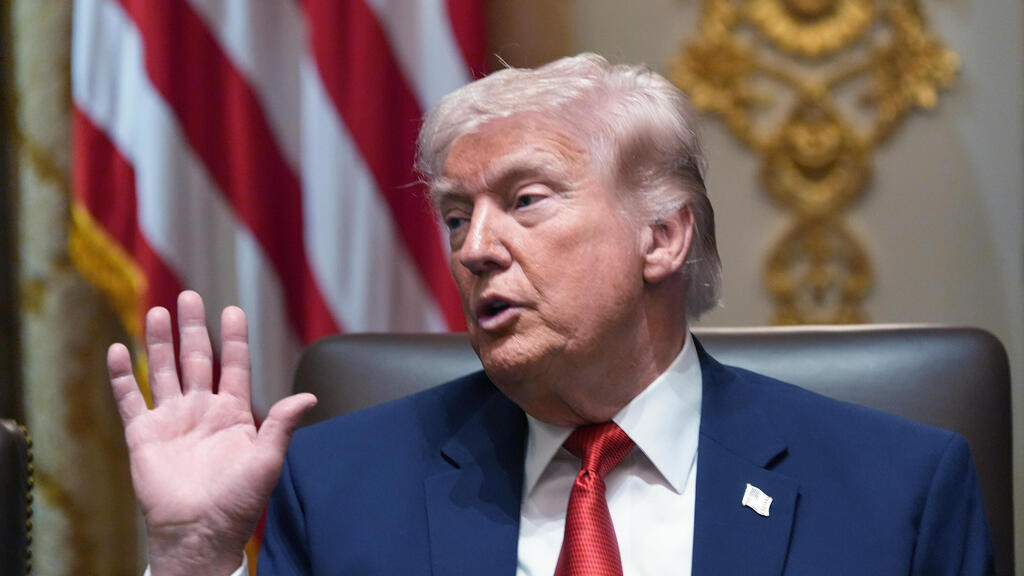
U.S. President Donald Trump on Thursday revealed the “secret” gift Iran had given Washington — a gesture he has repeatedly alluded to in recent days. Speaking during a live-streamed Cabinet meeting, Trump said Iran authorized the passage of 10 oil tankers through the Strait of Hormuz as a goodwill gesture to demonstrate its seriousness in talks to end the war.
The Strait of Hormuz, which lies between the Persian Gulf and the Gulf of Oman, is the world’s busiest oil shipping route, with about one-fifth of global oil consumption passing through it. After the war broke out on February 28, Tehran announced it would attack and set ablaze any vessel entering the strait without special permission, in an effort to shake global energy markets, drive oil prices sharply higher and force Trump to halt the war. Since then, the United States has failed to reopen the waterway.
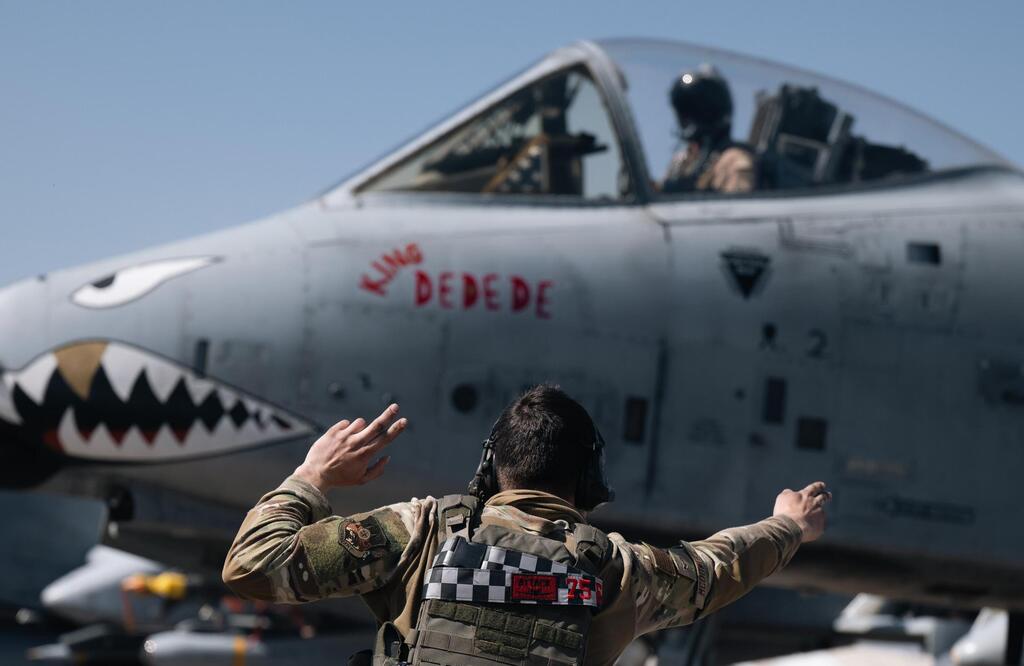
A US military A-10 aircraft hunting Iranian boats in the Strait of Hormuz
(Photo: CENTCOM)
Last weekend, Trump threatened to destroy Iran’s power stations if it did not reopen the strait. But on Sunday he abruptly announced that negotiations with the Islamic Republic had begun, delaying the attack. On Tuesday, apparently to underscore the seriousness of the talks, Trump told reporters at the White House that Iran had given the United States a “very big” gift worth an “enormous amount of money,” but refused to elaborate. He hinted that the gesture had helped advance efforts to end the war.
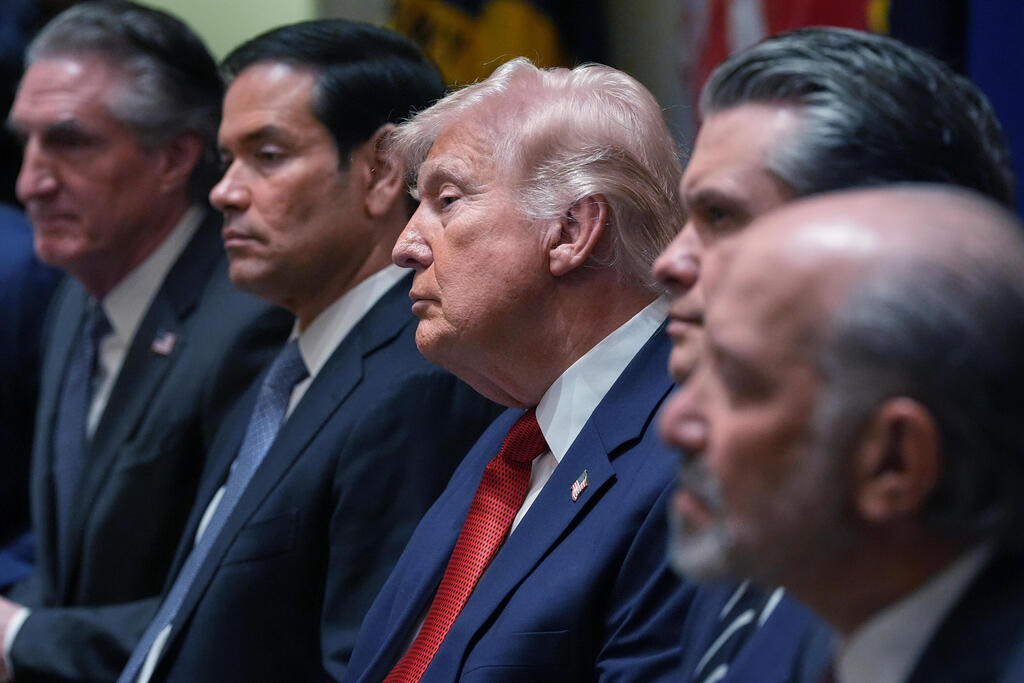
US President Donald Trump at a cabinet meeting
(Photo: Evelyn Hockstein/Reuters)
At Thursday’s Cabinet meeting, much of which focused on the war with Iran, Trump was asked several times about developments in the Strait of Hormuz. He then turned to his special envoy for negotiations with Tehran, Steve Witkoff, and asked whether he could disclose the nature of the gift. After Witkoff said he could, Trump revealed that Iran had allowed 10 oil tankers to pass through the strait — first eight, and then two more.
Two more ships 'as an apology'
“They said, ‘To show you we’re real and serious and that we’re here (in the talks), we’re going to give you eight oil tankers — eight big ships of oil,’” Trump said. He added that the Iranians “were right and were real,” and that the ships sailed through the Strait of Hormuz flying Pakistani flags. Trump said Iran later sent two additional ships “to apologize for something they said.” He described the move as proof that “we are dealing with the right people.”
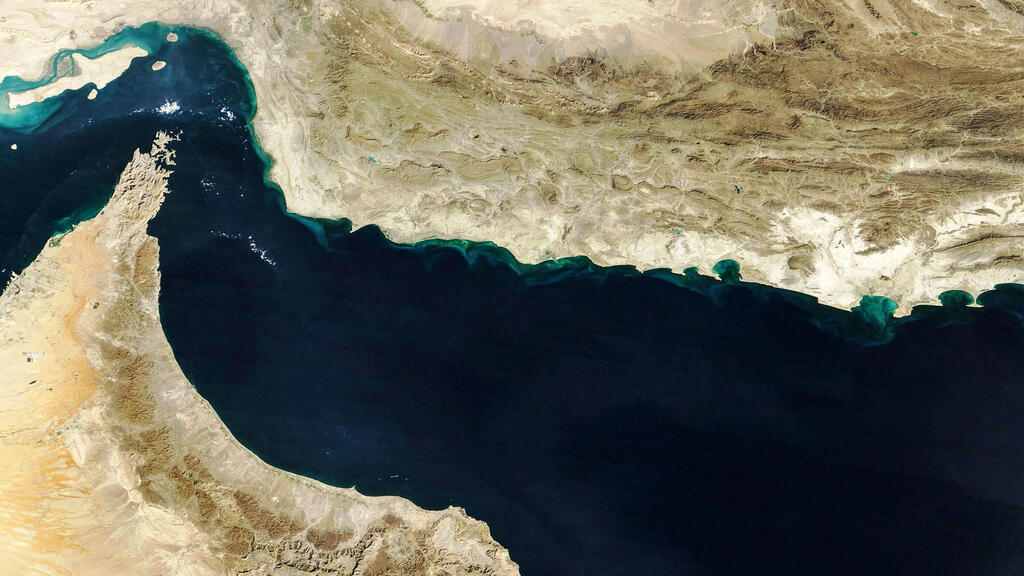
Strait of Hormuz
(Photo: NASA/AFP)
During the meeting, Witkoff provided an update on the negotiations, saying there are “strong signs” that an agreement can be reached. He said he and fellow envoy Jared Kushner are trying to convince Iran it has no better alternatives than “more death and destruction,” adding that Tehran appears to be “looking for an exit path from the war.”
Although Trump described the talks as “very significant,” he did not rule out the possibility that no agreement would ultimately be reached. Asked whether he would consider seizing Iranian oil if necessary, he did not dismiss the idea: “Look, I’m not going to talk about that, but it’s an option.” Asked whether Iran should be allowed to charge transit fees to vessels crossing the strait, he replied: “No, but they’re doing it a little.”
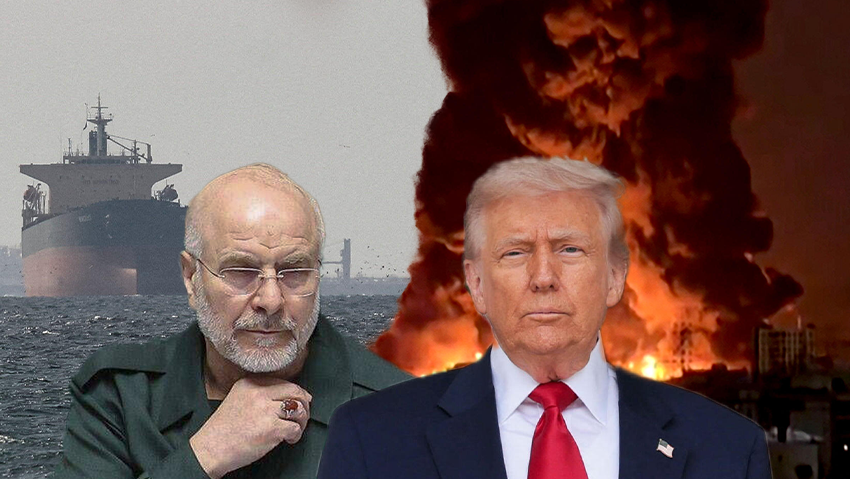
Trump and the current most powerful man in Iran, Mohammad Baqer Qalibaf
(Photo: AFP - Source: UGC / Unknown, Jessica Koscielniak/Stringer/Reuters)
Trump was also asked about reports that the United States may divert weapons and ammunition from Ukraine to the Middle East. He said Washington moves supplies “all the time,” but then expressed anger at NATO’s refusal to help the U.S. forcibly reopen the Strait of Hormuz. He suggested he might adopt a similar stance when allies seek American assistance: “When I heard the president of Germany say about Iran, ‘This is not our war,’ I said, ‘Well, Ukraine is not our war. We helped, but Ukraine is not our war.’ I thought that was a very inappropriate statement, but he made it. You can’t erase it. That’s how he felt.”
Trump lashes out at reporter
Trump was also asked whether the U.S. might launch a ground operation in Iran to retrieve 440 kilograms of uranium enriched to 60% that are believed to be buried under the ruins of nuclear facilities or hidden by Tehran. The material could be quickly enriched to 90%, the level required for a nuclear weapon, making its retention by Iran a potential failure.
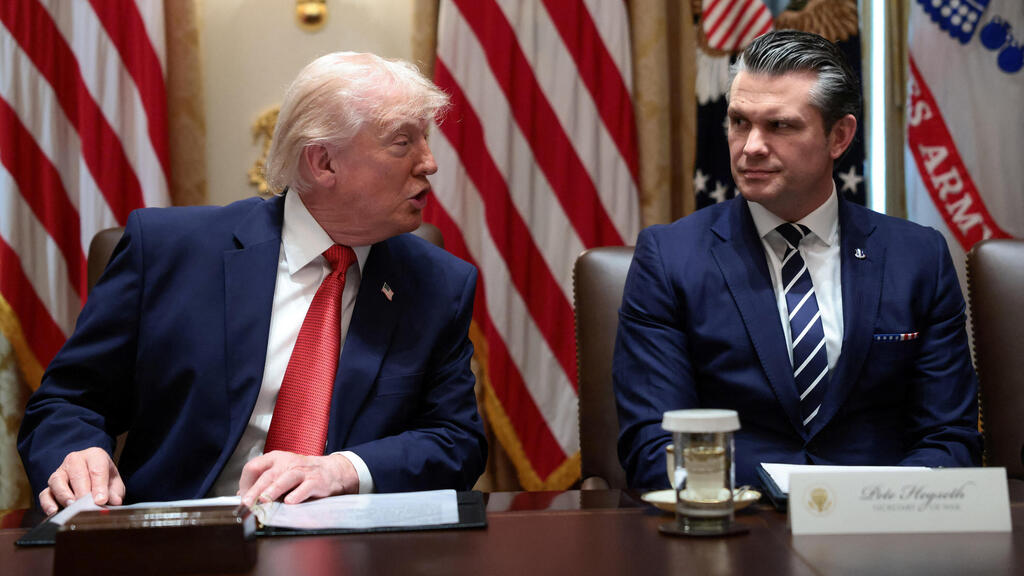
US President Donald Trump and Defense Secretary Pete Hegseth at Cabinet Meeting
(Photo: Evelyn Hockstein/Reuters)
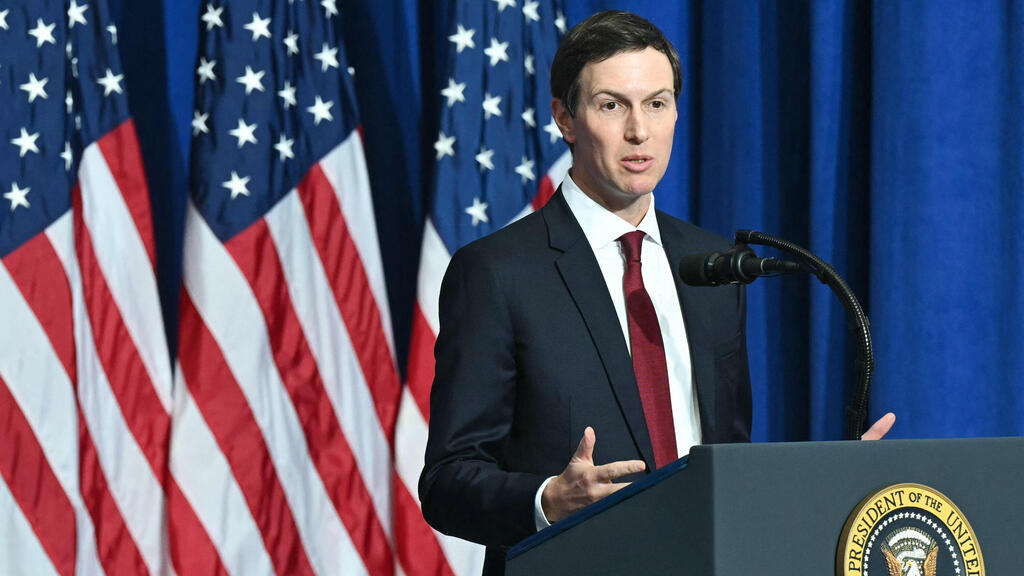
Trump advisor and son-in-law Jared Kushner
(Photo: Chip Somodevilla/ Getty Images North America / AFP)
Trump responded that even asking such a question was “stupid.” “Let’s say I’m going to do it or not going to do it — why the hell would I answer that? What kind of question is that? Oh, yes, we’re going in tomorrow at 3:00. How can you ask a question like that and expect an answer? It’s such a ridiculous question.”
During the meeting, Trump praised Defense Secretary Pete Hegseth, who sat beside him, saying he is “doing a great job” and was “born for the role.” The remarks came after Trump revealed earlier this week that Hegseth and Joint Chiefs Chairman Dan Caine were the only officials “a little disappointed” by the shift toward negotiations with Iran. He said their stance reflected a “good approach," adding: “They just wanted to win.”
Kushner, Trump’s other envoy for the Iran talks, said at a separate event in Miami that Tehran is losing and therefore escalating militarily. He said the Islamic Republic is revealing its true face by attacking targets across the Gulf, likening its strategy to a losing backgammon player: “When you’re losing in backgammon, the strategy is basically to create as much chaos as possible, hoping you’ll find an opening.”
First published: 20:14, 03.26.26