

El Al on Wednesday morning Israel time released its financial results for the second quarter of 2026, reporting a 100% jump in net profit to about $132 million compared with the same quarter last year, despite an approximately $145 million impact on its results from Operation Roaring Lion.
Following the earnings report, the company's shares surged 15.4%, despite having fallen more than 14% since the beginning of the year.
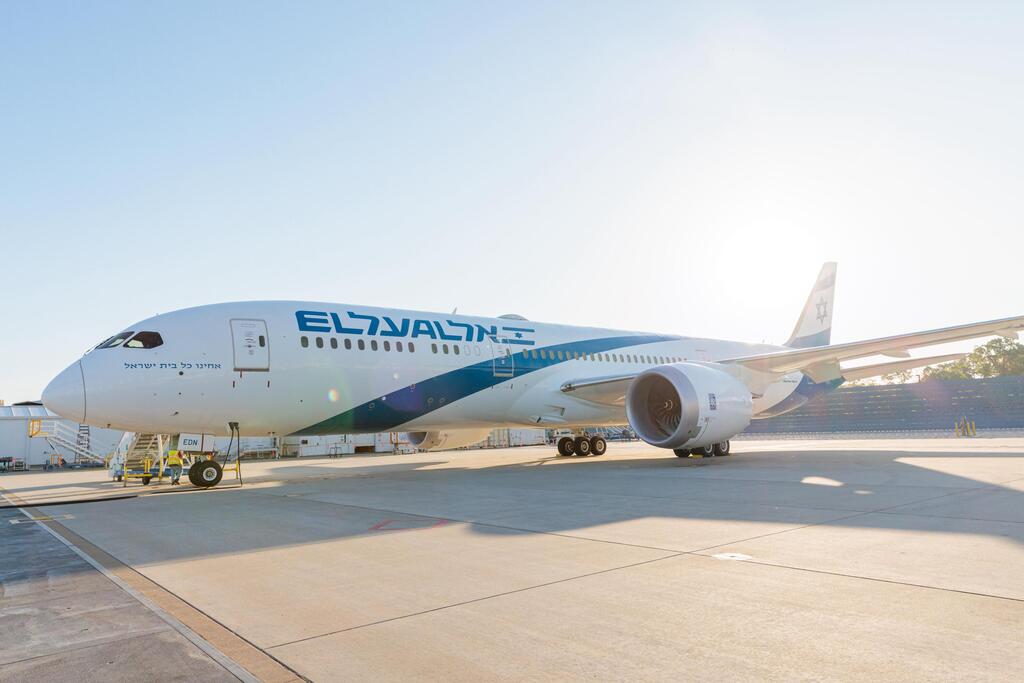
El Al released its financial results for the second quarter of 2026
(Photo: El Al Spokesperson)
The company said the reported profit includes a $55 million loss related to Operation Roaring Lion that extended into the first nine days of the second quarter. Excluding that loss, El Al would have posted second-quarter net profit of about $190 million despite a nearly 70% increase in fuel expenses driven by an approximately 85% rise in jet fuel prices.
Revenue from operations climbed 27% to $986 million as the airline's rapid recovery following the roughly 40-day confrontation with Iran, which ended on April 9, enabled it to increase available seat kilometers (ASK) by 9.2% and revenue per available seat kilometer (RASK) by 12%.
The group's operating profit reached $139.6 million in the quarter, up from $92 million a year earlier, despite a sharp 69% increase in jet fuel expenses to $227.1 million. The increase was driven by an 85.6% rise in fuel prices amid geopolitical developments in the Middle East and the closure of the Strait of Hormuz. The airline reported a load factor of about 90% for the quarter while its market share at Ben Gurion Airport rose to 50.2%, among the highest in the company's history.
Revenue from ancillary passenger services also increased, rising from an average of $26 per passenger to $33. The additional revenue came from optional services such as preferred seating, carry-on baggage and ticket cancellation options, reflecting uncertainty over the possibility of another round of fighting with Iran.
For the first half of the year, the group reported net profit of $65.4 million, down sharply from $161.5 million in the corresponding period last year, mainly because regular flight operations were suspended during the military operation.
At the beginning of the year, however, the company paid shareholders a dividend of about $102 million and continued expanding its fleet. During the quarter, El Al purchased two Boeing 787-9 aircraft that it had previously leased. In April, it also exercised options with Boeing to purchase six additional 787 aircraft, bringing its planned acquisition to a total of nine wide-body aircraft by 2032.
El Al's liquidity surpassed $2 billion, leaving the airline, which was on the verge of collapse five years ago, with cash exceeding its debt by $900 million.
The company also advanced several strategic initiatives. It signed a multiyear agreement with Isracard to issue co-branded Fly Card credit cards, replacing its existing partnership with Cal. It launched a new travel platform, EL AL Travel, and signed an agreement with Starlink to begin installing satellite internet service on its aircraft starting in 2027.
At the same time, CEO Levy Halevy and Chairman Amikam Ben-Zvi warned that any deterioration in the regional security situation could materially affect the company's outlook for the rest of the year, which currently projects continued growth in both demand and seat capacity during the third quarter.