

Fatigue has become one of the defining ailments of modern life. We sleep less, work more, spend hours in front of screens, and many of us go through our days with a near-constant sense of exhaustion. The automatic response is often another cup of coffee, an energy drink, or something sweet. But is that really the best way to combat fatigue?
In recent years, science has offered a more nuanced answer. It turns out that fatigue is not caused by lack of sleep alone. It can also be linked to sharp fluctuations in blood sugar, deficiencies in essential nutrients, reduced efficiency of energy production within cells and even chronic low-grade inflammation. The good news is that many of these mechanisms are directly influenced by what we eat.
Gallery

Fatigue can be linked to sharp fluctuations in blood sugar, deficiencies in essential nutrients, reduced efficiency of energy production within cells and even chronic low-grade inflammation
(Photo: shutterstock)
The blood sugar roller coaster
One of the most common causes of daytime fatigue is the very food we reach for when we're looking for a quick energy boost. Foods high in sugar and refined carbohydrates—such as pastries, sweetened breakfast cereals and sugary drinks—cause blood sugar levels to spike rapidly. In response, the body releases large amounts of insulin to move glucose from the bloodstream into cells.
This process can sometimes lead to a sharp drop in blood sugar shortly afterward, resulting in fatigue, reduced alertness, difficulty concentrating and, in some cases, renewed hunger. That's why many people feel especially tired soon after eating something sweet.
By contrast, foods rich in dietary fiber, protein and healthy fats provide a steadier source of energy. Oats, legumes, whole grains, nuts and seeds help slow the absorption of sugar into the bloodstream, supporting more stable energy levels over time.

Foods high in sugar and refined carbohydrates—such as pastries, sweetened breakfast cereals and sugary drinks—cause blood sugar levels to spike rapidly
(Photo: shutterstock)
Energy bars are not always the healthy choice they claim to be. Despite their wholesome image, many contain high amounts of sugar or syrups, making them function much like candy bars. The best way to choose a snack is to read the ingredient list and look for products based primarily on nuts, seeds, or whole grains, with as little added sugar as possible.
Iron: the mineral that delivers oxygen to every cell
A phone battery won't charge if it isn't plugged in. Similarly, if the body's cells don't receive enough oxygen, they struggle to produce energy.
Iron is a key component of hemoglobin, the protein in red blood cells responsible for carrying oxygen from the lungs to tissues throughout the body. When iron stores are low, the body may respond with fatigue, weakness and reduced concentration.
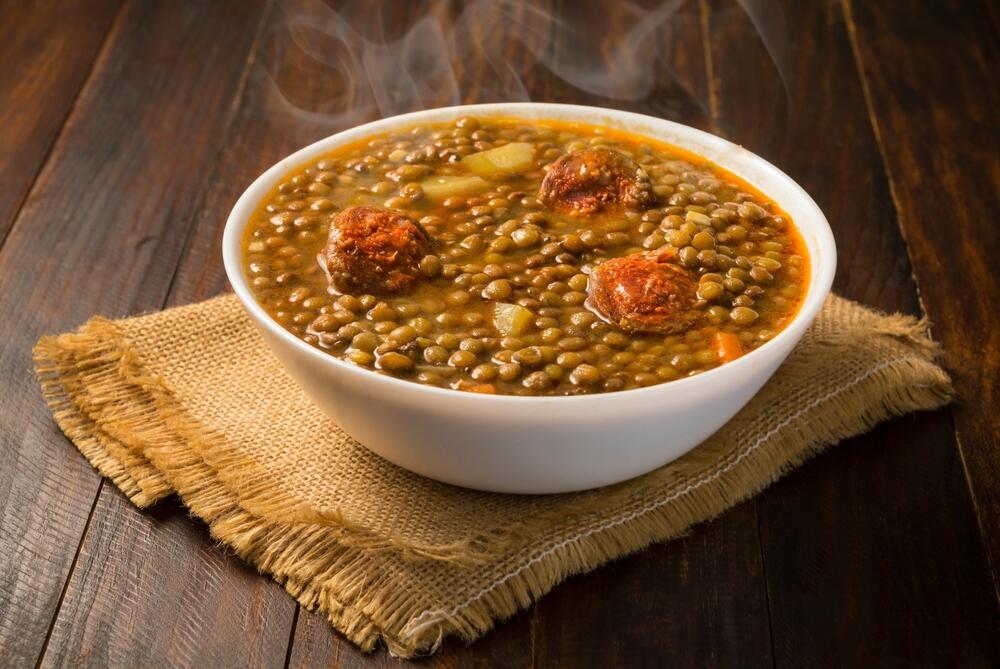
Good dietary sources of iron include lean beef, liver, lentils, chickpeas, beans and tahini
(Photo: shutterstock)
For example, a 2023 study published in a Swiss medical journal followed 144 women with iron deficiency but without anemia. After just four weeks of iron supplementation, researchers found a significant reduction in fatigue compared with the control group.
Good dietary sources of iron include lean beef, liver, lentils, chickpeas, beans and tahini.
Chicken and turkey breast
Many people associate chicken and turkey with a light, healthy meal. However, when eaten in large quantities—particularly at lunch—they may actually contribute to feelings of heaviness and fatigue.
The reason lies in an amino acid called tryptophan, which is found in both chicken and turkey. Tryptophan is used by the body to produce serotonin, a neurotransmitter associated with feelings of calm and subsequently melatonin, the hormone that helps regulate sleep.
While chicken and turkey are certainly not "natural sleeping pills," a large meal centered mainly on these proteins may increase post-meal drowsiness in some people.
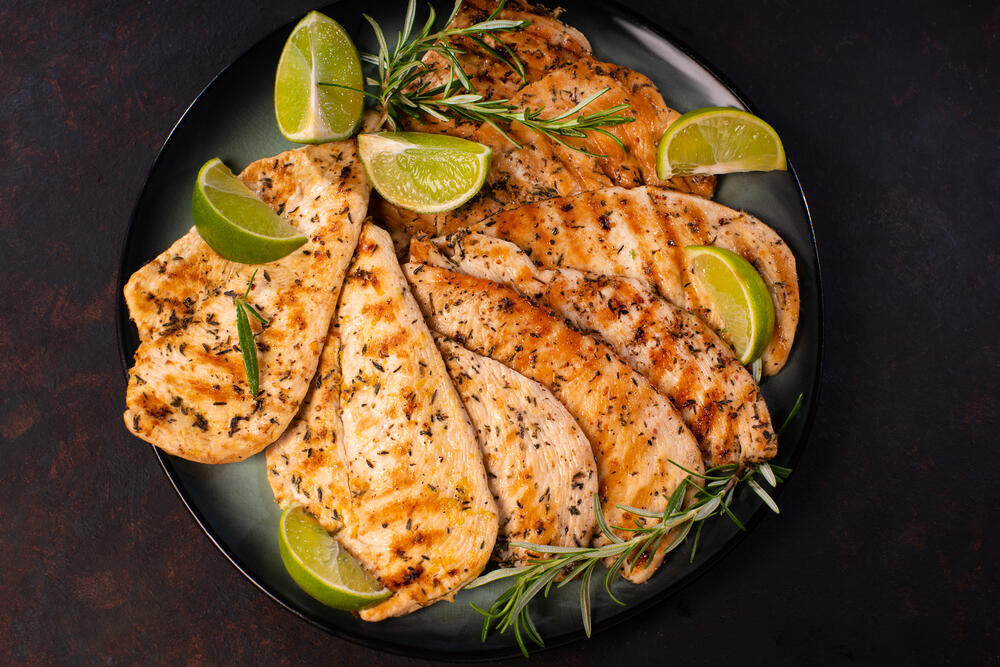
Many people associate chicken and turkey with a light, healthy meal
(Photo: shuttestock)
The solution is not to avoid chicken or turkey, which remain excellent sources of high-quality, lean protein, but rather to eat them in moderation and pair them with plenty of vegetables and complex carbohydrates such as sweet potatoes, quinoa, brown rice, or legumes.
Coenzyme Q10: fuel for the cell's powerhouses
One of the most intriguing compounds involved in energy production is coenzyme Q10 (CoQ10). It is found within mitochondria — the tiny organelles often referred to as the cell's "powerhouses." Without CoQ10, cellular energy production becomes less efficient.
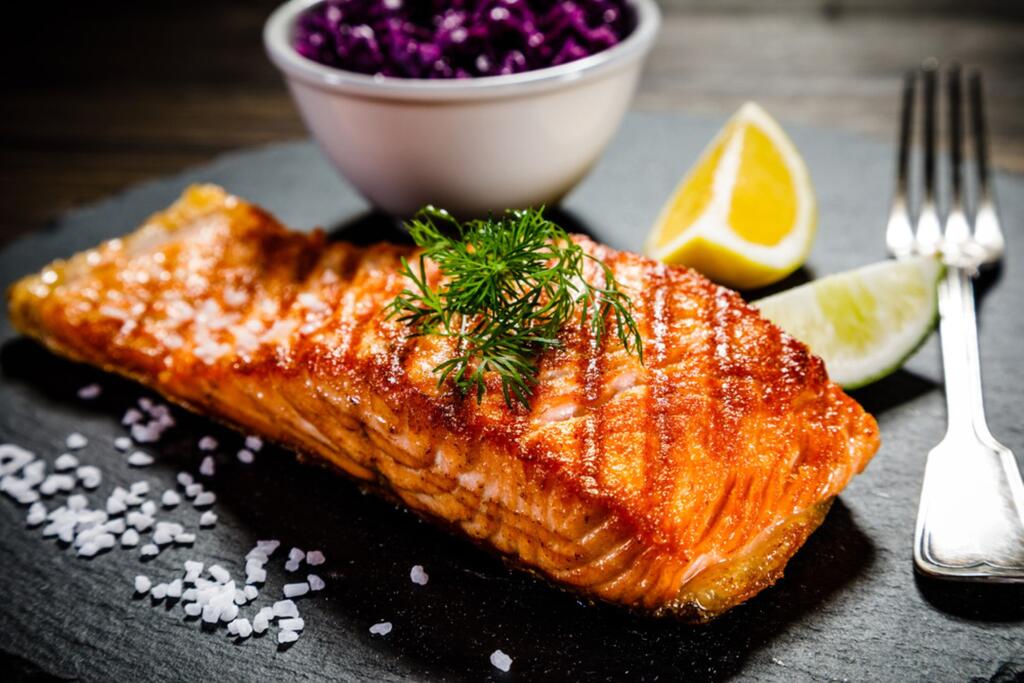
Foods containing CoQ10 include sardines, mackerel, salmon, beef, liver, pistachios, and peanuts
(Photo: shutterstock)
A large review published in 2022, covering 13 clinical studies and 1,126 participants, found that CoQ10 supplementation significantly reduced fatigue, with stronger effects seen after longer periods of use.
Although most of the research examined supplements rather than foods, the findings reinforce the importance of efficient cellular energy production in maintaining vitality.
Foods containing CoQ10 include sardines, mackerel, salmon, beef, liver, pistachios and peanuts.
Could fatigue actually be inflammation?
When we think of inflammation, we usually imagine fever, pain, or infection. But there is also a condition known as chronic low-grade inflammation, in which the immune system remains mildly activated over time.
Studies in recent years have found links between inflammatory markers and fatigue, reduced concentration, and a general sense of exhaustion.
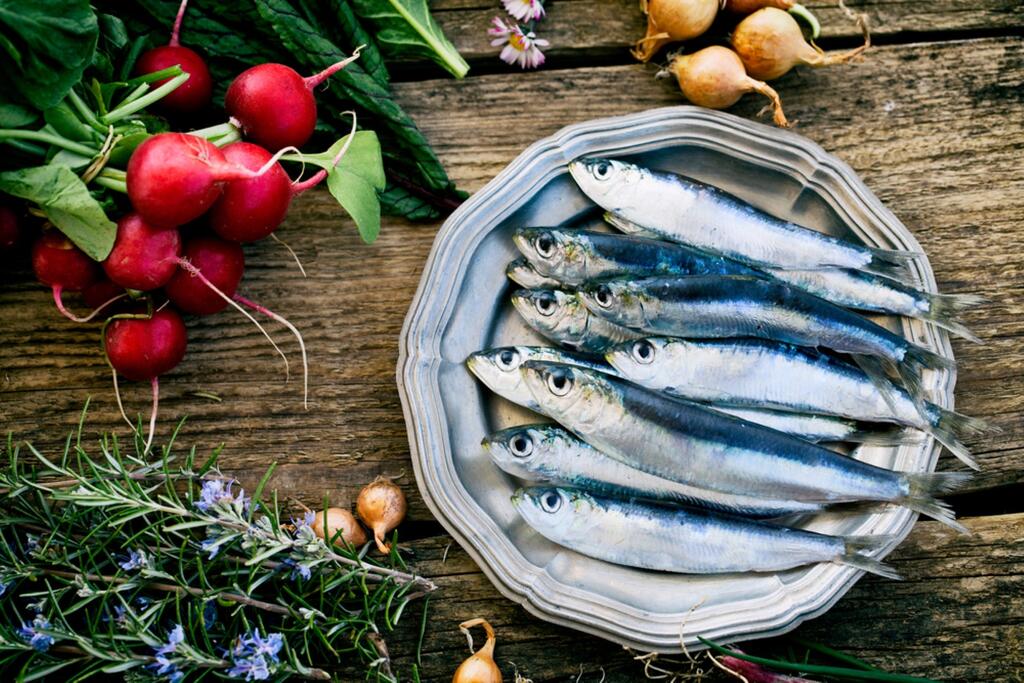
This is where omega-3 fatty acids come into the picture
(Photo: shutterstock)
This is where omega-3 fatty acids come into the picture. They are found in oily fish such as salmon, sardines, mackerel, and herring.
A large study involving thousands of participants found that omega-3 significantly reduced levels of inflammatory markers. While omega-3 does not provide the immediate "boost" associated with caffeine or sugar, it may help reduce one of the biological drivers of persistent fatigue: chronic inflammation.
In addition to omega-3-rich fish, other foods have also been associated with lower levels of chronic inflammation. Colorful fruits and vegetables, nuts, legumes, extra virgin olive oil and turmeric contain a wide range of antioxidants and natural compounds that help regulate inflammatory processes in the body.
Research suggests that diets based on these foods—such as the Mediterranean diet—are associated with lower levels of inflammatory markers and may contribute to greater vitality over time.
The bottom line
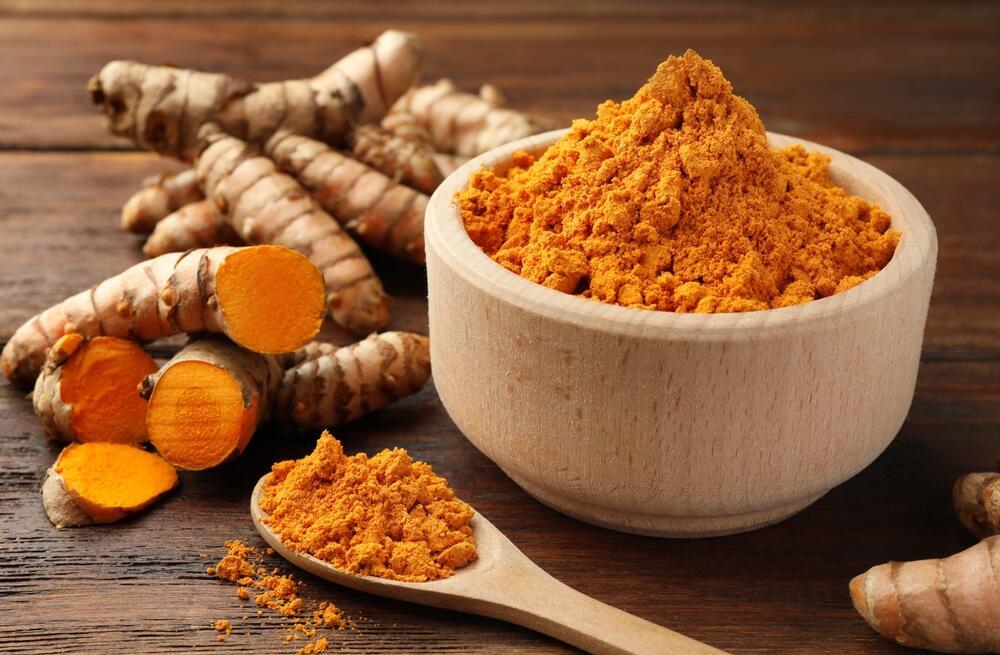
Turmeric contain a wide range of antioxidants and natural compounds that help regulate inflammatory processes in the body
(Photo: shutterstock)
When it comes to fighting fatigue, science offers no miracle cure. Instead, it consistently points to the importance of a balanced diet rich in whole, minimally processed foods.
Time and again, research suggests that simple choices—such as eating fish, legumes, nuts, vegetables, fruits and whole grains—may help the body function more efficiently and support sustained energy throughout the day.
The author is a healthy lifestyle researcher and holds a Ph.D. in gerontology.