

The American travel magazine Travel + Leisure published a new list this week seeking to answer a question that occupies many travelers: Where in Europe can you eat best today? To do so, it enlisted chefs and culinary professionals from Europe and beyond and asked them to identify cities that have become culinary destinations in their own right.
This is not a ranking with scores, nor a competition in which one city was declared the winner. Rather, it is a list of destinations worth visiting for their food. The order in which the cities appear therefore does not necessarily represent first through eighth place.
So who selected the cities? Fatih Tutak, chef of Gallada, the restaurant at the luxury Peninsula Istanbul hotel, and the chef behind TURK FATİH TUTAK, his two-Michelin-starred fine-dining restaurant in Istanbul; René Frank, who heads CODA, a dessert restaurant in Berlin that also holds two Michelin stars; Niklas Ekstedt, chef and founder of Ekstedt, a Michelin-starred fine-dining restaurant in Stockholm specializing in cooking over fire; and Petros Dimas, chef and owner of Makris Athens, a Michelin-starred fine-dining restaurant in Athens.
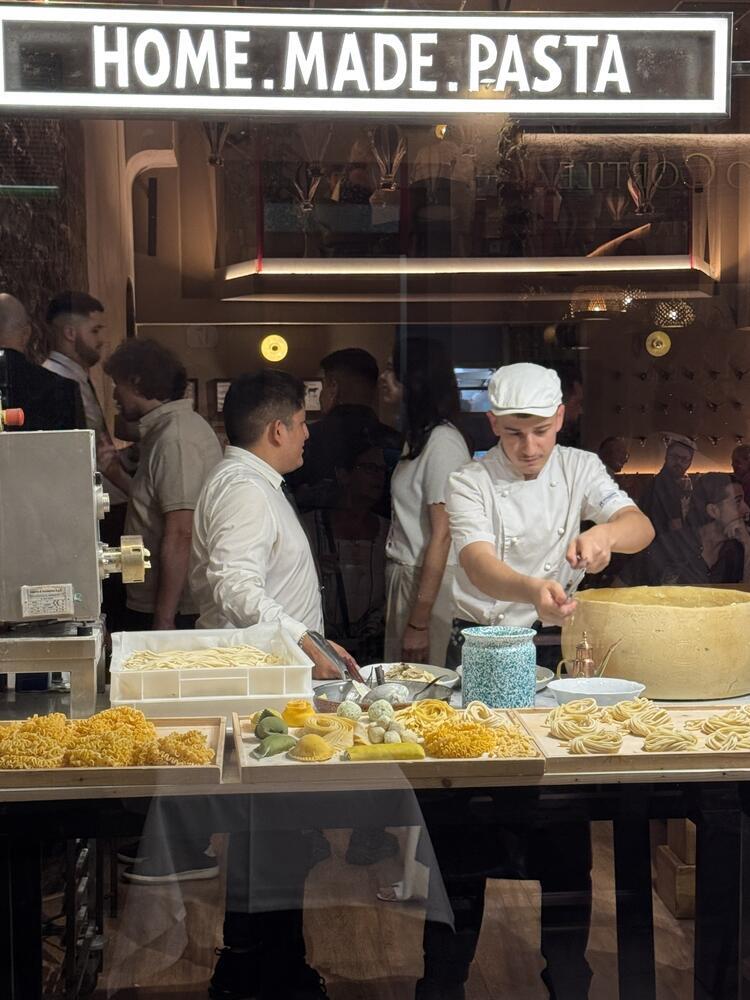
Tuscany on a plate: Florence, Italy
Florentine cuisine draws on Tuscan traditions and local ingredients, with signature dishes such as ribollita soup and lampredotto, the local street-food sandwich made with cooked beef stomach. Paolo Lavezzini, executive chef at the Four Seasons in Florence, recommends getting to know the city through the places where locals eat: Start at Sant’Ambrogio Market, continue to the lampredotto at Tripperia Pollini and finish at local restaurants such as Beppa Fioraia and Fratelli Briganti. He describes a morning at the market as an opportunity to understand the “true soul of Florence.”
The City That Changed the Game: Copenhagen, Denmark
Copenhagen is one of the cities most closely associated with the New Nordic cuisine, which emphasizes local and seasonal ingredients, foraging, fermentation and sustainability. Noma, which has been named the world’s best restaurant several times, was one of the key forces behind the movement. Alongside it, smørrebrød, the Danish open-faced sandwich, remains at the heart of the local food culture.
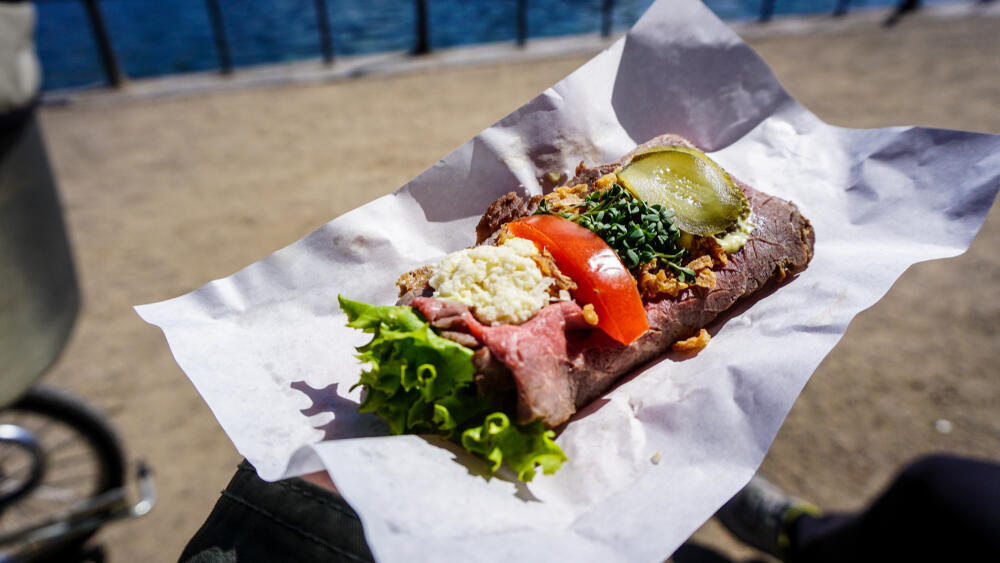
Smørrebrød, the national street food
(Photo: shutterstock)
Chef Philip Kirschen-Clark of Cocktail Omakase in New York recommends starting at Torvehallerne market, sampling Arla Unika cheeses and smørrebrød at Hallernes, stopping for tacos at Hija de Sanchez and, for those seeking a particularly celebratory meal, booking a table at Kadeau. For him, Copenhagen is simply “a food lover’s dream.”
From boulangeries to three stars: Paris, France
Paris combines long-established culinary institutions with bakeries, pastry shops and fine-dining restaurants that continue to update French tradition. Sébastien Giroud, chef at Hôtel Lancaster Paris, explains that the city’s status was built over centuries, from the royal kitchens of Versailles to Auguste Escoffier. But its strength today lies in its diversity, from a simple meal at a bistro to a three-Michelin-star experience. For him, Paris is “the birthplace of modern gastronomy.”
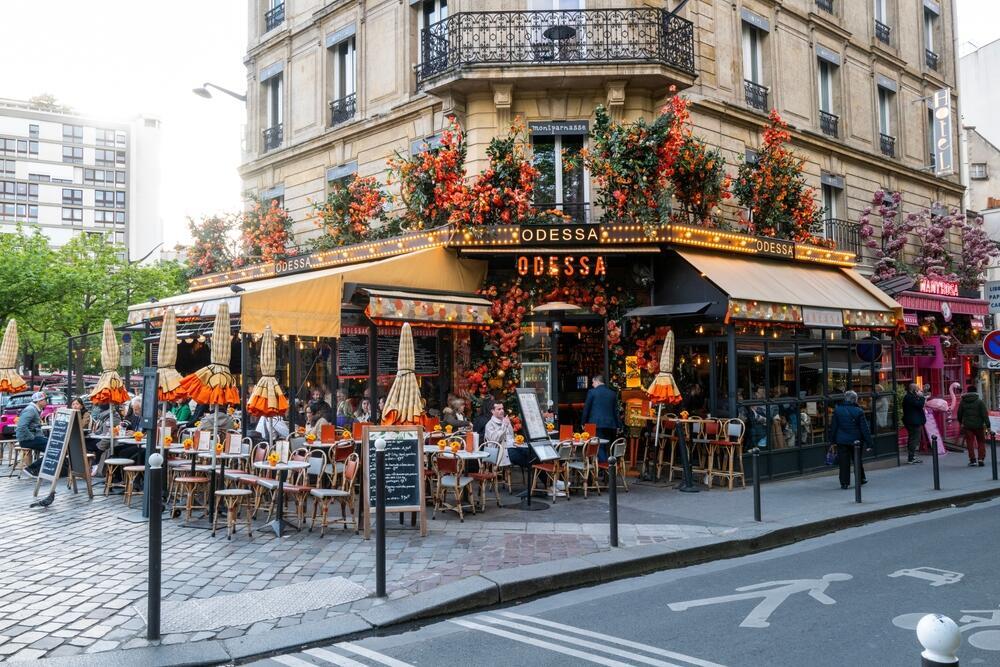
Restaurant in Paris’ 14th arrondissement
(Photo: Pierre Laborde / shutterstock)
Ingredients come first: Barcelona, Spain
In Barcelona, culinary innovation is rooted in Catalan traditions and local, seasonal ingredients. Marwa Preston, founder and CEO of culinary tourism company Elysian Tales, says that at many of the city’s restaurants, where an ingredient comes from is almost as important as how it is prepared. Menus sometimes even specify the region or town where an ingredient originated.
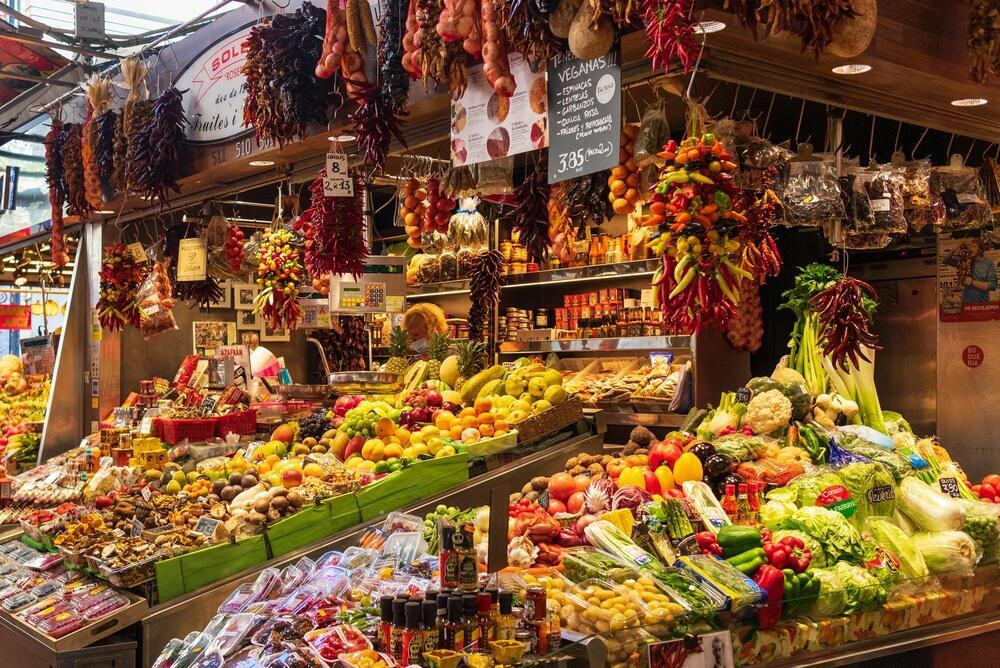
La Boqueria food market, Barcelona
(Photo: MartijnVonk / shutterstock)
Maresme peas and Palamós prawns from the Costa Brava, for example, are given a central role on menus. For her, the principle is simple: “The ingredient is the star.”
Between Asia and Europe, Even on the Plate: Istanbul, Turkey
Istanbul combines street food, Ottoman traditions and regional cuisines from across Anatolia. The day can begin with a Turkish breakfast featuring simit, cheeses, spreads and kaymak with honey, followed by döner, Turkish-style shawarma, stuffed mussels and charcoal-grilled kebabs.
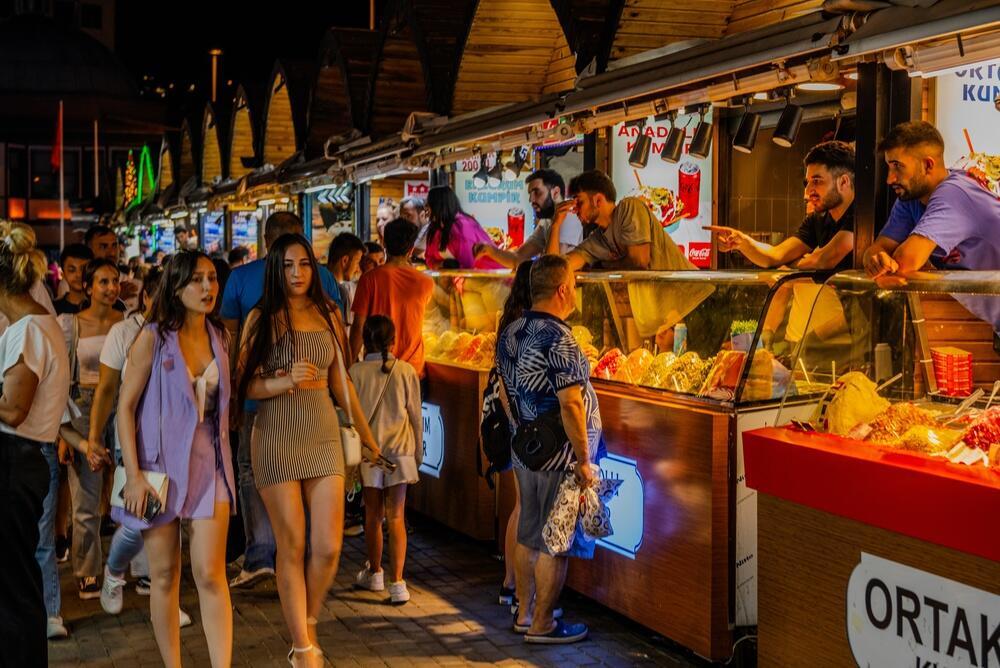
Street food stalls, Istanbul
(Photo: Emad Aljumah / shutterstock)
Chef Fatih Tutak explains that the city’s culinary identity has been shaped over centuries by the meeting of cultures and traditions. He recommends Ahmet Ustam, Nazende Cadde and Dönerci Engin Usta for döner. For him, Istanbul is a place where “cultures, regions and traditions” meet on the plate.
The Aegean Surprise: Athens, Greece
Israelis may already know this, but now there is professional recognition as well: Athens today offers much more than tavernas, souvlaki and Greek salad, with a new generation of chefs giving contemporary interpretations to local ingredients such as olive oil, fish from the Aegean Sea, vegetables and herbs.
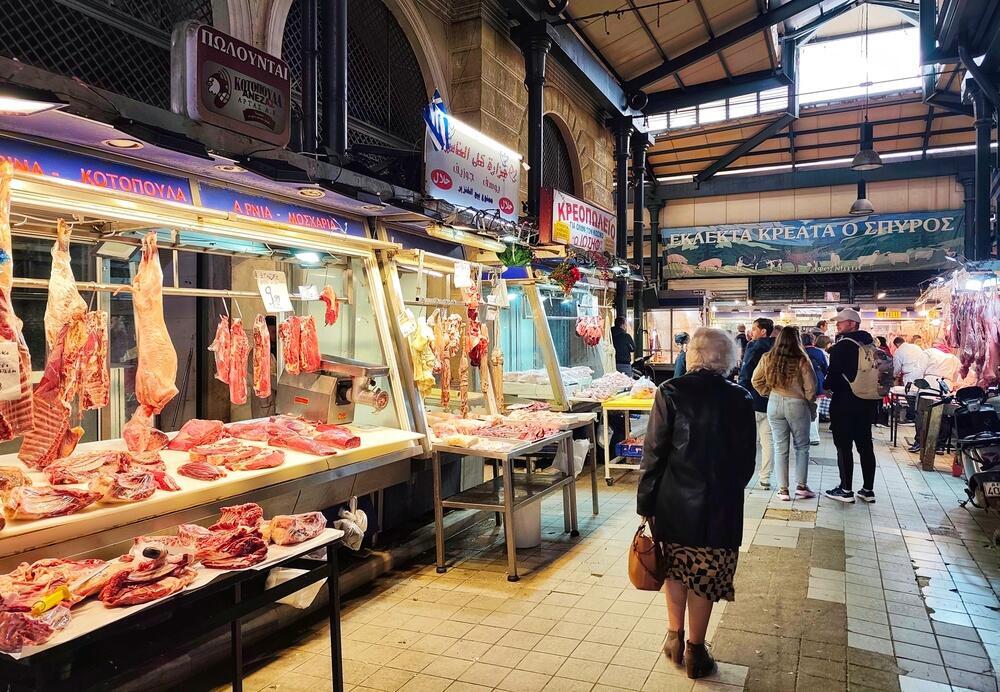
Varvakios Market, Athens
(Photo: The Athenian / shutterstock)
Petros Dimas, chef and owner of Makris Athens, believes the city still does not receive the recognition it deserves as a culinary destination. He recommends starting at Varvakios Market, particularly its fish hall, then continuing to the Metaxourgeio and Keramikos neighborhoods and restaurants such as Thinalos, Seychelles and Miravilia. Many people, he says, arrive for the ancient sites and leave “talking about what they ate.”
Without a Binding Tradition: Berlin, Germany
Berlin is a city where street food and fine dining exist side by side. Sausages are an integral part of the local food culture, but the broader scene has also been shaped by the Turkish, Vietnamese, Middle Eastern, Korean and Japanese communities living in the city. Alongside them are new German restaurants and fine-dining establishments, creating a broad and flexible culinary landscape.
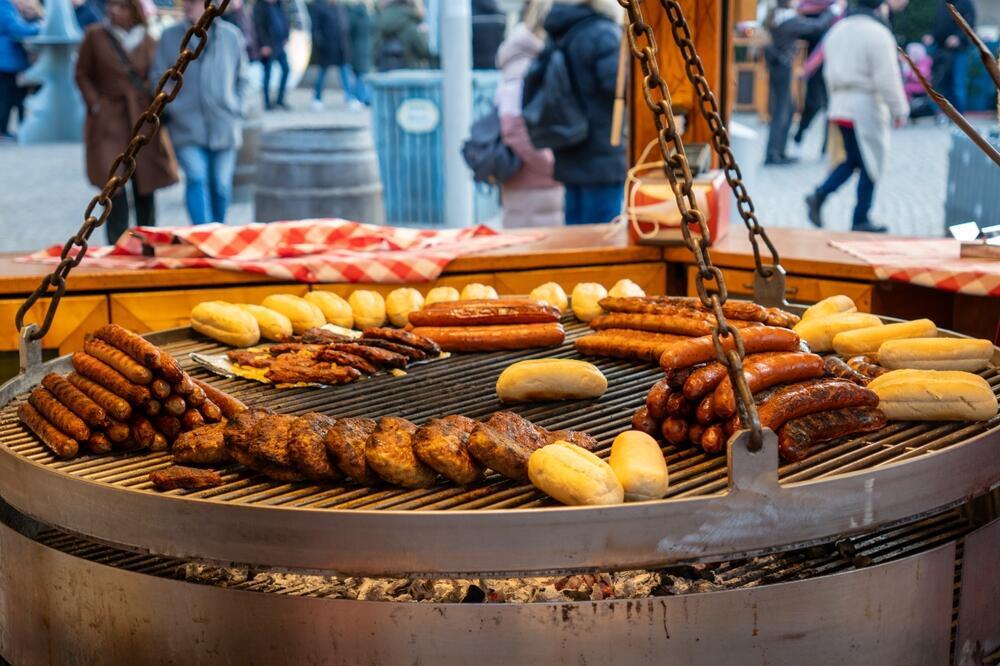
Grill stand in Berlin
(Photo: vpriest / shutterstock)
Chef René Frank believes Berlin’s lack of a single binding culinary tradition is its greatest advantage. The city’s history and successive waves of immigration, he says, have brought together people and cuisines from around the world and created a place where chefs feel freer to experiment. Unlike food cities that rely on a clear canon of dishes and techniques, Berlin has made creativity itself part of its identity. Frank describes Berlin as a city driven by “creativity and freedom.”
When Nature Enters the Kitchen: Stockholm, Sweden
Modern Swedish cuisine draws on ingredients from the forests, lakes and farms surrounding the city: fish, wild herbs, mushrooms, seasonal vegetables and fermented products. Contemporary restaurants are also bringing renewed life to traditional techniques such as smoking, pickling and cooking over fire.
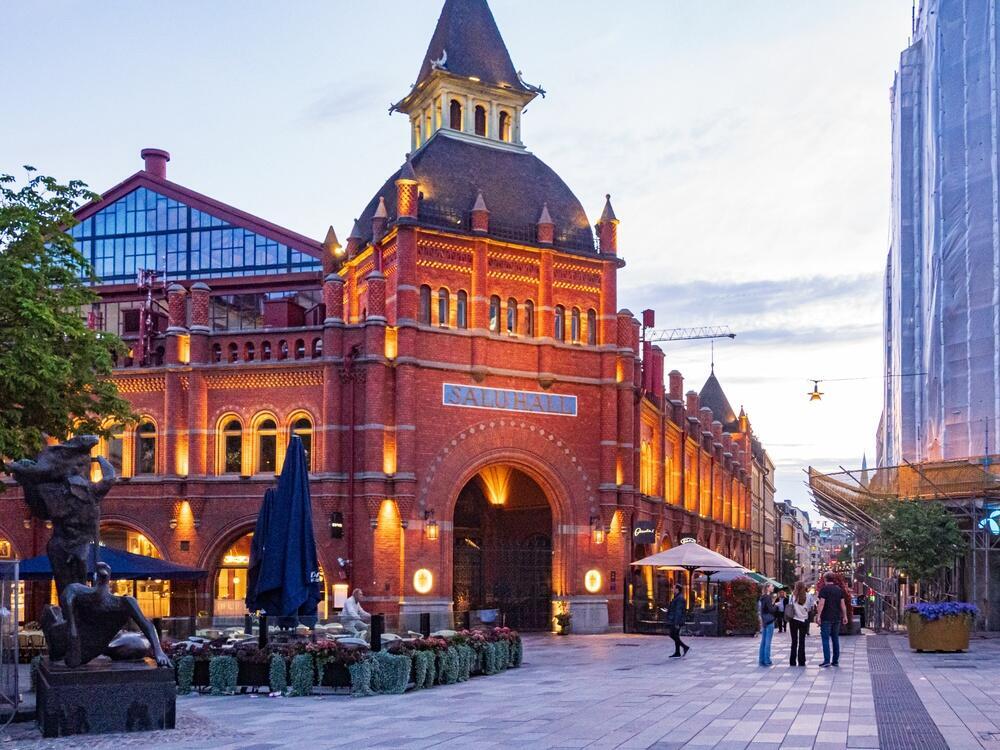
Historic Östermalms Saluhall food market, Stockholm
(Photo: Nowaczyk / shutterstock)
The forests, lakes, farms and changing seasons influence, he says, both the ingredients and the way chefs in the city approach their menus. But he also emphasizes the local diners: Stockholm residents are interested in food and agriculture and eat out frequently, meaning chefs themselves are expected to be precise and maintain a genuine connection to their ingredients. For him, it all begins with the city living “close to nature.”