

The findings, based on medical assessments and interviews with 12 former hostages who consented to share their experiences, will be submitted to the president of the International Committee of the Red Cross. The ministry called for the immediate provision of food, water and medical care to those still held.
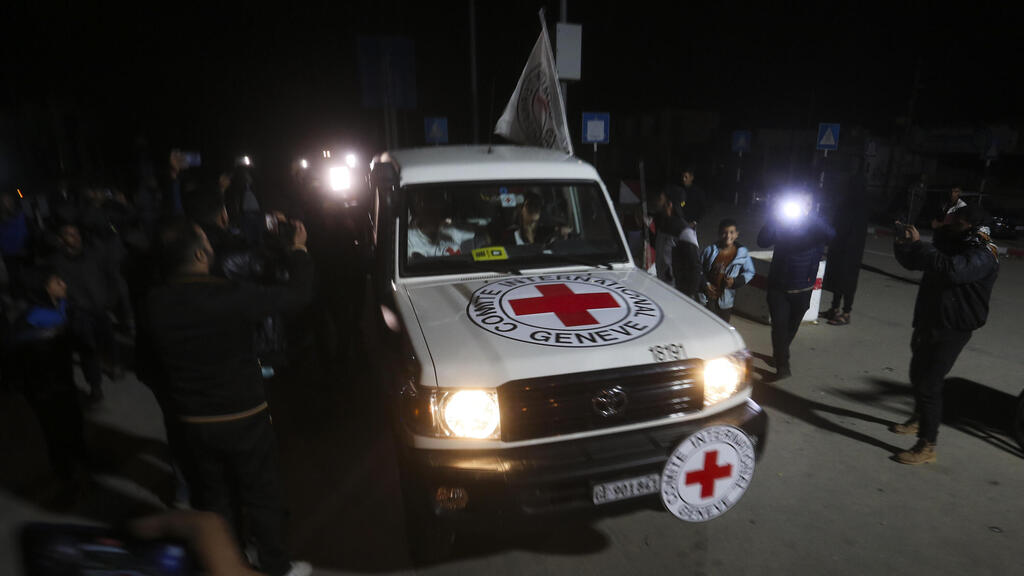
“The right thing to do is to secure the release of the hostages so they can receive life-saving medical care,” Dr. Hagar Mizrahi, head of the ministry’s medical division, told reporters.
The report describes patterns of abuse, medical neglect and subhuman living conditions that constitute torture and serious violations of international humanitarian law. “The captivity was deliberately designed to inflict physical and mental torment, to break morale, cause psychological damage and make it easier to control the hostages,” the document states.
Medical teams who treated the released hostages reported severe injuries and illnesses, most of which could have been prevented or mitigated with timely medical attention. The ministry warned that, after 676 days in captivity, the remaining hostages are in immediate danger, with each passing day increasing the risk of irreversible harm.
Underground confinement and inhumane conditions
Most of the hostages endured extended periods underground, sometimes for months, with only brief stints above ground. Some were forced to walk long distances in total darkness through hazardous passages, suffering falls and injuries.
In the tunnels, they were crammed into tiny spaces of about two square meters, less than 1.5 meters high, with up to six people confined together for days without movement or access to the outside. Hygiene was impossible: there was no running water, and makeshift toilets were dug into the floor. Showers occurred only every few months in cold water, with a shared towel; underwear was changed only twice a year.
Above ground, there were further restrictions, such as prohibitions on flushing toilets. Sleeping was on bare floors amid insects and vermin, in cold or extreme heat for weeks at a time.
Severe illness, malnutrition and untreated injuries
Former hostages suffered repeated gastrointestinal and respiratory infections due to unsanitary conditions and poor nutrition. Without treatment, these illnesses caused high fever, severe pain and even hallucinations. Many also experienced extreme dehydration, leading to loss of consciousness.
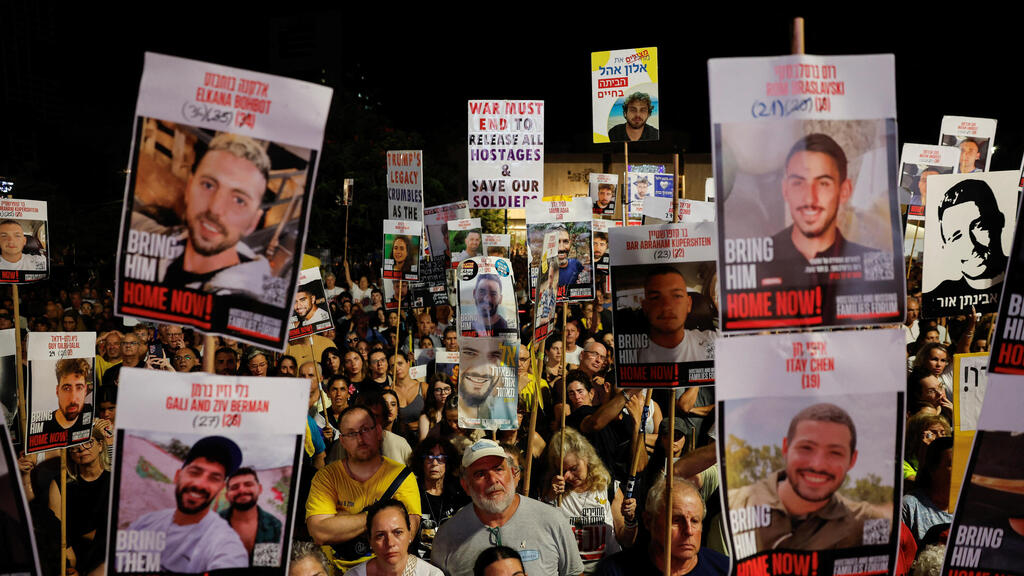
A protest for the release of the remaining hostages
(Photo: Reuters/Ammar Awad)
Prolonged exposure to dust caused serious respiratory problems, while poor hygiene led to lice, scabies, bedbug infestations, skin rashes and dermatitis. Weight loss ranged from 15% to 40% of body weight due to extreme starvation. Combined with immobility, this caused severe muscle wasting (sarcopenia) and bone density loss, raising the risk of future fractures and osteoporosis.
Lab tests revealed alarming vitamin deficiencies, including vitamin C deficiency (scurvy) with gum bleeding, joint pain, muscle weakness and slow wound healing. Some likely suffered dangerous internal bleeding from advanced scurvy, worsened by incorrect medication. Deficiencies in vitamins K, D and A also were found, along with a weakened immune system that left them vulnerable to infections.
Orthopedic injuries went untreated, leading to permanent damage. In one case, a hostage fainted while attempting to treat his injury; in another, improper medication created a life-threatening situation.
Psychological torture and sexual abuse
The report details systematic psychological abuse, including prolonged isolation, intimidation and threats with loaded weapons. Hostages described guards opening grenade pins and counting down before locking them again, deriving visible enjoyment from the fear this caused.
Both men and women endured sexual harassment, humiliating comments about their bodies, and other forms of degradation. Hostages were told repeatedly that they were unloved and unwanted, and that no one was waiting for them.
Basic needs were deliberately denied: food was sometimes spoiled or contaminated, privacy was non-existent, and some were forced to relieve themselves in public.
Lasting physical and mental scars
Many survivors now face irreversible nerve damage from gunshot wounds, shrapnel injuries and prolonged limb restraints. The ministry expressed deep concern over possible long-term endocrine damage, with women reporting menstrual and hormonal changes that could affect fertility. Hearing loss and tinnitus remain common due to exposure to explosions.
Get the Ynetnews app on your smartphone: Google Play: https://bit.ly/4eJ37pE | Apple App Store: https://bit.ly/3ZL7iNv
Six months after the release of the hostages interviewed for the report, the full scope of long-term psychological harm remains unknown. Many display symptoms of post-traumatic stress disorder, including recurring nightmares, flashbacks, dissociation, hypervigilance, anxiety, avoidance of triggers, difficulty being alone, and withdrawal from public spaces.
Some survivors report a loss of interest in once-important activities, emotional numbness, chronic fatigue and mood swings. Others describe a disturbing sense of personality change, increased distrust of others, and emotional distance from loved ones.
Feelings of “survivor’s guilt” are pervasive — both for having lived through the Oct. 7 attack while loved ones were killed, and for being freed while others remain in captivity. This guilt is compounded by fears that they could have done more to protect fellow hostages.
“The ongoing captivity of those left behind is a major barrier to the mental recovery of the survivors,” the report concludes, warning that their release is essential not only to save lives but also to allow healing to begin.