


Should Israel seek to end the war in Gaza through a version of U.S. special envoy Steve Witkoff’s framework, or expand it by a full takeover of the Strip? Making such a decision based on political or coalition interests would be a desecration of responsibility.
Sending our sons — including my own — into battle without a compelling justification rooted in national security is so unthinkable that I refuse to ascribe such motives to Prime Minister Benjamin Netanyahu, himself a member of a bereaved family.

Once political considerations are set aside, the path to an objective assessment becomes clear — and it leads to one unequivocal conclusion: ending the war is Israel’s supreme strategic interest. The supposed advantages of prolonging the war are scant. Fantasies about “voluntary” Palestinian emigration or resettling Gaza with Jews are detached from reality.
The legitimate hope of “re-educating” two million Palestinians to embrace peaceful coexistence is equally impractical in the near term, given their deep-rooted religious convictions, the suffering inflicted during the war and the priorities of the Palestinian national movement.
A full takeover might seem, on the surface, to serve deterrence — which is vital to Israel’s security — but this is a flawed calculation. Deterrence depends on perception, which in turn relies on how facts are interpreted.
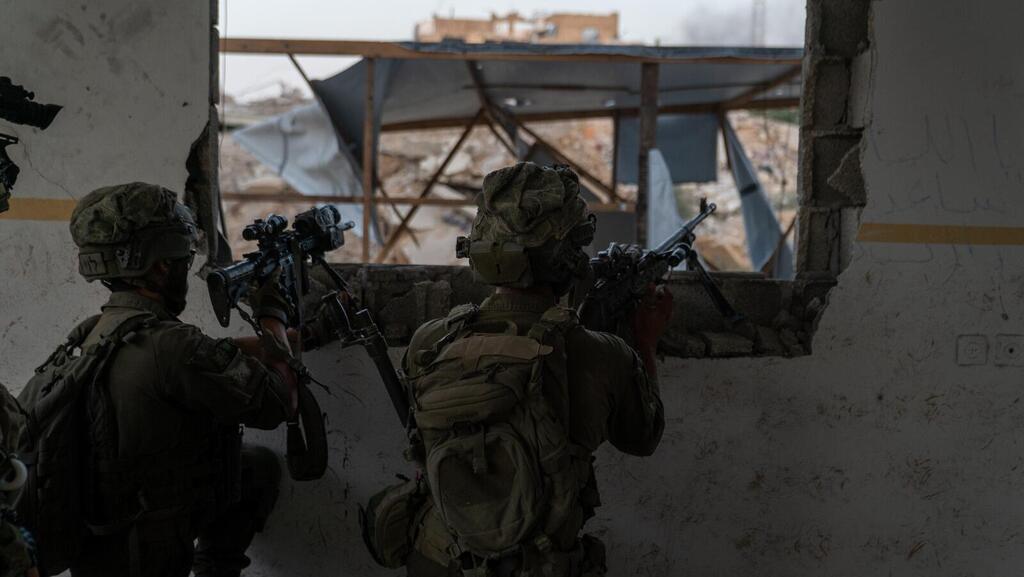
The facts are clear: Israel has defeated the Shiite axis with remarkable sophistication and daring, demonstrating resolve that exceeded expectations. Former Hamas leader Yahya Sinwar miscalculated both our capabilities and our determination, as reflected in the way we’ve effectively dismantled Gaza’s infrastructure.
Clinging to the notion that victory depends on eliminating every last Hamas battalion is to surrender control over our narrative. We risk letting Hamas define the perception of success, undermining our strategic gains.
(Photo: IDF Spokesperson's Unit )
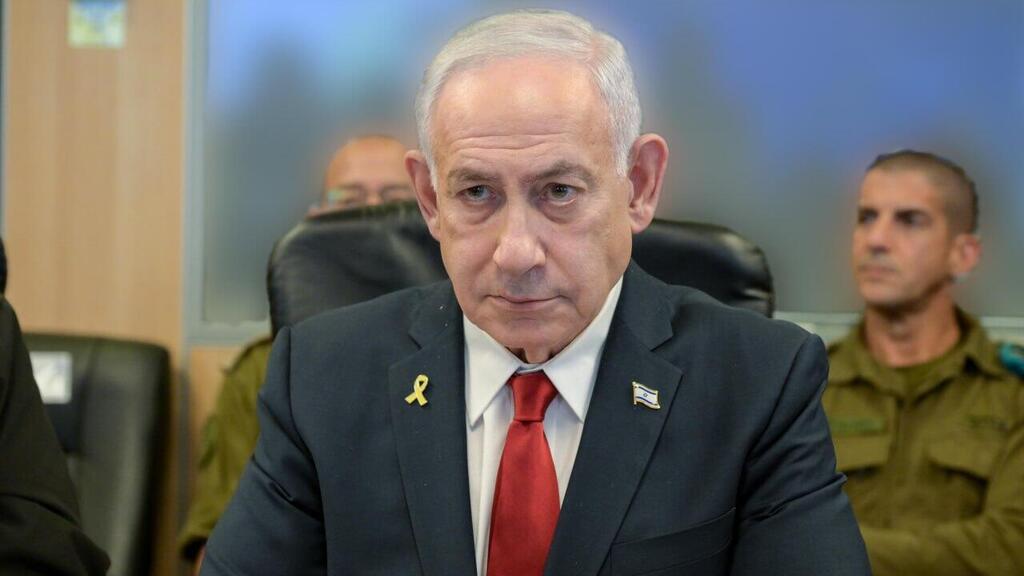
No one understands the power of shaping perception better than the prime minister himself. Yet his apparent preference to mortgage Israel’s hard-earned psychological and diplomatic achievements in exchange for conquering the remaining quarter of Gaza reveals a troubling short-sightedness.
If Hamas terrorists haven’t been deterred until now, will they suddenly be after seeing our tanks roll through the last neighborhoods? Why would Israel choose to frame its global image of strength around battles fought in the one arena where the enemy enjoys relative advantages, however limited?
The disadvantages of extending the war, by contrast, are extensive — for the Jewish people, the State of Israel and each of us individually.
Antisemitism has long existed on both the far left and far right in the West. But until now, the majority of the public — even in Europe — has not been inherently antisemitic or anti-Zionist. Our challenge is to manage this war so that fringe positions do not gain traction among mainstream audiences worldwide.
Yet this is precisely what’s happening. Who would have imagined that young voters in both major U.S. parties would increasingly side with the Palestinians? Or that much of the Western world would recognize a Palestinian state?
That Germany’s chancellor — historically one of Israel’s closest allies — would impose an arms embargo? A full occupation of Gaza would only accelerate this trend, which poses a grave strategic threat to Israel’s long-term future.
Prime Minister Benjamin Netanyahu
(Photo: Maayan Tuaf/GPO)
We are also eroding support among large segments of American Jewry, whose political influence in Washington has been a critical pillar of Israel’s strength in the U.S. Losing that bond would come at a severe cost.
Then there’s the economic burden. A full military holding of Gaza would almost certainly require direct Israeli administration. Finance Minister Bezalel Smotrich, who only this week allocated billions to provide food aid for Gaza, has avoided presenting the estimated cost of imposing military governance there. Forecasts point to astronomical sums — tens of billions of shekels annually.
Strategy must also take Israel’s internal social fabric into account. The country is deeply divided over the fate of the hostages. For many, continuing the war amounts to abandoning them. Every day brings new moral dilemmas as dozens of civilians are killed, and perceptions of the war’s purpose grow more fractured.
Many Israelis believe coalition politics — not national security — are driving decisions. If such doubts seep into the ranks of the army and begin to fracture it from within, the blow to Israel’s deterrence would be catastrophic.
 Prof. Yedidia SternPhoto: Olivier Fitoussi
The reality is that Israel has already achieved victory. The campaign against Iran has concluded successfully. To continue pushing deeper into Gaza’s neighborhoods is to make a strategic error that conflicts with Israel’s long-term interests.
Prof. Yedidia Stern is president of the Jewish People Policy Institute (JPPI) and professor emeritus of law at Bar-Ilan University.