

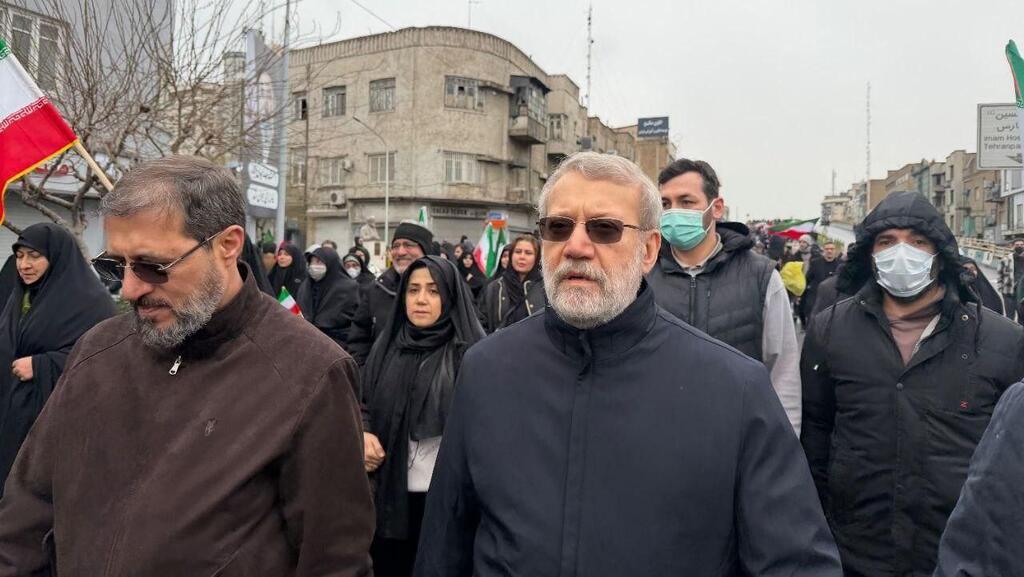
Israeli airstrikes on the night of March 16-17, 2026, claimed the life of Ali Larijani, secretary of Iran's Supreme National Security Council, in what Israeli Defense Minister Israel Katz characterized as a potentially watershed moment in the ongoing U.S.–Israeli air campaign. The same operation killed Basij commander General Gholamreza Soleimani and his deputy, intensifying pressure on Tehran's fractured leadership.
Larijani's death strikes at the heart of Iran's post-Khamenei power structure. The former three-term parliament speaker had emerged as a crucial figure bridging political and military factions following Supreme Leader Ali Khamenei's assassination on February 28, 2026. State media released what purported to be a handwritten message from Larijani commending the Navy, though verification remains unclear and the document bore no date.
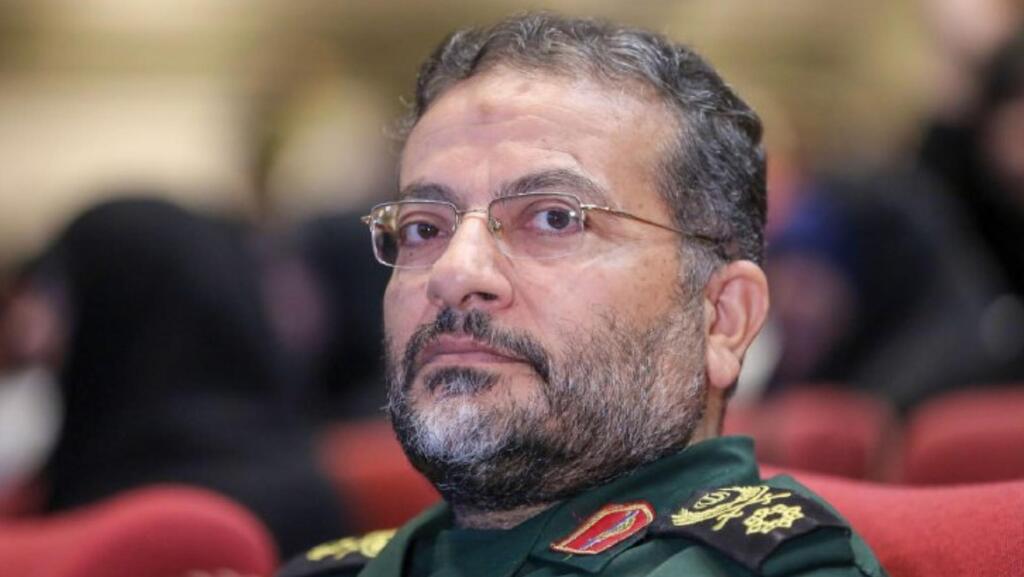
Basij commander General Gholamreza Soleimani also was killed
Soleimani had commanded the Basij paramilitary for six years, deploying it as the regime's primary tool for internal control. The Israeli military noted that "under Soleimani, the Basij unit led the main repression operations in Iran, employing severe violence, widespread arrests, and the use of force against civilian demonstrators," particularly during the 2022 and January 2026 protest cycles.
The timing compounds an already precarious succession situation. Mojtaba Khamenei, the late leader's son and presumed successor, has remained absent from public view since his father's death. No verified video or audio evidence has surfaced confirming his status or active control of state apparatus.
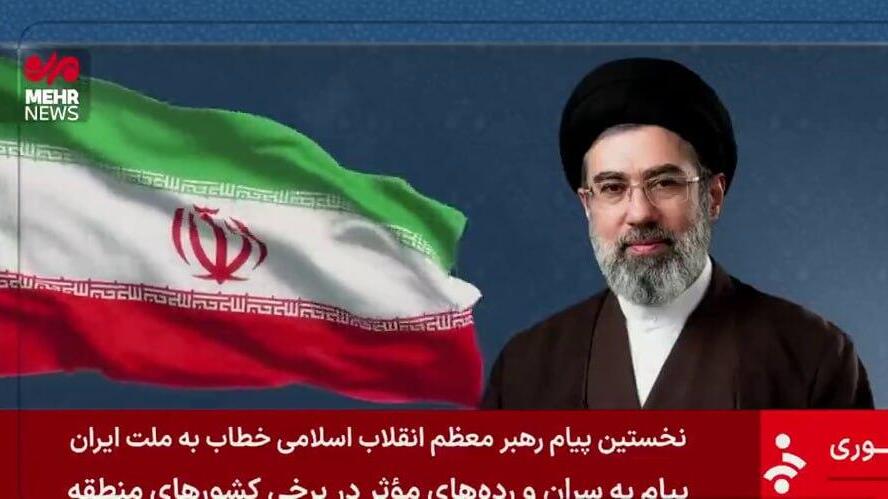
Iran's new Supreme Leader Mojtaba Khameini has not yet been seen in public
According to Reuters, an unnamed Iranian official disclosed that Mojtaba has rebuffed mediation efforts aimed at negotiating ceasefire or de-escalation proposals conveyed through two intermediary countries. This suggests a continued commitment to confrontation despite mounting military losses.
Hormuz as leverage, durability as question
While facing systematic leadership attrition, Tehran has adopted an increasingly assertive posture over the Strait of Hormuz. Parliament Speaker Mohammad-Bagher Ghalibaf has reframed navigation restrictions as defensive necessity rather than deliberate blockade, stating: "If the Strait of Hormuz is closed today, it is not because we intended to close it, but because we must defend ourselves."
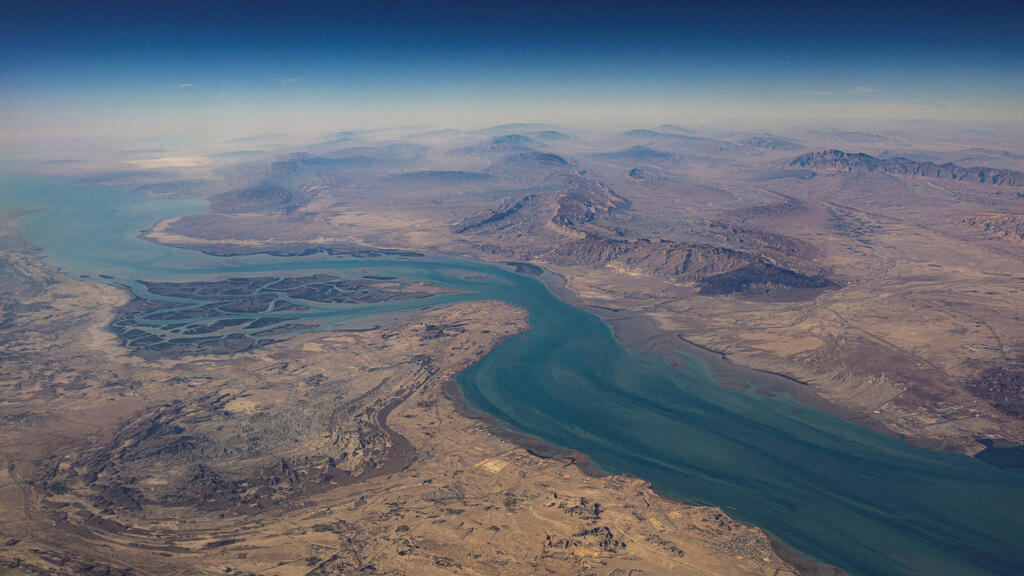
The Strait of Hormuz
(Photo: Reuters)
Yet Ghalibaf's subsequent statements suggest a more expansive claim to control. He declared that "the Strait cannot, in legal terms or in traffic, function as it did in the past," and that "the situation will not return to its previous state."
Intelligence reports from March 16 documented selective transit of commercial vessels following Iranian ownership verification—a pattern suggesting Tehran is developing a discriminatory access framework to leverage against designated adversaries.
On March 17, Islamic Revolutionary Guard Corps commander Ali Abdollahi reinforced this hardline stance, declaring that "the armed forces are determined to use all geopolitical capacities, including managing and controlling transit through the strategic Strait of Hormuz, to bring aggressor enemies … to their knees."
The durability question
Whether Iran can sustain both its confrontational Hormuz strategy and its degraded military posture remains uncertain. Some analysts assess that even a substantially weakened Iranian force retains capacity to disrupt commercial shipping. Ongoing U.S. strikes on coastal infrastructure may mitigate this threat, yet the operational circumstances necessary for sustained tanker escort missions remain unclear.
The cumulative effect of sustained airstrikes and apparent targeted elimination of senior officials has prompted wider assessment of regime stability. Security force assessments point to internal disarray, including reported defections and sagging morale—driven by irregular compensation, battlefield setbacks and the persistent vulnerability of personnel even in urban environments.
Rami Al Dabbas is a writer/commentator known for opinion pieces on Middle East politics, critiques of Islamist movements, advocacy of political realism and engagement and a controversial presence on social media.