


For two decades, Qatar punched above its weight by making itself indispensable to every side simultaneously. It hosted the largest American military base in the Middle East while bankrolling Hamas. It mediated between Washington and Tehran while enabling the Muslim Brotherhood's transnational networks. It brokered ceasefires between Israel and the terrorist organization it funded. The model had a name in diplomatic circles: multi-alignment. It had another name in plain English: playing every side. In the spring of 2026, the Iran war collapsed that architecture in weeks, and Qatar, for the first time in a generation, has nothing to say and nowhere to stand.
On March 24, Qatar announced it was not actively mediating between the United States and Iran, focusing instead on defending the country. For an emirate that had built its entire international identity on being the region's indispensable back channel, that statement was not a tactical pause. It was an obituary.
Gallery
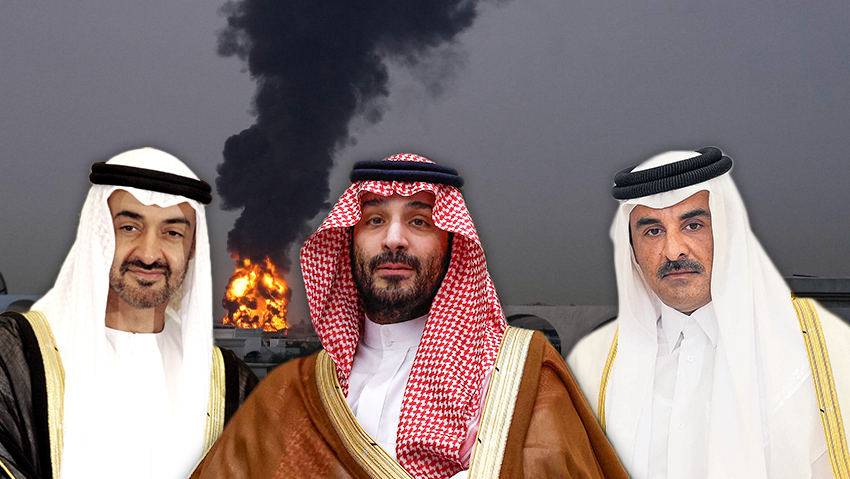
Dubai airport after Iranian strike; Saudi Crown Prince Mohammed bin Salman, Qatari Emir Tamim bin Hamad Al Thani and UAE President Mohammed bin Zayed
(Photo: Alex Brandon/AP, Evelyn Hockstein/POOL/AFP)
The physical consequences arrived before the diplomatic ones. Missile and drone strikes in early March disrupted Qatar's core economic infrastructure. Attacks halted LNG production at Ras Laffan Industrial City, while a subsequent strike on March 18 caused extensive damage to the Pearl gas-to-liquids facility, with QatarEnergy warning that repairs could take up to five years. The two damaged production trains alone represent approximately 17% of Qatar's national production capacity. The emirate that spent years marketing itself as a stable island of pragmatism in a volatile sea was now on fire.
None of this was accidental, and none of it was undeserved.
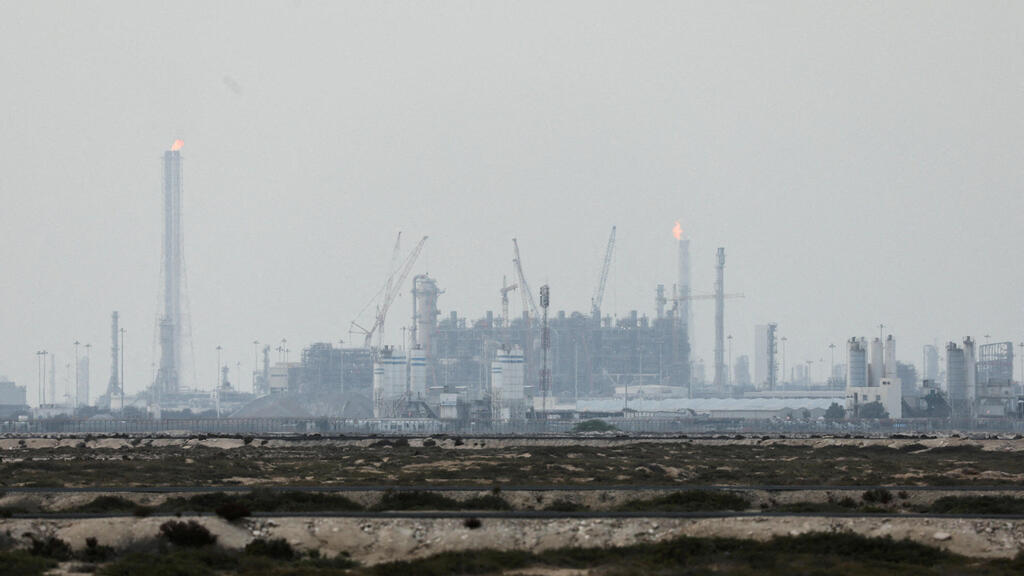
Ras Laffan gas facility in Qatar, March 2
(Photo: REUTERS/Stringer)
Qatar's strategic model rested on a single premise: that it could purchase security through ambiguity. By hosting Al Udeid and its roughly 10,000 American troops, it secured an American umbrella. By maintaining warm relations with Tehran and sharing the North Field gas reservoir with Iran, it purchased a separate Iranian insurance policy. By sheltering Hamas's political leadership and financing Gaza while calling it humanitarian aid, it bought Islamist goodwill. The logic was that Qatar would never be anyone's enemy because it was everyone's partner.
Qatar has hosted Hamas' political office since 2012, stating that the United States requested this to establish indirect lines of communication with Hamas. That is the self-exculpatory version. The fuller version, documented in Israeli military recovered documents, is that Hamas's late political chief Ismail Haniyeh reportedly told October 7 mastermind Yahya Sinwar in 2021 that Sheikh Tamim had discreetly provided $11 million for Hamas's leadership but did not want anyone in the world to know. Mediation is one word for that relationship. Patronage is another.
The contradiction was always structural. You cannot be America's most critical military staging ground in the Middle East and a safe house for the organization that massacred American citizens on October 7. You cannot mediate between Israel and Hamas while covertly financing Hamas's leadership. You cannot promise Washington that your territory will not be used to strike Iran while telling Tehran that your relationship is fraternal. Sooner or later, the war everyone was pretending not to be in would begin in earnest, and Qatar's position in the middle would stop being an asset and start being a target.
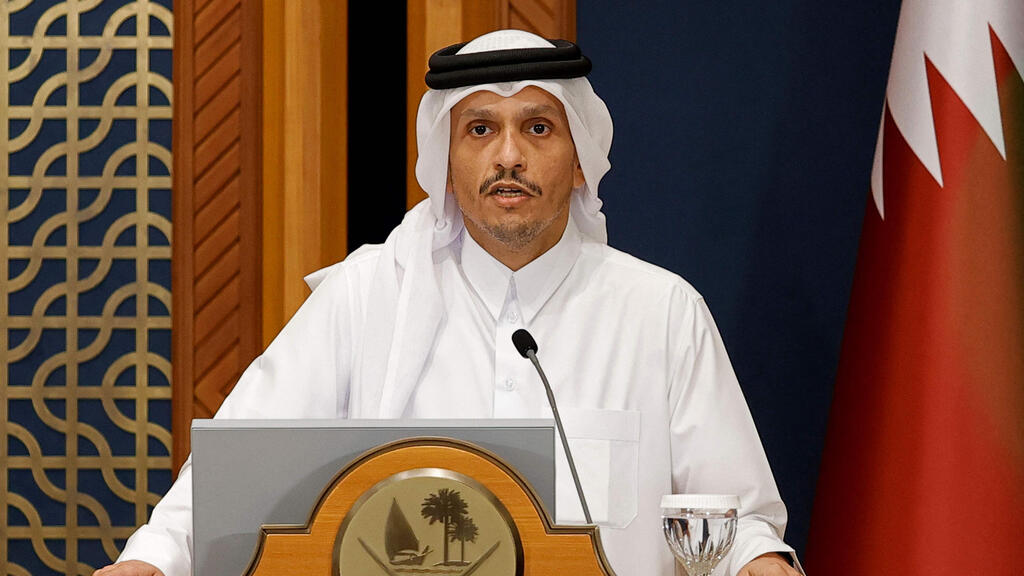
Qatari Prime Minister Mohammed bin Abdulrahman Al Thani
(Photo: Karim JAAFAR / AFP)
Qatar faced Iran's attack on its Al Udeid Air Base in June 2025. Israel also struck Hamas leaders in Doha in September 2025. Both strikes, from opposite directions, delivered the same message: multi-alignment is not immunity. In a real war, sitting in the middle means absorbing fire from both sides.
The crisis has illuminated the crucial distinction between being a convenient hub and a truly indispensable actor. The attacks suggest that the utility of a convenient partner can be outweighed when another state's core security interests are perceived to be at stake. Iran didn't bomb Al Udeid because of a misunderstanding. It bombed Al Udeid because Qatar hosted the command center for America's war while simultaneously claiming no responsibility for what happened there.
The deeper problem is what Qatar's disappearance reveals about the project of Islamist accommodation as foreign policy. Doha spent years cultivating the Muslim Brotherhood, sheltering Hamas, and providing Al Jazeera as a platform for anti-Western grievance, framing all of it as sophisticated diplomacy. The theory was that proximity to Islamist networks made Qatar indispensable. The reality is that it made Qatar complicit, made it a target, and ultimately made it irrelevant once the strategy it had enabled produced a war it could neither stop nor escape.
Qatar is not a victim of the Iran war. It is a casualty of its own foreign policy. An emirate that spent two decades building leverage through deliberate ambiguity discovered that ambiguity has a price when the guns come out. Washington should take note: the partner that tried to be everything to everyone is now nothing to anyone, a country defending its airports from the same axis it spent years enabling.
- Amine Ayoub, a fellow at the Middle East Forum, is a policy analyst and writer based in Morocco.