

U.S. President Donald Trump has already tried to sell the world a narrative of victory over Iran. He has claimed Iran was defeated after its military power was destroyed, suggested Tehran understands it has no choice but to reach a deal and signaled that pressure has worked. But time and again, this narrative proves unsupported. Iran is not meeting Washington’s core demands on the nuclear issue, talks are not producing a breakthrough and the Strait of Hormuz has become a flashpoint where any incident could trigger broader escalation.
This is Trump’s central problem: the longer the crisis drags on, the harder it becomes to present it as a clear success. If Iran was truly defeated, why is it not accepting U.S. nuclear terms? If it wants a deal, why is it refusing to give up elements of its capability that preserve a future nuclear breakout option? And if the U.S. is in control, why must it deal with stranded vessels, threats to freedom of navigation and the constant risk of maritime escalation?
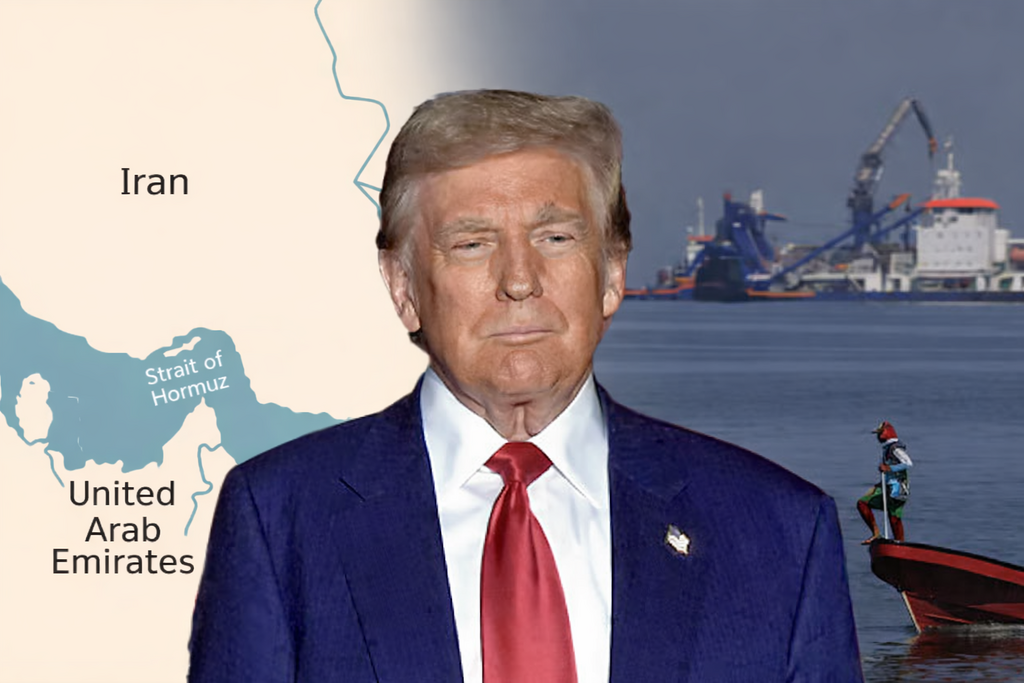
The nuclear issue is the core of the matter. From Trump’s perspective, any agreement that does not include a clear Iranian commitment not to develop nuclear weapons, effective limits on breakout capability and strict verification will not be sufficient. He may be able to declare a deal, but his critics would argue Iran has preserved most of its strategic assets and Washington has settled for managing the crisis rather than resolving it. From Iran’s perspective, giving up enrichment rights and key nuclear capabilities would be seen as surrender. It is therefore trying to buy time, preserve ambiguity and leave Trump caught between a partial deal and dangerous escalation.
Here lies the Hormuz issue. The U.S. initiative to escort or guide vessels stranded in the strait is intended to signal control, responsibility and resolve. Trump aims to present it as a limited, perhaps even humanitarian step designed to free ships belonging to countries not directly part of the conflict. But in practice, it highlights how volatile the crisis is. A single incident, an Iranian warning that goes unanswered, damage to a vessel or a misinterpretation could turn a limited operation into a broader confrontation.
Trump’s trap
Trump does not want a wide escalation. A prolonged war with Iran, shocks to energy markets or a spiraling maritime conflict do not align with his pledge to avoid long wars. But withdrawal or a weak deal are also difficult options for him. After months of threats and victory claims, he cannot afford to appear as if Iran has stopped him. He therefore faces three bad options:
1. Accept a partial agreement that would look too weak.
2. Escalate militarily and risk a far more complex campaign.
3. Continue pressure and negotiations and allow Iran to buy time.
Hormuz makes the dilemma more dangerous because it shifts the crisis from the diplomatic table to a theater where any mistake could force Trump into a decision he does not want to make.
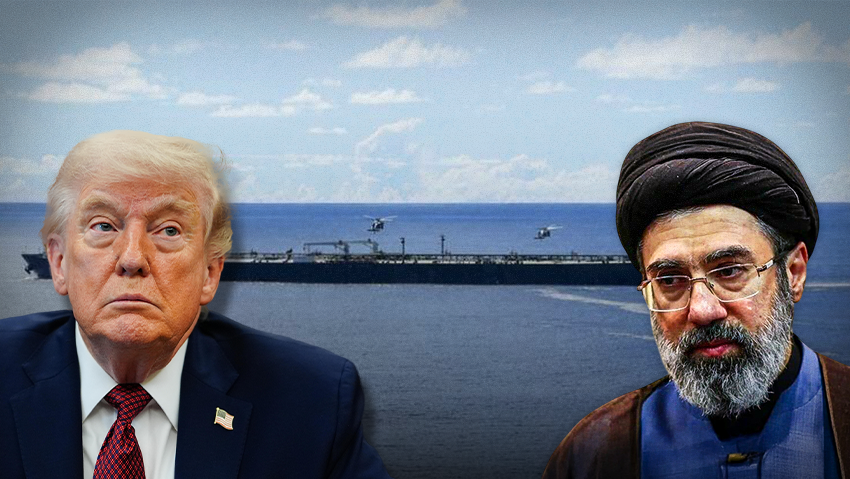
The key near-term risk follows from this. Even if Trump does not want a broad war, he may conclude that without additional military action he cannot break the deadlock. A U.S. strike against remaining elements of Iran’s nuclear program, infrastructure or maritime leverage could be seen in Washington as an attempt to restore deterrence, regain initiative and force Iranian flexibility in negotiations. But there is no guarantee such a move would achieve its goals. It could instead widen the conflict and give Iran an incentive to escalate in areas where it still retains response capability.
(Photo: Anna Moneymaker / AFP, CENTCOM)
And here begins Israel’s problem
Trump’s dilemma directly affects Israel’s vital interests, even if they are not necessarily his focus. He is looking for a way to emerge from the crisis with a narrative of victory. Israel is primarily focused on two questions: whether Iran will retain enriched uranium and nuclear recovery capability, and what will happen in Lebanon while Washington seeks to prevent regional escalation.
From Israel’s perspective, an arrangement that leaves Iran with significant enriched uranium, even under monitoring or restrictive language, could undermine a central objective of the campaign. The goal was not only to bring Iran back to the negotiating table but to deny it the ability to preserve a military nuclear option and recover quickly afterward. What may appear in Washington as a sufficient political achievement for Trump could be viewed in Jerusalem as strategically inadequate.
This is compounded by Lebanon. As the U.S. administration focuses on stabilizing the Iran crisis, preventing escalation in Hormuz and achieving a diplomatic track it can present as a success, it may also pressure Israel to show restraint in the north. As a result, Israel could find itself constrained over time in addressing the Hezbollah threat precisely because Washington is trying to prevent another front.
Ultimately, the crisis exposes a possible gap between U.S. “victory” and Israeli security. Trump has already declared victory. Now he must ensure reality does not unravel it without leaving Israel with a situation in which Iran retains its nuclear assets and Hezbollah benefits from Washington’s need to calm the region.
- Eldad Shavit is a senior researcher in the U.S. program at the Institute for National Security Studies (INSS), former head of the Mossad Research Department and assistant for assessment to the head of IDF Military Intelligence
First published: 19:47, 05.04.26