

Reservists are still, even now, receiving call-up orders for three consecutive months. This includes people who have served 350 and even 600 days out of the 1,000 days of fighting so far.
What this means is two things. First, the military is struggling to close a severe manpower gap and reduce the burden on those serving. Second, despite the unbearable strain, despite the growing number of volunteers refusing to enlist, despite the cabinet secretary’s statement that it is likely arrests of yeshiva students will be frozen for about six months rather than the three months previously reported, those who receive draft orders, or at least most of them, still report for duty.
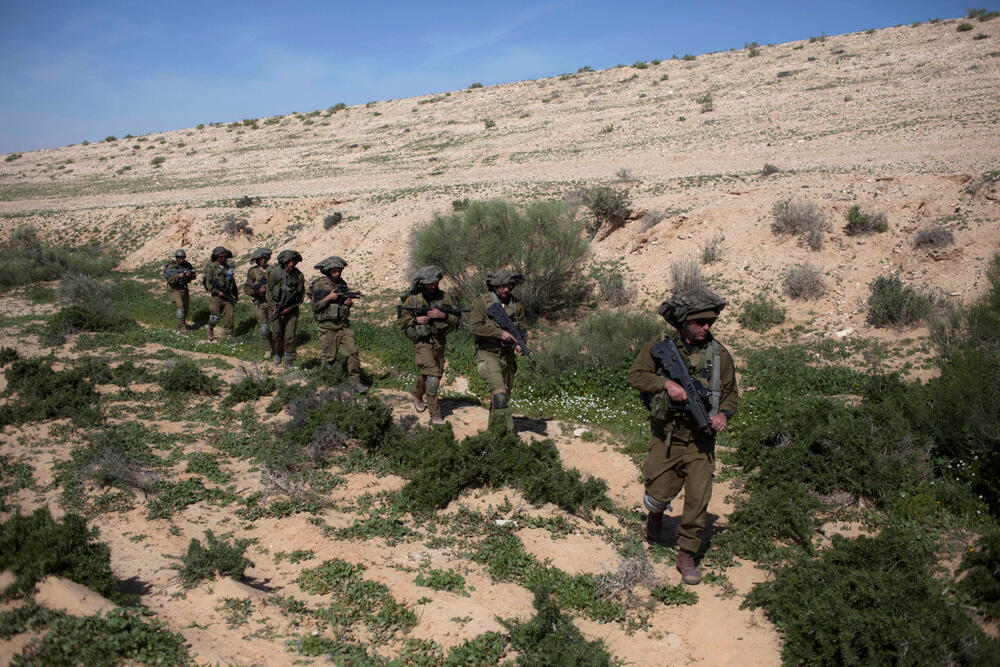
Reservists are still, even now, receiving call-up orders for three consecutive months
(Photo: AP)
They report and fight with extraordinary determination and courage over many months, each of them having seen up close the terrible cost in blood and the tens of thousands of wounded. The war has forced the military to reassess core assumptions and confront a far more complex security reality than it had known.
No longer limited operations but sustained ground maneuvering, the deployment of large forces and close coordination among branches, alongside the rebuilding of public trust in the IDF, which collapsed on October 7 and rightly so. One thousand days that amount to thousands of small lessons, which together form larger conclusions, summarized here in a brief overview.
The first question is whether the era of intellectual rigidity has ended, a product of arrogance, complacency and a culture of covering up failures. October 7 also reflects the fact that in recent decades the military has not managed to retain its best people, as also shown in studies by the Manpower Directorate.
If those offered command positions declined, it suggests that some, she stresses not all but a significant portion of those sent to officer training and later promoted were not necessarily the top performers.
This is certainly not the only reason for what happened, but it is one lesson the military must consider. Over the 1,000 days of fighting the military has demonstrated determination and exceptional bravery. It has shown creativity and commitment to mission. In this war a new generation of bold commanders has emerged and they must be given the opportunity to lead while ensuring the best remain in the military, as in high tech, and fostering independent thinking, the ability to question and seek alternatives.
On October 7 there was no small and smart army, there was a small, foolish and very arrogant army. Not on a personal level but in terms of behavior. Alternative thinking was neglected, including when it came from the political leadership.
And I am not referring to Yair Golan with his comments about killing children, or to criticism from Ehud Olmert or Moshe Ya'alon who are fighting for their place in collective memory. At the same time, there must be a professional reckoning with serious phenomena: not the scandalous leak involving the military advocate general, whom the chief of staff was right to dismiss, even if belatedly, but also the rapid handling of serious incidents such as looting, unjustified violence and unnecessary harm to the other side. Anyone who destroys a statue of Mary must be brought to justice.
And one final point, to summarize: in the office of every commander from brigade level and above, alongside portraits of the prime minister and the president, there should be a photo of one of the observation soldiers who carried out their duties faithfully and were murdered in this war, as well as a model of an exploding pager if desired, and a photo of a fallen observation soldier.