


After the Iranian threat, Bulgaria announced that two U.S. refueling aircraft had been evacuated from the country — but Greece is instead bolstering its defenses: According to reports in Greece, the country has moved a Patriot air defense battery from the island of Karpathos to Crete to strengthen defenses around the Souda Bay area in northwestern Crete, which is considered strategically important. The battery, including personnel and equipment, was moved overnight and is expected to be deployed near the military base at Souda.
According to Greek reports, the decision was made following threats by senior Iranian officials against U.S. bases in Europe, while Greek military forces remain on heightened alert. Assessments indicate that Iran still has a significant number of ballistic missiles with ranges exceeding 2,000 kilometers (1,240 miles), putting targets in southeastern Europe within their reach.
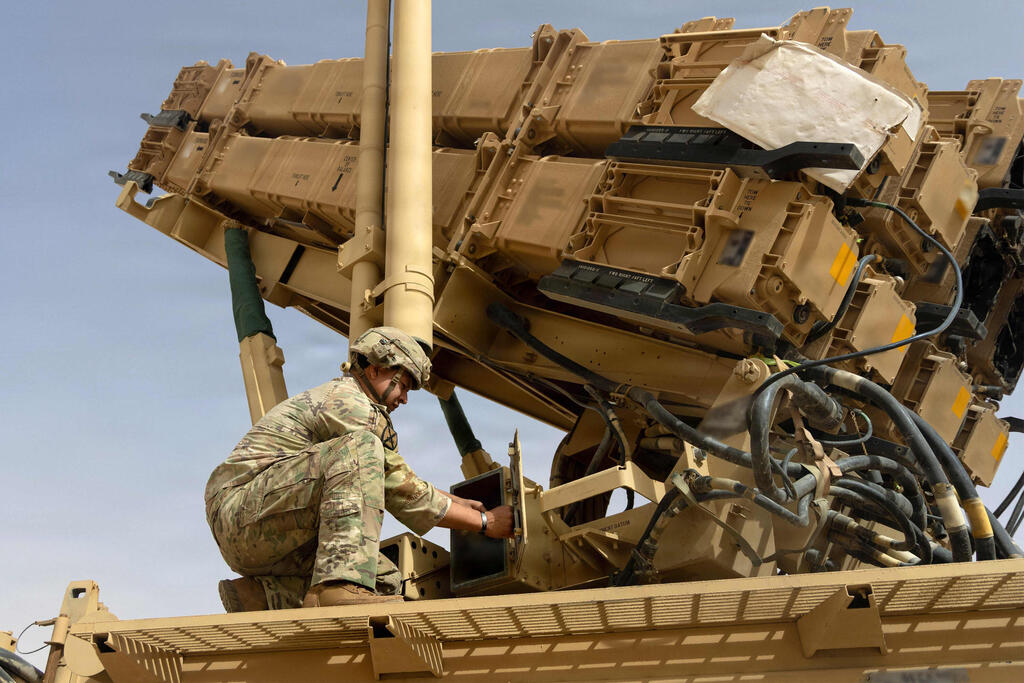
A US Patriot missile battery deployed in the Middle East
(Photo: AFP PHOTO / US ARMY / USARCENT)
The Patriot battery was deployed to Karpathos in March as part of Greece’s efforts to strengthen its defenses against ballistic missile threats. According to the report, Athens is in contact with the United States and Israel regarding potential threats to facilities in Greece and Cyprus and is also considering helping Bulgaria’s air defense system if an official request is received. The close ties between Greece and Israel, including in the face of threats from Turkey, have been reported on numerous occasions in the past.
Bulgaria, meanwhile, announced Saturday that two U.S. military refueling aircraft whose deployment at Bezmer Air Base in southeastern Bulgaria last month had angered Iran were evacuated and moved to another location. The announcement by Bulgarian Defense Minister Dimitar Stoyanov came several days after the British Financial Times reported that Iran was considering targeting U.S. assets in southeastern Europe, including Bulgaria and Cyprus, in the event of renewed escalation with the United States.
Bulgaria approved the deployment of two KC-135 military aircraft a month ago. The aircraft are among those used to refuel fighter jets, including on their way to carry out strikes in Iran. Sofia has consistently insisted that the aircraft deployed on its territory were used only for training missions in the airspace of allied countries and not for strikes against Iran, which are not currently taking place amid the tense pause in fighting with the United States. Iran, however, reacted sharply, claiming that the presence of U.S. military aircraft in the country made Bulgaria a partner in “aggression and war crimes.”
Meanwhile, following U.S. President Donald Trump’s declaration of an “economic D-Day” against Iran, Tehran has continued its verbal attacks while the situation on the ground remains relatively quiet. Revolutionary Guards spokesman Hossein Mohebbi said the U.S. president’s remarks “about economic warfare are a tacit admission of the humiliating defeat in the military arena. If you had won on the military front, you would not have needed to launch an economic war. We have a scenario for every hostile action by the enemy. There is no concern on the economic front.”
Iranian Parliament Speaker Mohammad Bagher Ghalibaf took a jab at the U.S. announcements that talks had been frozen in a post on X: “What’s the plan for bonds, import frozen yields? Frozen homebuyers for housing? Frozen paychecks for wages? A frozen foreign policy delivers a frozen economy. The only thing still moving? The Iran boomerang.”
But while the Twitter battles continue, Iran’s economic crisis is becoming increasingly apparent. The U.S. dollar reached an exchange rate of 2 million rials on Iran’s free market, crossing a threshold it had approached in recent days. According to Iran International, the dollar traded at around 1.865 million rials at the beginning of last week, meaning it rose by more than 7% in less than a week. In just one year, it has more than doubled in value, after trading at 958,000 rials during the same period last year.
Just last week, President Masoud Pezeshkian, a relatively moderate figure within the regime but one considered to have limited influence, again called for an end to the war. In remarks quoted by Iranian media, Pezeshkian said his government was “trying to solve the problems” currently facing Iran’s economy. He added: “During this period, despite all the problems, we have had many achievements that have not been addressed. We do not deny the shortcomings and deficiencies, but we are trying to move the country forward.”