


The dismissal of Tzachi Hanegbi as head of Israel’s National Security Council late Tuesday night marked the completion of a sweeping shake-up that has left Prime Minister Benjamin Netanyahu increasingly isolated within his own political and security inner circle.
In recent months, nearly all of Netanyahu’s senior aides and advisers have departed or been reassigned to diplomatic posts. Chief of Staff Tzachi Braverman has been appointed Israel’s ambassador to the United Kingdom. Prime Minister’s Office Director General Yossi Shelley was named ambassador to the United Arab Emirates. Spokesperson Omer Dostri resigned from his position, and longtime adviser Jonatan Urich remains barred from working with Netanyahu because of his involvement in the Qatargate affair. Strategic Affairs Minister Ron Dermer, one of Netanyahu’s closest allies and a key figure in relations with Washington, is also expected to step down early next month.
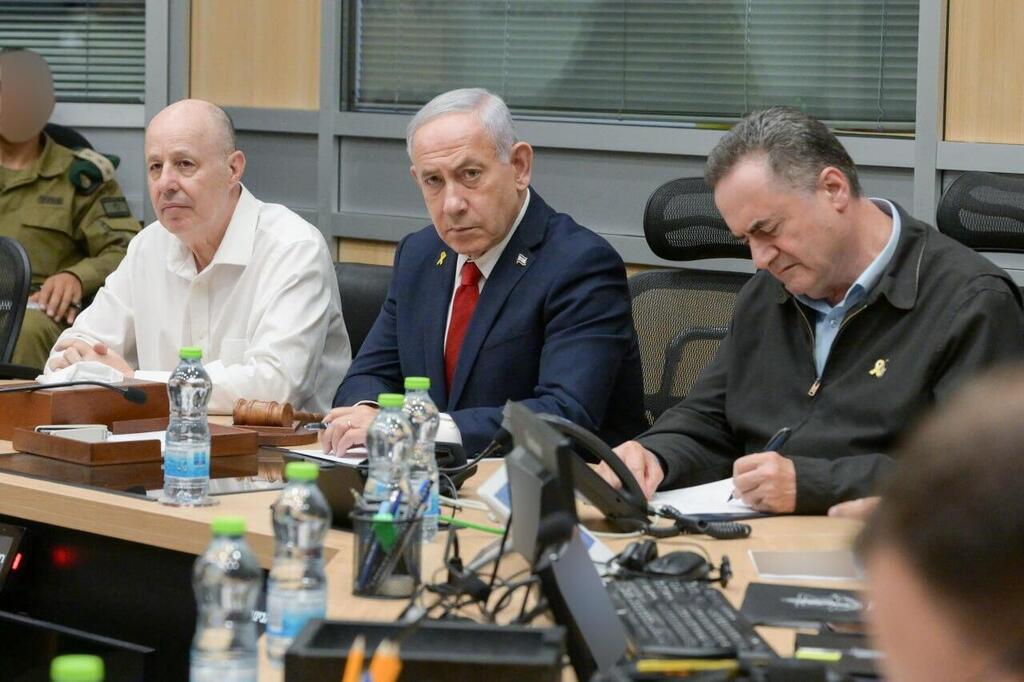
The resignations and removals have underscored what Israeli political observers describe as an expanding vacuum at the top of Netanyahu’s government, which faces mounting domestic criticism and the possibility of early elections next year.
Acting replacement named
Netanyahu has appointed Hanegbi’s deputy, Gil Reich, as acting head of the National Security Council until a permanent successor is chosen. Among the candidates reportedly under consideration is Shalom Ben Hanan, a former senior Shin Bet official and once a contender to head the agency. Ben Hanan is regarded as a respected figure in security circles and enjoys Netanyahu’s trust.
The prime minister is also expected to redistribute the broad powers held by Dermer, who was sometimes referred to as “the foreign minister for U.S. affairs” because of his central role in managing ties with Washington. According to Israeli media reports, Israel’s ambassador to the United States, Yechiel Leiter, will take over the American political and security portfolio, while Foreign Minister Gideon Sa’ar will handle civilian and diplomatic relations with Washington. Still, Netanyahu is expected to rely primarily on Leiter in managing U.S.–Israel relations.
Another name mentioned in connection with senior appointments is Roi Kahlon, whom Netanyahu previously sought to appoint as civil service commissioner.
Rift with the Netanyahu family
Hanegbi’s ouster followed months of tension between him and Netanyahu’s inner circle. He was excluded from Netanyahu’s most recent trip to Washington, and political sources said the prime minister’s wife, Sara Netanyahu, was dissatisfied with his performance and pushed for his replacement. People close to the prime minister added that his son, Yair Netanyahu, also criticized Hanegbi, calling him “too weak and not sufficiently supportive” of the prime minister.
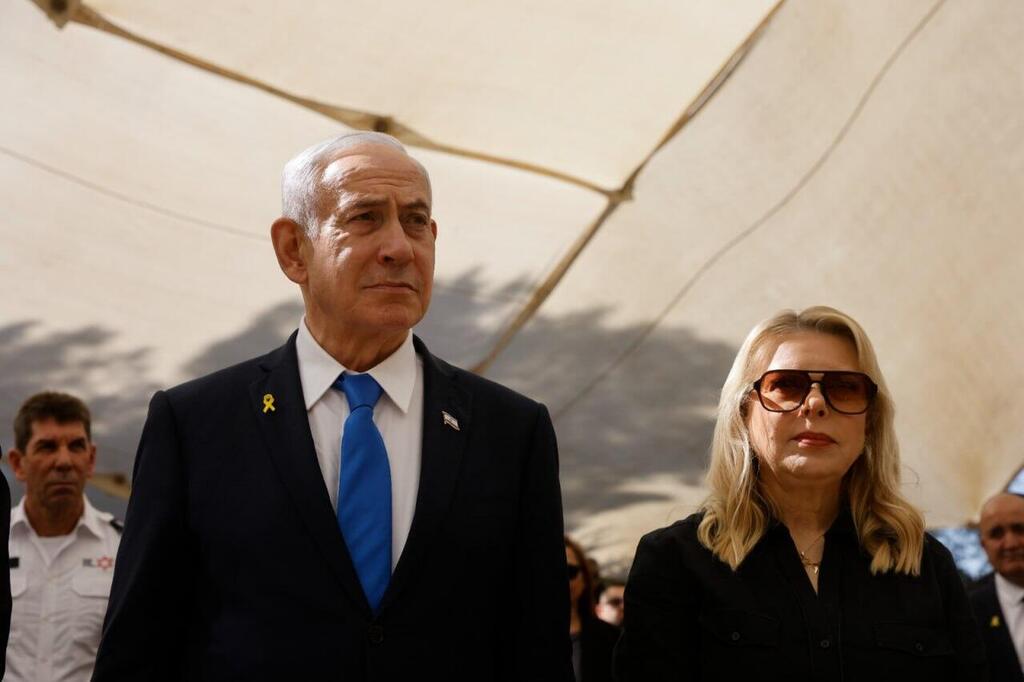
(Photo: Olivia Petosi)
According to officials close to Netanyahu, both sides agreed on the separation. Hanegbi reportedly wished to leave for personal reasons, while Netanyahu decided he should not continue in the role.
Earlier Tuesday, Hanegbi attended a meeting between Netanyahu and Egypt’s intelligence chief and held a separate meeting with him. Later in the day, Hanegbi announced that it would be his last day in office, meaning he would not take part in Netanyahu’s planned meeting Wednesday with U.S. Vice President J.D. Vance.
Clashes and criticism
During his tenure, Hanegbi frequently clashed with National Security Minister Itamar Ben-Gvir over security policy, including issues such as Red Cross visits to Palestinian security detainees and Ben-Gvir’s heavily publicized visits to the Temple Mount. The disputes drew diplomatic friction and international criticism.
Hanegbi was widely viewed as the “adult in the room” within Netanyahu’s circle, often attempting to moderate what he saw as provocative or irresponsible initiatives by Ben-Gvir and Finance Minister Bezalel Smotrich. However, his efforts frequently failed.
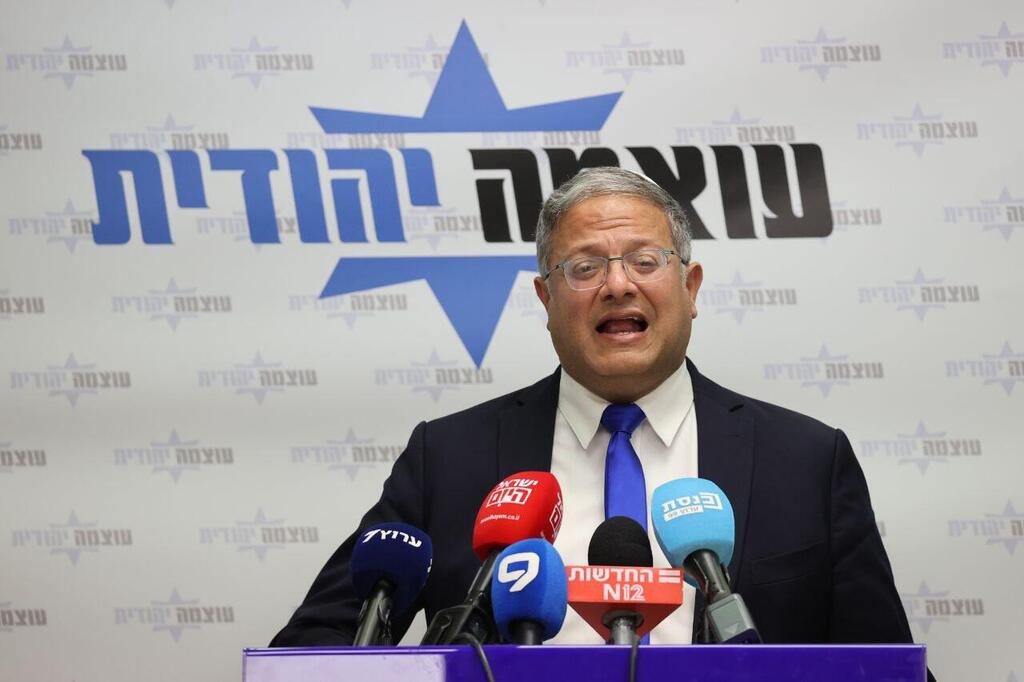
(Photo: Alex Kolomoisky)
Officials in the Prime Minister’s Office have accused Hanegbi of being too lenient toward Hamas, the Palestinian terror group responsible for the Oct. 7, 2023, attack, and of advocating for cease-fire deals in earlier stages of the war. In his statement announcing his departure, Hanegbi called for a “thorough investigation” into the failures surrounding the Oct. 7 assault — language that has occasionally set him apart from Netanyahu’s more cautious tone.
It was not the first time he had spoken in that vein. On Oct. 17, 2023, just days after the war began, Hanegbi said that “both Netanyahu and his predecessors will have to engage in self-examination.” Three days earlier, he had taken personal responsibility for misjudging Hamas’s intentions, saying, “It was my mistake, and the mistake of all the relevant officials.”
A weakened National Security Council
Hanegbi’s removal has refocused attention on the deteriorating status of the National Security Council, known by its Hebrew acronym MALAL. In recent years, critics have described the council as a toothless and inefficient body that convenes lengthy discussions but struggles to produce actionable decisions.
Political and defense officials said the council has drifted away from its coordinating role in national security policy and that Hanegbi himself advocated narrowing its scope — contrary to the advice of professional staff who sought to expand it.
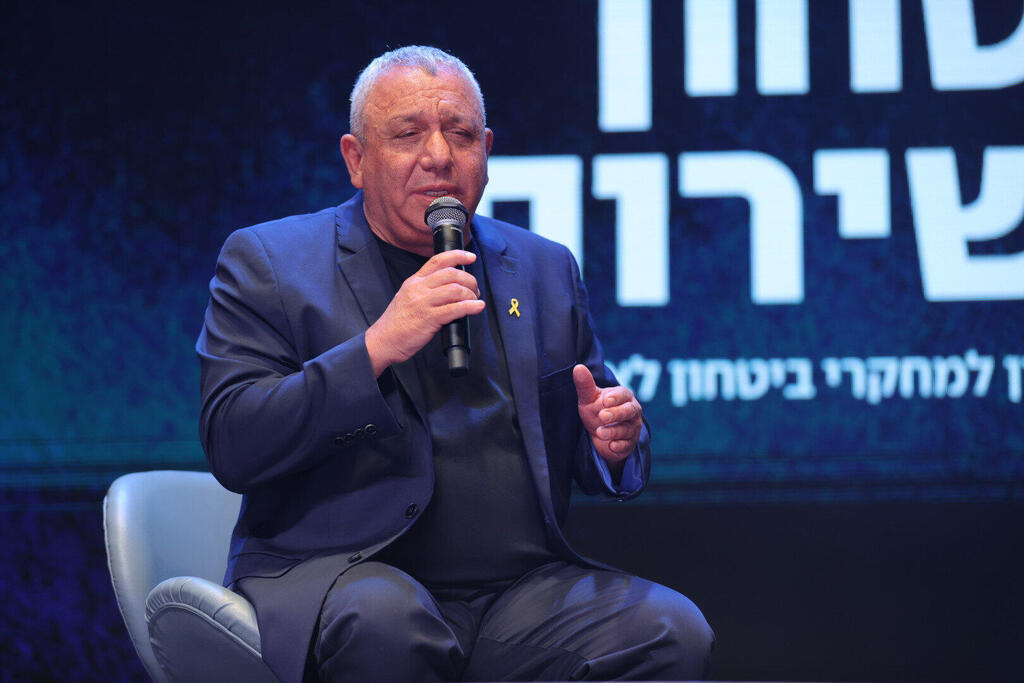
(Photo: Yaron Brenner)
Former IDF chief and current lawmaker Gadi Eisenkot, who served in the war cabinet during the early months of the conflict, sharply criticized the council’s performance. In December 2024, Eisenkot told the Knesset’s State Control Committee that he “did not see their influence by even a millimeter.” He added that “a cabinet with 80 participants is too large for meaningful strategic discussion.”
Eisenkot also said the council avoided appearing before investigative committees to preserve the option of establishing a state commission of inquiry into the Oct. 7 failures. “Israel entered the war amid a total intelligence collapse and a weakness we were unaware of,” he said. “The National Security Council is a presence in name only. I didn’t see their influence, not even in millimeters. They had no place in the discussions.”
Still active behind the scenes
Despite the criticism, Hanegbi played a significant role in several key initiatives during the war, including reported contacts with senior Syrian officials over a potential security arrangement with Damascus. Until Netanyahu’s most recent U.S. trip, Hanegbi also accompanied the prime minister on visits to Washington and took part in high-level meetings on the war and ongoing diplomatic efforts toward normalization with Arab states.
Hanegbi’s departure leaves yet another vacancy in a prime ministerial circle that has rapidly thinned, as Netanyahu faces war-related scrutiny, internal political friction and renewed uncertainty over Israel’s leadership in the months ahead.