


The IDF is heading into another tense weekend after a series of developments transformed the strategic picture across every major front, raising fresh uncertainty and increasing the risk of rapid escalation.
In Lebanon, the deadly explosion that killed two reserve soldiers ended a period of relative calm along the northern border. In Gaza, a new directive requiring the military chief of staff's approval for every strike has effectively ended months of aggressive operations targeting Hamas' elite Nukhba force.
IDF strikes Hezbollah targets in southern Lebanon
(Video: IDF)


In the West Bank, orders to seize another Palestinian refugee camp are stretching already overextended forces. And in Iran, after another planned strike was reportedly called off, Israel continues to walk a fine line between diplomacy and the possibility of renewed conflict.
Iran front
Iran remains Israel's primary strategic theater, military officials say.
The IDF is in what officials describe as a critical phase of preparing additional operational plans for Iran as well as other fronts, with an emphasis on long-term contingency planning.
Israeli and U.S. forces remain in close daily contact, with regular meetings aimed at ensuring operational plans are coordinated should Israel become involved in a broader confrontation. That coordination includes both offensive and defensive planning, according to Israeli security officials.
Military officials continue to stress that the IDF remains at peak readiness should it receive orders to strike.
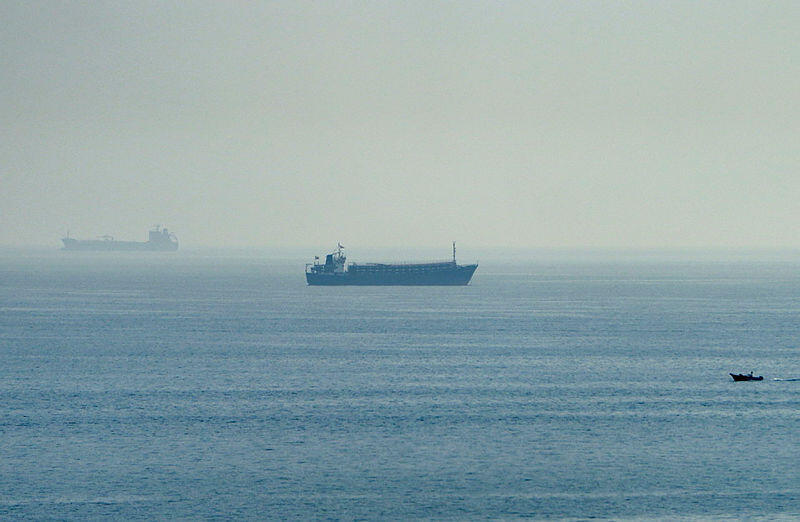
Over the past month, there were at least two occasions when the military believed a large-scale operation against Iran was imminent, only for U.S. President Donald Trump to halt the planned attack, according to Israeli security sources.
Senior defense officials describe close coordination with Washington as both a challenge and an advantage. While it requires extensive consultation, it also provides strategic backing.
Should fighting resume, officials say they hope to rely on an expanded bank of military targets designed to produce rapid operational results and avoid another prolonged campaign like Operation Roaring Lion, Israel's military campaign against Iran earlier this year.
Lebanon front
The military continues to investigate the deadly explosion in southern Lebanon that killed Maj. (res.) Harel Birenstock and Sgt. Maj. (res.) Tamir Vaknin and seriously wounded four additional soldiers.
Within hours of the initial inquiry, Israeli forces returned overnight to the site in the village of Majdal Zoun to conduct a more extensive investigation into the source of the explosion.
Even before the investigation was completed, the military announced that Hezbollah had violated the ceasefire agreement.
Security officials argue that the mere existence of an explosive device capable of killing Israeli troops during a ceasefire constitutes a violation of the understandings between the sides.
Meanwhile, the military has intensified strikes around the Lebanese village of al-Mansouri, an area Israeli commanders had already identified as a growing concern.
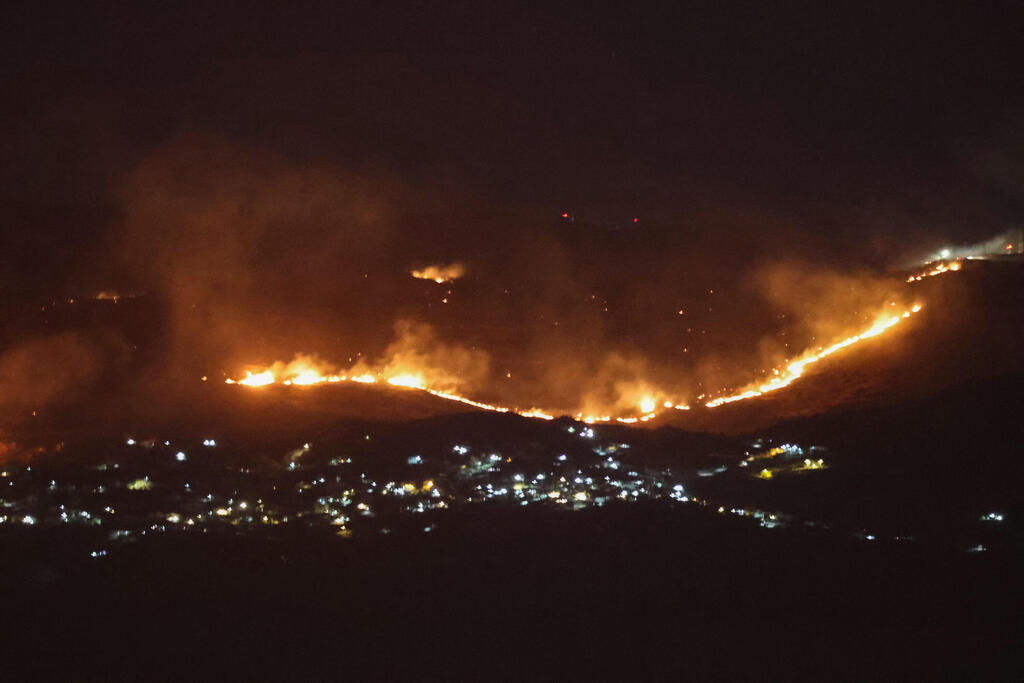
Fires break out in the southern Lebanon village of Majdal Zoun following Israeli artillery strikes
(Photo: AFP)
Much of the village, located roughly 13 kilometers (8 miles) from Israel's border, has been destroyed and lies within what the military calls the "yellow line," a buffer zone under Israeli surveillance and fire control. The military has also targeted Hezbollah's elite Radwan Force operatives there in recent weeks.
Despite the ongoing military activity, Lebanese civilians have gradually begun returning to the village. Israeli officials estimate several hundred residents are now back, a development that has alarmed the defense establishment.
The military has dropped warning leaflets urging civilians not to return, but officials say the effort has had little effect.
Israeli commanders remain determined to prevent renewed civilian presence in al-Mansouri, which they view as strategically important because of its proximity to the border.
Meanwhile, military officials say they are careful not to undermine the fragile ceasefire framework established under the current pilot arrangement between Israel and Lebanon.
The IDF says it maintains firm operational control throughout the yellow line area while simultaneously preparing additional target lists should fighting resume.
At the same time, the military is gradually reinforcing what appears to be a more permanent presence in parts of southern Lebanon.
According to Northern Command officials, commanders are assessing where terrain and operational considerations justify longer-term deployments and where a lighter footprint is sufficient.
These military developments come as Israel and Lebanon continue sensitive negotiations over the future of the pilot arrangement.
The main unresolved issue concerns oversight of the Lebanese Armed Forces — specifically, who will certify that the Lebanese military has completed required tasks inside the pilot zones, including dismantling Hezbollah infrastructure, confiscating weapons and demilitarizing designated areas before implementation expands to additional villages.
Israeli officials expect the coming days to be especially tense.
They believe Hezbollah will seek to undermine the negotiations while another unresolved issue remains on the table: underground Hezbollah infrastructure that Israeli forces say still exists beneath the strategic Ali al-Taher ridge in southern Lebanon.
Israel's political leadership must now decide whether to dismantle those remaining tunnels, weigh the potential impact on the existing ceasefire framework and assess how the United States would respond to such a move.
Gaza Strip
In Gaza, Southern Command has enjoyed unusually broad operational freedom in recent months, carrying out near-daily strikes that the military says killed dozens of Hamas operatives, including members of the group's elite Nukhba force.
Meanwhile, commanders expanded what the military refers to as Gaza's own yellow line, apparently anticipating that their freedom of action could become more restricted.
According to military estimates, the IDF now controls roughly 63% of Gaza's territory.
Despite initial denials by the military, however, a dramatic shift occurred earlier this week.
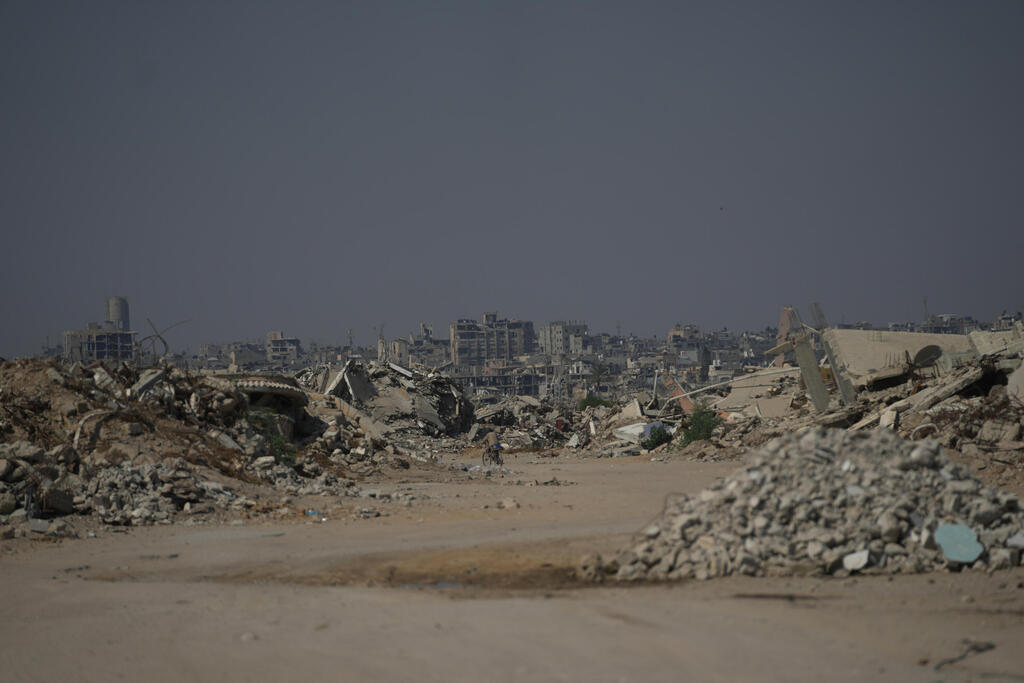
The Gaza Strip
(Photo: AP Photo/Abdel Kareem Hana)
The pace of Israeli airstrikes has fallen sharply. From early June until the beginning of this week, the military conducted almost daily targeted strikes against Hamas operatives — including during the period of heightened confrontation with Iran. Now, proactive strikes have largely stopped.
Because of the diplomatic sensitivity surrounding ongoing ceasefire and hostage-release negotiations, the military has raised the approval threshold for offensive operations, requiring authorization from IDF Chief of Staff Lt. Gen. Eyal Zamir, who then coordinates with the political leadership.
No Israeli official has publicly stated that forces are now limited to engaging only immediate threats, but military officials say that is effectively the reality on the ground.
The Gaza theater has not operated under such restrictions since the war began, including during previous ceasefires tied to hostage releases.
The military now finds itself balancing two competing priorities.
On one hand, Southern Command's operational freedom has been significantly curtailed in an effort to allow negotiations to continue.
On the other, major disagreements remain over the sequencing of any ceasefire agreement.
The central dispute concerns whether Hamas must first surrender its weapons before Israeli forces withdraw, whether Israel should withdraw first or whether both steps can occur simultaneously.
Military officials describe the resulting deadlock as increasingly dangerous.
Under the current framework, even relatively minor signs of Hamas regrouping — activity that only days ago would likely have triggered an immediate strike — now require review at the highest military levels before action can be approved.
West Bank
The West Bank is entering what military officials describe as an especially volatile weekend as Israeli forces remain stretched close to their operational limits.
Tensions have remained high since a terrorist shooting attack that killed Benayahu Mellet and Maj. Yuval Ezra.
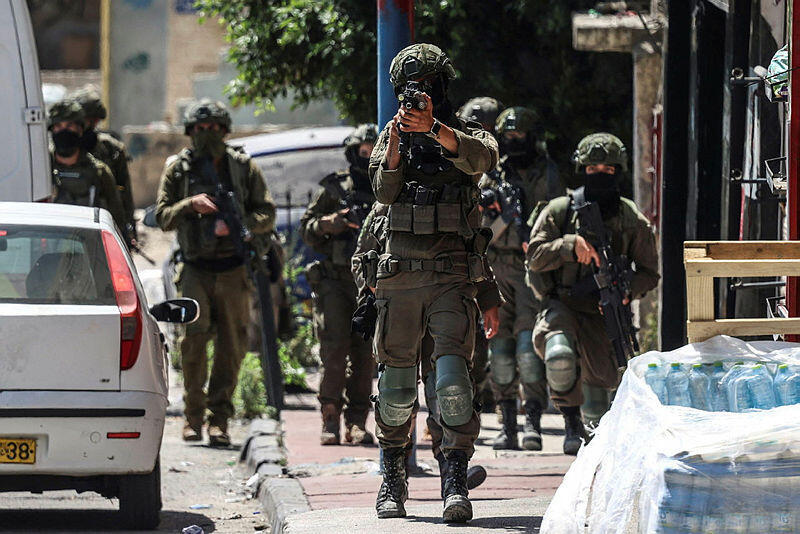
Israeli forces operating in the West Bank
(Photo: Zain JAAFAR / AFP)
The military has deployed 24 battalions across the West Bank and has launched a series of operations, including mass arrests, mapping the home of the alleged attacker ahead of a planned demolition and detaining suspects believed to have assisted in the attack.
Meanwhile, pressure from Israeli settlers on Defense Minister Israel Katz has intensified.
Settler leaders argue that the military response has been inadequate and relies on the same security measures that failed to prevent Hamas' Oct. 7, 2023, attack.
Beyond this week's public disagreement between Katz and Central Command chief Maj. Gen. Avi Bluth, the defense minister has already announced that he instructed the military to prepare plans for the seizure of another Palestinian refugee camp.
Israeli officials view the military's earlier operations in the northern West Bank as a success.
The IDF took control of the Jenin, Tulkarm and Nur Shams refugee camps, significantly reducing terrorist activity there, according to military assessments.
But commanders stress that seizing a refugee camp is only the first phase.
Maintaining continuous military control afterward requires substantial troop deployments.
For now, Central Command and West Bank Division commanders say they see no immediate operational need to seize another refugee camp, warning that doing so would disrupt ongoing operations across the territory and further strain already limited manpower.
Instead, the military has prepared targeted operations similar to those currently underway in the Qalandiya refugee camp north of Jerusalem, where troops are searching for terrorist infrastructure, particularly networks linked to Hamas.
One of the military's primary concerns is preventing so-called "lone wolf" attacks, which officials say are increasingly fueled by online incitement.
Rather than repeating the large-scale occupation model used in Jenin, commanders are considering prolonged targeted operations or shorter but more aggressive raids that would avoid destroying hundreds of buildings or requiring a permanent military presence.
Meanwhile, Central Command is also struggling to contain a separate challenge: a steady stream of attacks by Israeli extremists against Palestinians.
Military officials fear that one particularly serious incident could reignite broader unrest throughout the West Bank.
As the weekend begins, commanders say the central front faces profound uncertainty: whether Israel will move to seize another refugee camp, whether tensions across multiple fronts will escalate simultaneously or whether the military can prevent the current instability from spiraling into a broader conflict.