

A report published this week by the American magazine Time revealed that the State of Israel paid Brad Parscale, who managed Donald Trump’s 2016 digital campaign, about $1.5 million a month as part of an effort to influence American public opinion, particularly among young conservatives and MAGA supporters.
According to the investigation, the campaign included recruiting influencers, producing large volumes of content and even attempts to influence how artificial intelligence systems present information about Israel.
Gallery
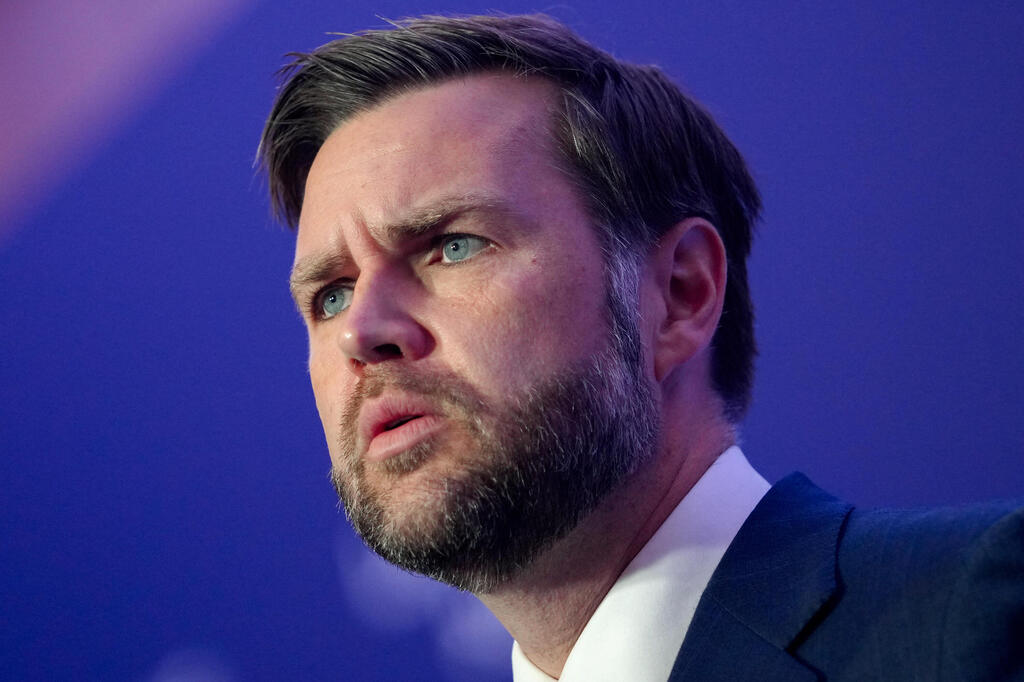
Vance accused Israeli-linked figures of running a 'very discreet, extremely well-funded campaign'
(Photo: Nathan Howard/Pool Photo via AP)
But instead of strengthening Israel’s standing in the United States, the effort produced the opposite result. Within the Trump administration, suspicions grew that some of the activity was intended to influence the debate over the president’s policy toward Iran. In Israel, a senior official was quoted as saying: “We paid a lot of money, but the situation only kept getting worse.”
The controversy intensified after U.S. Vice President JD Vance addressed the investigation in an interview on Joe Rogan’s podcast. Vance accused Israeli-linked figures of running a “very discreet, extremely well-funded campaign” that he said was intended to undermine the administration’s efforts to reach agreements with Iran and prolong the conflict.
He sharply criticized those involved, saying that when he discovered influencers receiving money from Israel-linked sources were working against the policy he was promoting, his reaction was: “Go to hell.”
The fact that a sitting American vice president publicly accused Israeli figures of attempting to influence U.S. foreign policy is an unusual and serious event, reflecting the depth of the crisis surrounding Israel’s influence operations.
However, the Parscale affair is only the tip of the iceberg. Behind the exposed campaign stands a much broader public diplomacy and influence apparatus that has received unprecedented budgets over the past year and a half.
When Foreign Minister Gideon Sa’ar entered the ministry, about 545 million shekels were allocated for Israel’s international public diplomacy efforts — a sum intended to address the severe image crisis created following the war.
In 2026-2027, Sa’ar secured an additional 2 billion shekels — an unprecedented amount for Israeli public diplomacy.
Where did the hundreds of millions go?
However, according to senior Foreign Ministry officials, a significant portion of the money was not routed through the ministry’s professional mechanisms.
The primary responsibility for managing the budgets was transferred to the ministry’s Director General Eden Bar Tal and Eran Shayovich, an external adviser brought in by the minister.
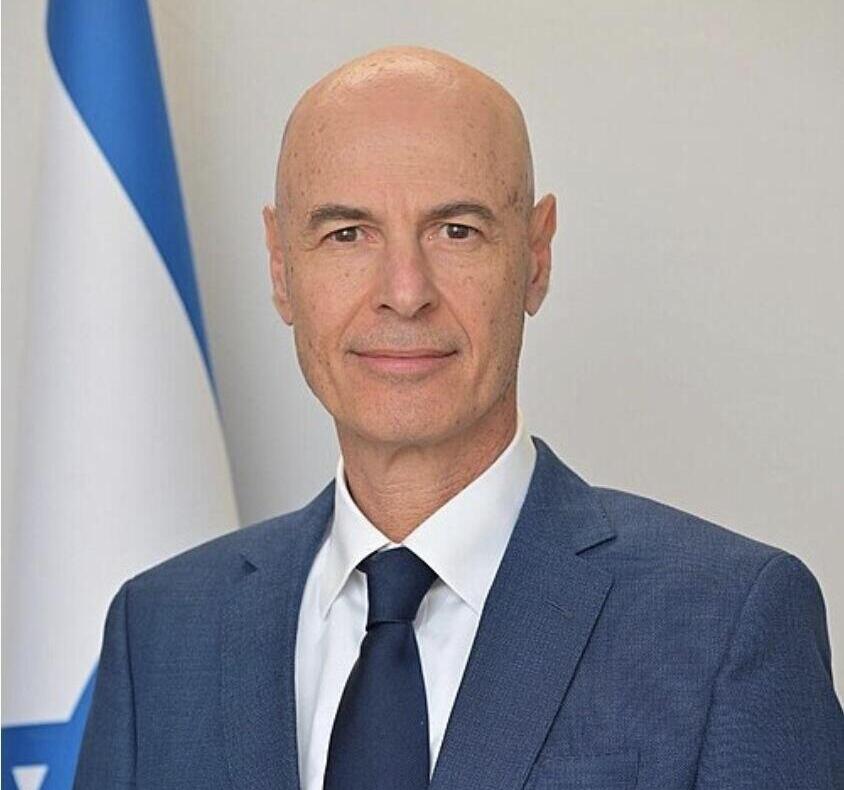
Eden Bar Tal. Some of the money wa s routed through him
(Photo: GPO)
According to those officials, the two frequently operated without sufficient coordination with professional staff, without full involvement from the Public Diplomacy Division and at times even without the knowledge of the embassies themselves.
The Foreign Ministry, in response, said that the 2026 public diplomacy work plan and budget were coordinated with all relevant professional officials in the ministry.
However, according to Israeli diplomats, some ambassadors only learned about campaigns and influence activities carried out in their countries after local contacts approached them and asked about the purpose of the operations.
There were even cases in which public relations companies hired by Israel briefed journalists, newspaper editors and decision-makers without informing the Israeli mission in that country and without the Israeli ambassador being present.
Three main channels absorbed most of the budget: digital campaigns, delegations and hiring public relations firms abroad.
Even in the area of delegations, Foreign Ministry officials said the results were modest at best and poor at worst. Hundreds of guests were brought to Israel, but some had limited public influence to begin with or already held clearly pro-Israel positions before the visit.
“They convinced the convinced,” one official described it.
Other officials argued that influencers were reluctant to come to Israel at this time, making it difficult to find suitable candidates.
In the field of digital campaigns, the criticism was even sharper. According to Foreign Ministry employees, the professionals who were supposed to be responsible for the field were effectively excluded from the process.
The campaigns were managed directly with the Government Advertising Agency and external companies, without sufficient internal transparency and without close professional oversight.
The third category was the hiring of public relations companies and influence advisers in target countries, mainly the United States and Europe.
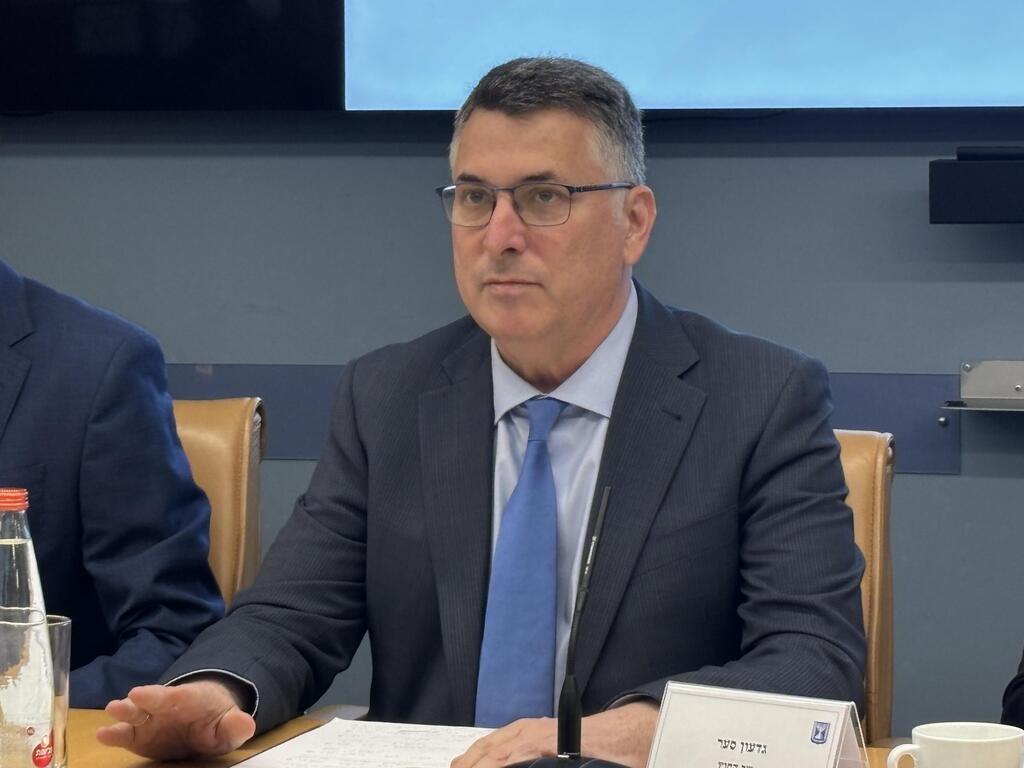
Foreign Minister Gideon Sa’ar. He secured an additional 2 billion shekels — an unprecedented amount for Israeli public diplomacy
(Photo: Gil Yohanan)
According to sources familiar with the matter, influencers were recruited as part of these efforts, social media campaigns were managed and activities were carried out with the aim of shaping public discourse in target countries.
“Diplomacy and public diplomacy are professions,” a senior Foreign Ministry official said this week. “You need to deeply understand the political, media and cultural systems in each country. You cannot assume that someone who knows how to run a commercial or political campaign in Israel will understand the sensitivities in Washington, Berlin or Rome.”
Even Jews were not convinced
But even when measured by results, it is difficult to point to achievements. While hundreds of millions of shekels were poured into public diplomacy and influence campaigns, American public opinion continues to move in the opposite direction.
A recent AP-NORC poll presents a particularly troubling picture for Israel. About one-third of Americans believe today that Israel committed genocide against Palestinians in Gaza. About half of Democrats hold this view.
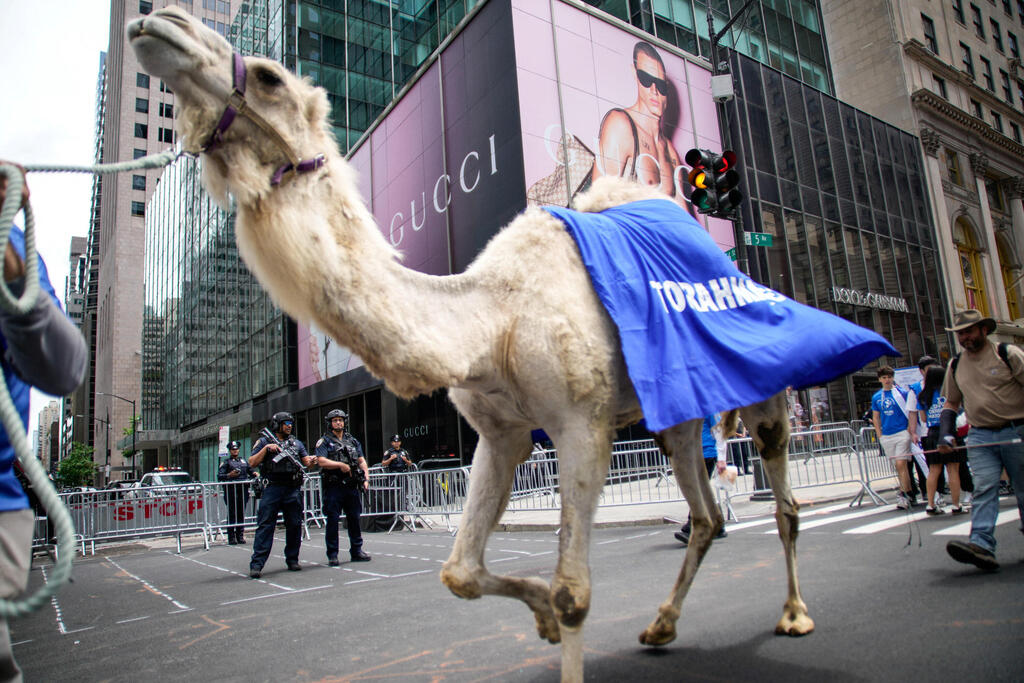
But not only did Israel’s standing in the United States fail to improve — according to most indicators, it continued to deteriorate
(Photo: REUTERS/Eduardo Munoz)
Among the overall American public, support for Israel continues to decline, particularly among young people.
The poll found that 58% of Democrats believe the United States supports Israel too much, compared with only 45% at the beginning of 2024. At the same time, 62% of Democrats believe the U.S. does not support Palestinians enough.
The most concerning figure for Jerusalem is that even among American Jews there is evidence of declining support. About 30% of American Jews surveyed in the poll said they believe Israel committed genocide, and the overwhelming majority hold a negative view of Prime Minister Benjamin Netanyahu.
In other words: Hundreds of millions of shekels were invested in influence campaigns, campaigns involving influencers and public relations firms. But not only did Israel’s standing in the United States fail to improve — according to most indicators, it continued to deteriorate.
'Who will trust the Israeli government?'
The Time report and Vice President Vance’s public criticism now raise a much broader question: Did Israel invest enormous sums in an effort that not only failed but also harmed relations with the political figures it sought to bring closer?
In the eyes of critics of the current policy, this is no longer only a question of wasting public funds. It is a warning against an approach based on the idea that traditional diplomacy can be bypassed, professional officials can be skipped and years of diplomatic work can be replaced with expensive digital influence campaigns.
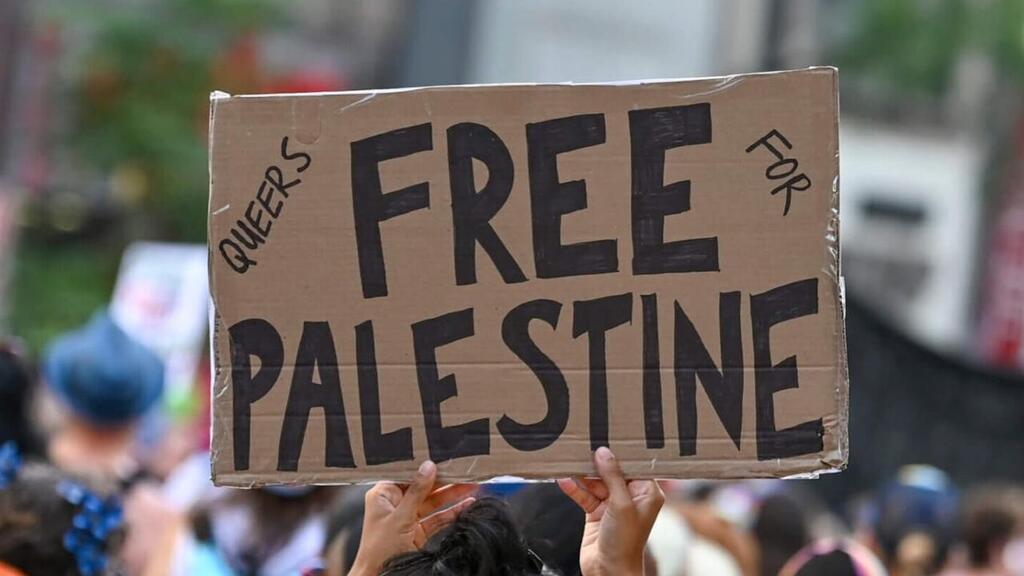
Among the overall American public, support for Israel continues to decline, particularly among young people
(Photo: Nyc Dyke March)
A former senior official in Israel’s public diplomacy apparatus said:
“What is even more absurd and disturbing is that someone here thinks that a short ‘influence’ campaign — lasting a few weeks or months — can significantly shift public opinion and can remain secret without being exposed. This is complete nonsense and extremely harmful — look at Vance’s remarks. This is a terrible embarrassment on the scale of Pollard. The exposure of Israeli subversive activity against the administration opens the door to every conspiracy theory. And who in this administration, the next one or the one after that will trust the Israeli government? Even if the prime minister changes.”
The Foreign Ministry said in response:
“The claims raised in the publication are completely baseless and demonstrate a total lack of understanding of how the Foreign Ministry operates, particularly since the establishment of the Public Diplomacy Directorate at the end of 2025.
“Contrary to what has been claimed, the 2026 public diplomacy work plan and budget were formulated by the head of the directorate, coordinated with the relevant professional officials in the ministry and approved lawfully by the director general.
“The State of Israel does not conduct ‘influence operations’ in the United States. Anyone who is truly involved in the issue knows that the Foreign Ministry strictly adheres to every detail of U.S. law, which requires registration and full transparency regarding any activity by a state entity.”
The Foreign Ministry added:
“These statements are also true regarding the engagements with the supplier mentioned in your inquiry. It should be made unequivocally clear: This activity does not deal with U.S. foreign policy or domestic affairs. Its sole objectives are strengthening the strategic alliance and relations between the two countries and addressing the wave of hatred against Jews and Israel.
“The Foreign Ministry’s public diplomacy and public relations efforts are what have enabled Israel to maintain the international room for action required to defend the country throughout the war, on an unprecedented scale. Focusing these efforts has produced significant strategic achievements among the target audiences they were aimed at.”