

Republicans are still picking up the pieces from their defeat, and Democrats have barely finished sweeping away the confetti. But just one day after the U.S. midterm elections, the political establishment is already looking toward its next major challenge: the 2028 presidential election, with the first primary votes just over a year away.
With President Donald Trump serving his second term and constitutionally barred from seeking another, both parties face open and potentially competitive nomination contests. By Wednesday evening, the first signs were already emerging of prospective candidates positioning themselves for the campaign ahead.
Trump on Vance's statement: 'He's right, but the war was worth it'


The clearest example came in a lengthy post published on X by Vice President JD Vance, in which he distanced himself from the war with Iran and the administration's current relationship with Israel. Many interpreted the post as the opening shot of his presidential campaign.
Analyzing the Republican Party's defeat, which cost it control of both houses of Congress and produced crushing losses even in traditionally conservative strongholds, Vance argued that the unpopular war launched by the United States under Trump's leadership was clearly responsible.
Gallery
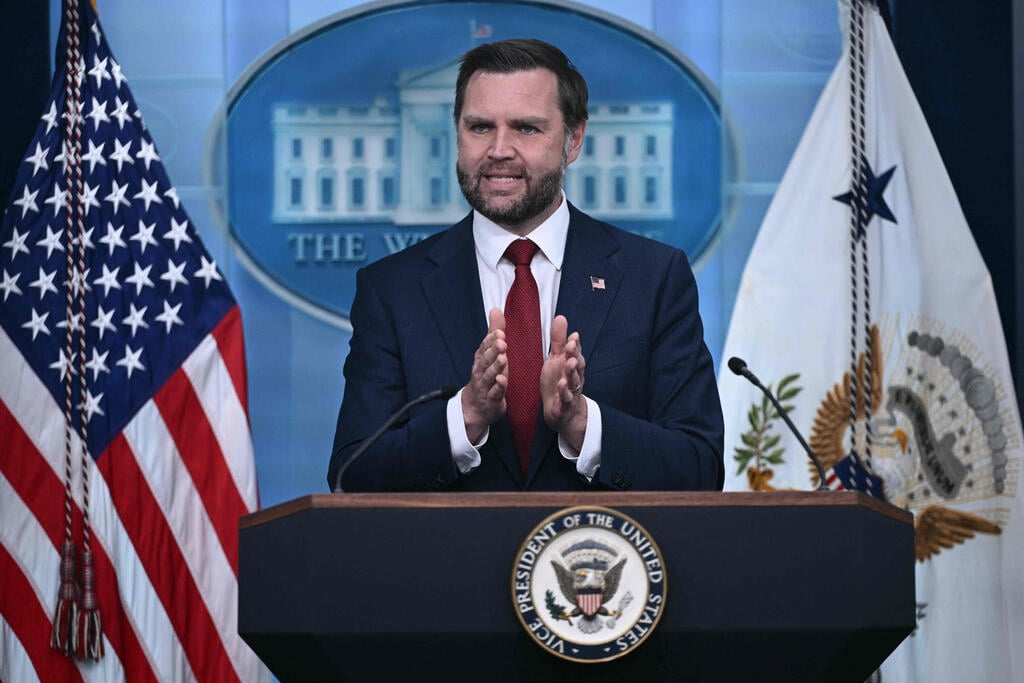
JD Vance has had reservations about the war in Iran: He doesn't want the criticism to stick to him
(Photo: Brendan Smialowski / AFP)
He identified three additional priorities that, alongside ending the war, could bring voters back to the Republican Party: addressing the cost of living, putting American interests ahead of all others and changing the United States' relationship with Israel.
Vance has long been regarded as far more skeptical of the war with Iran than Trump and other senior administration officials. He views the conflict as a violation of the Republican promise to voters to pursue an "America First" foreign policy. After the war began in February, Vance remained unusually silent on the issue for an extended period. Even when he subsequently sought to explain the president's objectives and reasoning, he appeared far from enthusiastic about continuing the conflict.
His approach to Israel also is considered less emotionally invested and less enthusiastic than Trump's. Unlike the president, Vance declined to endorse Benjamin Netanyahu's reelection as Israeli prime minister.
In Wednesday evening's post, Vance linked the Republican defeat to voters' anger over the Iran war. "If you want to argue that it was worth it, that losing the Senate for the next six years was worth it, then make that argument," he wrote.
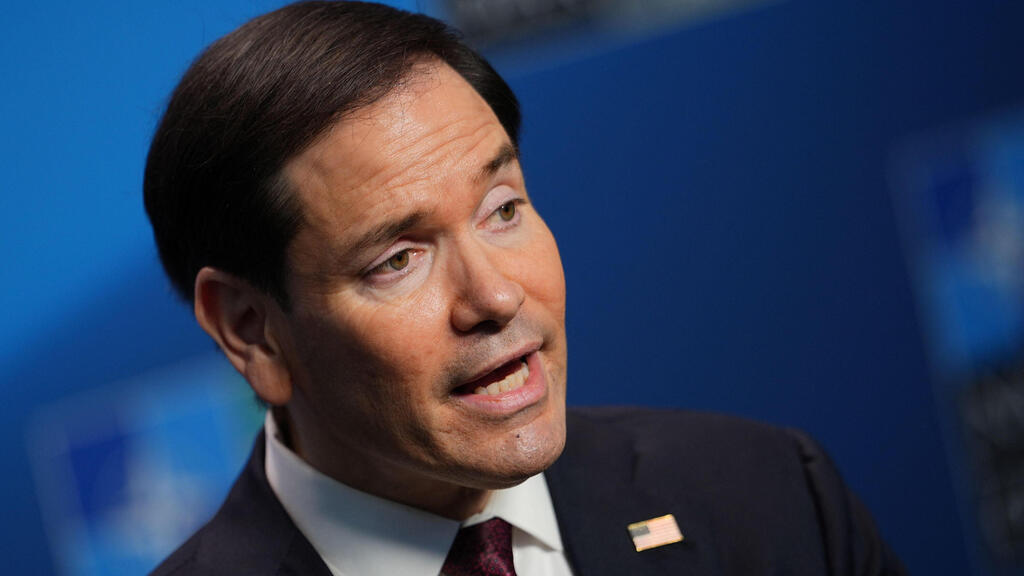
Secretary of State Marco Rubio: Trump refused to say who he would support in the presidential race
(Photo:: Julia Demaree Nikhinson / POOL / AFP)
The remark could be interpreted as criticism of Trump himself, who maintained throughout the campaign, and again after Vance's post, that the war with Iran had been worth the cost. That cost included a dramatic rise in gasoline prices, financial pressure on American households and, apparently, a significant contribution to the Republicans' midterm losses.
Some commentators interpreted Vance's post as a deliberate effort to distinguish himself from Trump and prevent criticism of the president's decision to go to war from damaging his own prospects in the 2028 Republican primaries.
Trump's critics may finally emerge
Vance remains highly popular among conservative voters, particularly supporters of Trump's MAGA movement, and polls have consistently placed him first among prospective Republican presidential candidates for 2028.
Secretary of State Marco Rubio generally ranks second. He is also popular within the party and close to Trump, but is associated with the faction that has been less critical of the war with Iran. Over the past year, Trump has repeatedly been asked which of the two he would support if both sought the presidency. He has declined to choose, although he has said that both are qualified for the job.
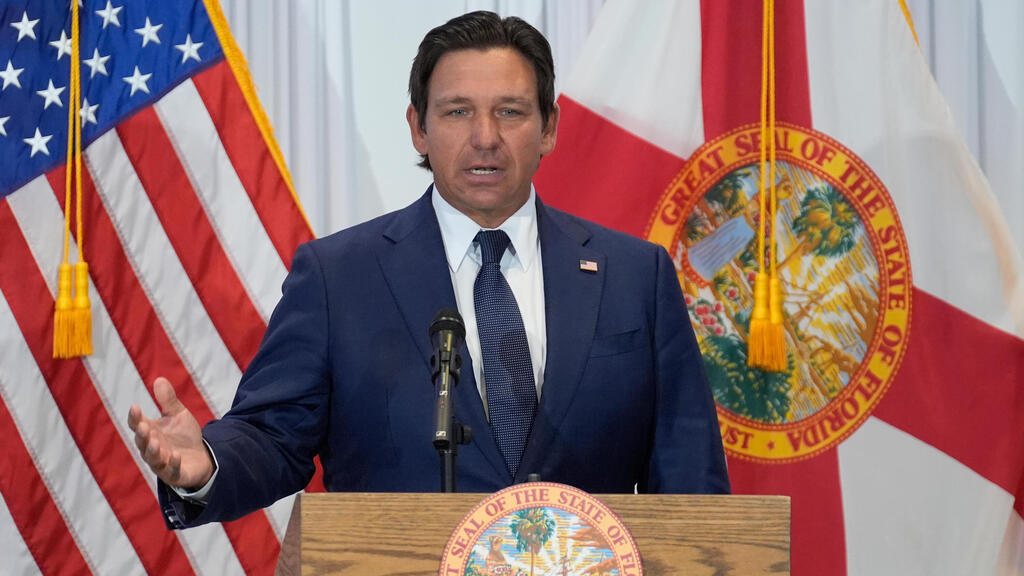
Outgoing Florida Gov. Ron DeSantis
(Photo: Chris O'Meara, File/AP)
Nevertheless, the scale of the Republican defeat in the midterms, widely interpreted as a vote of no confidence in Trump himself, could create an opening for candidates who have so far been reluctant to criticize a president who remains popular with the party's base. As Republicans begin examining what went wrong and navigating the transition toward a post-Trump leadership, dissenting voices may find greater room to emerge.
One potential contender is outgoing Florida Gov. Ron DeSantis, who challenged Trump for the Republican presidential nomination in 2024. After enduring a barrage of personal insults from Trump, DeSantis was decisively defeated and withdrew before the race concluded.
Speaking Wednesday after the results were released, DeSantis did not mince words about the scale of the Republican losses, describing them as "something close to an extinction-level event for Republicans in many parts of the country." He pointed to Florida, where voters elected Republicans to the governorship and Senate even as a Democratic "blue wave" swept much of the rest of the country, as an exceptional example of how Republicans could "deliver big results."
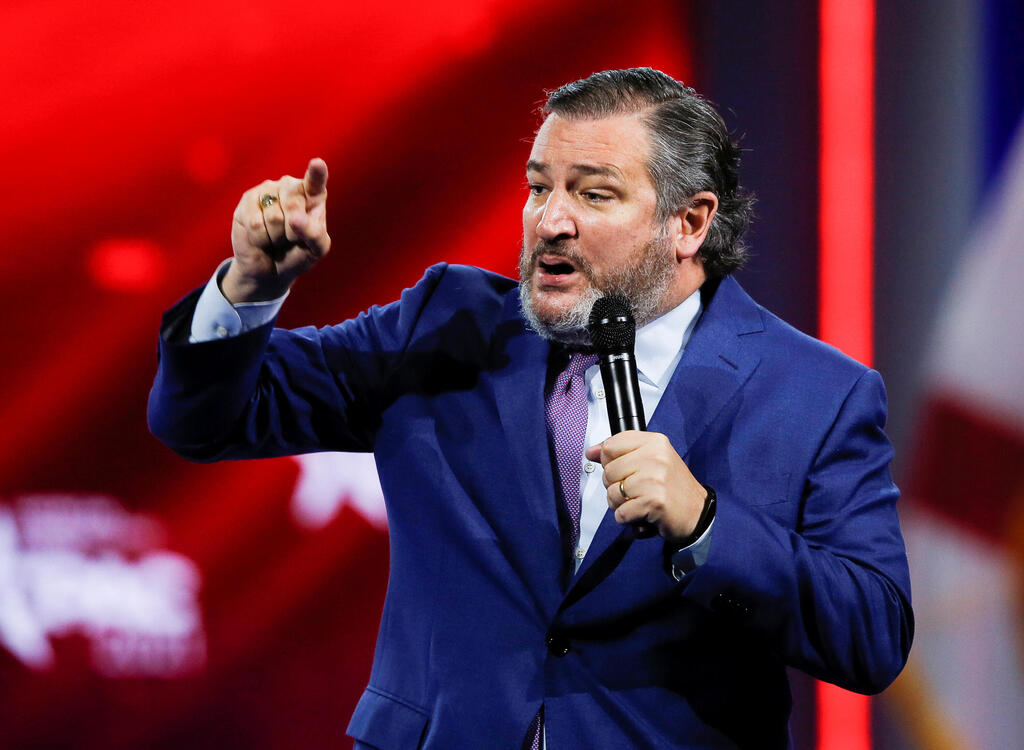
Ted Cruz could jump into the race
(Photo: Reuters)
Texas Sen. Ted Cruz, who invested considerable time and resources trying to help Republican candidates who ultimately lost, has already openly acknowledged that he is considering another presidential run.
The field could also include some of Trump's fiercest critics, whose warnings that his personality and turbulent, divisive leadership were damaging the Republican Party were seen by many as vindicated by this week's results. Among them is former New Jersey Gov. Chris Christie, who is considering another bid for the White House.
Democrats' deep bench and rising political stars
On the Democratic side, the party's sweeping midterm success could fuel the presidential ambitions of numerous politicians who believe they have the potential to lead the country. The Democrats suffered a devastating defeat in 2024, losing the contests for the White House, Senate and House of Representatives. This week's results, however, have transformed the political landscape.
Particularly significant were Democratic victories in statewide races in traditionally conservative states such as Texas, Kansas and South Carolina. Winning those states in a presidential election could shift dozens of electoral votes that have long been considered reliably Republican, potentially creating new paths to the White House for Democratic candidates.

California Gov. Gavin Newsom after his victory in the California gubernatorial election at an event in Sacramento
(Photo: Reuters)
The party has a deep bench of prominent leaders who strengthened their political standing during this week's elections. Among them are governors from Democratic-leaning states, including Maryland's Wes Moore and Illinois' JB Pritzker, both of whom won reelection by wide margins and delivered rousing victory speeches.
Outgoing California Gov. Gavin Newsom also played a prominent role in supporting Democratic candidates across the country, particularly in the South. He contributed directly to the Democrats' capture of the House majority after spearheading Proposition 50, California's response to the Republican redistricting effort in Texas.
Pennsylvania's Jewish governor, Josh Shapiro, arguably delivered the most impressive performance of all. He won reelection by a landslide in one of America's most important swing states, while helping Democrats gain control of the state legislature and flip four congressional seats previously held by Republicans.

Pennsylvania's Jewish governor, Josh Shapiro
(Photo: Bastiaan Slabbers/Reuters )
Shapiro was already facing questions about his presidential ambitions Wednesday during a round of interviews on American television. "The numbers were so big that I wondered if you wanted to take this opportunity to say, 'You know what, I'm in for 2028.' Or do you want to talk about something else?" CBS anchor Gayle King asked him.
"I want to answer all your other questions, Gayle," Shapiro replied with a laugh, before adding: "People want fundamental change, real reform. More importantly, they want their leaders to get things done. They want real results."
Georgia's Jewish rising star and a $20 million campaign fund
While Democratic governors weigh their next moves, a new wave of Democrats is preparing to take control of the Senate, potentially elevating younger political figures to the national spotlight.
Among them is Sen. Jon Ossoff of Georgia, a progressive Jewish Democrat who has emerged as one of the party's rising stars and become known for his mocking attacks on Trump.
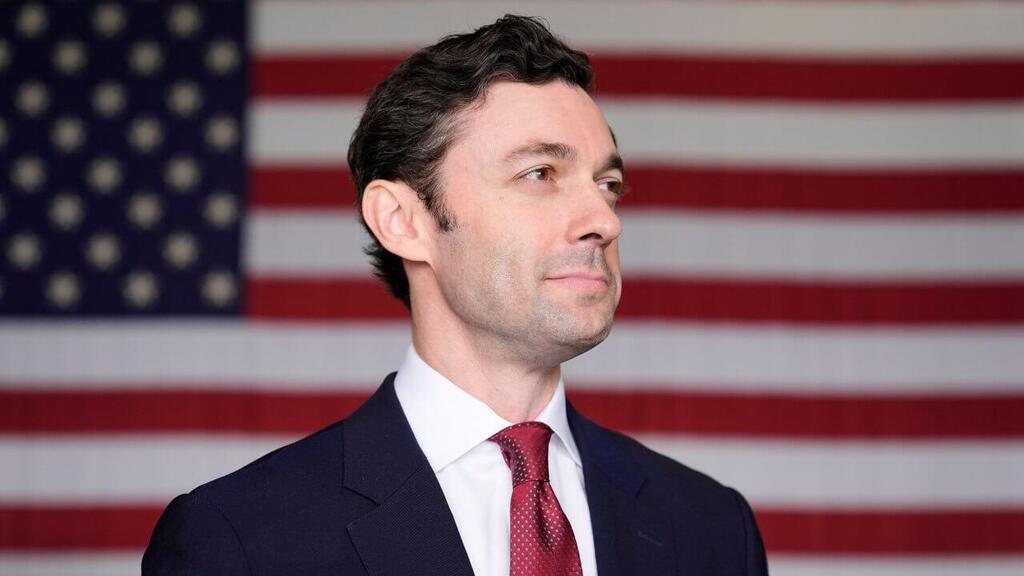
Sen. Jon Ossoff of Georgia, a progressive Jewish Democrat , is one of the party's rising stars
(Photo: Brynn Anderson, File/AP)
Another name entering the conversation is Abdul El-Sayed of Michigan, the outspoken Israel critic who has just been elected the first Muslim senator in U.S. history. Some are already mentioning him as a possible presidential contender in less than two years, citing his combative political style and charisma, which some have compared to Barack Obama's.
El-Sayed's ability to win a statewide race, rather than an election confined to a particular politically aligned district, has encouraged progressives who argue that candidates from the party's left wing can succeed even in traditional presidential battleground states. Those states have generally been considered more favorable terrain for moderate candidates.
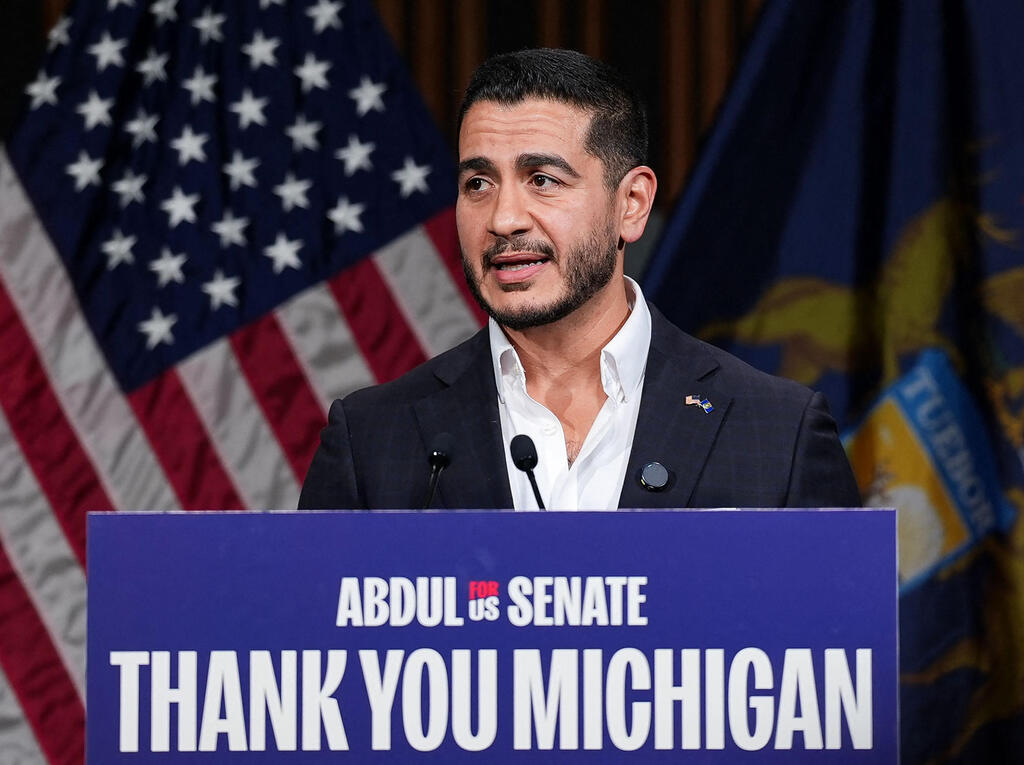
Abdul El-Sayed thanks his supporters after his Senate election victory
(Photo: Salwan Georges/Getty Images/AFP (Photo by Salwan Georges / Getty Images North America / AF)
"This changes the 2028 presidential race," said Adam Green, co-founder of the Progressive Change Campaign Committee, referring to El-Sayed's victory. "A bold, anti-establishment economic fighter can win swing states. Period."
Another prominent progressive whose name has been raised as a possible 2028 contender is Rep. Alexandria Ocasio-Cortez. More established Democratic senators may also enter the race. One is New Jersey Sen. Cory Booker, who begins the 2028 political cycle with more than $20 million in his federal campaign account.
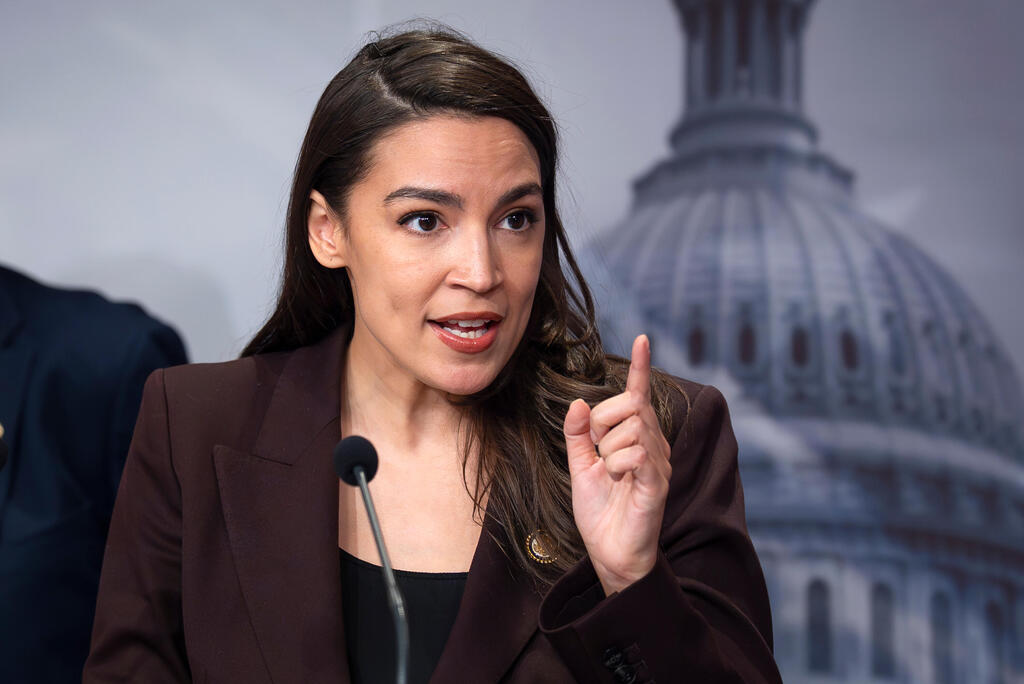
Another prominent progressive whose name has been raised as a possible 2028 contender is Rep. Alexandria Ocasio-Cortez
(Photo: J. Scott Applewhite/AP)
Booker delivered an election-night victory speech that left little doubt about his broader political ambitions. "We finished an election, but this must be the beginning of a movement," he declared. "America, tonight is the beginning of our comeback, baby!"
First published: 00:16, 11.05.26