

Iran is holding at least four Iranian American citizens—two men and two women—in what U.S. officials and analysts view as part of Tehran’s ongoing policy of "hostage diplomacy," the New York Times reported over the weekend.
The detentions come in the wake of the U.S. strikes on Iranian nuclear facilities in June. Three of the detainees are currently imprisoned, while one has been barred from leaving the country, according to the report.
Gallery
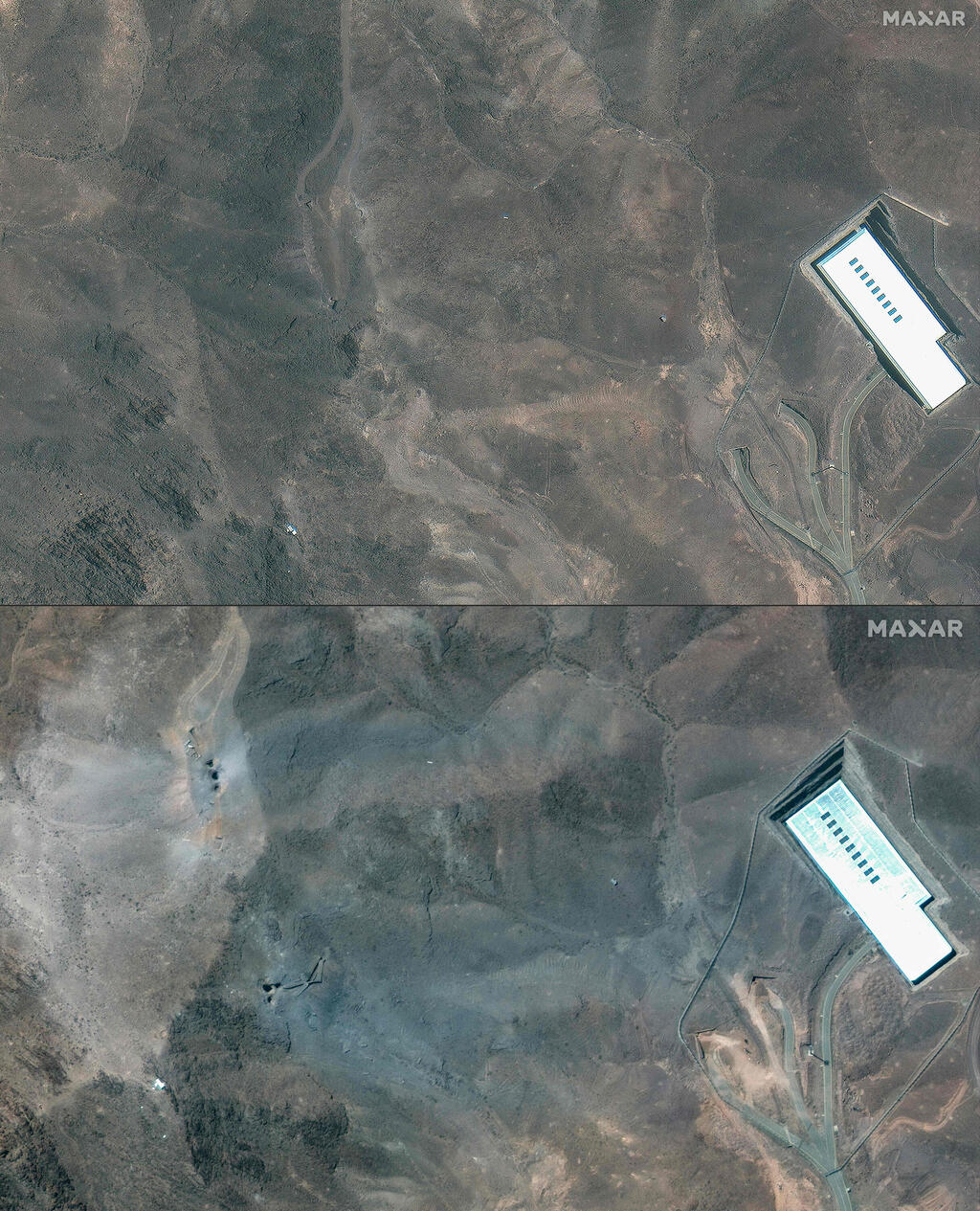
Satellite images of Iran's nuclear facility at Fordow before and after US airstrikes
(Photo: AFP PHOTO/ SATELLITE IMAGE ©2025 MAXAR TECHNOLOGIES)
Iran has a long history of using politically motivated detentions of dual nationals as bargaining chips, often to seek sanctions relief or secure the release of Iranians jailed in the West on terror-related charges.
Among the newly detained is a 70-year-old Jewish grandfather and jewelry store owner from New York, who was reportedly questioned over a trip to Israel, and a woman from California who had been held in Tehran’s notorious Evin Prison. Her current whereabouts are unknown, reportedly due to damage sustained in the facility during Israeli strikes in June. Both were detained shortly after the attacks.
In addition, an Iranian American journalist is serving a 10-year sentence, while another Iranian American woman has been released from prison but is banned from leaving the country and is facing espionage charges. Iranian officials confirmed the arrests to the Times, describing them as part of a broader campaign against individuals allegedly linked to the U.S. and Israel.
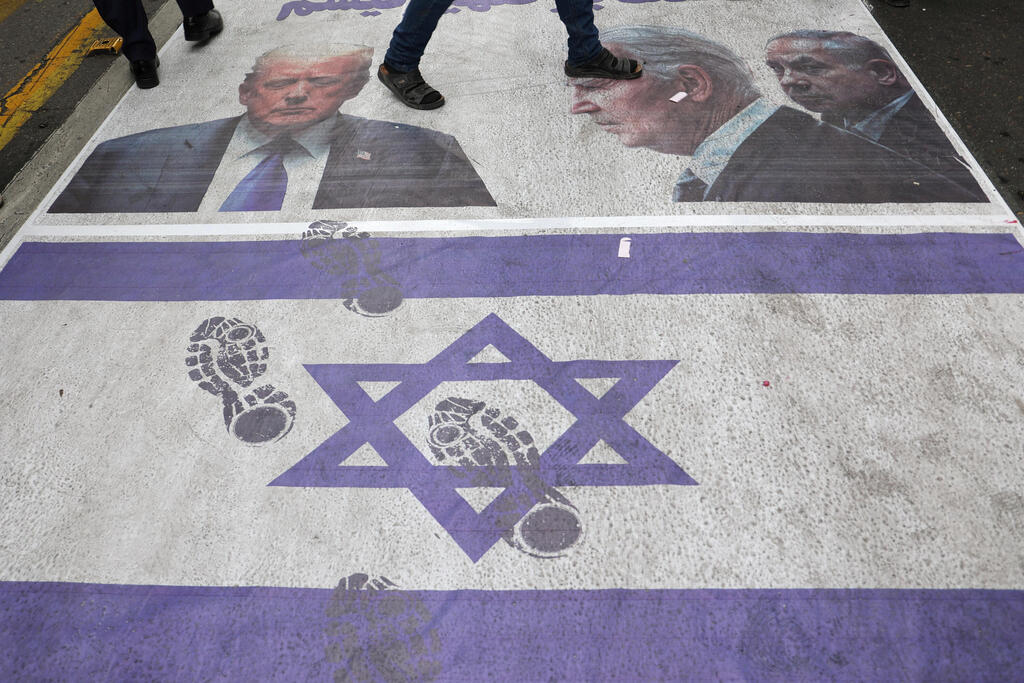
Footprints mark a defaced Israeli flag with images of US President Donald Trump, former President Joe Biden and Prime Minister Benjamin Netanyahu at an anti-Israel protest in Tehran, Iran
(Photo: Majid Asgaripour/WANA (West Asia News Agency) via REUTERS)
The wave of arrests threatens to further strain U.S.-Iran relations at a time when nuclear talks remain stalled. While Iranian Foreign Minister Abbas Araghchi claimed last week that he maintains direct communication with U.S. envoy Steve Witkoff, no substantive progress has been reported.
U.S. President Donald Trump responded by declaring that the United States will not tolerate the unlawful detention of its citizens, and that the release of American hostages remains a top priority. Witkoff’s office did not comment on whether the recent detentions have been raised in talks with Iranian officials.
In response to the deteriorating situation, the U.S. State Department issued a travel advisory warning Americans—including dual nationals—not to travel to Iran “under any circumstances.” The advisory, issued in English and Farsi, warned that American citizens are at increased risk of arbitrary arrest and hostage-taking by the Iranian government.

Evin Prison in Tehran struck by Israeli Air Force
The Iranian American community reacted with alarm, noting a rise in politically motivated detentions since the outbreak of the war between Israel and Hamas. Among those speaking out was Siamak Namazi, an Iranian American businessman who was released from Iranian captivity in 2023. Namazi noted the deepening pattern of such detentions, which echo the longstanding history of prisoner swaps between Tehran and Washington dating back to the 1979 Islamic Revolution and the U.S. embassy hostage crisis.
UNRWA faces US lawsuits alleging ties to Hamas and Hezbollah attacks
Meanwhile, the New York Times reported that the United Nations Relief and Works Agency for Palestine Refugees (UNRWA) is facing two significant lawsuits in the United States, as victims and relatives of individuals killed or injured in attacks by Hamas and Hezbollah accuse the agency of aiding terror groups and inciting violence.
The latest complaint was filed in U.S. federal court in the District of Columbia and joins a similar case already underway in a Manhattan federal court. Plaintiffs—American citizens living in both the United States and Israel—are seeking compensatory, punitive and exemplary damages.
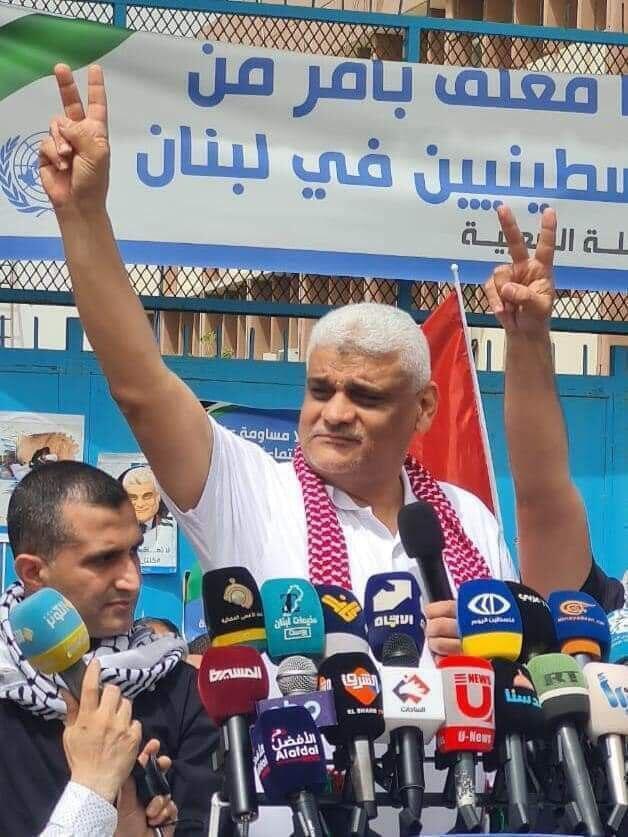
Fatah al-Sharif, head of the teachers’ union in UNRWA Lebanon and a senior Hamas leader in Lebanon, was killed in an Israeli strike on the al-Bass refugee camp
At the center of the legal action are claims that UNRWA facilitated access for terrorist organizations to its facilities and allowed its civilian infrastructure to be used for military purposes. Both Hamas and Hezbollah are designated as foreign terrorist organizations by the United States.
Among the plaintiffs are victims of the October 7, 2023, Hamas-led assault on southern Israel, including Nurit Cooper, who was kidnapped and later released, as well as relatives of those killed at the Nova music festival. Other plaintiffs include victims of Hezbollah rocket attacks and individuals impacted by earlier assaults, such as the family of Ari Fuld, who was stabbed to death in the West Bank in 2018.
Get the Ynetnews app on your smartphone: Google Play: https://bit.ly/4eJ37pE | Apple App Store: https://bit.ly/3ZL7iNv
The lawsuits were made possible after the U.S. Department of Justice, under the Trump administration, reversed a prior decision that had granted UNRWA diplomatic immunity from legal proceedings in American courts. Under the Biden administration, attorneys for UNRWA had argued the agency was shielded from such lawsuits. However, the April policy reversal has allowed the new case to proceed and may pave the way for additional legal actions and potential sanctions.
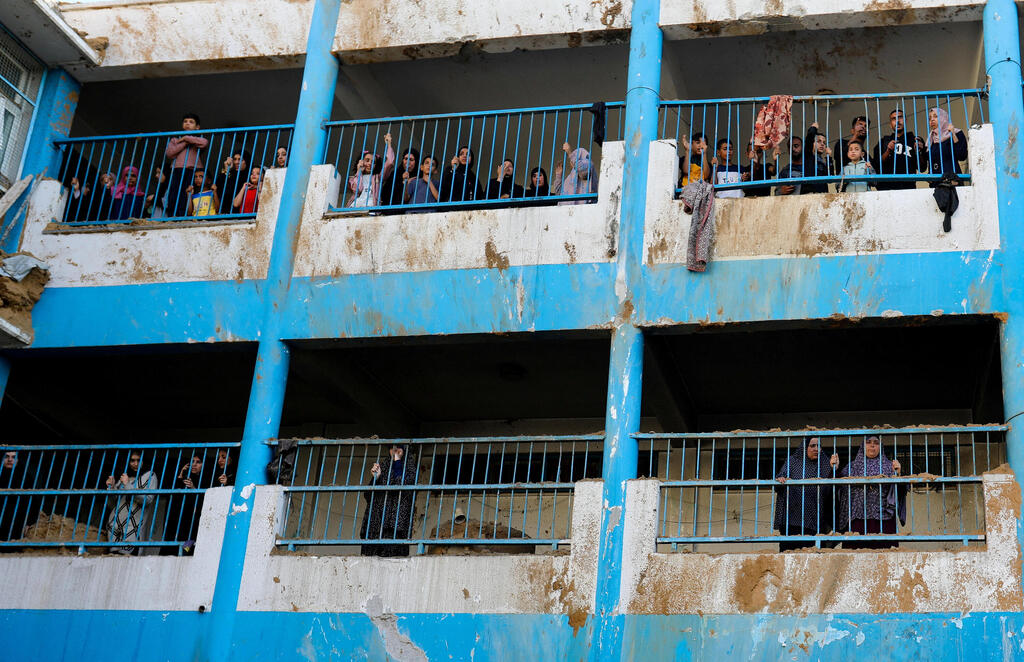
UNRWA-operated school in Brueij, Gaza
(Photo: REUTERS/Stringer)
Israel has long accused UNRWA of harboring terrorists within its ranks. Following the October 7 attacks, Israeli officials claimed that UNRWA employees were directly involved in the massacre. These allegations were supported by formal Israeli reports released in the early weeks of the war.
The lawsuits also reference Israel’s 2024 law banning UNRWA operations in East Jerusalem. That legislation was passed in response to Israeli intelligence linking agency staff to the October 7 attacks. Since the law took effect in January, diplomatic ties between Israel and UNRWA have deteriorated sharply.
The Times report noted that these developments are weakening UNRWA’s operational capacity and jeopardizing its future. The legal turmoil comes amid mounting global concern over humanitarian conditions in Gaza, with UN Secretary-General António Guterres warning last week that the agency is nearing collapse. In a public letter, Guterres identified the Israeli legislation as a key factor in the crisis.